
Key Takeaways
- Unique doesn’t mean random: change one element , vessel, material, or palette , and keep the rest restrained, or the arrangement reads as chaos.
- Most unusual vessels aren’t watertight, so hide a jar or plastic cup inside; untreated wood and baskets wick water straight onto furniture.
- Sculptural and minimal arrangements depend on empty space, so resist the urge to fill every gap.
- Odd numbers of stems and three clear heights create structure in a minimal arrangement where symmetry falls flat.
- Submerged and enclosed arrangements look striking but are short-lived , water clouds within a few days.
Introduction
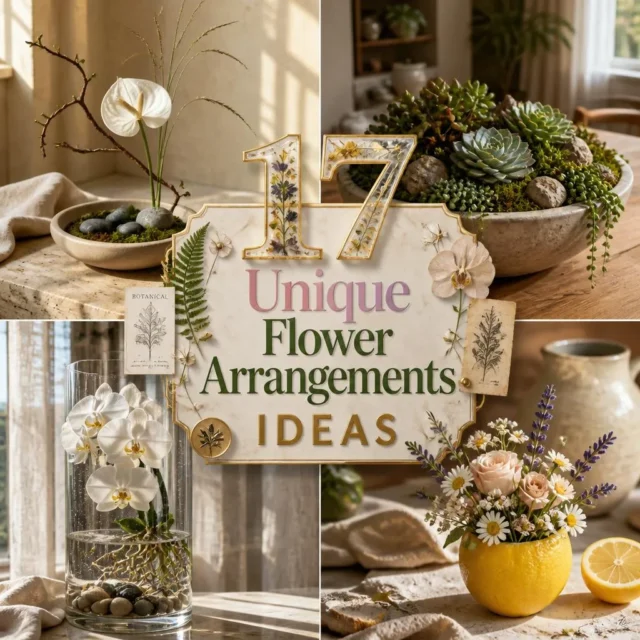
The most memorable flowers in a room are rarely the ones in a conventional vase. These unique flower arrangement ideas cover 17 unconventional designs , sculptural line arrangements, living succulent bowls, submerged blooms, hollowed fruit vessels, suspended installations, and dried forms , with the design logic that keeps each one deliberate rather than merely odd.
You’ll also find the practical detail most inspiration galleries skip: which vessels need a hidden liner, why minimal arrangements need empty space to work, and which of these striking looks last a week versus three days. Many use materials you already own or can gather for nothing. Consider it a guide to making the flowers in your abode genuinely your own.
The rule that separates striking from messy: Change one thing, not everything. An unconventional arrangement works when a single element is unexpected , an unusual vessel, an odd material, a strange palette , while everything else stays deliberately restrained. Put wildflowers in a rusted tin and keep the palette to two colors and it reads as designed. Put mixed bright flowers in a rusted tin beside painted branches and fruit and it reads as clutter. Restraint is what makes the unexpected element land.
17 Unique Flower Arrangements Ideas
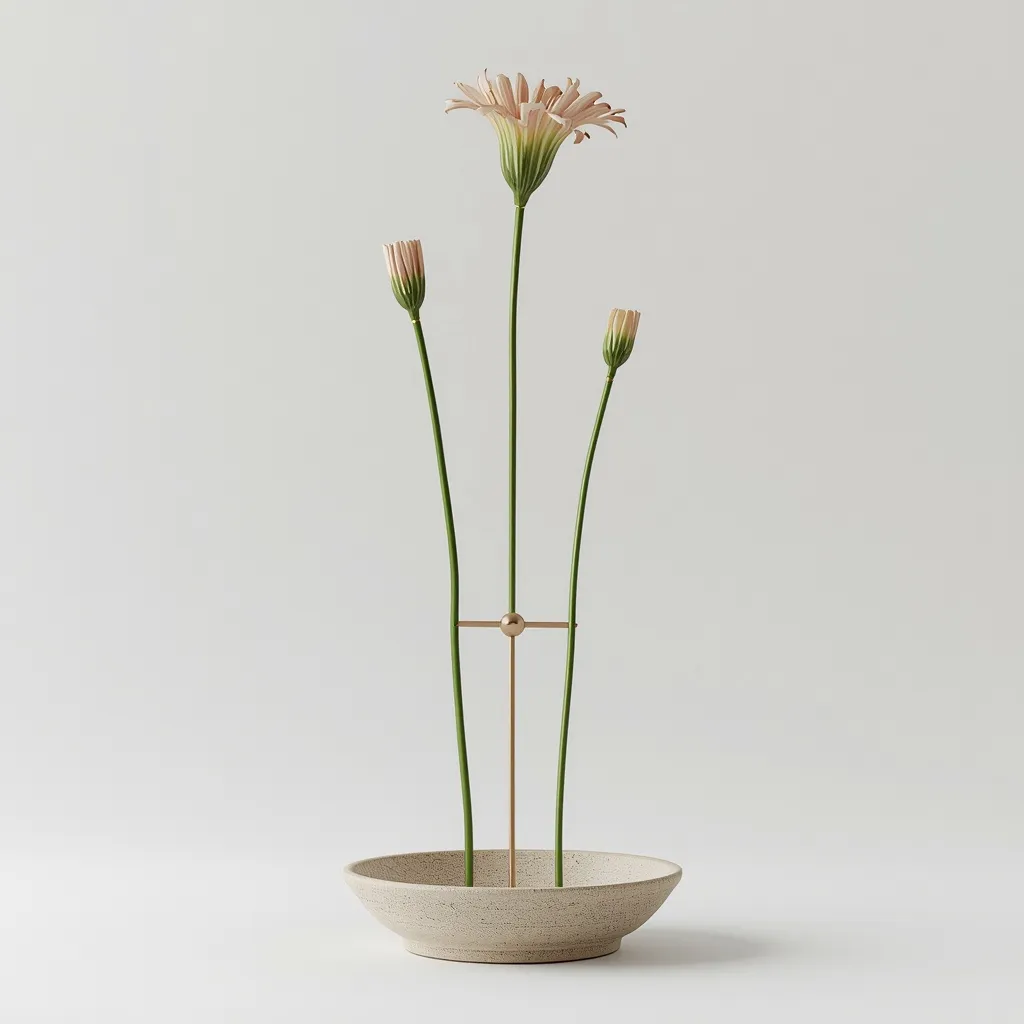
1. Sculptural Line Arrangement
A line arrangement uses almost nothing: three stems at three heights in a shallow dish, with far more empty space than flower, every angle deliberate. Spare and architectural, this style is influenced by ikebana’s emphasis on line and asymmetry. Minimal, precise, and striking.
Use three main stems at clearly different heights , roughly tall, medium, and short, with no two matching , held in a pin frog in a shallow dish, and turn each stem so its natural curve faces the viewer. The empty space is the design, not a gap to fill, and the most common mistake is adding more stems until the arrangement becomes an ordinary bunch. Strip nearly all foliage so the lines stay visible. This suits modern interiors, minimalists, and anyone with only a few stems.
- Why it works: Three distinct heights with negative space between them creates structure that mass planting hides.
- Best for: Modern interiors; minimal styling; very small harvests.
- Key elements: three stems at three heights, pin frog in a shallow dish, curves turned outward, foliage stripped, space preserved.
2. Single-Bloom Statement
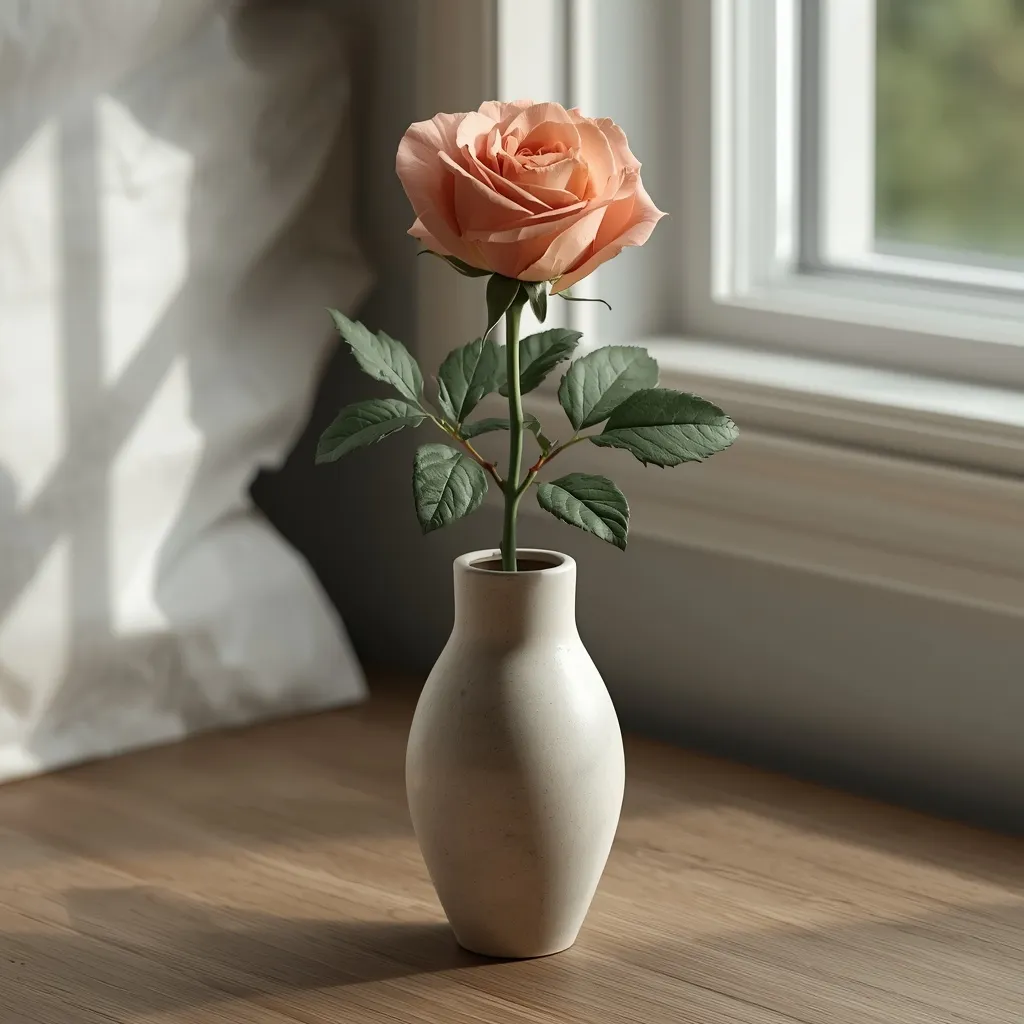
One perfect flower in one perfect vessel: a single peony, dahlia, or open rose in a narrow neck, isolated so its form becomes the whole subject. Simple and confident, a solo bloom is the easiest unique arrangement to execute well. Quiet, focused, and elegant.
Match the vessel neck to the stem so the flower sits upright without support , a wide vase lets a single stem lean and the whole effect collapses. Choose a bloom with genuine structural interest, since this style exposes everything: a ruffled dahlia or a fully open garden rose works where a simple daisy looks sparse. Cut the stem short, around 10–15 cm (4–6 in), so the flower sits close to the rim. This suits minimalists, desks and bedsides, and single-stem harvests.
- Why it works: A narrow neck holds a single stem upright, where a wide vase lets it lean and lose the effect.
- Best for: Minimal interiors; bedside tables and desks; one exceptional bloom.
- Key elements: narrow-necked vessel, structurally interesting bloom, stem cut to 10–15 cm, flower near the rim.
3. Living Succulent Bowl
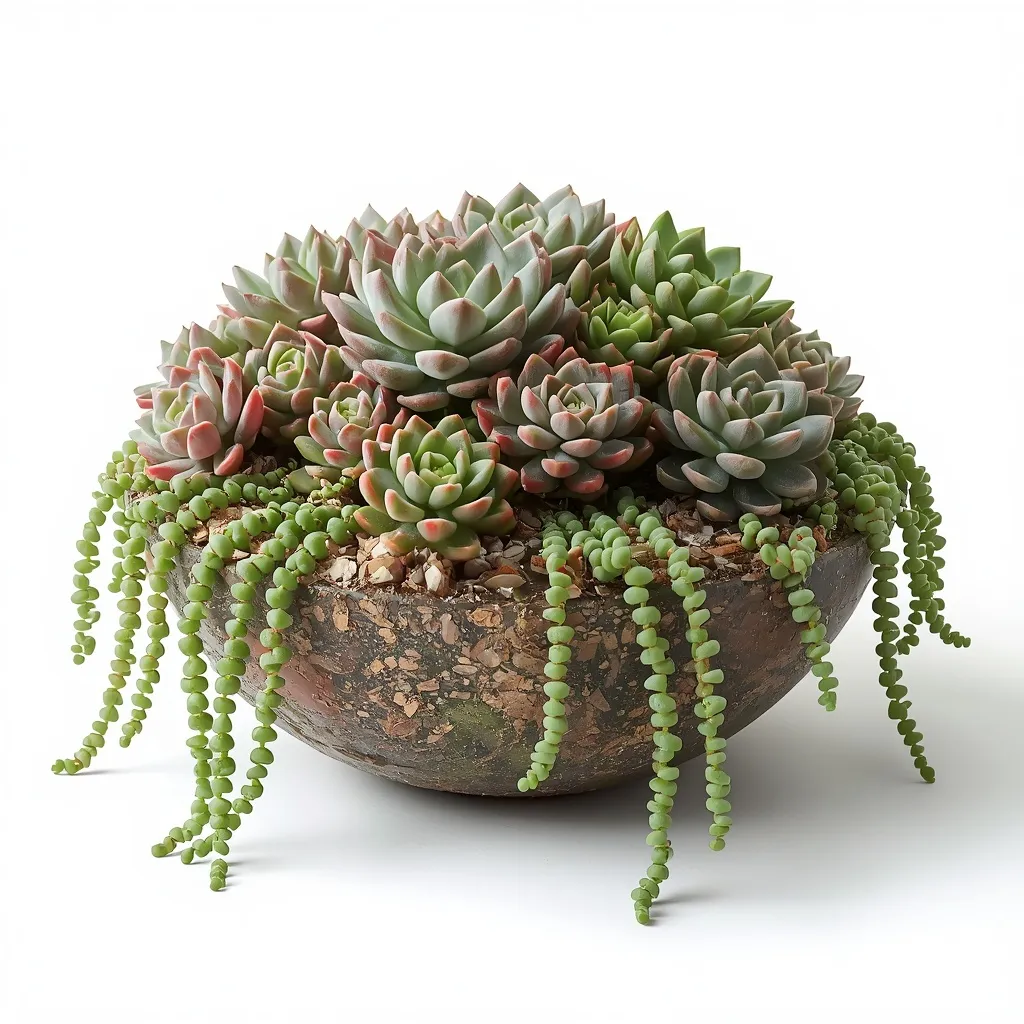
A succulent arrangement is planted rather than cut: echeveria rosettes, trailing string-of-pearls, and haworthia set into a shallow bowl of gritty compost, arranged like a bouquet but alive for years. Sculptural and enduring, succulents give floral form without a vase life. Textural, geometric, and lasting.
Plant into free-draining cactus compost with added grit, and choose a bowl with drainage holes if possible , succulents die from overwatering far more often than neglect, and a sealed bowl holds water around the roots. Cluster rosettes tightly like a bouquet, tucking trailing types near the rim to spill over. Water only when the compost is completely dry, roughly every two to three weeks indoors. Note that some succulents, including euphorbias, have irritant sap, and a few are toxic to pets. This suits low-maintenance homes and gift arrangements.
- Why it works: Planted succulents give the look of an arrangement that lasts years rather than days.
- Best for: Low-maintenance homes; gifts; renters and small spaces.
- Key elements: gritty cactus compost, drainage, tight rosette clustering, trailing types at the rim, watered every 2–3 weeks.
4. Orchid and Stone Display
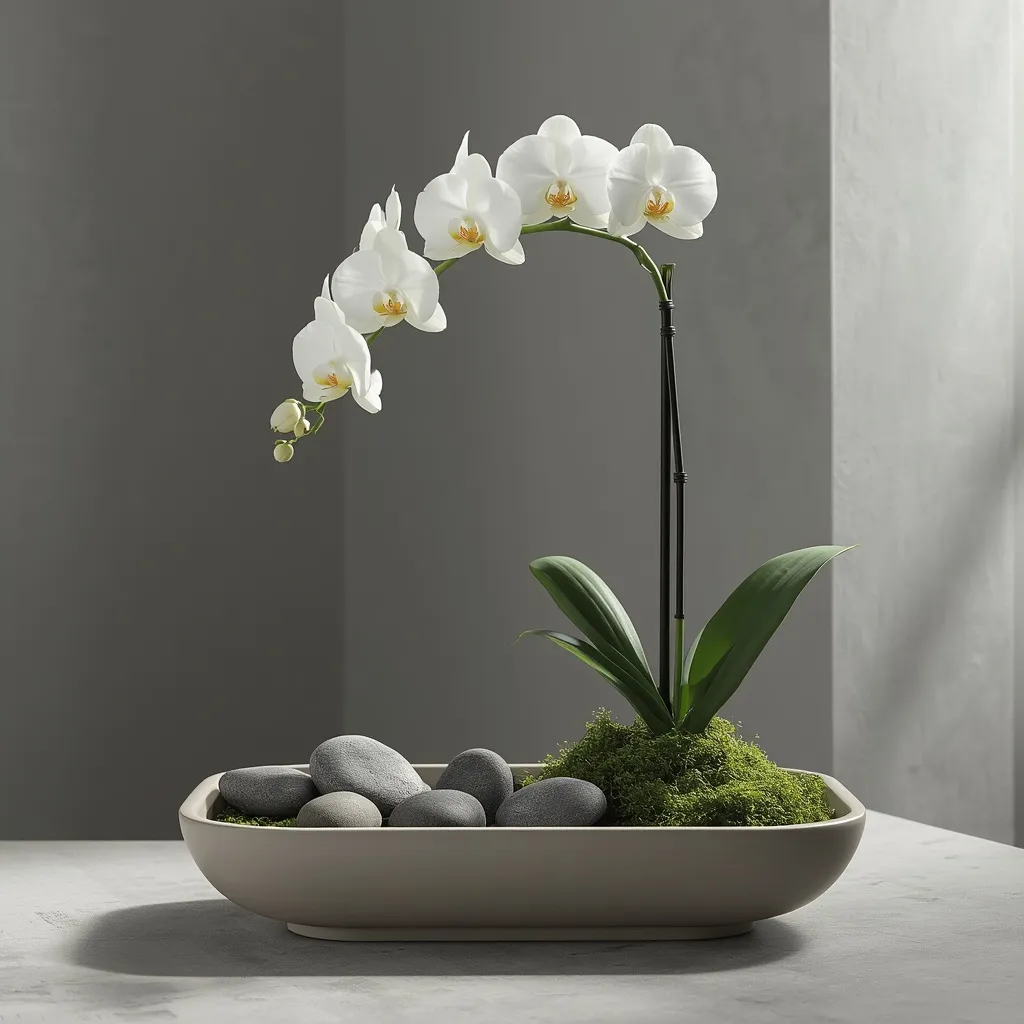
An orchid display pairs a living plant with hard materials: a phalaenopsis arching over smooth river stones and moss in a low ceramic trough, calm and architectural. Refined and long-lasting, an orchid holds its flowers for months rather than days. Sculptural, serene, and enduring.
Keep the orchid in its plastic nursery pot and set that inside the display container, hiding the rim with moss and stones. Orchid roots need air and rot in standing water, so a concealed pot lets you lift and water it properly. Water by soaking the inner pot weekly and letting it drain fully before returning it. Phalaenopsis flowers typically last two to three months, which makes this the longest-lived arrangement here. Place in bright indirect light, never direct sun. This suits offices, low-effort styling, and long-term display.
- Why it works: Keeping the nursery pot hidden inside lets you water and drain properly without disturbing the display.
- Best for: Offices; long-lasting display; low-effort styling.
- Key elements: phalaenopsis in hidden nursery pot, river stones and moss concealing the rim, weekly soak and drain, bright indirect light.
5. Submerged Bloom Vessel
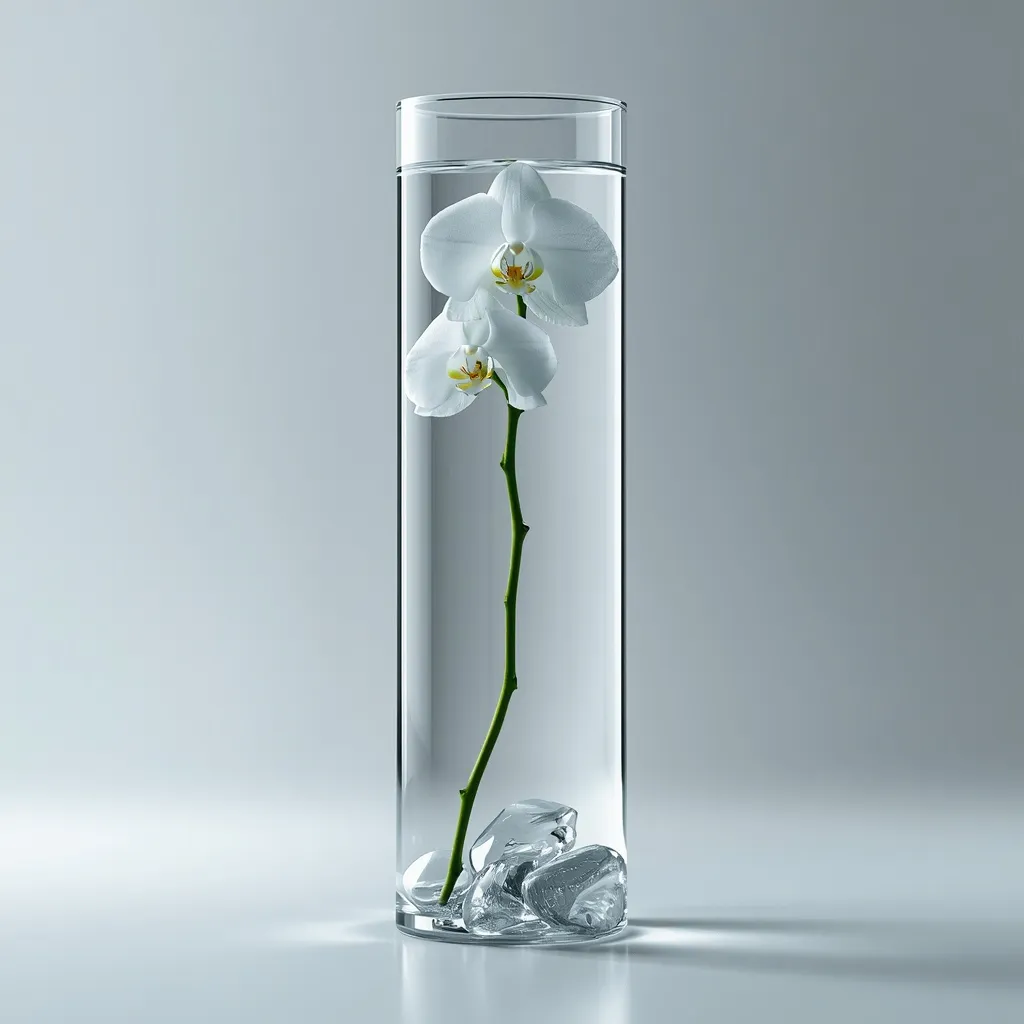
A submerged arrangement puts the flowers underwater: orchid stems or single blooms held beneath the surface of a tall clear cylinder, magnified and weightless, sometimes lit from below. Dramatic and unexpected, submersion turns a flower into an object. Glassy, still, and surreal.
Choose sturdy, waxy-petalled flowers , orchids, anthurium, and gerbera held up submerged where soft-petalled roses and peonies disintegrate within a day. Weight stems with a clear glass pebble or anchor them with a hidden florist’s pin so they don’t bob to the surface. Be honest about lifespan: water clouds within roughly two to four days as plant material breaks down, so this is a short-term display for an event rather than a week-long arrangement. Use distilled water for clarity. This suits parties, table centerpieces, and dramatic one-night styling.
- Why it works: Waxy-petalled flowers survive submersion where soft petals break down within a day.
- Best for: Parties and events; short-term drama; modern interiors.
- Key elements: tall clear cylinder, orchid or anthurium, stems weighted or pinned, distilled water, 2–4 day lifespan.
6. Vintage Teapot Cluster
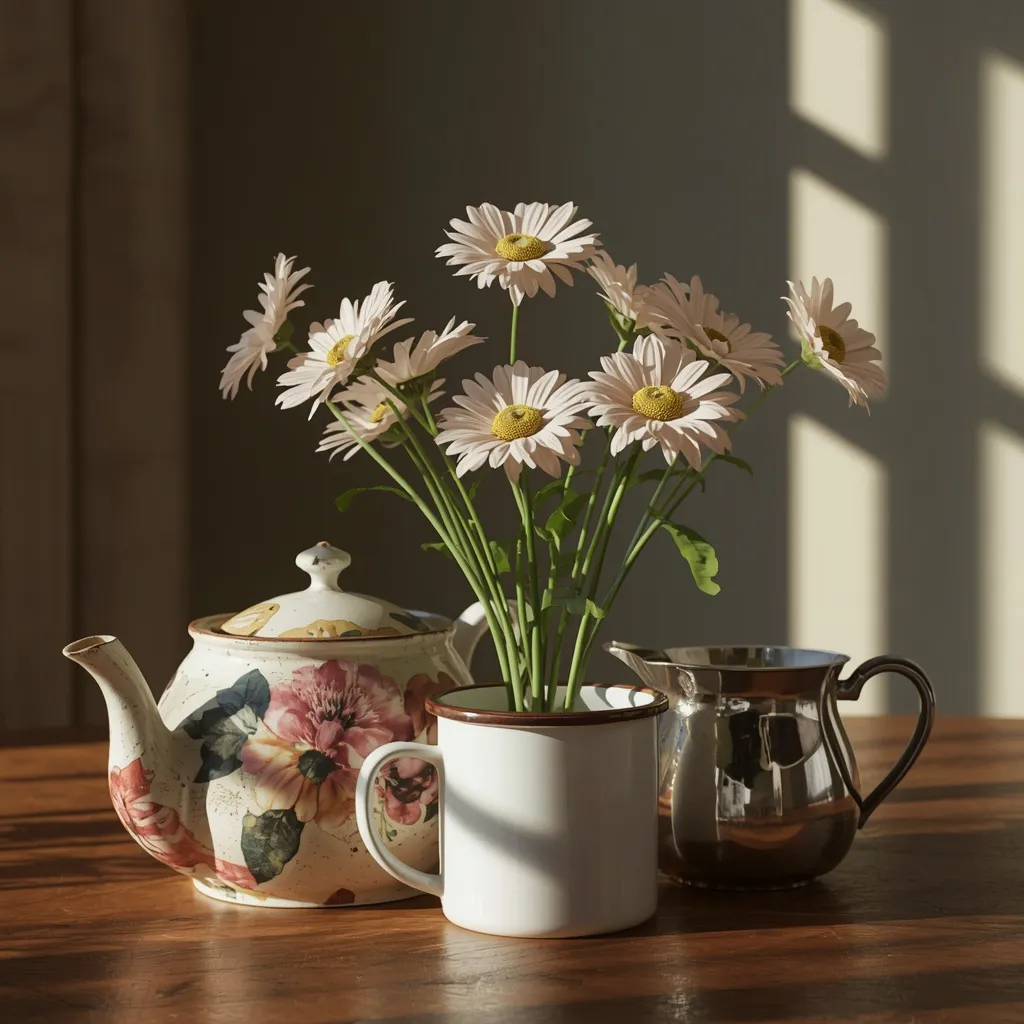
A cluster of mismatched vintage vessels holds small posies: a chipped teapot, an enamel mug, and a silver creamer grouped together, each with its own tiny arrangement. Nostalgic and charming, the grouping does what one vessel can’t. Eclectic, homely, and characterful.
Unify the group deliberately , same flower palette across all vessels, or same material with varied shapes , since mismatched containers plus mismatched flowers reads as clutter rather than collection. Use odd numbers, three or five, at varied heights. Check each vessel holds water, as vintage ceramics often have hairline cracks, and set a saucer or coaster beneath anything doubtful. Metal containers can react with water over time, so a hidden glass jar inside protects both vessel and furniture. This suits vintage interiors, small harvests, and charity-shop finds.
- Why it works: A single shared flower palette is what turns mismatched vessels into a collection rather than clutter.
- Best for: Vintage interiors; small harvests; thrifted styling.
- Key elements: 3 or 5 vessels, unified palette, varied heights, cracks checked, hidden jar inside metal.
7. Hollowed Fruit Vessels
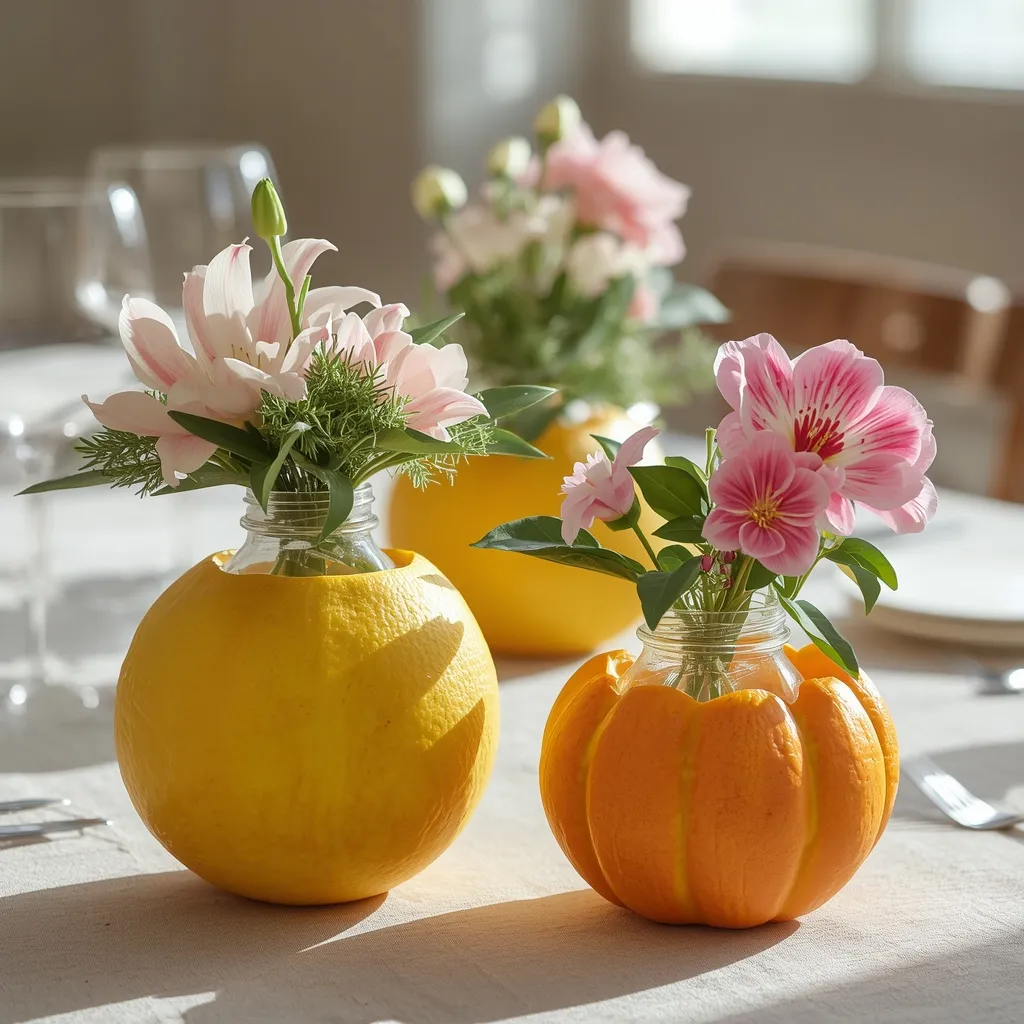
A hollowed lemon, pineapple, or small pumpkin becomes the container: fruit cut open, scooped out, and filled with a compact posy, sitting on a table like edible sculpture. Playful and seasonal, fruit vessels are pure conversation pieces. Fresh, unexpected, and vivid.
Set a small jar or plastic cup inside the hollowed fruit rather than filling it with water directly, since fruit flesh breaks down fast and leaks, and the liner also stops the fruit staining your table. Keep the posy compact and low so the fruit remains readable as the surprising element. Be realistic about lifespan: cut fruit lasts roughly one to three days at room temperature before softening and attracting fruit flies, so build it the day it’s needed. Refrigerate between uses if the event is later. This suits dinner parties, summer tables, and seasonal events.
- Why it works: A hidden liner stops fruit flesh leaking and keeps the vessel intact for the whole event.
- Best for: Dinner parties; summer tables; seasonal one-off styling.
- Key elements: fruit hollowed with jar liner inside, compact low posy, built same day, 1–3 day lifespan.
8. Book Stack Bloom
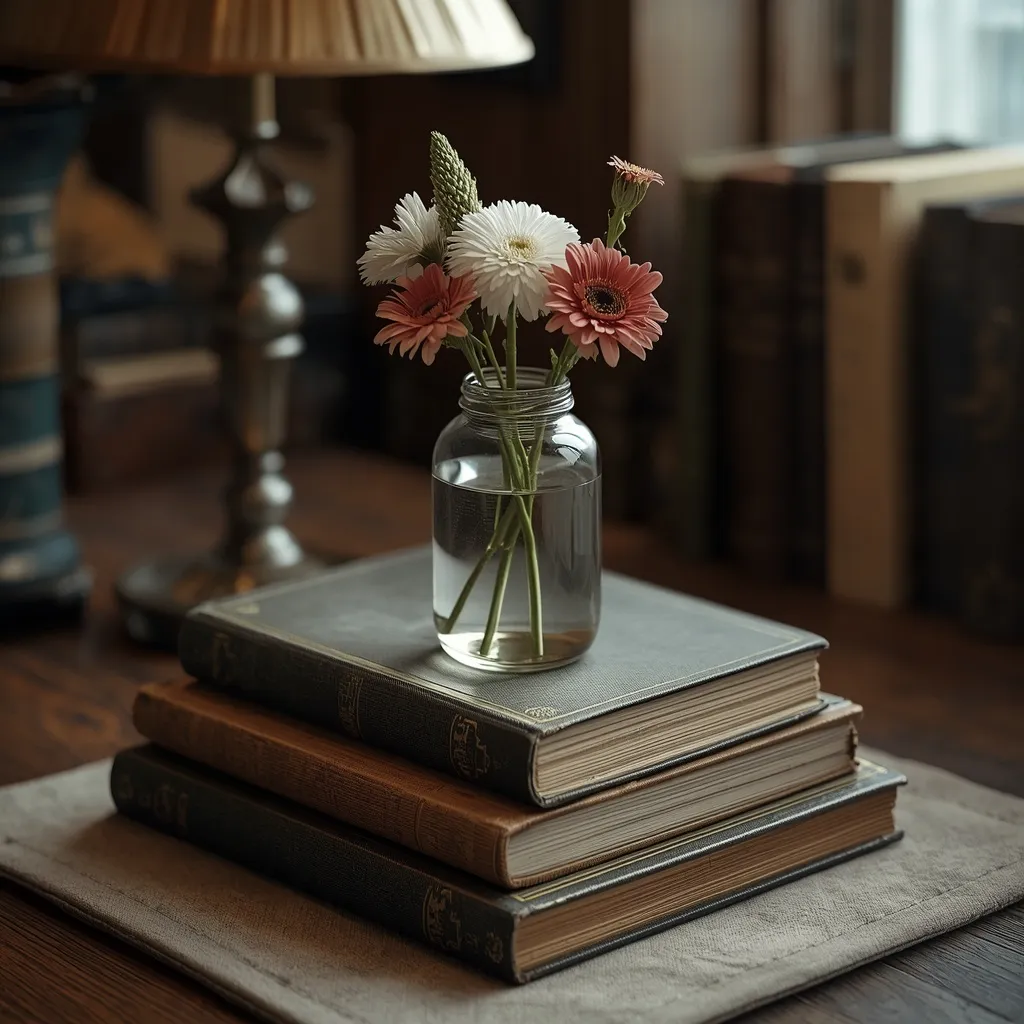
A stack of old books becomes a pedestal and a vessel at once: a small arrangement rising from a hollowed volume or resting on a stack, ink and paper against fresh petals. Literary and quietly artful, this suits studies and reading corners. Bookish, layered, and inventive.
Never put water directly against paper. Use a sealed glass jar or a small waterproof container sitting on top of the stack, or set inside a hollowed book with a plastic liner, and place a coaster or felt pad beneath the whole arrangement. Use books you genuinely don’t mind risking , hollowing a volume is irreversible, so choose damaged charity-shop copies rather than anything with sentimental or resale value. Keep the flower palette to one or two colors so the books stay part of the composition. This suits studies, bookshelves, and reading nooks.
- Why it works: A sealed liner and a felt pad protect the paper, which is what makes the look repeatable rather than ruinous.
- Best for: Studies and libraries; bookshelf styling; literary interiors.
- Key elements: sealed jar liner, felt pad beneath, damaged books only, one or two color palette.
9. Wreath-Style Table Ring
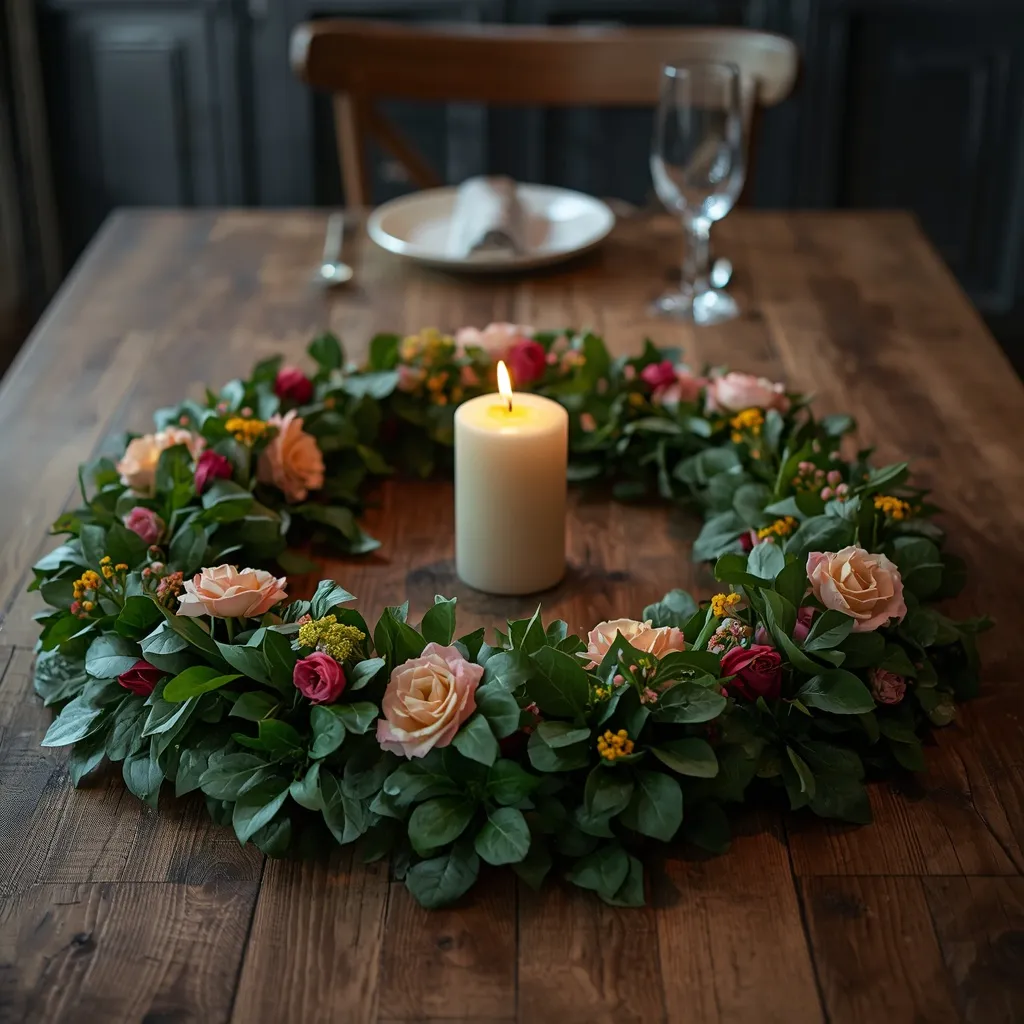
A table ring lays the arrangement flat: a circle of flowers and foliage laid directly on the table around a central candle or bowl, low and horizontal rather than upright. Communal and generous, a ring reframes what a centerpiece can be. Circular, low, and inviting.
Build the ring on a foliage base laid directly on the table, tucking flower stems into it in small water tubes so they last through a long meal. Keep the ring narrow, around 15–20 cm (6–8 in) wide, so plates and glasses still fit comfortably. Because the arrangement is horizontal, nobody’s view is blocked, which makes it genuinely practical for conversation. Keep foliage clear of any lit candle at the center, since dry foliage ignites easily. This suits dinner parties, round tables, and communal meals.
- Why it works: A horizontal ring blocks no sightlines, solving the problem tall centerpieces create.
- Best for: Dinner parties; round tables; conversation-friendly settings.
- Key elements: foliage base laid flat, flowers in water tubes, 15–20 cm ring width, foliage clear of candles.
10. Suspended Hanging Installation
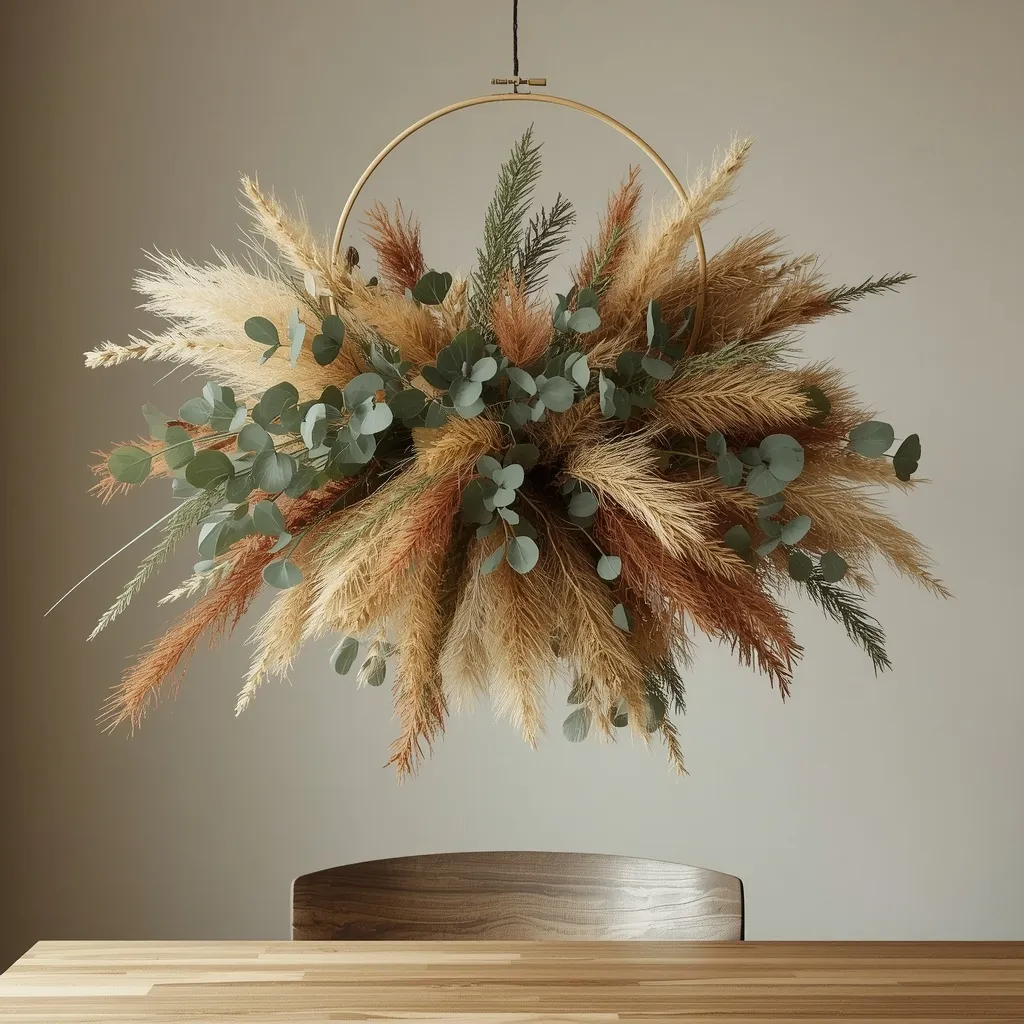
A suspended arrangement hangs overhead: flowers and foliage fixed to a hoop or branch and hung above a table, so the display floats rather than sits. Theatrical and space-saving, hanging installations free the table entirely. Airy, dramatic, and unexpected.
Build on a lightweight frame , an embroidery hoop, a wire ring, or a light branch , and keep the whole thing under a couple of kilograms, fixing it to a ceiling hook rated for the load rather than a picture hook. Use hardy foliage like eucalyptus and dried elements as the backbone, since hanging flowers have no water source and wilt within hours, then add fresh stems in water tubes only if needed for a short event. Hang at least 75 cm (30 in) above the table so people can see across. This suits weddings, small tables, and dramatic occasions.
- Why it works: A foliage and dried backbone survives without water, where hanging fresh flowers wilt within hours.
- Best for: Weddings and events; small tables; dramatic one-off styling.
- Key elements: lightweight hoop or branch frame, rated ceiling fixing, eucalyptus and dried backbone, 75 cm clearance above the table.
11. Kokedama Moss Ball
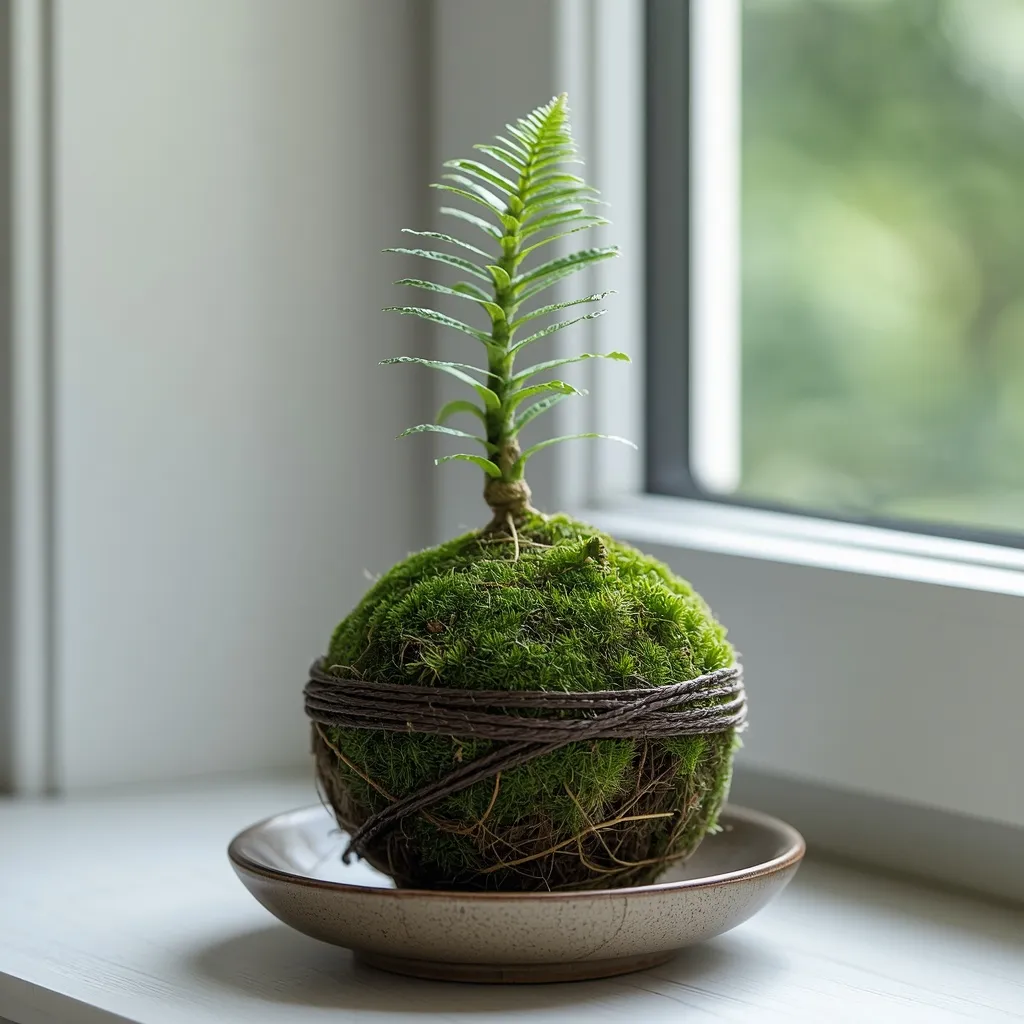
A kokedama suspends a plant in a ball of moss-wrapped soil: roots bound in moss and twine, hung or set on a dish, with foliage or flowers rising from a living sphere. Sculptural and Japanese-influenced, kokedama is an arrangement you keep. Green, tactile, and unusual.
Wrap the root ball in a mix of soil and moss, bind firmly with twine, and water by submerging the whole ball in water for about ten minutes when it feels light, roughly weekly. Weight is the reliable indicator , a kokedama that feels light needs water, one that feels heavy doesn’t, which is far more accurate than a schedule. Choose ferns, small foliage plants, or compact flowering plants rather than anything that grows large. Set on a dish or hang where drips won’t damage furniture. This suits plant lovers, small spaces, and long-term display.
- Why it works: Judging watering by weight rather than schedule is what keeps a kokedama alive long term.
- Best for: Plant lovers; small spaces; living long-term arrangements.
- Key elements: moss and soil ball bound with twine, weekly 10-minute soak, weight as the water indicator, ferns or compact plants.
12. Test Tube Stem Row
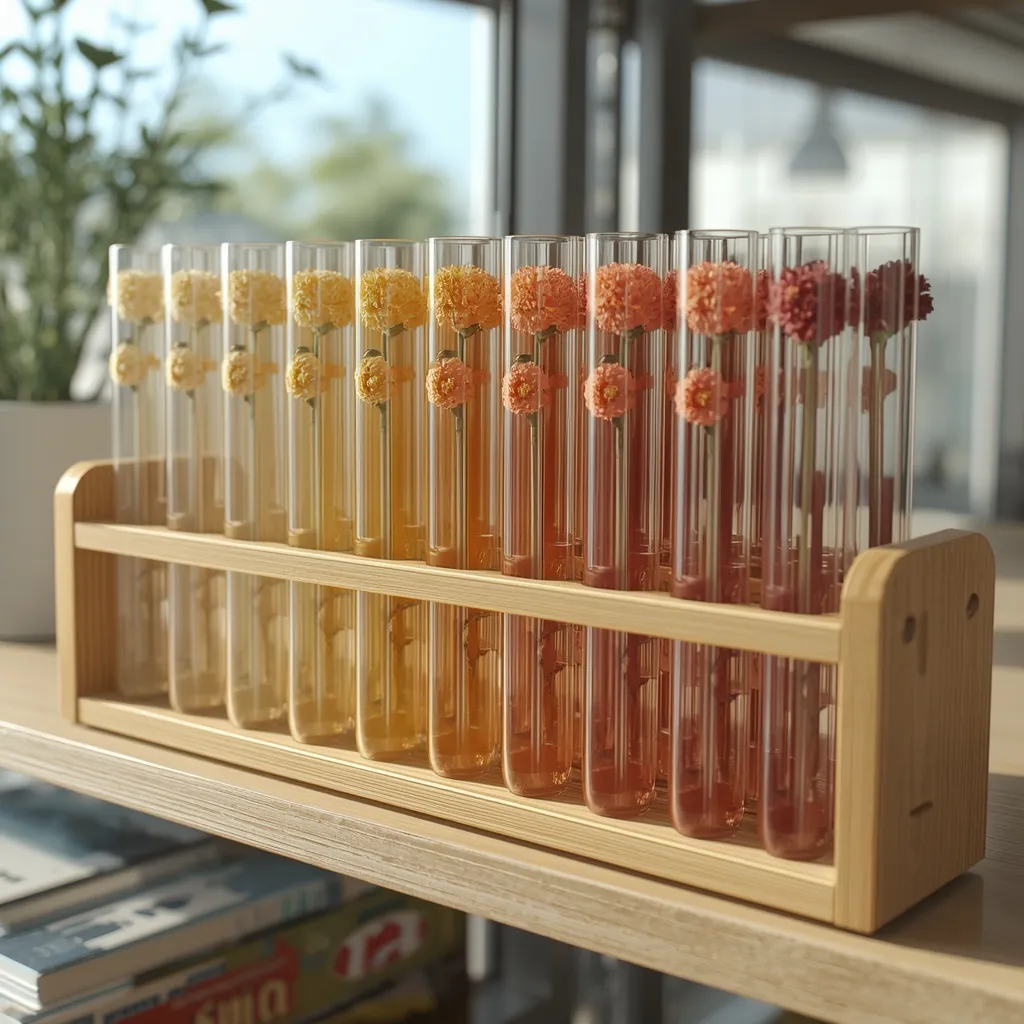
A row of glass test tubes in a wooden or metal rack holds one stem each: a repeating line of single flowers, laboratory-precise and unmistakably modern. Graphic and rhythmic, repetition does the design work here. Linear, clean, and contemporary.
Use identical tubes and either one flower type repeated for rhythm, or a graduated color run from pale to deep along the row , mixing unrelated flowers destroys the repetition that makes this work. Vary stem heights slightly so the line has movement rather than reading as flat. Small water volumes warm and cloud quickly, so change the water every two days. Racks are easy to knock over, so site them where they won’t be caught by a sleeve. This suits modern interiors, narrow shelves, and single-stem harvests.
- Why it works: Repetition of one flower type is the entire effect; mixed flowers collapse it into an ordinary display.
- Best for: Modern interiors; narrow shelves and windowsills; small harvests.
- Key elements: identical tubes in a rack, one flower type or graduated color, slight height variation, water changed every 2 days.
13. Monochrome Tonal Study
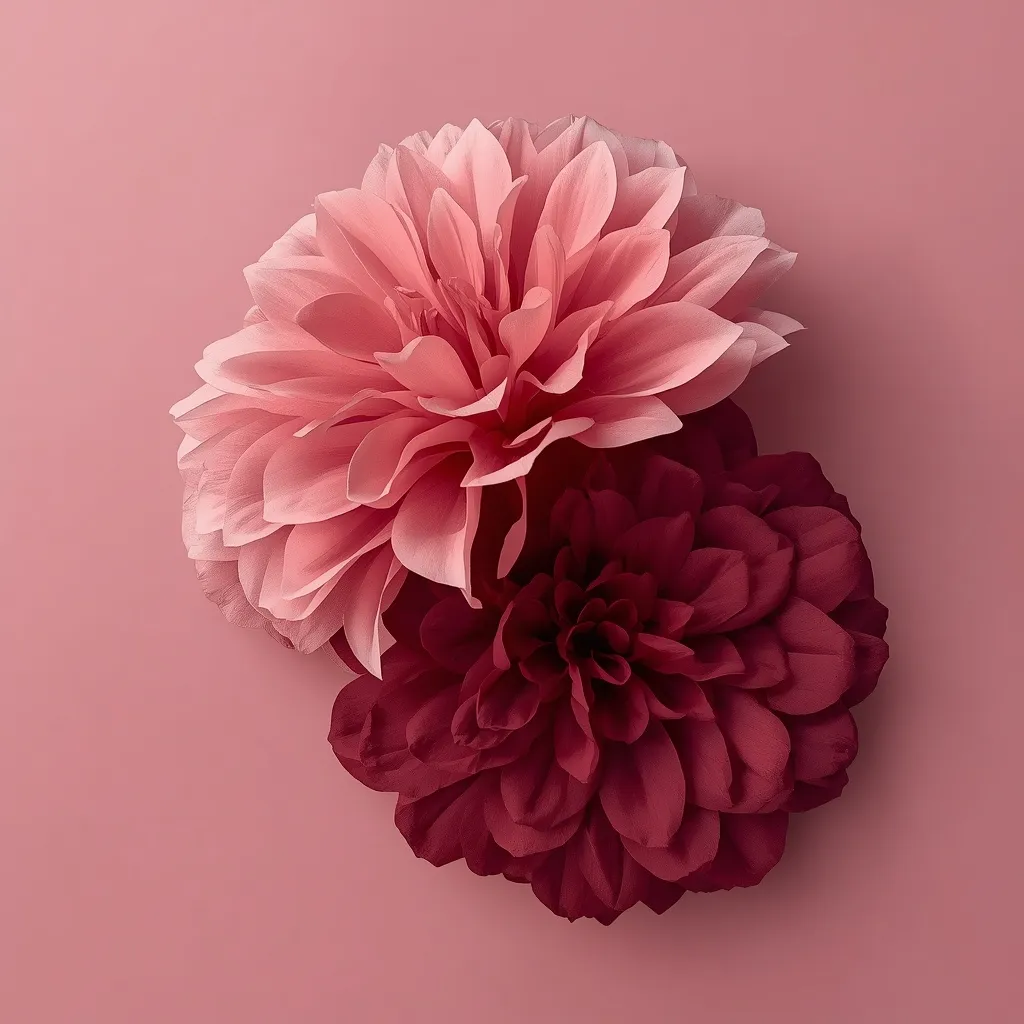
A tonal arrangement uses one color at many depths: blush through dusty pink to deep burgundy, or pale cream to ochre, with texture rather than contrast carrying the composition. Sophisticated and painterly, tonal work reads as art. Graded, subtle, and refined.
Arrange the tones in a deliberate gradient rather than scattering them, placing deepest shades low and at the center where they read as shadow, and palest at the edges where they catch light. Use at least three distinct flower shapes so texture replaces color contrast , a round bloom, a spike, and an airy filler. The common error is treating every pink as interchangeable; sort them into warm and cool before arranging. This suits design-minded arrangers, formal rooms, and photography.
- Why it works: Placing deep tones low reads as natural shadow, which is what gives a tonal arrangement depth.
- Best for: Design-led interiors; formal rooms; photography and styling.
- Key elements: deliberate tonal gradient, deep shades low and central, three flower shapes, warm and cool tones sorted.
14. Foraged Weed Arrangement
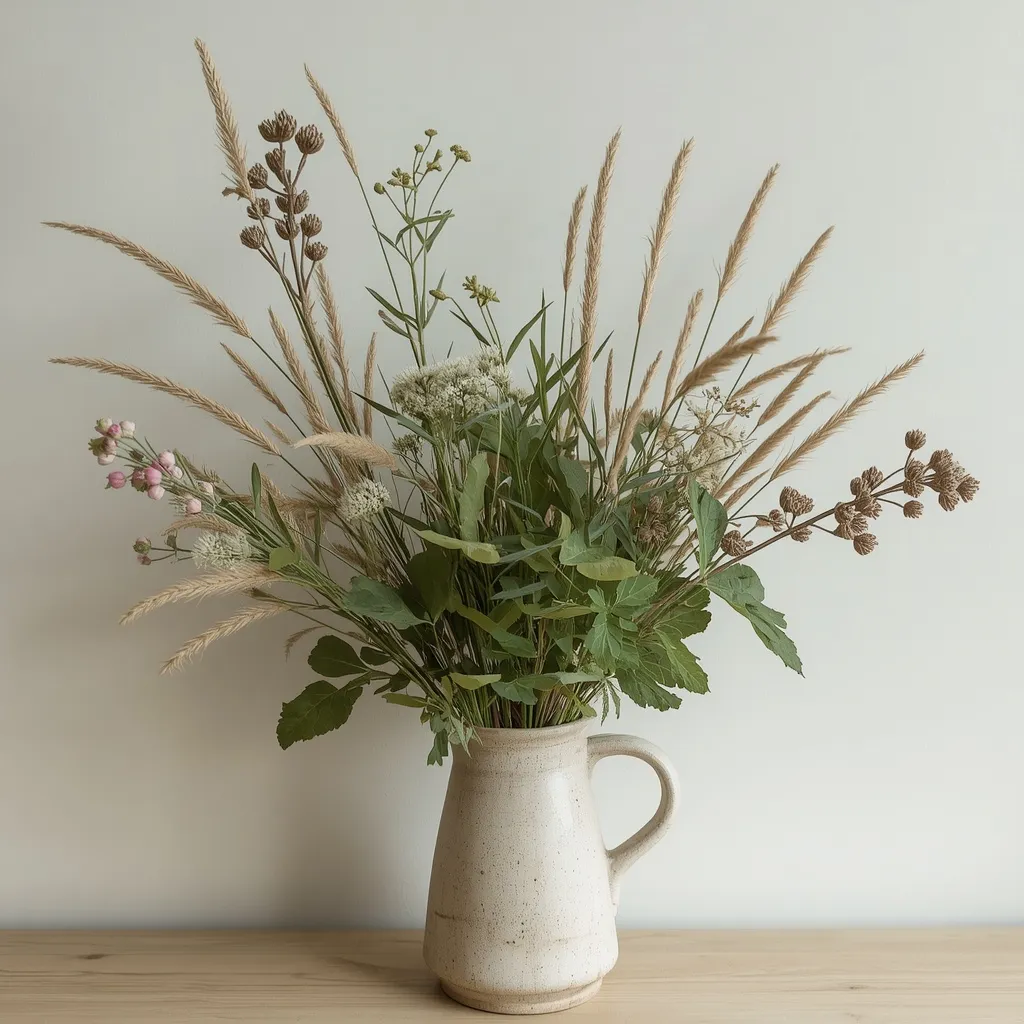
A foraged arrangement celebrates what most people pull up: cow parsley, dock seedheads, grasses, and ivy arranged with the seriousness usually reserved for roses. Unexpected and free, foraged material has a delicacy florist flowers rarely match. Wild, airy, and characterful.
Treat foraged stems exactly as you would buy flowers , recut at an angle, strip lower leaves, and condition in deep water for a few hours, since roadside material wilts fast without it. Keep the arrangement to two or three species so it reads as deliberate rather than accidental. Two cautions matter: identify everything before cutting, since hemlock and giant hogweed resemble cow parsley and giant hogweed sap causes severe burns, and forage only with the landowner’s permission, never from protected sites. This suits zero budgets, autumn styling, and confident foragers.
- Why it works: Conditioning foraged stems in deep water is what stops roadside material collapsing within hours.
- Best for: Zero-budget arranging; autumn and winter styling; confident plant identifiers.
- Key elements: 2–3 species only, stems conditioned in deep water, identification confirmed, permission obtained.
15. Keepsake Gift Bouquet
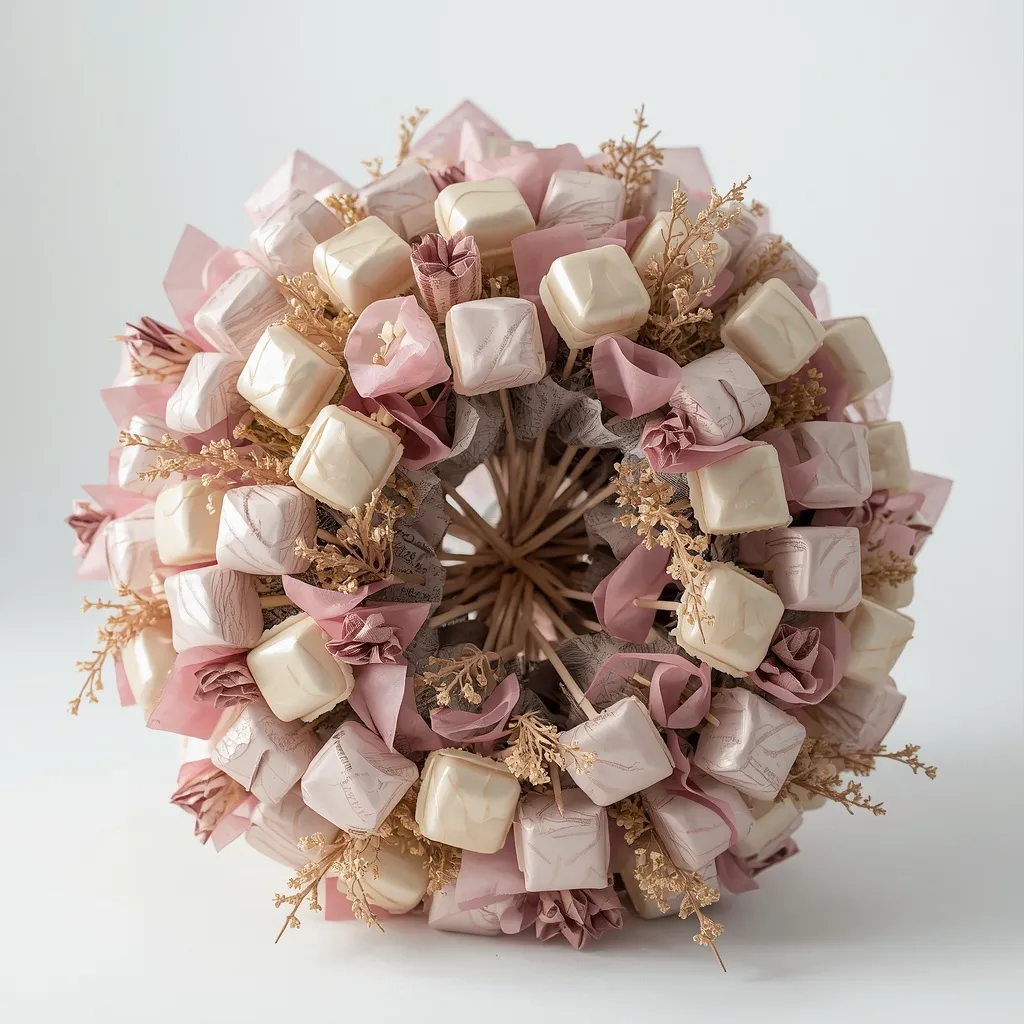
A gift bouquet built from non-floral materials borrows the shape of flowers without using any: wrapped sweets, small keepsakes, or folded paper blooms mounted on skewers and bound into a bouquet shape. Playful and personal, this arrangement lasts indefinitely. Bright, novel, and giftable.
Build it exactly like a hand-tied bouquet , items mounted on skewers or wire stems, added in a spiral at a consistent angle, then bound at a single point and trimmed level. Fill gaps with tissue, foliage, or dried elements so the shape reads as a bouquet rather than a bunch of sticks. Keep to a two-color scheme, since the novelty is doing the work already. Skewer points are sharp, so blunt or cap the ends, and keep small components away from children under three because of the choking risk. This suits birthdays, gifts, and children’s celebrations.
- Why it works: Building on a spiral at a consistent angle gives the true bouquet shape that a bundled bunch never achieves.
- Best for: Gifts and birthdays; children’s celebrations; long-lasting keepsakes.
- Key elements: items on skewer stems, spiral build, single binding point, gaps filled, sharp ends capped, small parts kept from toddlers.
16. Dried Sculptural Form
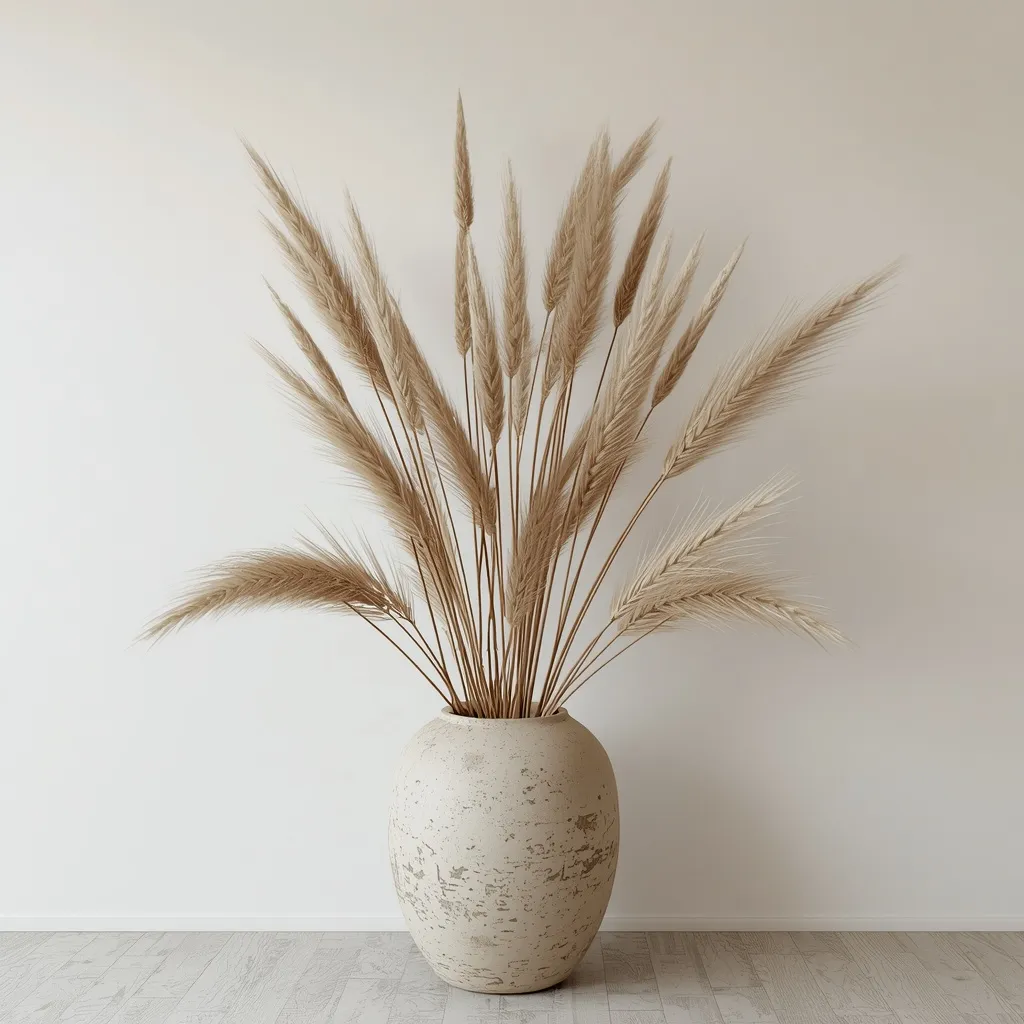
A dried arrangement is built for permanence: bleached grasses, seedheads, palm spears, and preserved stems in a heavy vessel, all texture and silhouette with no color at all. Architectural and lasting, dried work holds for years. Neutral, structural, and quiet.
Build from silhouette rather than mass, letting individual stems separate against the wall behind so each shape stays legible , dried material crammed together loses the very quality that makes it worth using. Use a heavy vessel, since dried stems are light and top-heavy arrangements tip. Dried material is highly flammable, so keep it well away from candles, heaters, and open flames. Dust with a hairdryer on cool setting every few weeks. Expect color to fade in direct sun over several months. This suits low-maintenance homes, winter styling, and allergy sufferers avoiding pollen.
- Why it works: Separating stems so each silhouette reads against the wall is what makes dried work sculptural.
- Best for: Low-maintenance homes; winter and year-round display; pollen-free arranging.
- Key elements: silhouettes separated not massed, heavy vessel, kept from flames and heaters, cool-air dusting, out of direct sun.
17. The Unconventional Vessel Method
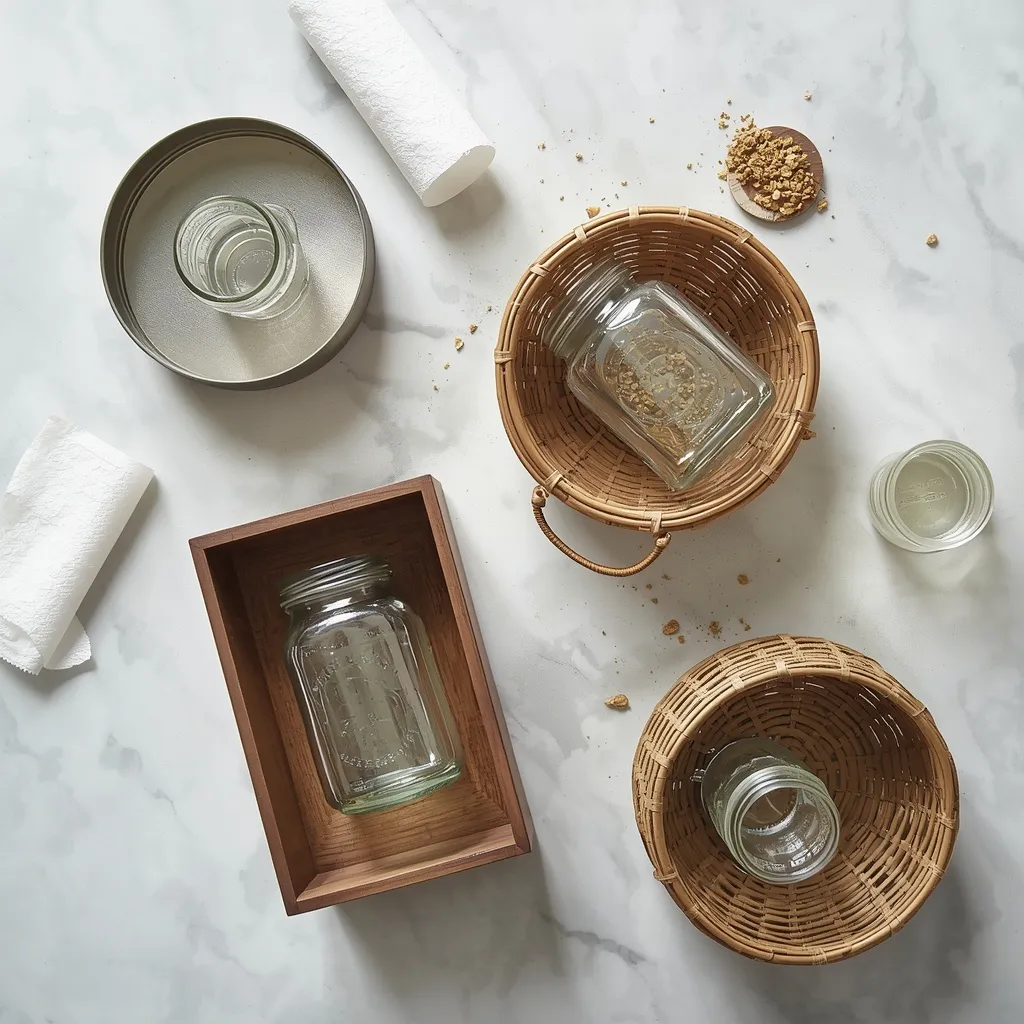
Turning any object into a vessel comes down to one question and one solution: does it hold water, and if not, what goes inside it? Methodical and quietly essential, this approach unlocks every container in your house. Practical, adaptable, and freeing.
Work through it in order. Test the vessel by filling it with water and standing it on paper towel for an hour , hairline cracks and porous ceramics reveal themselves fast. If it leaks, or if it’s wood, basketry, metal, paper, or fabric, hide a waterproof liner inside: a jam jar, a plastic cup, or a florist’s bucket cut to height. Untreated wood and basketry wick water outward and will mark furniture permanently, so those always need a liner plus a coaster. Metal can react with water over time and rust from the inside. Choose a liner slightly shorter than the vessel so it stays invisible, and scale the arrangement to roughly one and a half times the vessel height. Clean liners between uses, since bacteria are what shorten vase life. This suits every unconventional arrangement here.
- Why it works: A liner slightly shorter than the vessel stays invisible while making any object watertight.
- Best for: Every unconventional vessel; thrifted and improvised containers.
- Key elements: hour-long leak test on paper towel, hidden jar or cup liner, coaster under wood and basketry, liner shorter than vessel, cleaned between uses.
How Do You Make a Unique Flower Arrangement?
Make a unique flower arrangement by changing one element and keeping everything else restrained. Choose a single unexpected feature , an unusual vessel, a non-floral material, or a tightly limited palette , then simplify around it. Use odd numbers of stems at three clear heights, leave genuine empty space rather than filling every gap, and hide a waterproof liner inside any vessel that isn’t watertight. Arrangements read as chaotic when the vessel, the materials, and the colors are all unusual at once.
Finding the beautiful in ordinary materials runs through the whole Sunday Abode approach. If you’d rather grow your own material than buy it, our guide to planning a bed layout covers where a cutting patch fits. For more inspiration, browse the rest of our flower garden ideas.
Which Household Objects Work as Vases?
Almost any object can hold flowers, but most need a hidden liner. Use this before committing an arrangement to something that will leak onto furniture.
| Vessel type | Watertight? | Liner needed | Notes |
| Glazed ceramic, glass | Usually yes | No | Check vintage pieces for hairline cracks |
| Metal tins, urns | Often yes | Recommended | Can rust and react with water over time |
| Unglazed terracotta | No; porous | Yes | Seeps slowly and marks surfaces |
| Wood, bark, crates | No | Yes, plus coaster | Wicks water outward; stains furniture |
| Baskets, woven fiber | No | Yes, plus coaster | Absorbs and drips from the base |
| Books, paper, card | No | Sealed liner only | Water destroys paper irreversibly |
| Hollowed fruit | Briefly | Yes | Flesh breaks down in 1–3 days |
Safety notes: identify every foraged plant with certainty before cutting, since several common wild umbellifers are dangerous , giant hogweed sap causes severe skin burns that blister in sunlight, and hemlock is highly toxic and resembles cow parsley. Forage only with the landowner’s permission and never from protected sites. True lilies, including Lilium and daylilies, are highly toxic to cats, and pollen and vase water are both dangerous, so leave them out of arrangements in homes with cats; consult the ASPCA plant list when unsure about other species. Euphorbia and some succulents have irritant sap that harms skin and eyes, so wear gloves and avoid touching your face. Dried and preserved material is highly flammable , keep it well away from candles, heaters, and open flames, and never leave a lit candle unattended near a foliage ring or garland. Cap or blunt skewer points in gift bouquets, and keep small decorative components away from children under three because of the choking hazard. Fix hanging installations to ceiling fixings rated well above the arrangement’s weight, and use a stable step ladder rather than furniture when hanging them. Cut fruit vessels attract insects and soften within days, so build them the day they’re needed. Consider skipping floral foam, which is a single-use plastic that does not biodegrade , pin frogs and chicken wire do the same job.
Frequently Asked Questions
What makes a flower arrangement look unique rather than messy?
Change one element and keep everything else restrained. An arrangement reads as designed when a single feature is unexpected , the vessel, the material, or the palette , while the rest stays simple. Unusual vessels plus unusual materials plus clashing colors all at once produces visual noise. Odd numbers of stems at three clear heights also help a minimal arrangement read as deliberate.
What can I use instead of a vase?
Almost anything, provided you solve the water problem. Glazed ceramic and glass are usually watertight as they are, while metal tins, terracotta, wood, baskets, books, and hollowed fruit all need a hidden liner such as a jam jar or plastic cup. Wood and basketry also wick water outward and will mark furniture, so those need a coaster underneath as well as a liner.
How do I make a modern minimalist arrangement?
Use three stems at three clearly different heights in a shallow dish with a pin frog, strip nearly all the foliage, and turn each stem so its natural curve faces you. The empty space between stems is the design rather than a gap to fill. Most minimal arrangements fail because the arranger keeps adding stems until it becomes an ordinary bunch.
Do submerged flower arrangements last?
Not long. Water clouds within roughly two to four days as plant material breaks down underwater, so treat submerged arrangements as event pieces rather than week-long displays. Choose waxy-petalled flowers such as orchids, anthurium, or gerbera, which hold up far better than soft-petalled roses and peonies, and use distilled water for the clearest result.
What are the longest-lasting unique arrangements?
Living and dried arrangements far outlast cut flowers. A planted succulent bowl lasts years with watering every two to three weeks, phalaenopsis orchids hold their flowers for two to three months, and kokedama lives indefinitely with a weekly soak. Dried sculptural arrangements last years, though colors fade in direct sun over several months.
Is it safe to arrange foraged plants?
Only with confident identification. Several common wild plants are genuinely dangerous , giant hogweed sap causes severe burns that blister in sunlight, and hemlock is highly toxic and closely resembles cow parsley. Never cut anything you can’t identify with certainty, forage only with the landowner’s permission, and avoid protected sites entirely.
Can I make an unusual arrangement on a small budget?
Easily, since several of these designs cost almost nothing. Foraged grasses and seedheads are free, a single-bloom statement needs one stem, and the vessel can be anything from your kitchen with a jar hidden inside. Charity shops are the best source of teapots, tins, and mismatched vintage vessels for cluster arrangements.
Conclusion
The best unique flower arrangement ideas share a discipline that isn’t obvious from the photographs: one thing is unexpected, and everything else is quiet. Choose the surprising element deliberately , a hollowed lemon, three stems and a great deal of empty space, a row of test tubes, a ball of moss , then simplify around it and hide a liner in anything that leaks. Some of these last a single evening and some last year, and both are worth making. For more inspiration, explore the flower garden ideas collection on Sunday Abode and raid your own cupboards for a vessel this week.