


Introduction
As the sun drops, a white flowers garden does something no other color can: it lights up. While pinks and reds fade into the dusk, white roses, foxgloves, and moonflowers seem to hold the last of the light, glowing softly long after the rest of the garden has gone dark. That quality is why the white garden often called a moon garden has been beloved for a century. This guide goes past the usual plant list to show you how to build a white flowers garden that shines by day and glows at night, with the right balance of green and silver so the whites never look dull. At Sunday Abode, we treat the garden as part of the home, and below you’ll find 18 white-flowering plants and ideas for sun, shade, and everything between.
How to Design a White Flowers Garden That Glows at Dusk
A white flowers garden works best when it’s planned around two ideas: evening glow and green structure. White is the only flower color that brightens as light fades, so the payoff comes at dusk plant it where you sit on summer evenings.
The most common mistake is planting nothing but white, which quickly reads as flat and even dingy up close. The fix is contrast. Weave in plenty of green foliage and a few silver-leaved plants (like lamb’s ear, artemisia, or dusty miller); the silver bridges the whites and makes them look crisp rather than washed-out.
Mix your whites, too. Pure bright whites, soft creams, and greenish-whites read very differently, so combine a few for depth instead of expecting one “white” to carry the bed. Fragrance is a bonus worth planning for, since many white flowers are night-scented to attract moths.
The table below shows how the ideas in this article carry color and glow through the seasons:
| Bloom season | White flowers to plant | Best for |
| Early spring | White tulips, daffodils, candytuft | First light after winter |
| Late spring | Peonies, bleeding heart, foxgloves | The main show |
| Summer | Roses, Shasta daisies, coneflowers, cosmos | Long, reliable color |
| Summer evenings | Moonflower, nicotiana, star jasmine | Night glow and fragrance |
For more layout help, our garden design guides cover spacing and structure the 18 ideas below give you the plants to fill it.
18 White Flowers and Ideas for a Luminous Garden
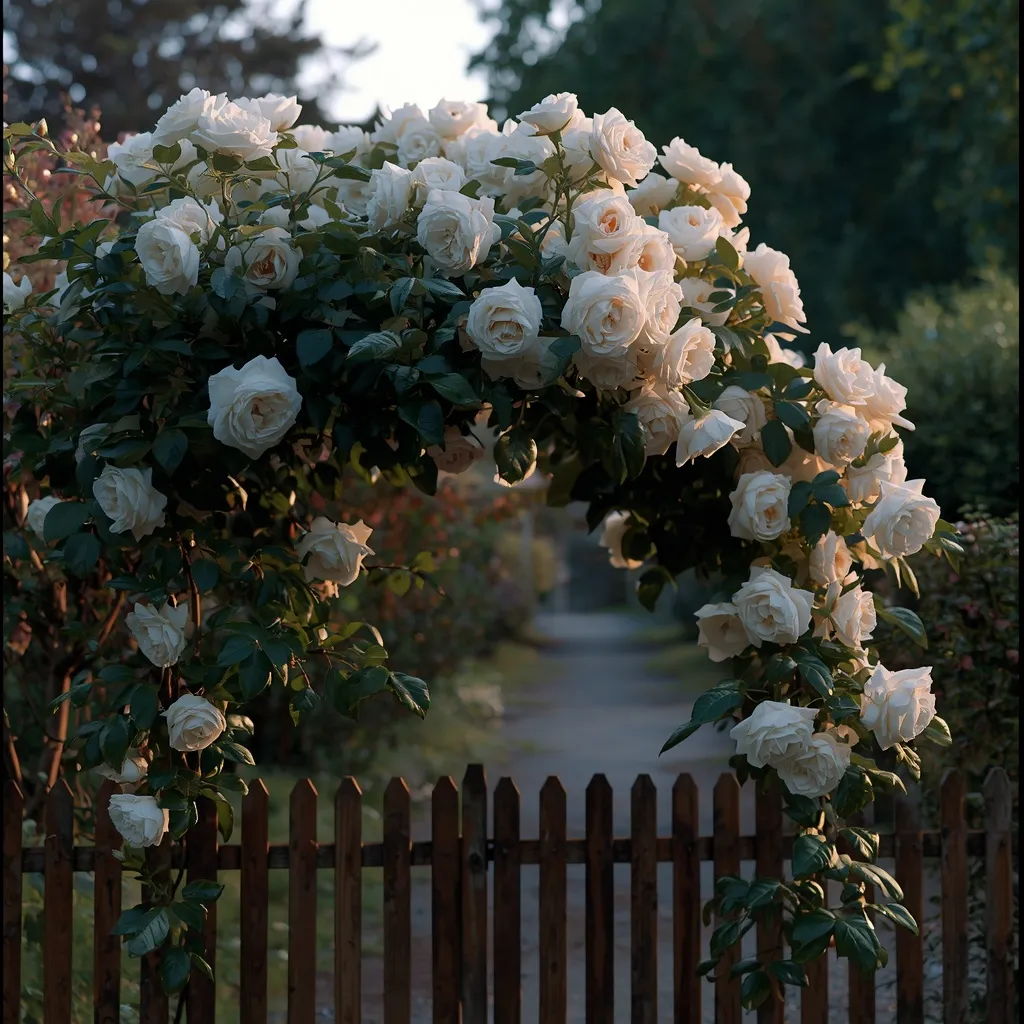
1. White Garden Roses
Nothing anchors a white flowers garden like a clean, repeat-blooming white rose. Picture ‘Iceberg’ covered in pure-white clusters from June to frost, or the cupped, old-fashioned blooms of ‘Winchester Cathedral’ catching the last evening light beside a path.
For beginners, choose a modern shrub or floribunda rose over a fussy hybrid tea they resist disease and bloom in flushes with far less care. Plant in full sun (6+ hours) in rich, well-drained soil, and water at the base to keep the leaves dry and discourage black spot, which shows up faster on white varieties. Deadhead every week or two through summer to keep new flushes coming. In cold regions, mulch over the graft union before winter.
- Why it works: long bloom season and structure that glows at dusk.
- Best for: sunny borders and evening seating areas.
- Problem it solves: a white bed that looks sparse between other plants’ short bloom windows
2. White Peonies
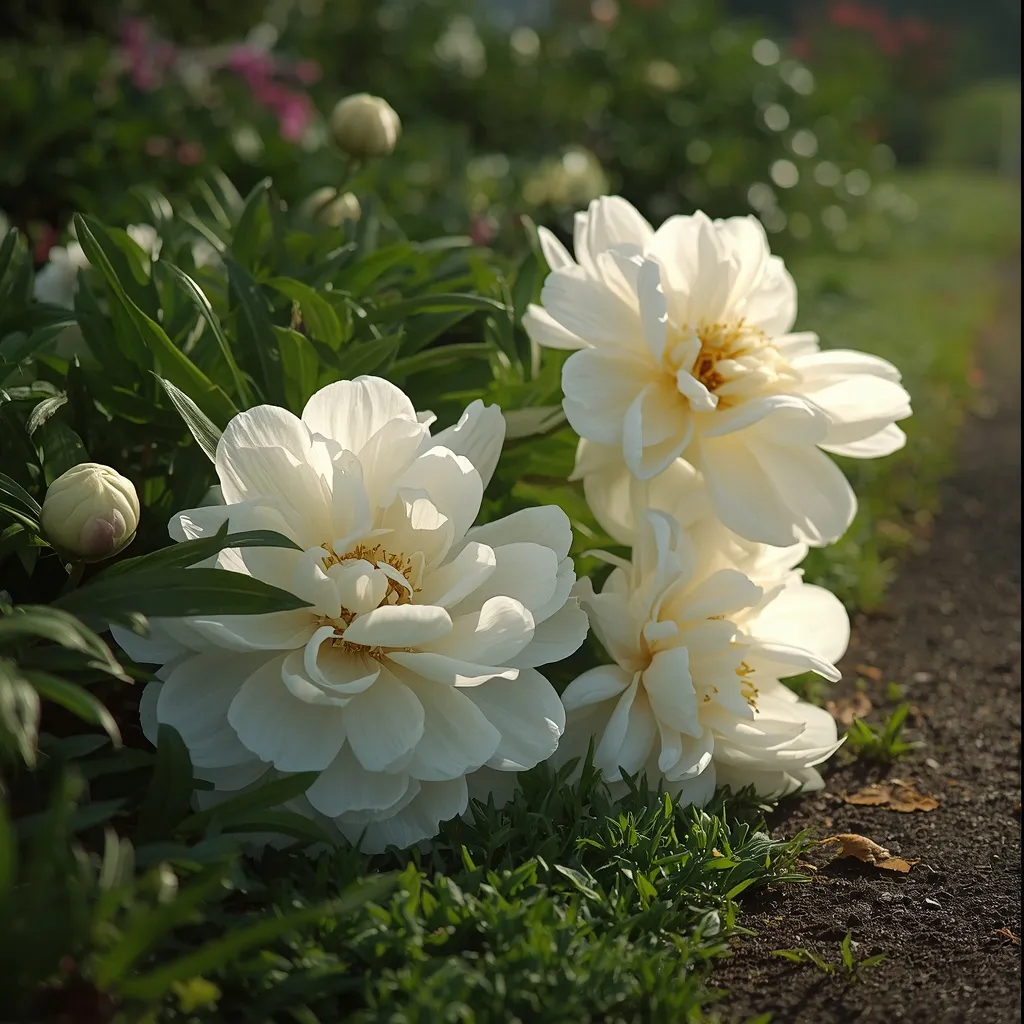
White peonies give the most flower for the least effort of almost anything white you can plant. In late spring, ‘Duchesse de Nemours’ opens into fragrant, blush-to-pure-white blooms the size of a dinner plate, returning larger every year for decades.
Plant the tubers in autumn with the pink “eyes” just 3–5 cm (1–2 in) below the surface planting too deep is the top reason peonies grow leaves but never flower. Give them full sun and room to breathe, and support the heavy double blooms with a grow-through ring before a rainstorm flattens them. Once settled, leave them be; peonies dislike being moved.
- Why it works: decades of fragrant, luminous white blooms from one planting.
- Best for: patient gardeners and cottage-style borders.
- Common mistake: burying the tubers too deep and getting all leaves, no flowers.
3. White Hydrangeas
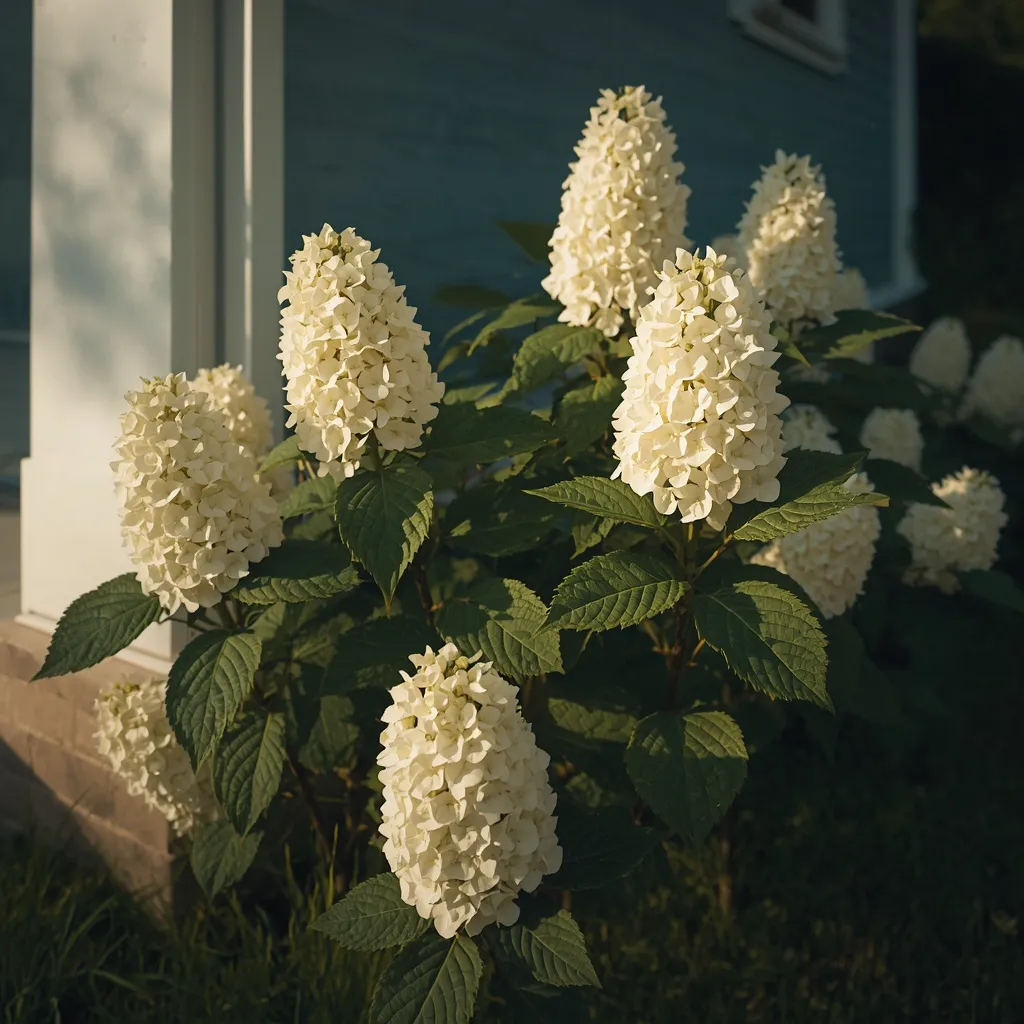
White hydrangeas are the workhorse of a luminous garden, and unlike pink and blue types, their color doesn’t shift with soil pH white stays white. A panicle hydrangea like ‘Limelight’ opens lime-green, matures to creamy white, and lights up a border from mid-summer into autumn.
Panicle and smooth types (such as the reliable ‘Annabelle’, with its huge white globes) are the easiest, tolerating more sun and cold than bigleaf hydrangeas. Give them morning sun with some afternoon shade in hot climates, keep the soil evenly moist, and prune panicle types in late winter for bigger blooms. The aging flowers dry to soft parchment tones worth leaving on the plant.
- Why it works: big, long-lasting blooms in dependable white, no soil fuss.
- Best for: foundation plantings and part-shade beds along the house.
- Smart tip: choose panicle or smooth types for the most forgiving white hydrangeas.
4. Shasta Daisies
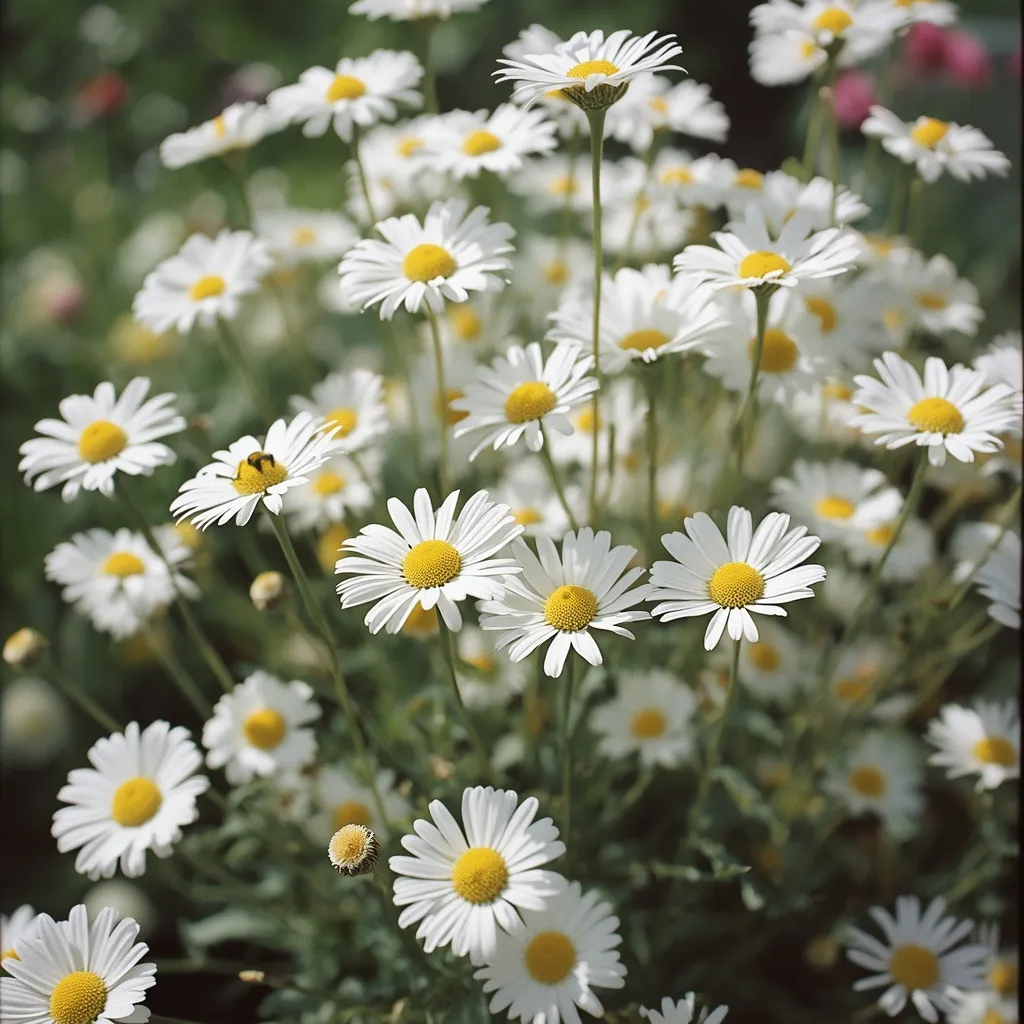
Few flowers say “cheerful white garden” like a Shasta daisy crisp white petals around a sunny yellow eye, blooming for weeks in mid-summer. A drift of ‘Becky’ stands 90 cm (3 ft) tall and holds up straight through summer storms that flatten flimsier daisies.
Plant them in full sun in average, well-drained soil; they’re hardy, drought-tolerant perennials once established and multiply into bigger clumps each year. Deadhead spent flowers to keep the display going into late summer, and divide congested clumps every two to three years to keep them vigorous. They also make an excellent, long-lasting cut flower.
- Why it works: weeks of tough, reliable white bloom with almost no care.
- Best for: low-maintenance beds, cutting gardens, and beginners.
- Smart tip: pick a sturdy variety like ‘Becky’ so the tall stems don’t flop.
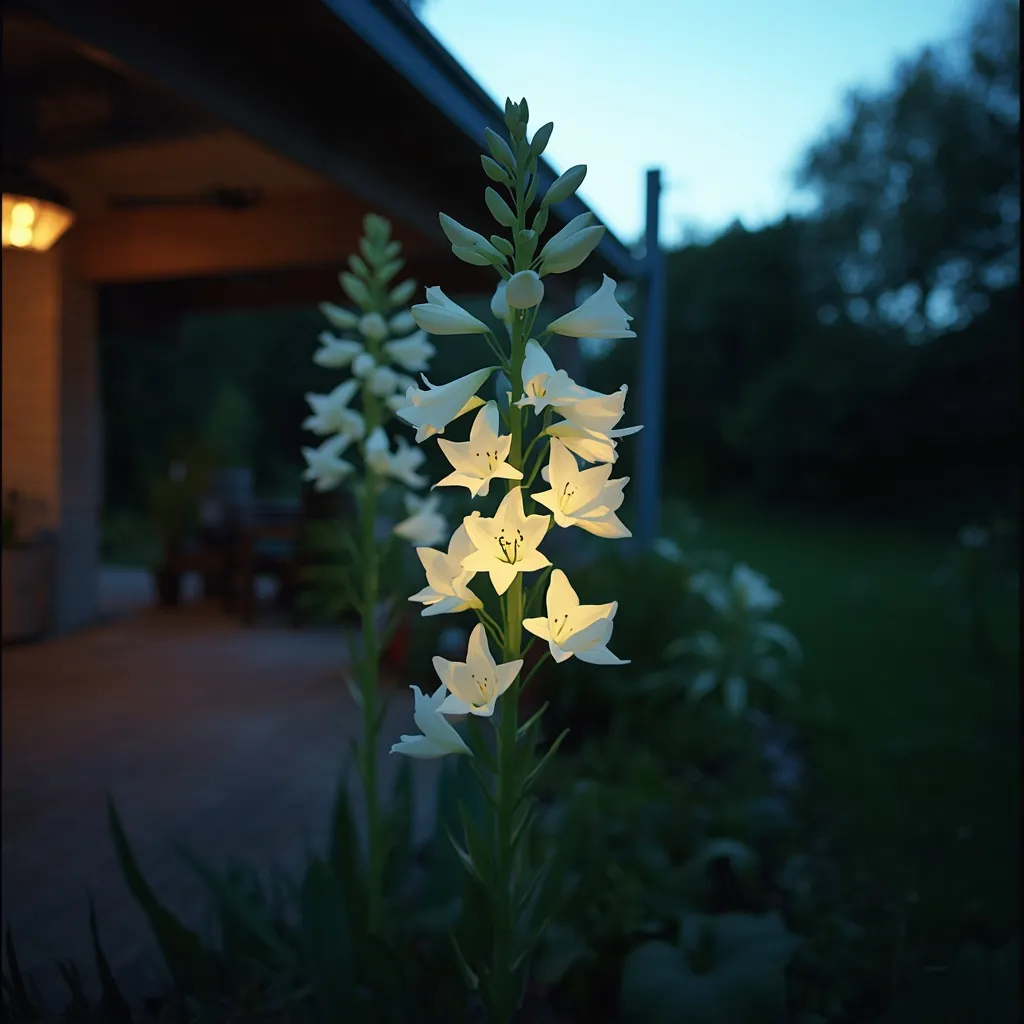
5. Fragrant White Nicotiana
Nicotiana, or flowering tobacco, is a moon-garden essential: by day the white star-shaped blooms are pretty enough, but at dusk they open fully and release a rich jasmine-like perfume. Planted near a patio, Nicotiana sylvestris sends up tall stems of drooping white trumpets that scent the whole evening.
Grow it from seed or plants in full sun to part shade in moist, fertile soil, and site it close to where you sit after dark so the night fragrance isn’t wasted. The taller species types (up to 1.5 m / 5 ft) are far more fragrant than the compact bedding hybrids, which have often had the scent bred out. Note that nicotiana is toxic if eaten, so keep it away from areas where young children or pets graze.
- Why it works: white by day, glowing and powerfully fragrant by night.
- Best for: evening seating areas and moon gardens.
- Safety note: the plant is toxic if ingested site it thoughtfully.
6. White Coneflowers
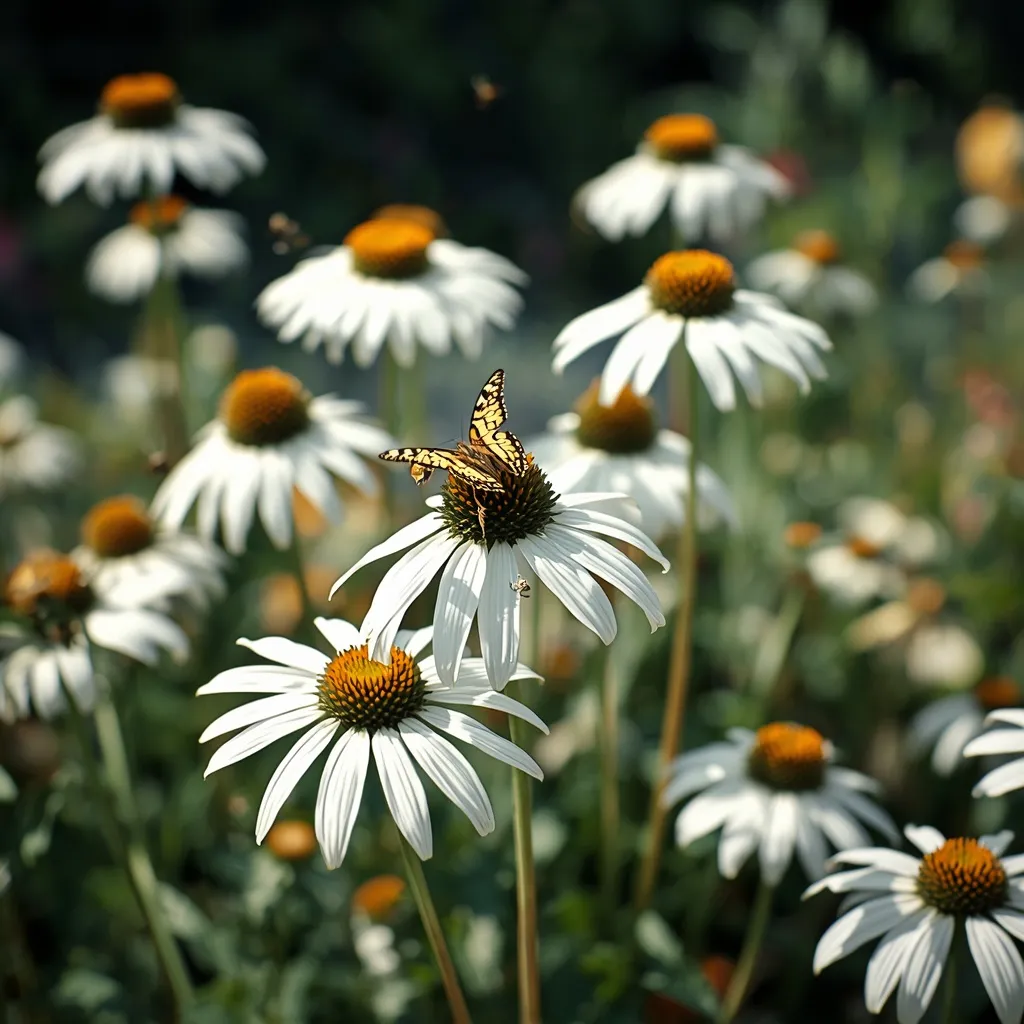
White coneflowers bring the toughness of echinacea to a pale palette, pairing clean white petals with a golden-brown central cone. A stand of ‘White Swan’ stays crisp through July heat that wilts softer flowers and hums with bees and butterflies all summer.
Plant them in full sun in average, well-drained soil; once established, they shrug off dry spells that flatten thirstier plants. Leave the seed heads standing into autumn and winter goldfinches feed on them, and the dark cones look striking against frost and beside the white blooms of late-season plants. They’re hardy perennials that slowly form larger clumps you can divide every few years.
- Why it works: drought-tolerant, pollinator-friendly, and reliably perennial.
- Best for: low-maintenance and wildlife gardens in hot, sunny spots.
- Smart tip: leave the seed heads over winter for the birds and the structure.
7. White Cosmos
For a fast, effortless white garden this summer, white cosmos are hard to beat. Sown straight into warm soil, ‘Purity’ rises into airy, waist-high clouds of pure-white daisies that sway with every breeze and self-seed for next year.
Scatter the seed directly where it will grow after the last frost; cosmos actually flower better in poorer soil, so skip the fertilizer, which just grows leaves at the expense of blooms. Cut flowers often for the vase the more you cut, the more cosmos produce, right up to frost. Give them full sun and pinch the young tips once for bushier, sturdier plants.
- Why it works: near-instant white from cheap seed, blooming until frost.
- Best for: beginners, budget gardens, and filling gaps fast.
- Common mistake: rich soil or feeding, which gives lush leaves and few flowers.

8. Moonflower Vine
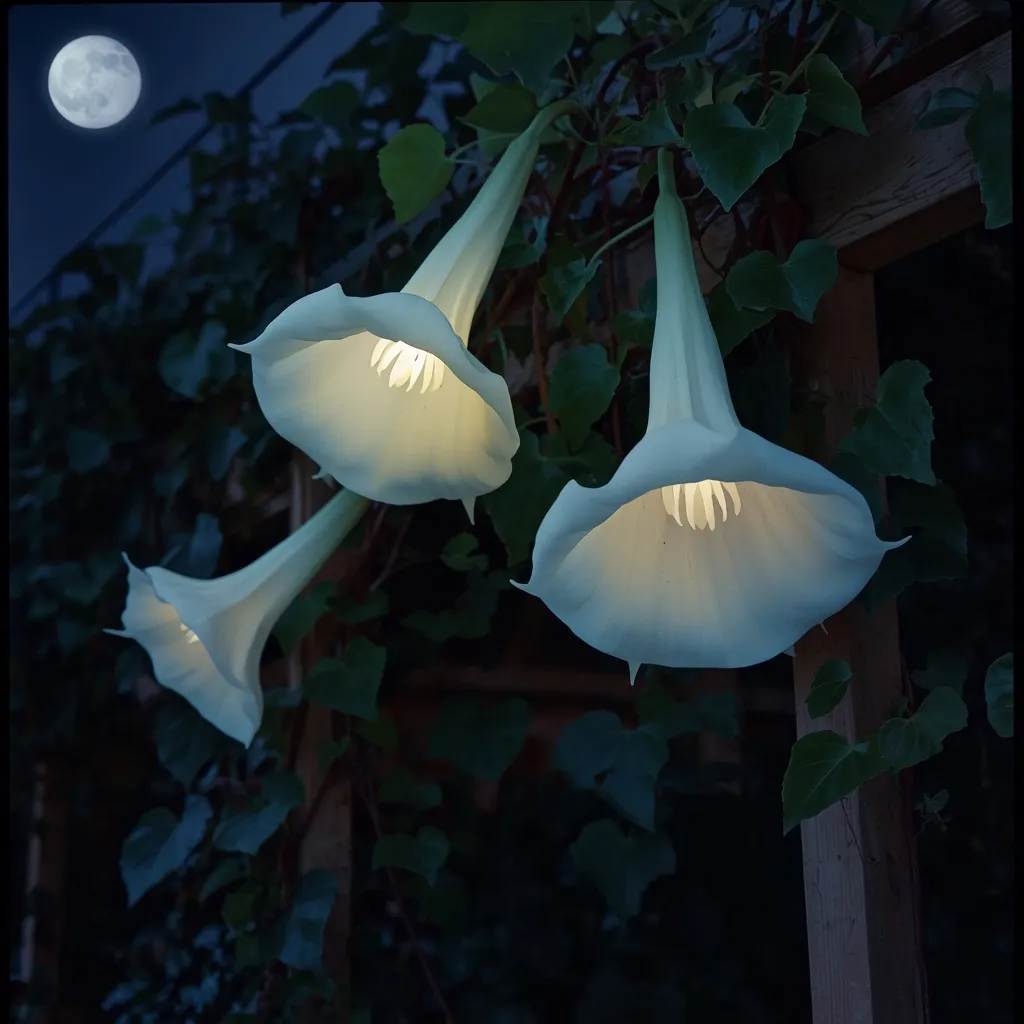
The moonflower is the star of any garden built for evenings a climbing vine whose huge white trumpets, up to 15 cm (6 in) across, unfurl at dusk and glow all night before closing by morning. Trained up a trellis by a doorway, it turns a summer night into something magical, complete with sweet fragrance.
Soak the hard seeds overnight and sow after the soil warms, in full sun with a sturdy support to climb. Moonflowers are heat-lovers that bloom from late summer into autumn, so be patient in cooler climates. Important safety note: moonflower (Ipomoea) seeds are toxic if eaten, so keep them away from children and pets, and don’t confuse this plant with the also-toxic Datura, which shares the “moonflower” nickname.
- Why it works: dramatic, fragrant white blooms that glow after dark.
- Best for: trellises, arches, and moon gardens.
- Safety note: the seeds are toxic plant with care around kids and pets.
9. White Astilbe for Shade
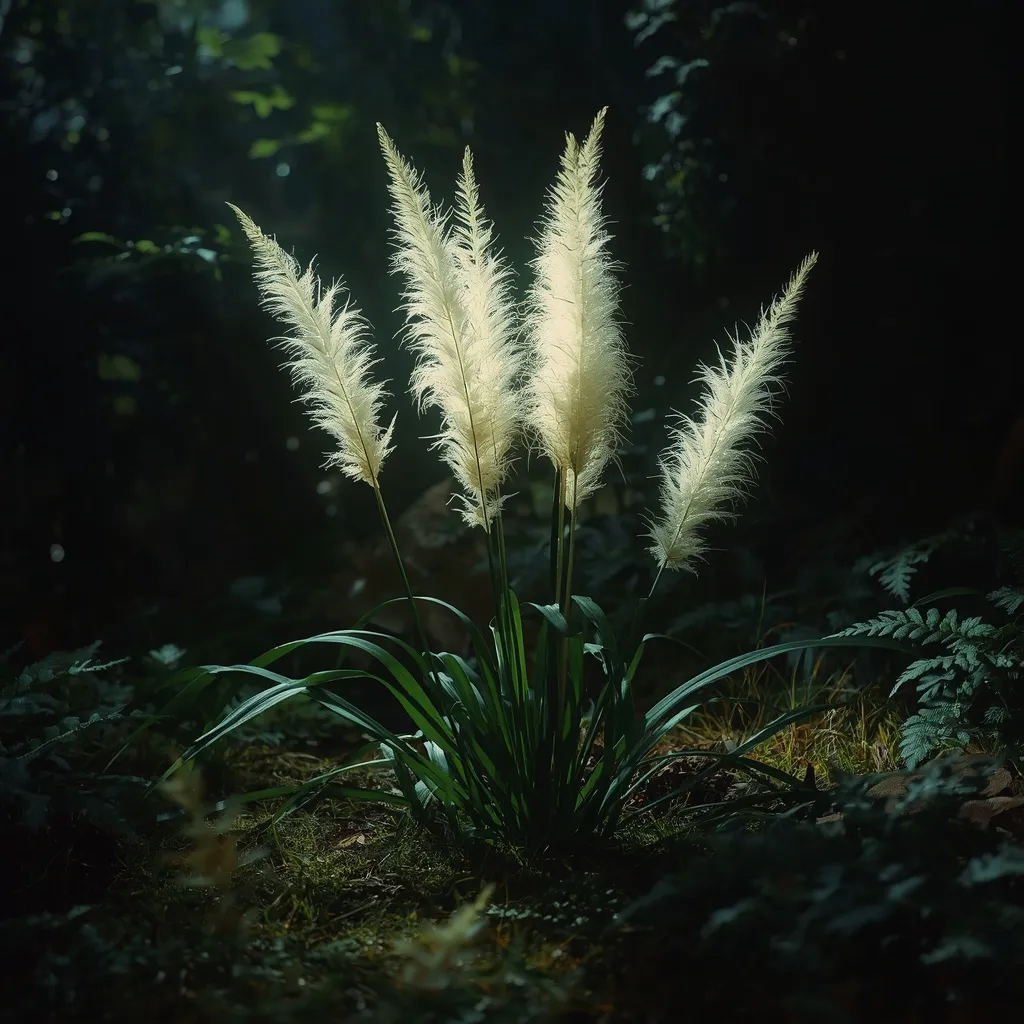
White astilbe solves the hardest problem in a white garden: what glows in the shade. Its feathery cream-white plumes light up damp, dim corners where roses and daisies would sulk, and they practically shine at dusk under a tree canopy.
Plant astilbe in part to full shade in soil that stays reliably moist dry soil is the one thing it won’t forgive, and crispy brown plume tips are the sign it needs more water. A variety like ‘Deutschland’ blooms early summer, and the dried plumes hold their shape into autumn. Combine it with hostas and the white bleeding heart below for a full luminous shade border.
- Why it works: genuine white glow in shade, where options are scarce.
- Best for: north-facing beds, woodland edges, and damp corners.
- Common mistake: letting the soil dry out, which scorches the plumes.
10. Snowy Candytuft Edging
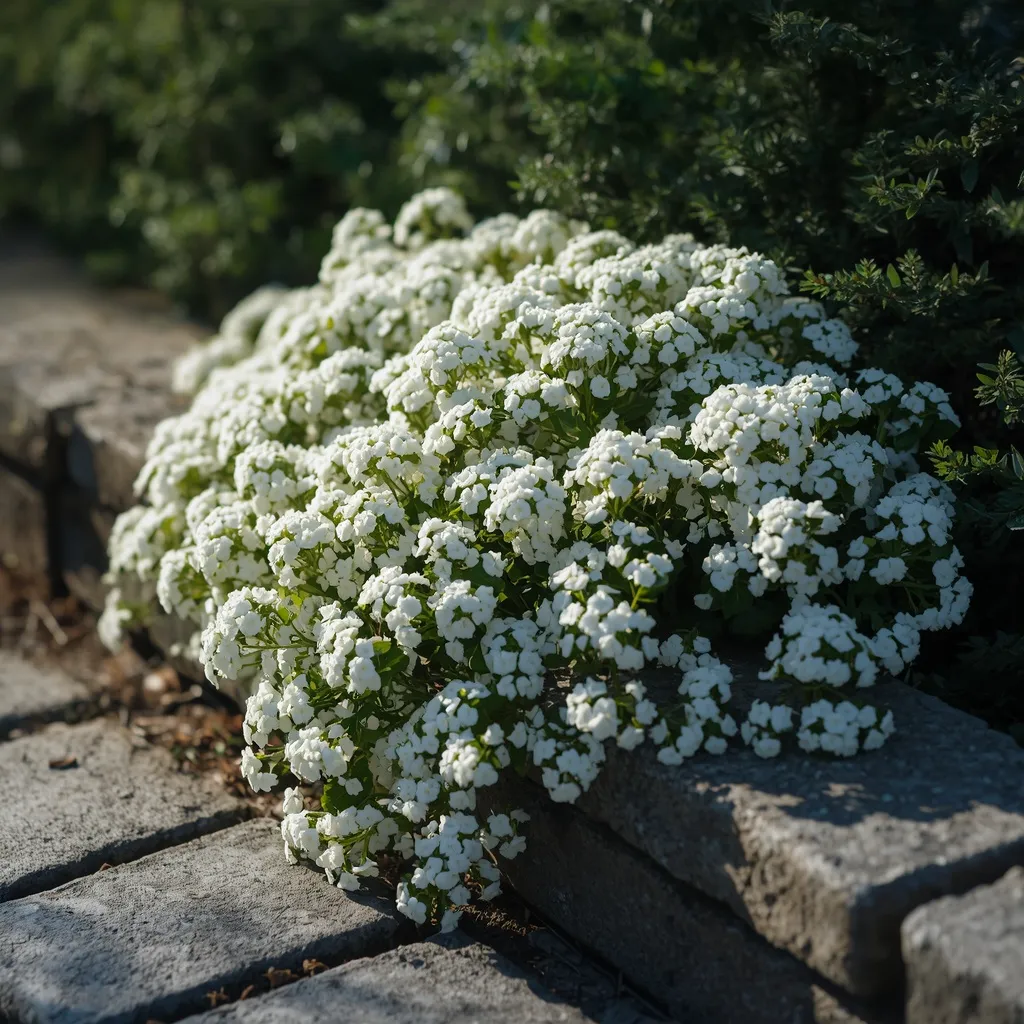
Candytuft carpets the front of a bed with dense, snow-white flower clusters in mid to late spring, spilling neatly over path edges and walls. A ribbon of Iberis sempervirens in full bloom looks like a fresh snowfall along the border’s edge.
Give it full sun and sharp drainage; as an evergreen sub-shrub, it holds its dark foliage year-round and dislikes wet feet. Shear the whole plant back by about a third right after flowering to keep it compact and encourage denser growth next spring. Staying under 30 cm (12 in) tall, it’s ideal for edging, rock gardens, and tumbling from raised beds or containers.
- Why it works: a crisp, snowy white edge that returns every spring.
- Best for: path edges, rock gardens, and containers in full sun.
- Smart tip: shear after flowering to keep the cushion tidy and full.
11. White Tulips and Daffodils
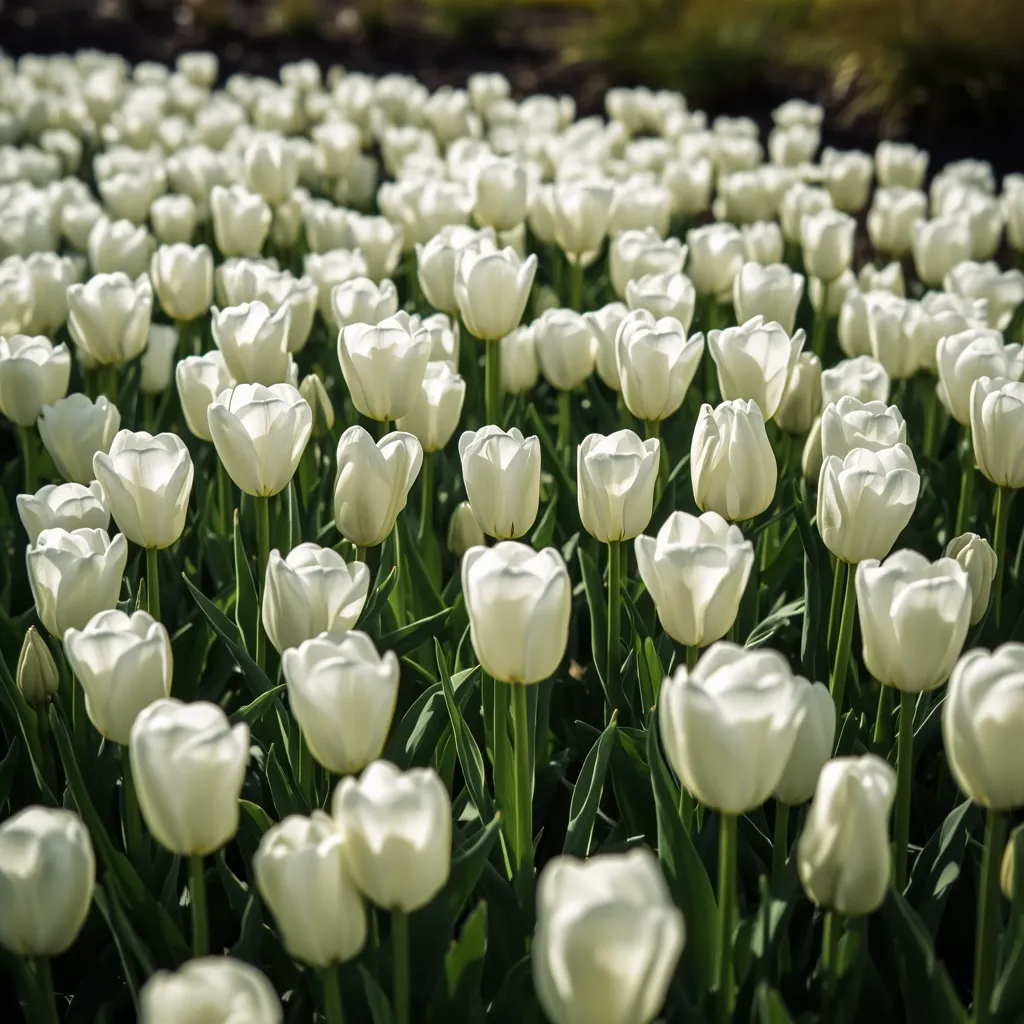
White bulbs are how a white garden wakes up, pushing color through bare spring soil before almost anything else. Planted in generous drifts, ‘White Triumphator’ tulips (elegant lily-flowered) and pure-white ‘Thalia’ daffodils turn a dormant bed into a bright spring event.
Plant bulbs in autumn, roughly three times as deep as the bulb is tall, in full sun and well-drained soil soggy ground rots them. Group them in tight clusters of 25 or more rather than lonely lines for real impact. Daffodils reliably return and multiply for years, while tulips often weaken after year one, so many gardeners treat tulips as annuals and replant fresh bulbs each autumn, especially in warm-winter regions.
- Why it works: bright, early white that bridges winter and the spring border.
- Best for: front-of-house beds craving color after winter.
- Smart tip: plant daffodils for permanence, tulips for a bolder one-season show.
12. White Bleeding Heart
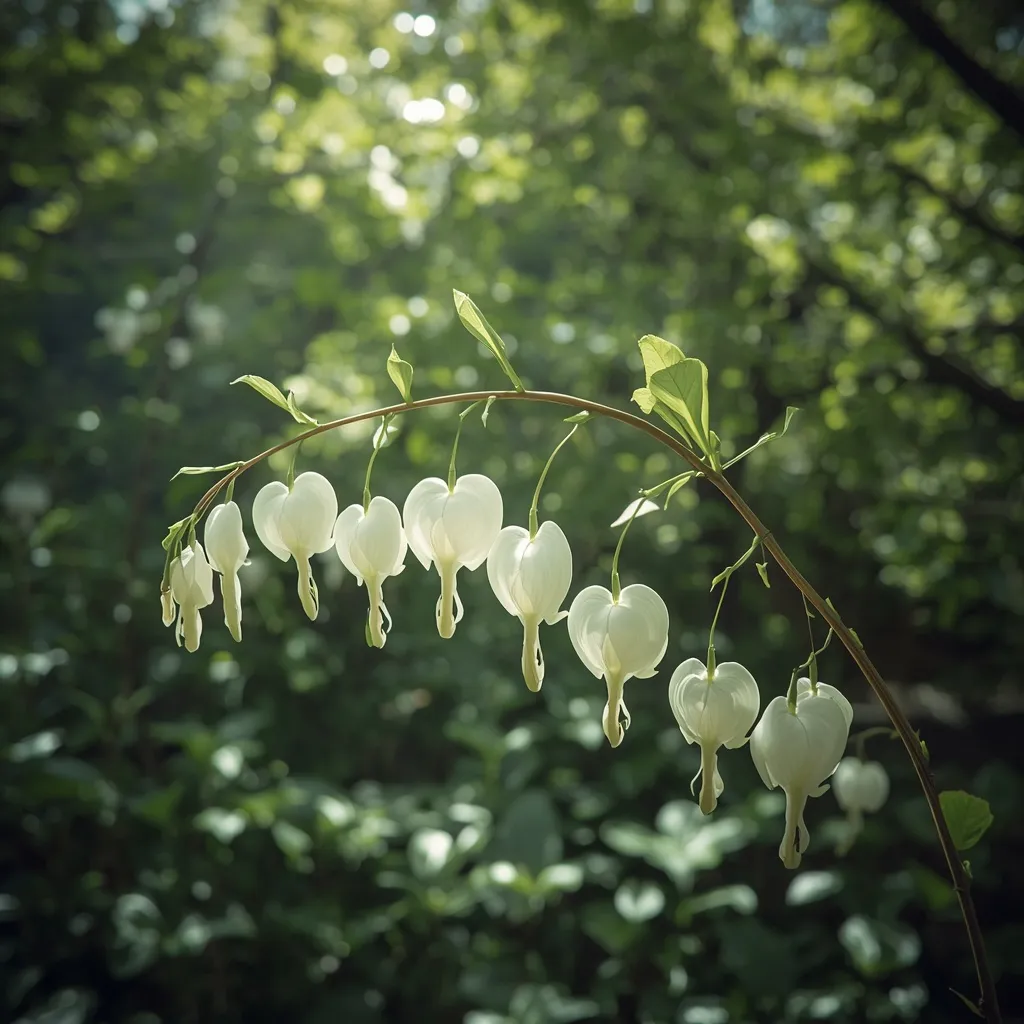
White bleeding heart brings quiet elegance to a shaded white garden arching stems hung with rows of pure-white heart-shaped lockets. The variety ‘Alba’ tucked under a tree or beside a shaded bench looks almost luminous against the dark green foliage.
Plant it in dappled to full shade in moist, humus-rich soil, where it flowers from mid-spring into early summer. Expect the classic type to die back and vanish by mid-summer once the heat arrives this is normal dormancy, not death, so mark the spot and pair it with astilbe or ferns to fill the gap it leaves behind. It’s a perfect partner for a woodland-edge white border.
- Why it works: an unmistakable, sentimental white bloom for shade.
- Best for: woodland gardens and shady spots needing early color.
- Common mistake: panicking when it dies back in summer it’s just dormant.
13. Silver and White Pairings
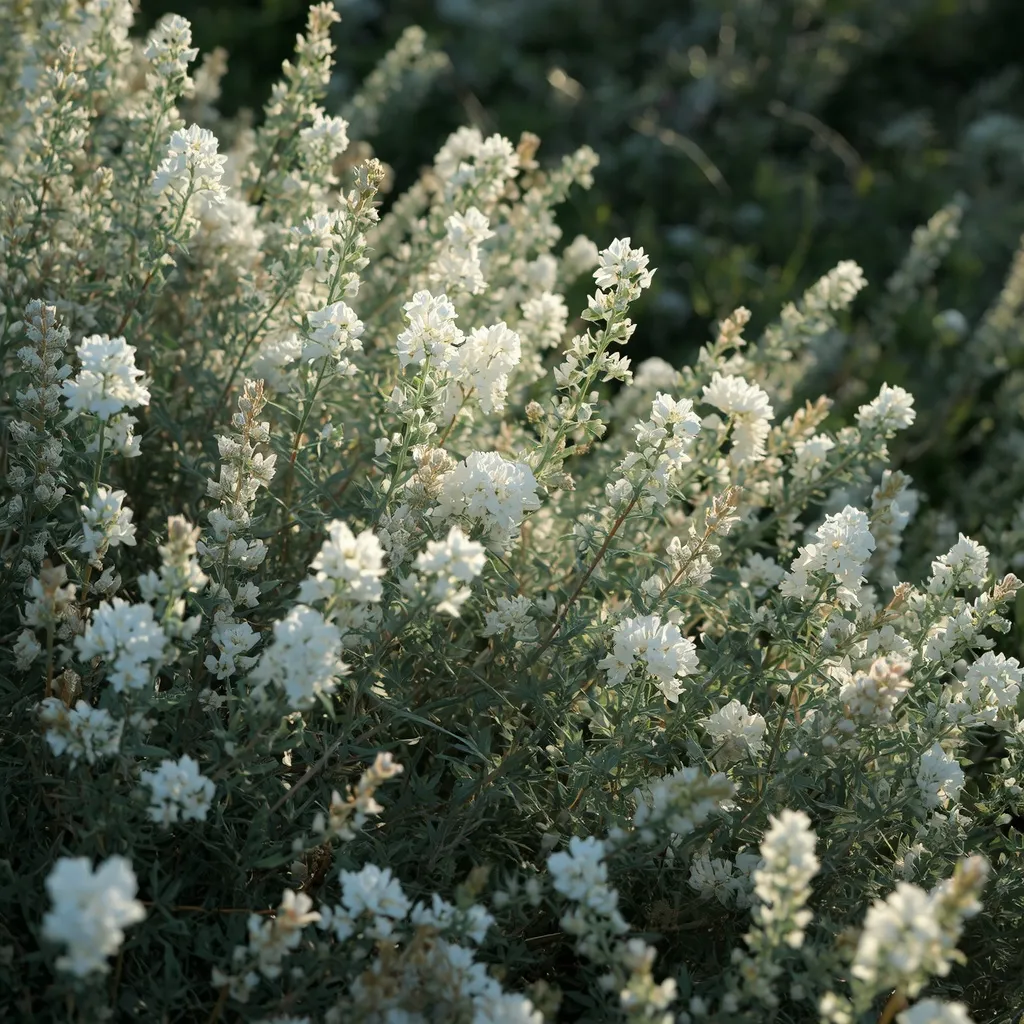
This idea is the secret that makes every other one look better: pair your white flowers with silver foliage. Plants like lamb’s ear, artemisia, and dusty miller weave a soft, moonlit-metal thread through the bed that keeps pure whites looking crisp instead of washed-out.
Use silver foliage as connective tissue between white bloomers, planting it in drifts rather than single dots so it reads as a ribbon. Most silver-leaved plants evolved in hot, dry places, so they want full sun and sharp drainage and will rot in soggy soil the fuzzy leaves hate sitting wet. Lamb’s ear (‘Silver Carpet’ rarely flowers, which keeps the focus on foliage) is an ideal low edger; taller artemisia fills the mid-border.
- Why it works: silver makes whites look clean and doubles the moonlit glow.
- Best for: every white garden it’s the structural fix, not an optional extra.
- Common mistake: planting silver foliage in damp soil, where it quickly rots.
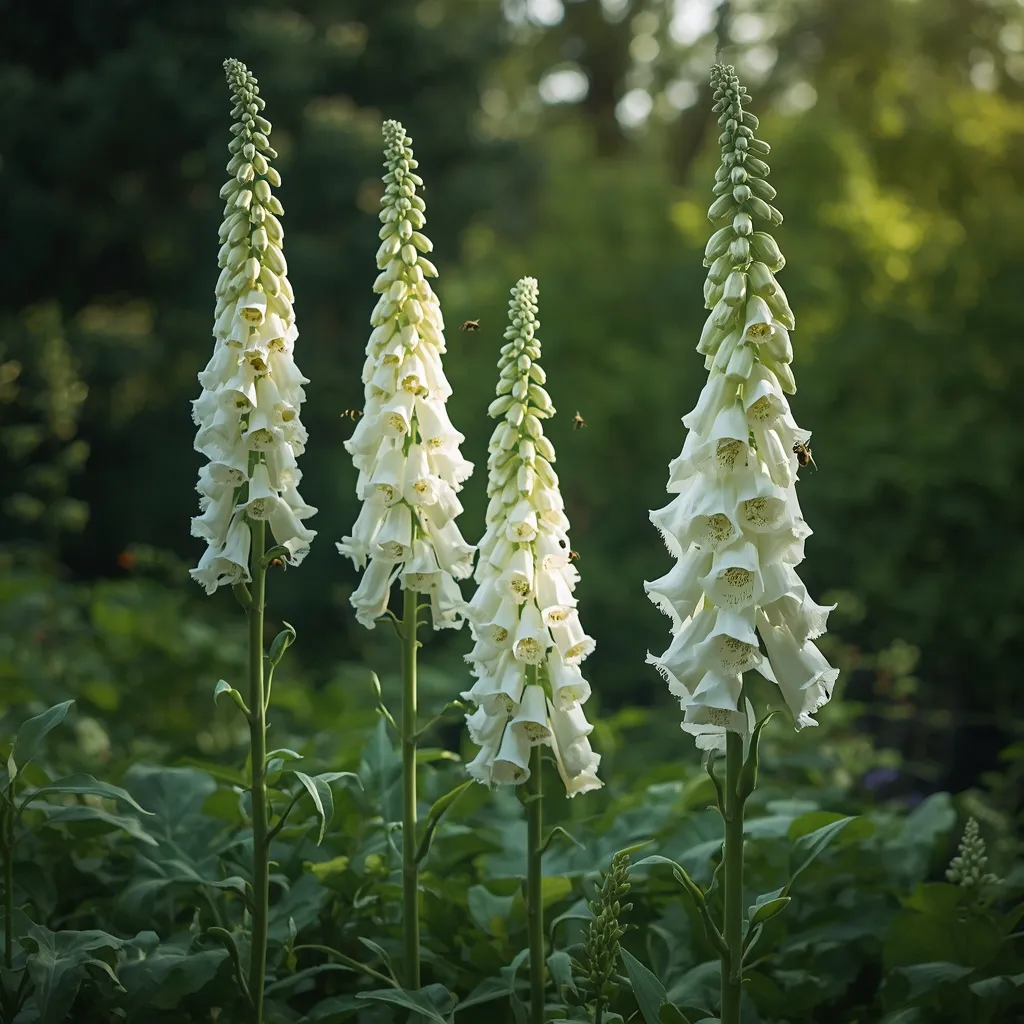
14. White Foxgloves for Height
White foxgloves draw the eye upward with tall spires of pure-white tubular bells, giving a flat white border sudden architecture. Planted in a drift, ‘Alba’ creates a serene, luminous version of the classic cottage look and hums with bees working up each stem.
Most foxgloves are biennials leaves the first year, flowers the second so plant two years running for blooms every season, or let them self-seed. They thrive in part shade and moist, rich soil. One important safety note: every part of the foxglove is highly toxic if eaten, to both people and pets, so site them away from where young children or curious dogs roam and wash your hands after handling. The ASPCA’s toxic plant database is worth checking before adding them to a pet household.
- Why it works: dramatic vertical height and a serene, glowing white spire.
- Best for: part-shade cottage borders without small children or pets grazing nearby.
- Safety note: all parts are toxic if ingested plant with care.
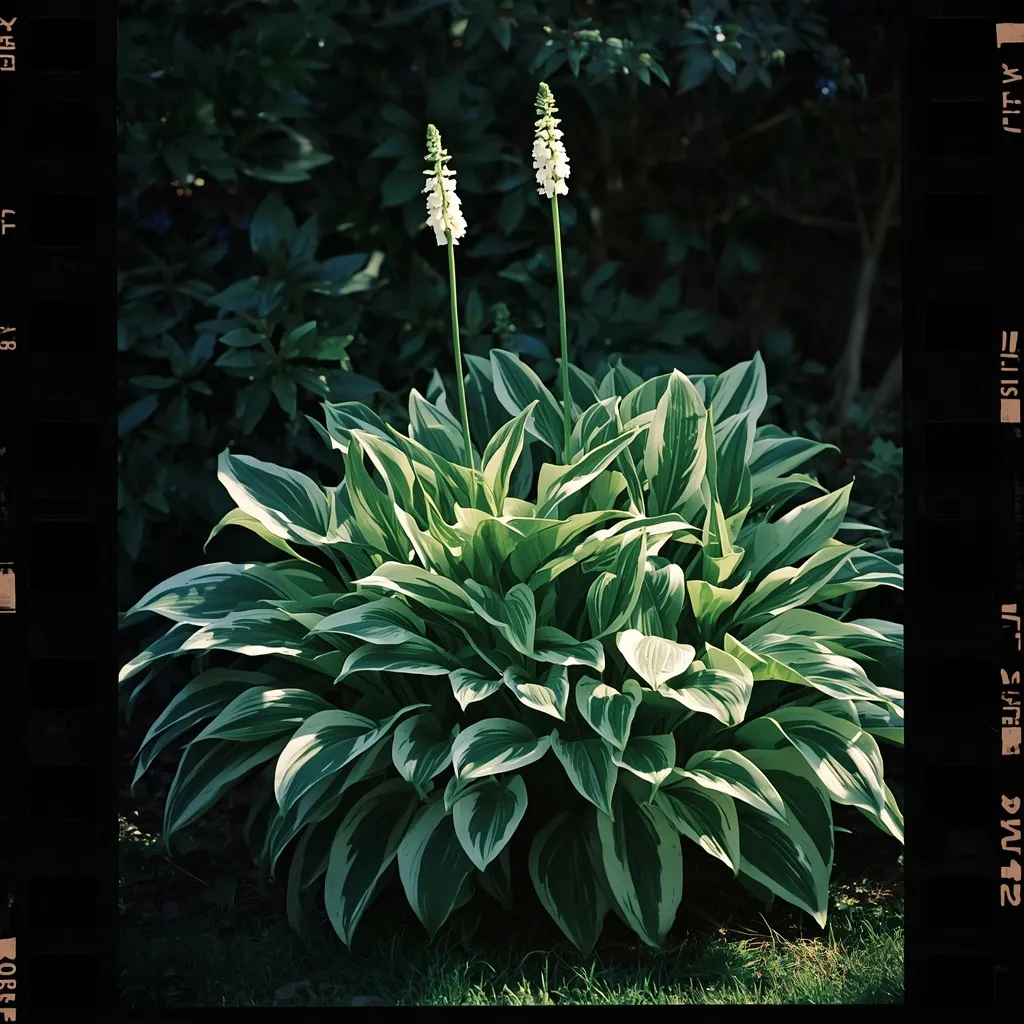
15. White Hostas and Their Blooms
Hostas earn their place in a white garden twice over: many have white-variegated leaves that brighten shade all season, and most send up white or pale lavender blooms in summer. A variety like ‘Fire and Ice’, with bold white centers edged in green, lights up a dark corner even before it flowers.
Plant hostas in part to full shade in rich, moist soil, and choose more white-variegated types for the strongest brightening effect. Their one real enemy is slugs and snails, which chew ragged holes in the leaves thicker, more textured varieties resist damage far better, and evening is when to catch the culprits. Use hostas as the leafy backbone that carries the white theme between flowering seasons.
- Why it works: white-variegated foliage brightens shade for months, not just at bloom time.
- Best for: shady beds needing season-long white without constant flowers.
- Common mistake: ignoring slugs, which shred the leaves that make hostas worthwhile.
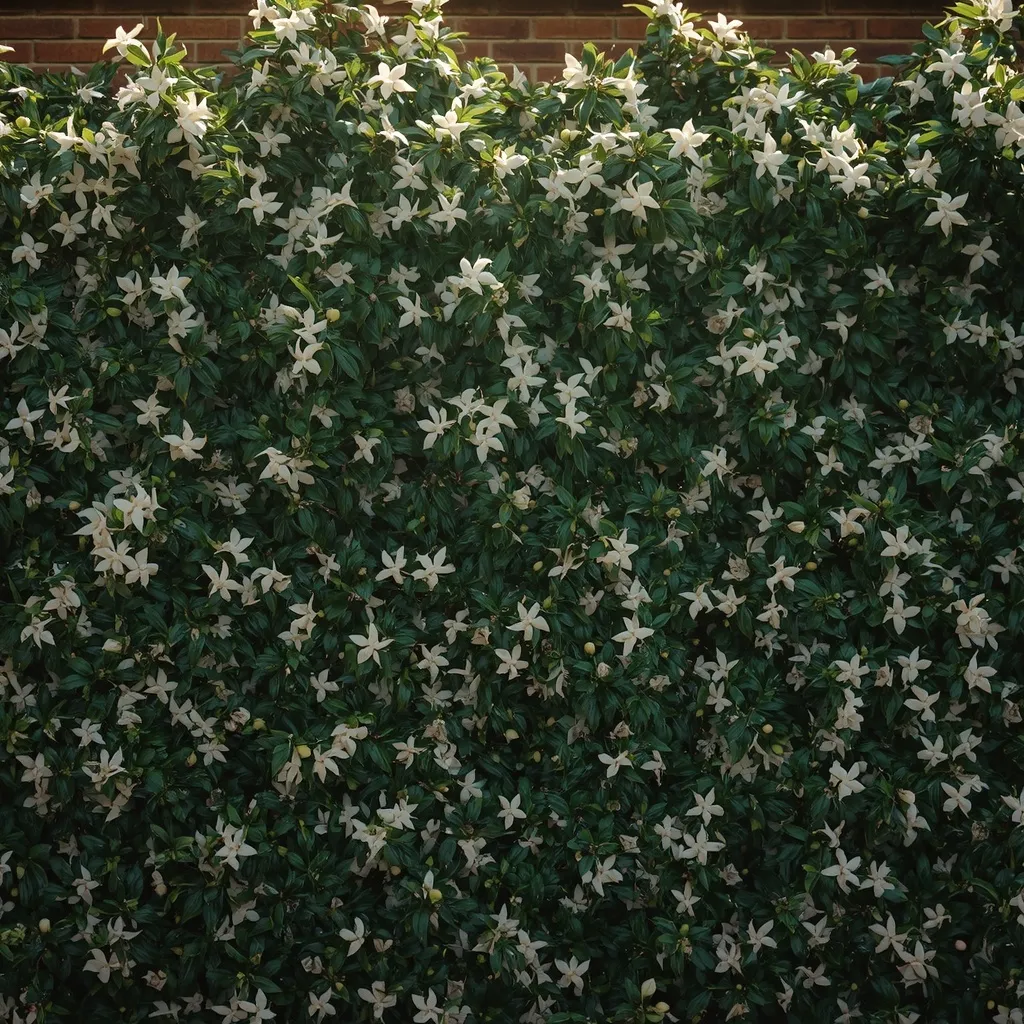
16. Star Jasmine on a Wall
Star jasmine turns a plain wall or fence into a sheet of fragrant white stars in early summer. Its glossy evergreen leaves stay handsome year-round, and the pinwheel blooms release a sweet perfume that carries on warm evenings.
Grow it in full sun to part shade against a warm wall, trellis, or pergola with support to twine around, in well-drained soil. It’s a strong choice in mild climates (roughly hardiness zone 8 and warmer); in colder areas, grow it in a large pot and shelter it over winter, or treat it as a summer feature. Once established it’s fairly drought-tolerant, and a light trim after flowering keeps it neat.
- Why it works: evergreen cover plus fragrant white bloom that scents the evening.
- Best for: walls, fences, and pergolas in mild climates or large containers.
- Smart tip: in cold regions, keep it potted so you can move it out of hard frost.
17. A White Flowering Tree
For a white garden with a true focal point, plant a white flowering tree and let it crown the whole scene. A serviceberry (Amelanchier) covers itself in delicate white blossom in early spring, then offers edible berries and fiery autumn color three seasons of value from one tree.
Choose the mature size to fit your space; serviceberry stays a manageable 4.5–7.5 m (15–25 ft) and suits smaller yards, while a white-blossomed dogwood or crab apple offers other options. Give it full sun to part shade and well-drained soil. Underplant with white bulbs and bleeding heart so the color continues at ground level once the blossom drops. Check the mature spread before planting near the house.
- Why it works: a single tree delivers a spring blossom spectacle and structure.
- Best for: larger front yards and anyone wanting a signature white tree.
- Smart tip: pick serviceberry for three-season interest in a small garden.

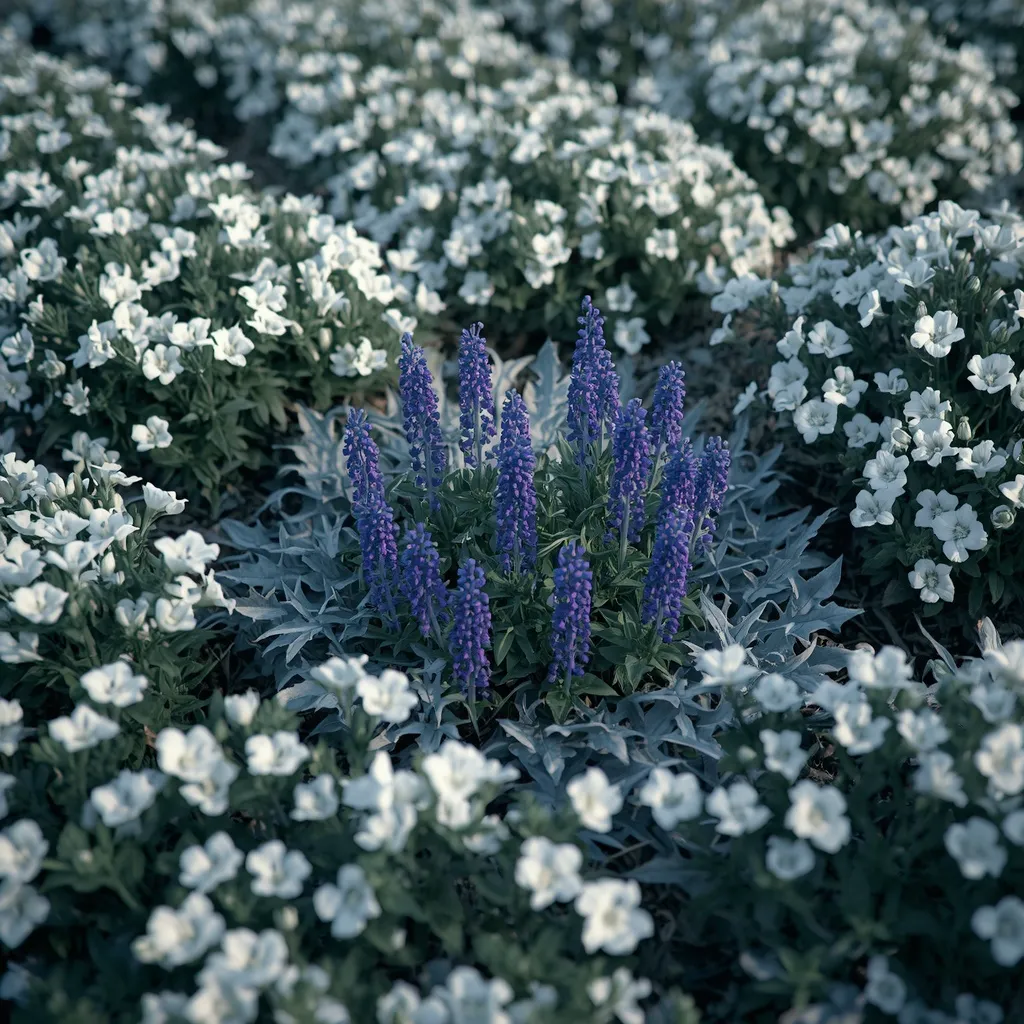
18. One Accent Color
The boldest move in a white garden is knowing when to break it. A single, deliberate splash of color one red flower among the whites, or a cool ribbon of blue makes the whole white scheme read as intentional rather than accidental, and gives the eye a place to land.
Keep the accent tiny and repeated: a few deep-blue salvias or one clump of red tulips does far more than a scattered rainbow, which would undo the calm the white creates. Cool colors (blue, deep purple) preserve the serene mood, while a hot accent (one red or magenta) adds drama. In practice, this works best when the accent is under one-tenth of the planting, so white clearly stays the star.
- Why it works: a controlled accent makes the white look designed, not sparse.
- Best for: gardeners who find an all-white bed too plain but want to keep it elegant.
- Common mistake: adding too many colors, which erases the white-garden effect entirely.
Conclusion
A white flowers garden rewards a little planning with something rare: a border that looks fresh by day and glows softly once the sun goes down. Build it with a mix of pure whites and creams, lean on green and silver foliage so the whites stay crisp, and choose a few night-scented bloomers for the evenings you’ll actually be out there. Start with two or three plants from different seasons in this list, learn how they behave in your own light and soil, then layer in more each year. For more inspiration, our Garden Design collection has plenty of layouts to build around. Save the ideas that suit your space, and let your garden glow into a quiet evening retreat of its own.Structure matters as much as the flowers themselves the same lesson behind planting birch trees in a garden, where pale bark carries the scene even when little is in bloom
FAQs
What is a white moon garden and how is it different from a normal white garden?
A moon garden is a white flowers garden designed specifically to be enjoyed after dark, planted where you sit on summer evenings and filled with white and pale blooms that reflect moonlight. Many also include night-scented plants like moonflower and nicotiana, so the garden glows and smells its best exactly when you’re most likely to be relaxing outside.
Why do my white flowers look dull or dingy instead of crisp?
An all-white bed often reads as flat because there’s nothing to make the whites pop. The fix is contrast: weave in plenty of green foliage and a few silver-leaved plants like lamb’s ear or artemisia, and mix pure whites with creams and greenish-whites so the bed has depth instead of one washed-out tone.
Which white flowers grow well in shade?
White astilbe, white bleeding heart, and white-variegated hostas all brighten part to full shade where sun-lovers fail. Astilbe brings feathery summer plumes, bleeding heart offers spring lockets, and variegated hostas light up the corner all season just keep the soil consistently moist for the best results.
Which white flowers are the most fragrant, especially at night?
Moonflower, white nicotiana, and star jasmine are the top choices for evening fragrance, since several white flowers are night-scented to attract moths. Plant them close to a patio or doorway where you’ll actually notice the perfume after dark, and favor the taller species types of nicotiana, which are far more fragrant than compact bedding hybrids.
Are any white garden flowers toxic to children or pets?
Yes foxgloves are highly toxic if any part is eaten, and moonflower seeds and nicotiana are also toxic despite their beauty. Plant these away from areas where young children or dogs roam, wash your hands after handling, and check a source like the ASPCA database before adding new plants to a pet household.
Can I add color to a white garden without ruining the effect?
You can, as long as you keep it small and deliberate one clump of red tulips or a few deep-blue salvias reads as an intentional accent, while a scattered rainbow erases the calm the white creates. Keep any accent under about one-tenth of the planting so white clearly stays the star.