

Introduction
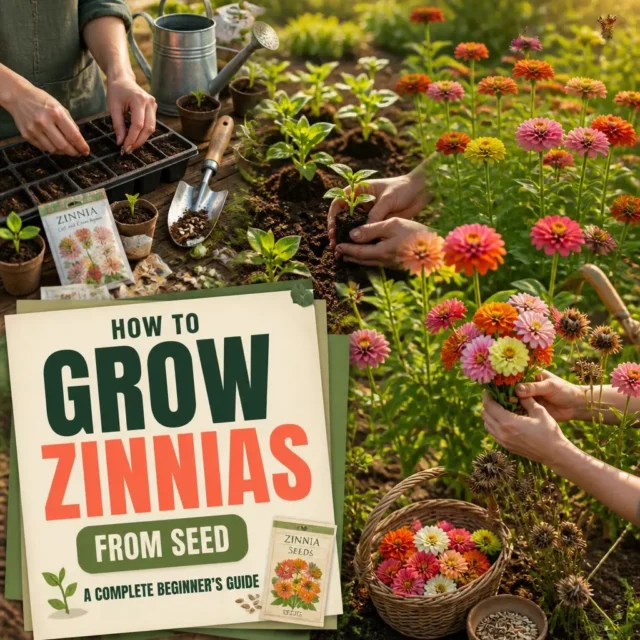
Drop a handful of seeds into warm June soil, and by August you’ll have a border blazing with color. That’s the quiet magic of learning to grow zinnias from seed. Few flowers give beginners such a fast, generous payoff: zinnias sprout in days, bloom in about two months, and keep flowering until frost, all from a seed packet that costs less than a single cut bouquet. This guide walks you through the whole process, from choosing the right seeds and timing your sowing to keeping the plants blooming and saving seed for next year. Whether you have a full border, a couple of pots on a balcony, or a beginner’s patch of bare soil, growing zinnias is one of the most rewarding first steps you can take toward a garden that feels like an extension of your home.
Why Zinnias Are the Best Flower to Grow From Seed
Zinnias are the ideal starter flower because they germinate fast, grow quickly, and bloom the same year from seed sown directly in the ground. Most types flower in 60–70 days from sowing, so a seed planted in late spring is a cut flower by mid-summer.
They ask very little in return. Zinnias thrive in heat, tolerate poor soil, and actually flower better without heavy feeding, which makes them forgiving of beginner mistakes. As annuals, they complete their whole life cycle in one season, so there’s no long-term commitment if something goes wrong, you simply sow again.
The payoff is a long, colorful season and some of the easiest cut flowers you can grow, in shades from soft blush to hot magenta and lime green. They’re also magnets for butterflies and bees, so a row of zinnias quietly supports the rest of your garden too.
Choosing the Right Zinnia Seeds
The best zinnia seeds for you depend on how tall you want the plants and what you’ll use them for. The main garden species is Zinnia elegans, which ranges from dwarf bedding types to tall cutting varieties.
For cut flowers, choose tall varieties (75–120 cm / 30–48 in) like the ‘Benary’s Giant’ series or ‘State Fair’, which give long, strong stems. For borders, edging, and containers, compact series such as ‘Profusion’ and ‘Zahara’ stay under 45 cm (18 in) and shrug off mildew better than most. If you want to save seed that grows true next year, pick open-pollinated or heirloom varieties rather than F1 hybrids.
One tip worth knowing: ‘Profusion’ and ‘Zahara’ are interspecific hybrids bred specifically for disease resistance, so they’re the smart pick in humid climates where powdery mildew is a yearly battle.
When to Plant Zinnias From Seed
Plant zinnias from seed only after all danger of frost has passed and the soil has warmed to at least 21 °C (70 °F). Zinnias are true heat-lovers; seeds sown into cold, wet soil rot instead of sprouting, which is the single most common timing mistake.
In practice, direct sow outdoors one to two weeks after your last expected frost date, when nights stay reliably above about 10 °C (50 °F). If you want a head start in a short growing season, start seeds indoors four to six weeks before that last frost date no earlier, because zinnias grow fast and resent being held too long in a pot.
For a steady supply of blooms all summer, sow a fresh short row every two to three weeks until midsummer, a technique called succession sowing. Gardeners in warm, frost-free climates can sow across a long window from spring into summer.
How to Direct Sow Zinnias Outdoors
Direct sowing planting seeds straight into the garden where they’ll grow is the easiest and often the best way to grow zinnias, because it avoids the root disturbance they dislike. Choose a spot in full sun, meaning at least 6 hours of direct light a day.
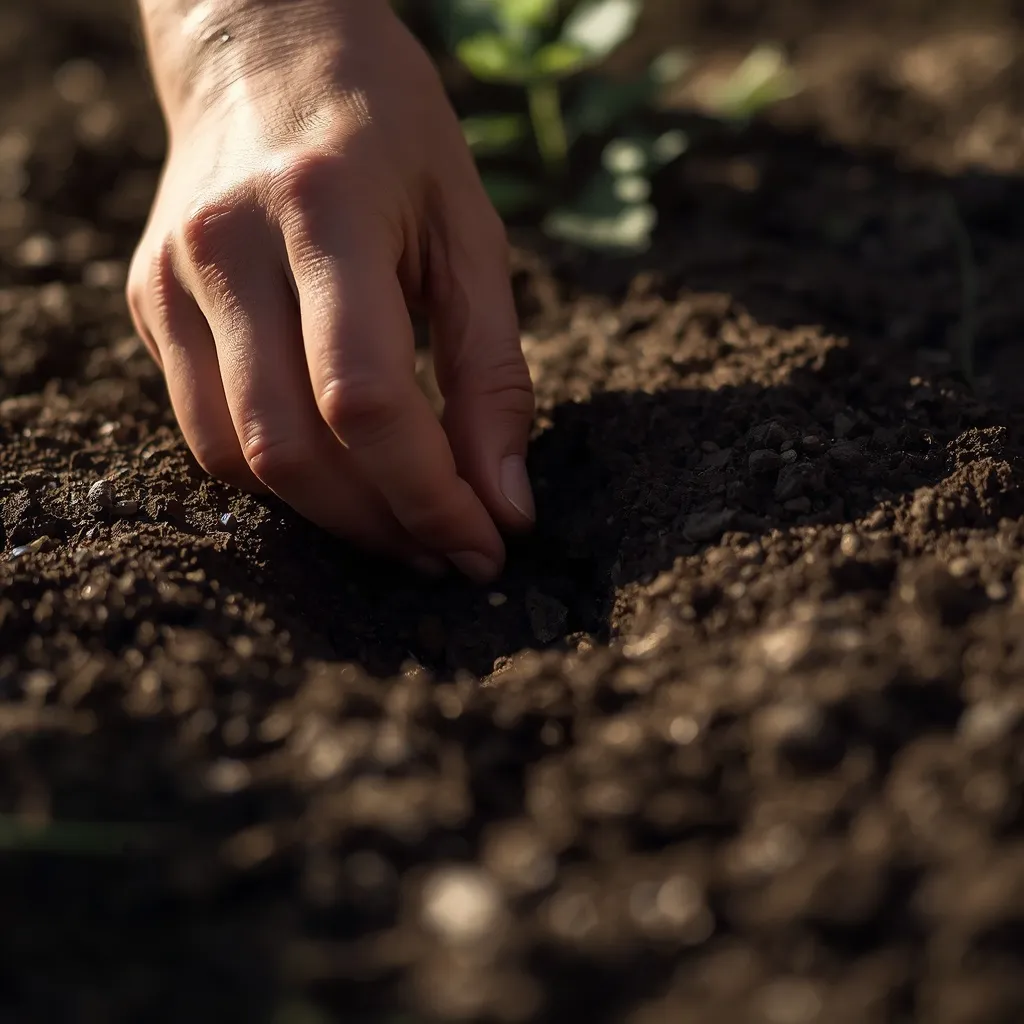
Loosen the top few centimeters of soil and sow seeds about 6 mm (¼ in) deep, spacing them roughly as the packet directs. Water gently and keep the soil lightly moist, and you’ll usually see seedlings in 4–7 days at the right soil temperature. Once they have two or three sets of true leaves, thin them to their final spacing: about 15–20 cm (6–8 in) for compact types and 25–30 cm (10–12 in) for tall cutting varieties.
Don’t skip thinning, even though it feels wasteful crowded zinnias compete for light and airflow, which produces weak stems and invites the powdery mildew zinnias are prone to. Proper spacing is your first and best defense against disease.
Starting Zinnia Seeds Indoors
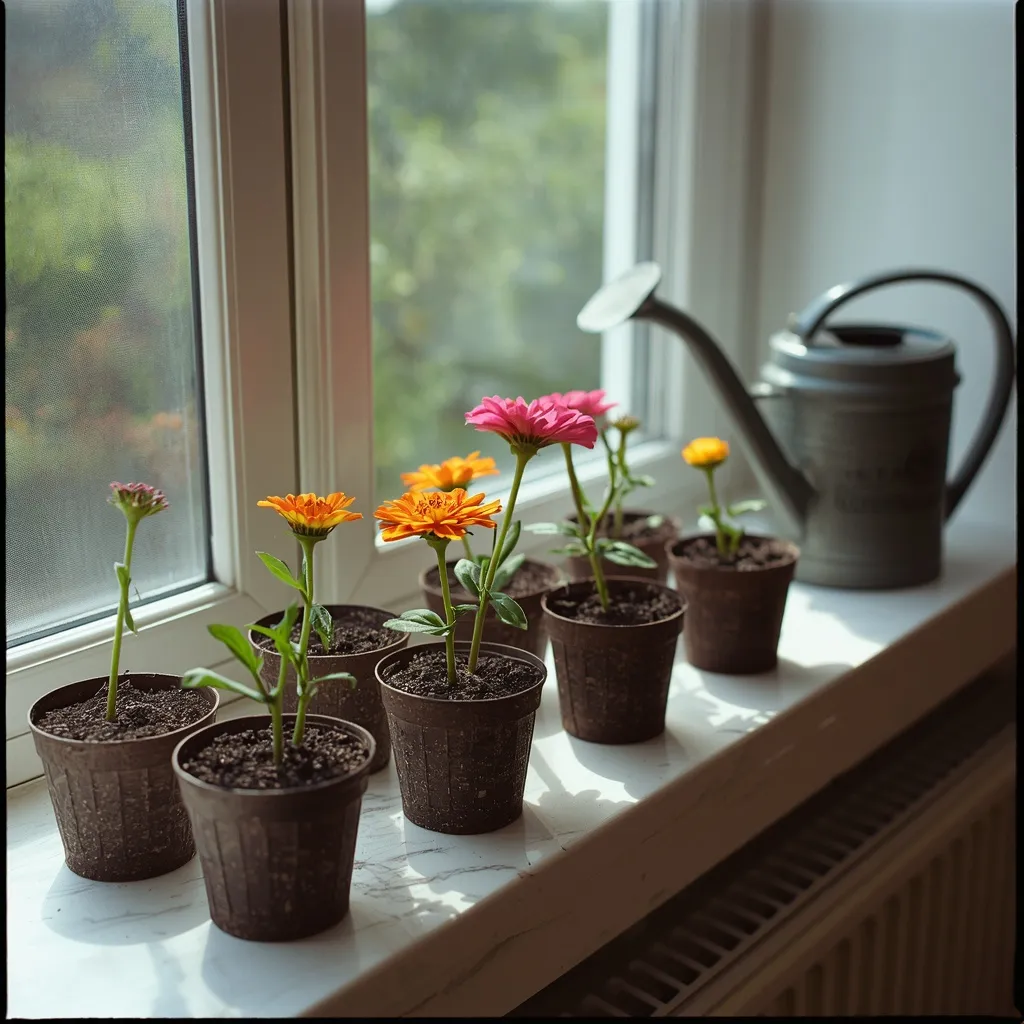
Starting zinnias indoors gives cold-climate gardeners an earlier bloom, but it needs care because zinnias hate having their roots disturbed. Sow into deep individual pots or biodegradable peat or paper pots, not shallow shared trays, so each seedling can move outside with its roots intact.
Fill pots with a moist seed-starting mix, plant one or two seeds 6 mm (¼ in) deep per pot, and keep them at around 21–24 °C (70–75 °F) in bright light or under a grow light. Seeds germinate in 4–7 days. Once true leaves appear, thin to the strongest seedling per pot. Because zinnias grow fast, start them only four to six weeks before your last frost leggy, pot-bound seedlings transplant poorly and often bloom worse than direct-sown plants.
The table below helps you choose the right method for your situation:
| Direct sow outdoors | Start indoors | |
| Best for | Warm climates, long seasons, beginners | Short seasons, cold climates, early blooms |
| Root disturbance | None (ideal for zinnias) | Risky use individual/peat pots |
| Timing | 1–2 weeks after last frost | 4–6 weeks before last frost |
| Effort | Lowest | Higher (pots, light, hardening off) |
| Bloom timing | Slightly later | Slightly earlier |
Transplanting Zinnia Seedlings
If you started seeds indoors, the transition outside is where most losses happen, so harden the seedlings off first. Hardening off means gradually introducing plants to outdoor conditions over 7–10 days before planting them out.
Set the pots outside in a sheltered, partly shaded spot for a couple of hours on the first day, then increase the time and light exposure a little each day, bringing them in if frost threatens. Only plant out once nights are reliably above 10 °C (50 °F). When you transplant, disturb the roots as little as possible, plant the whole peat pot directly into the ground, or slide the root ball out in one piece and water it well.
A common mistake is planting out too early into cold soil or skipping the hardening-off step, which shocks the heat-loving seedlings and stunts them for weeks. Patience here pays off in stronger plants.
Growing Zinnias From Seed in Containers
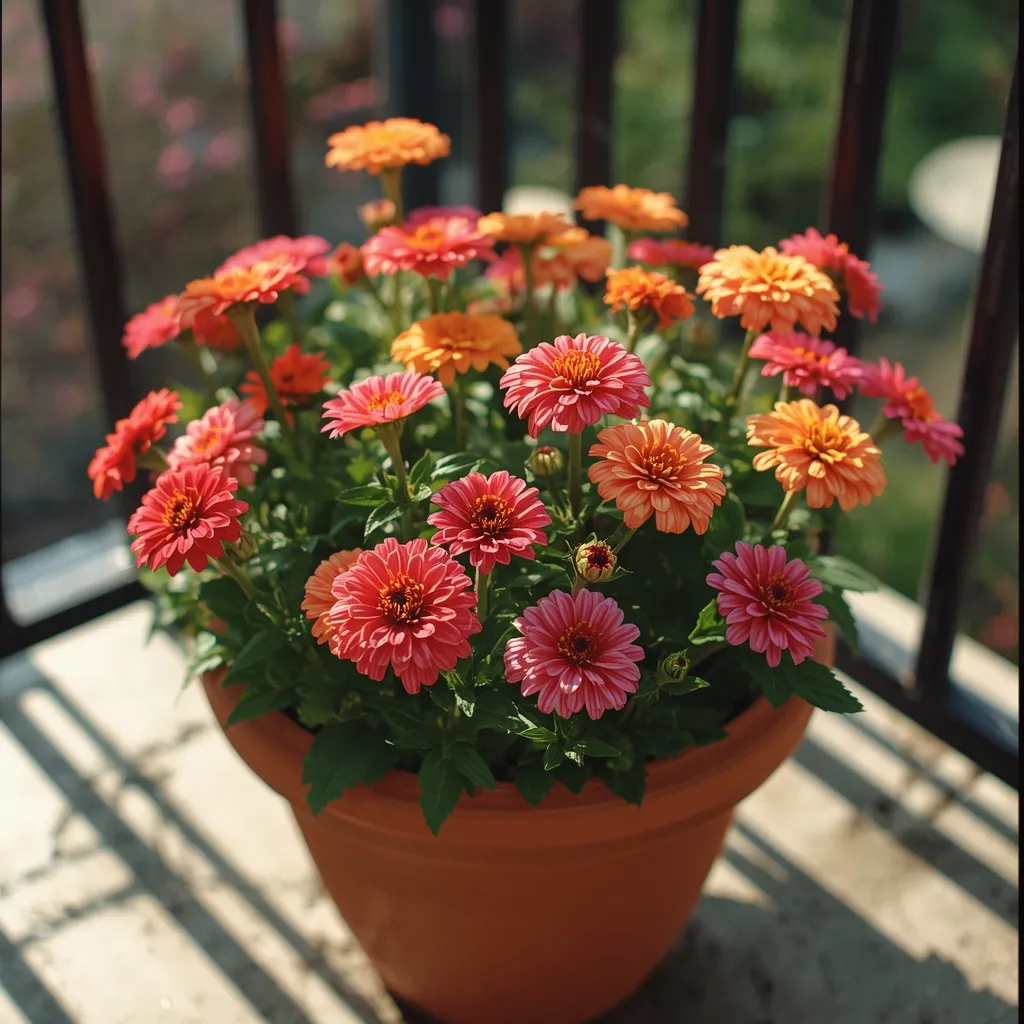
Zinnias grow beautifully from seed in containers, making them a great choice for balconies, patios, and renters with no garden bed. Choose compact varieties like ‘Profusion’ or ‘Zahara’, which are bred to stay under 45 cm (18 in) and bloom heavily in pots.
Use a container at least 25–30 cm (10–12 in) wide and deep with drainage holes, filled with quality potting mix, and sow seeds directly into it once the weather warms no transplanting needed. Place the pot in full sun and water when the top 2–3 cm (1 in) of mix feels dry, which in high summer may mean daily. Container zinnias appreciate a light liquid feed every few weeks, since frequent watering washes nutrients out of pots faster than garden soil.
Keep taller cutting varieties out of small pots; they get top-heavy and topple. For a windy balcony, stick to the dwarf and mid-height types, which stay sturdy and self-supporting.
Caring for Zinnias as They Grow
Once established, zinnias are low-maintenance, but two simple habits dramatically increase your flower count: pinching and regular cutting. Both trick the plant into producing more stems and blooms.
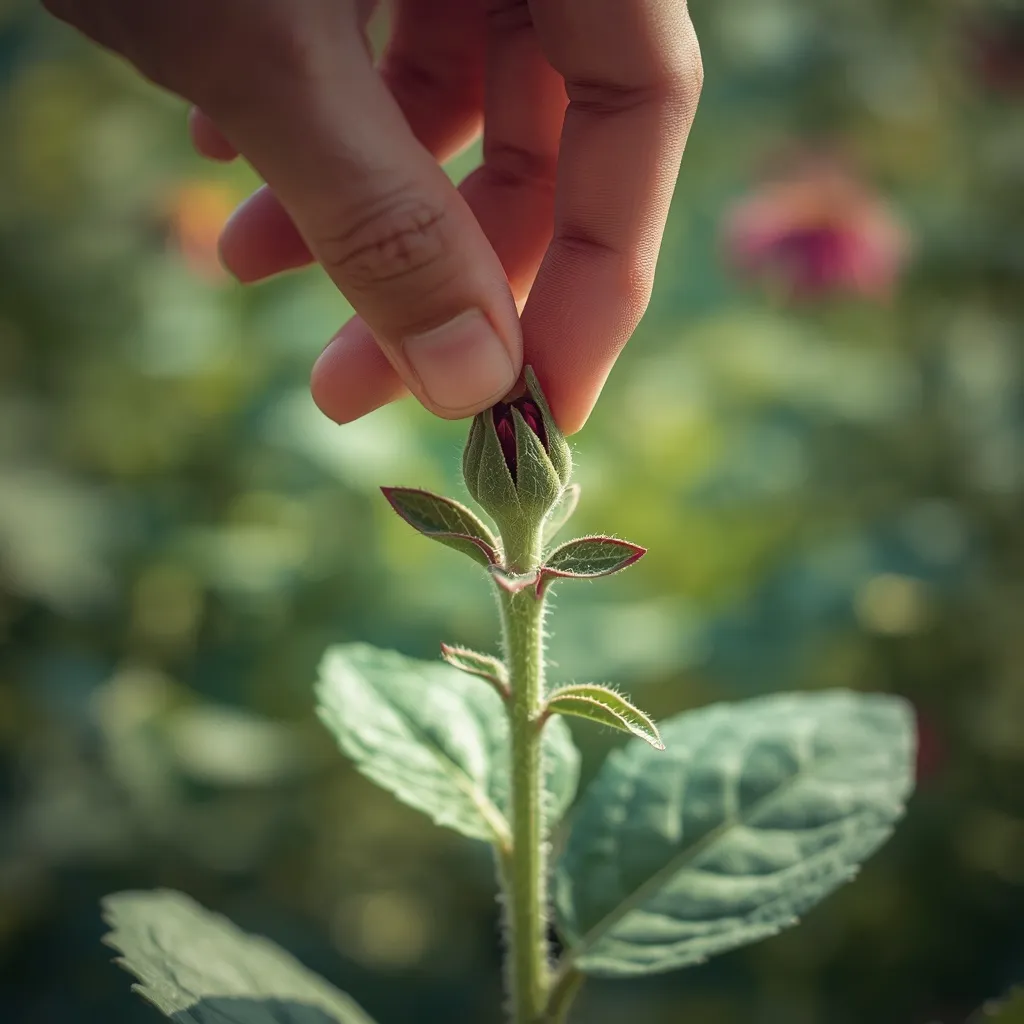
When a young zinnia reaches about 20–30 cm (8–12 in) tall, pinch out the top 8–10 cm (3–4 in) of the main stem just above a leaf pair. This feels drastic, but it forces the plant to branch into multiple stems, turning one flower into many. From then on, cut or deadhead spent blooms regularly zinnias are “cut-and-come-again” flowers, so the more you harvest, the more they produce, right up to frost.
Water at the base of the plant rather than over the leaves, and give them full sun. Zinnias rarely need feeding in decent soil; too much nitrogen produces lush leaves at the expense of flowers, so go easy.
Common Zinnia Problems and How to Fix Them
The most common zinnia problem by far is powdery mildew, a white, dusty coating that spreads across the leaves in humid or crowded conditions. It rarely kills the plant but makes it unsightly and weakens flowering.
Prevention beats cure: space plants properly for airflow, water at the soil line rather than wetting the foliage, and choose resistant varieties like ‘Profusion’ and ‘Zahara’ in humid regions. If mildew appears, remove the worst-affected leaves and improve air circulation. Other issues are usually simple seeds that rot instead of sprouting meaning the soil was too cold or wet, while leggy, floppy plants signal too little sun or skip pinching.
Slugs and snails may nibble young seedlings, so check plants at dusk in wet weather. Most zinnia troubles trace back to cold soil, crowding, or wet leaves, all of which are easy to avoid once you know them.
How to Harvest Seeds From Zinnias
Saving your own zinnia seed is easy and free, but the key is patience: let the flower heads fully dry on the plant before collecting. Harvesting too early gives you immature seeds that won’t germinate.
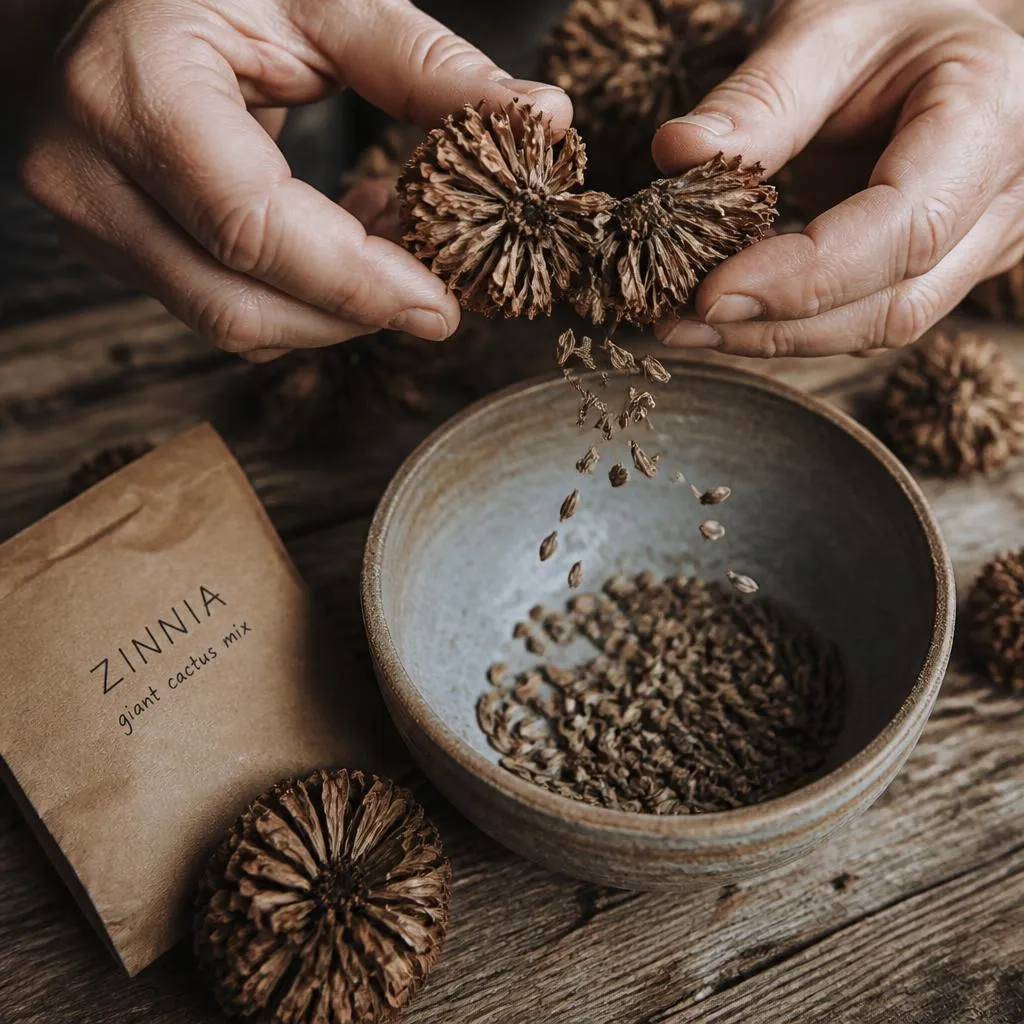
Leave a few of your best blooms unpicked at the end of the season and stop deadheading them. Wait until the flower heads turn brown, dry, and crisp, usually several weeks after the petals fade. Snip off the dried heads, pull them apart over a bowl, and look for the arrowhead-shaped seeds attached to the base of each dried petal. Let the seeds air-dry for a few more days, then store them somewhere cool and dark in a labeled paper envelope until spring.
One important caveat most guides skip: seeds saved from F1 hybrid varieties won’t grow true to the parent, so the offspring may look quite different. For reliable results year after year, save seed only from open-pollinated or heirloom zinnias. If you love easy annuals like these, our homestead garden ideas show how a few self-seeding flowers can anchor a productive plot.
Conclusion
Learning to grow zinnias from seed rewards you with months of color for almost no cost or effort sow into warm soil, give them sun, pinch them once, and keep cutting, and they’ll flower generously until the first frost. Start with a compact variety in a pot or a short row of cutting types in the ground, then save a few dried seed heads to plant again next year for free. For more easy-growing inspiration, our Flowers section is full of beginner-friendly blooms to try next. Sow a fresh pinch every couple of weeks this season, and you’ll have fresh zinnias to cut from midsummer right through to autumn.
FAQs
How long do zinnia seeds take to germinate?
Zinnia seeds usually sprout in 4–7 days when the soil is warm enough, ideally around 21 °C (70 °F). If seeds are slow or rot instead of sprouting, the soil is almost always too cold or too wet, so wait until the weather has genuinely warmed before sowing.
Is it better to direct sow zinnias or start them indoors?
Direct sowing is usually best because zinnias dislike root disturbance and grow fast enough to catch up, so seeds sown straight into warm soil often outperform transplants. Starting indoors makes sense mainly in short-season or cold climates where you need an earlier bloom just use individual peat pots to protect the roots.
When should I plant zinnia seeds?
Plant zinnia seeds outdoors one to two weeks after your last expected frost, once the soil has reached about 21 °C (70 °F) and nights stay above 10 °C (50 °F). For continuous flowers, sow a fresh short row every two to three weeks through midsummer rather than all at once.
Can I grow zinnias from seed in pots or on a balcony?
Yes zinnias grow well from seed in containers at least 25–30 cm (10–12 in) wide with drainage holes. Choose compact varieties like ‘Profusion’ or ‘Zahara’, sow directly into the pot once it’s warm, place it in full sun, and water when the top 2–3 cm (1 in) of mix feels dry.
Why do my zinnias have white powdery leaves?
That’s powdery mildew, the most common zinnia problem, and it thrives in humid, crowded conditions. Prevent it by spacing plants for airflow, watering at the base instead of over the leaves, and choosing resistant varieties like ‘Profusion’ and ‘Zahara’ in humid climates.
How do I collect and save seeds from my zinnias?
Let a few of your best flower heads dry completely on the plant until they turn brown and crisp, then pull them apart to find the arrowhead-shaped seeds at the base of each dried petal. Save seed only from open-pollinated or heirloom varieties, since seeds from F1 hybrids won’t grow true to the parent plant.
Do I need to deadhead or pinch zinnias?
Both help enormously. Pinching out the growing tip when the plant is 20–30 cm (8–12 in) tall makes it branch into many stems, and regular cutting or deadheading keeps these cut-and-come-again flowers blooming until frost the more you pick, the more they produce.