
Introduction
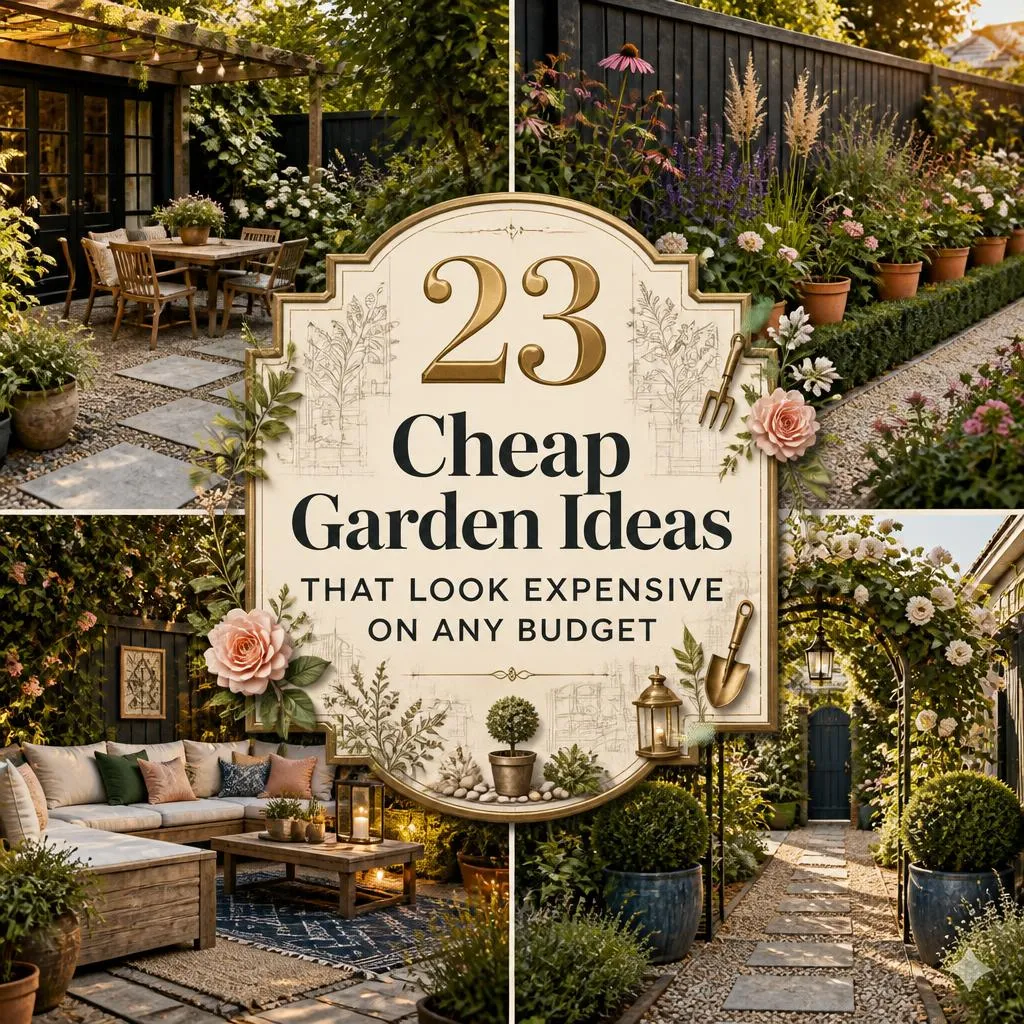
A beautiful garden does not require a landscaping budget. Some of the most photographed backyards on Pinterest are pieced together from pallets, thrifted pots, and cuttings shared by a neighbour. This roundup of cheap garden ideas is built around projects that hold up outdoors through a full season, not just a single styled photo. Whether the space is a rented balcony, a compact urban yard, or a sprawling block that has been neglected for a while, these ideas rely on reclaimed materials, free plant division, and smart layout choices instead of an expensive nursery haul. Sunday Abode has gathered projects covering pathways, planting, seating, lighting, and family friendly corners, each chosen to prove that resourcefulness, not spending, is what turns a backyard into a true outdoor abode.
1. Pallet Wood Planter Boxes
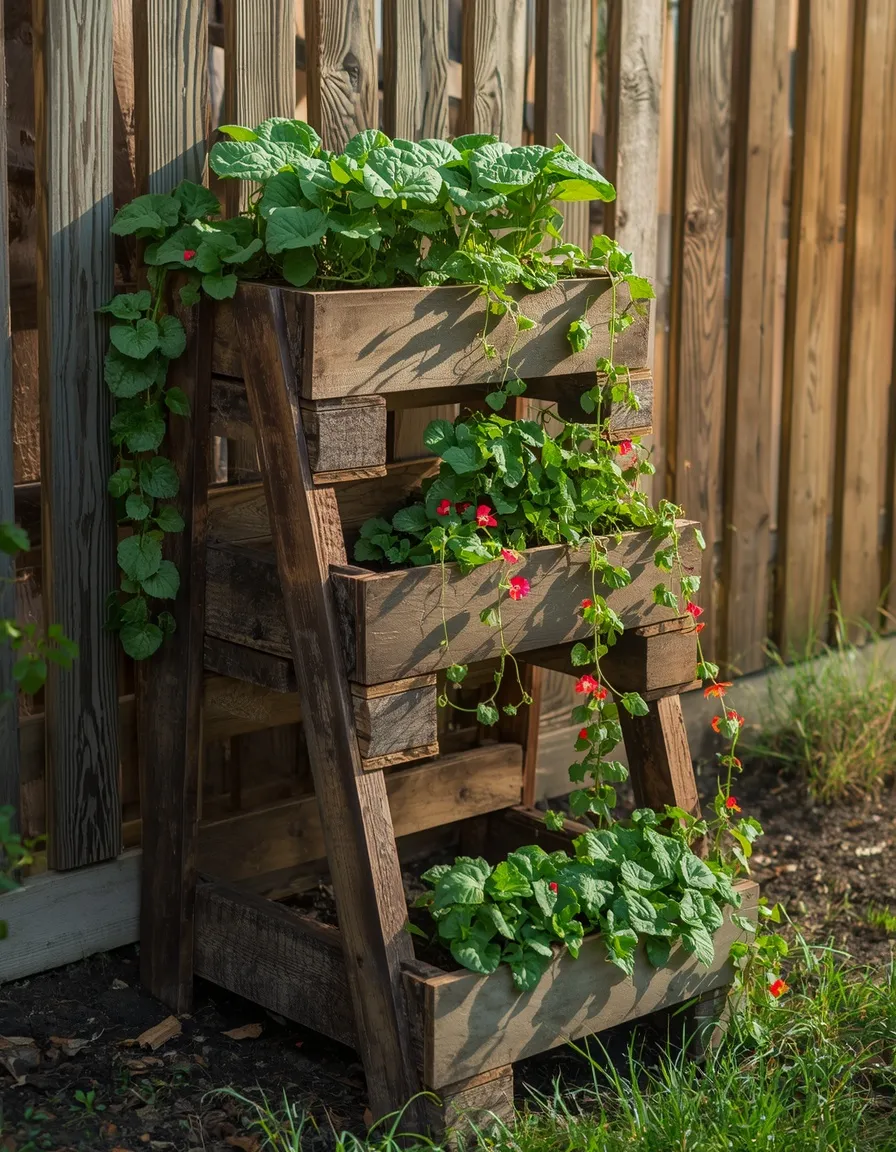
Picture a stack of raised planter boxes lining a fence, their rough grey wood softened by trailing nasturtiums and a row of lettuce. Reclaimed pallets, often free from garden centres, hardware stores, or delivery yards, break down into ready made slats and frames that need only a saw, some screws, and a weekend afternoon.
Sand any rough edges and line the inside with landscape fabric before adding soil, since pallets are sometimes treated with chemicals not meant for direct food contact. Look for pallets stamped “HT” (heat treated) rather than “MB” (methyl bromide) if the boxes will grow vegetables. Stagger the boxes at different heights along a wall or fence to add visual interest without any extra material cost, and stain them in a single colour so the whole project feels intentional rather than assembled from scraps.
- Uses free or nearly free reclaimed wood instead of bought lumber
- Works for vegetables, herbs, or trailing flowers on a patio or fence line
- Solves the problem of poor native soil by building up instead of digging down
2. Gravel Pathway Design
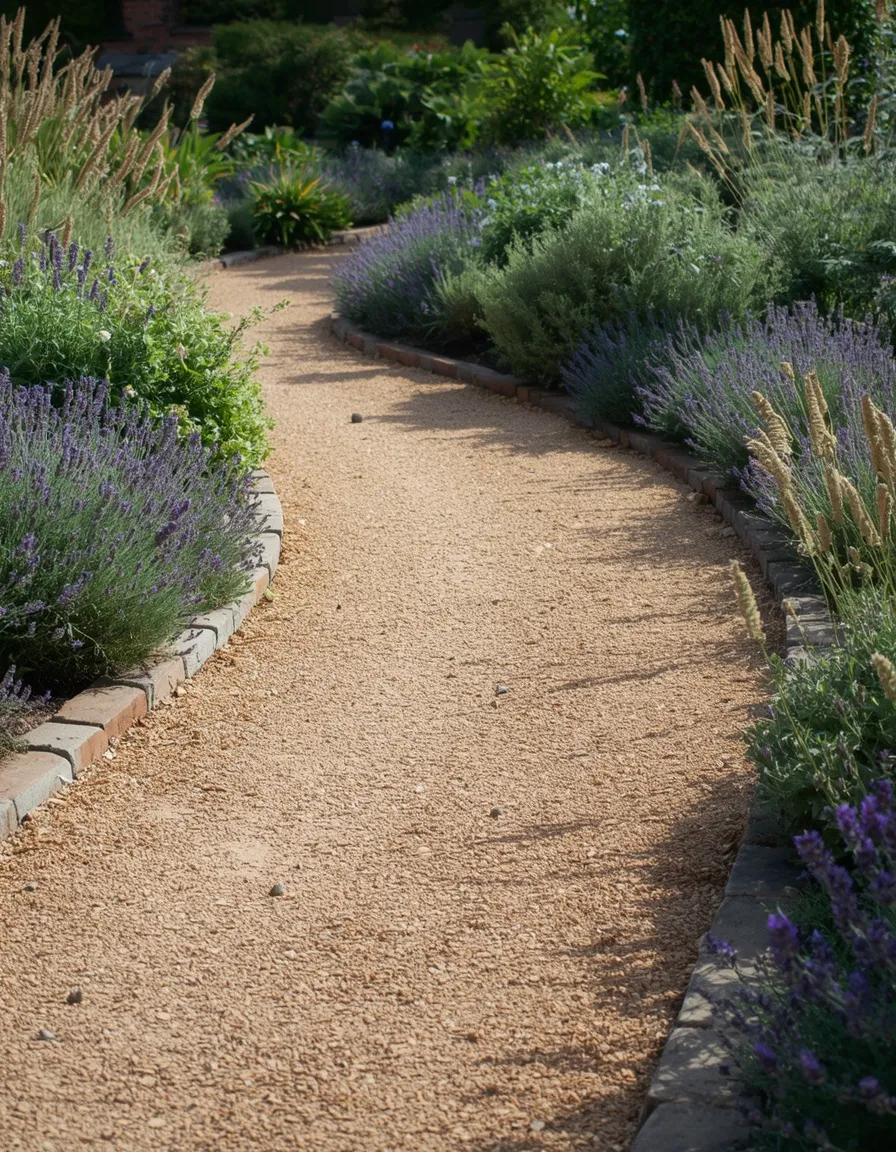
A meandering gravel path through a lawn or border instantly reads as designed, even when the materials cost less than a single paving slab per square metre. Crunchy pea gravel or crushed stone in warm buff or grey tones creates a clear route through planting beds without the labour of laying pavers.
Mark the path shape with a hose or rope first, then cut the edge with a spade, lay a weed membrane, and pour 5 to 7.5 cm (2 to 3 inches) of gravel on top, tamping it down as you go. Edging with reclaimed bricks or timber offcuts keeps the stones contained and gives the path a finished line. This is one of the most reliable cheap garden design ideas for renters, since gravel lifts away cleanly if the path ever needs to move.
- Costs a fraction of poured concrete or cut paving
- Ideal for curved or informal routes through cottage style borders
- Easy to remove or reroute, which suits rented gardens
3. Repurposed Container Garden
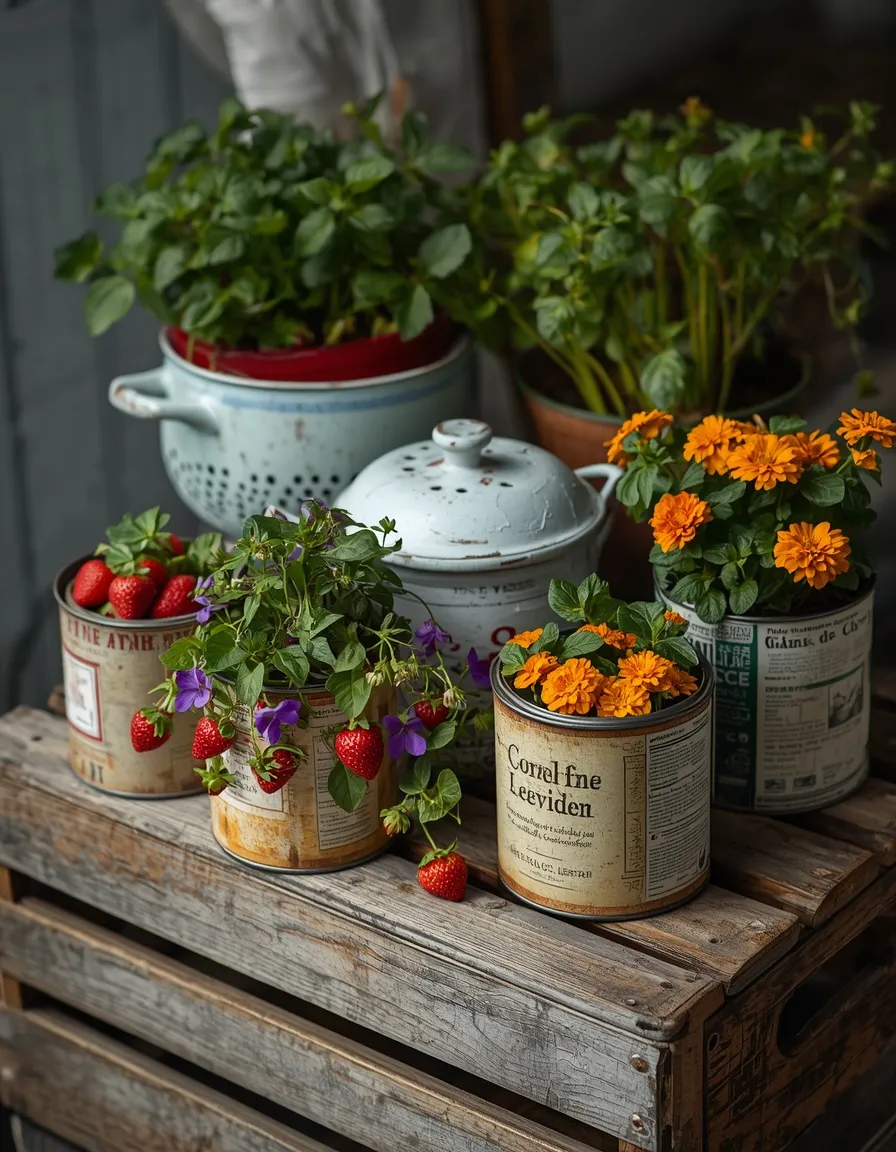
An old enamel colander overflowing with strawberries, a chipped teapot holding a trailing ivy, a paint tin planted with marigolds: a container garden built entirely from repurposed kitchenware and tins turns clutter into a cohesive, collected over time look.
Drill or punch drainage holes in the base of every container before planting, since standing water is the fastest way to lose a plant in an upcycled pot. Group containers in odd numbers of three or five at varying heights, using an upturned crate or stool to lift shorter pieces. This approach works especially well for renters and apartment dwellers who need a container vegetable garden that can travel if they move.
- Diverts household items from landfill into functional planters
- Suits balconies, doorsteps, and small courtyards with no in ground bed
- Creates instant personality without buying a single new pot
4. Vertical Pallet Herb Wall
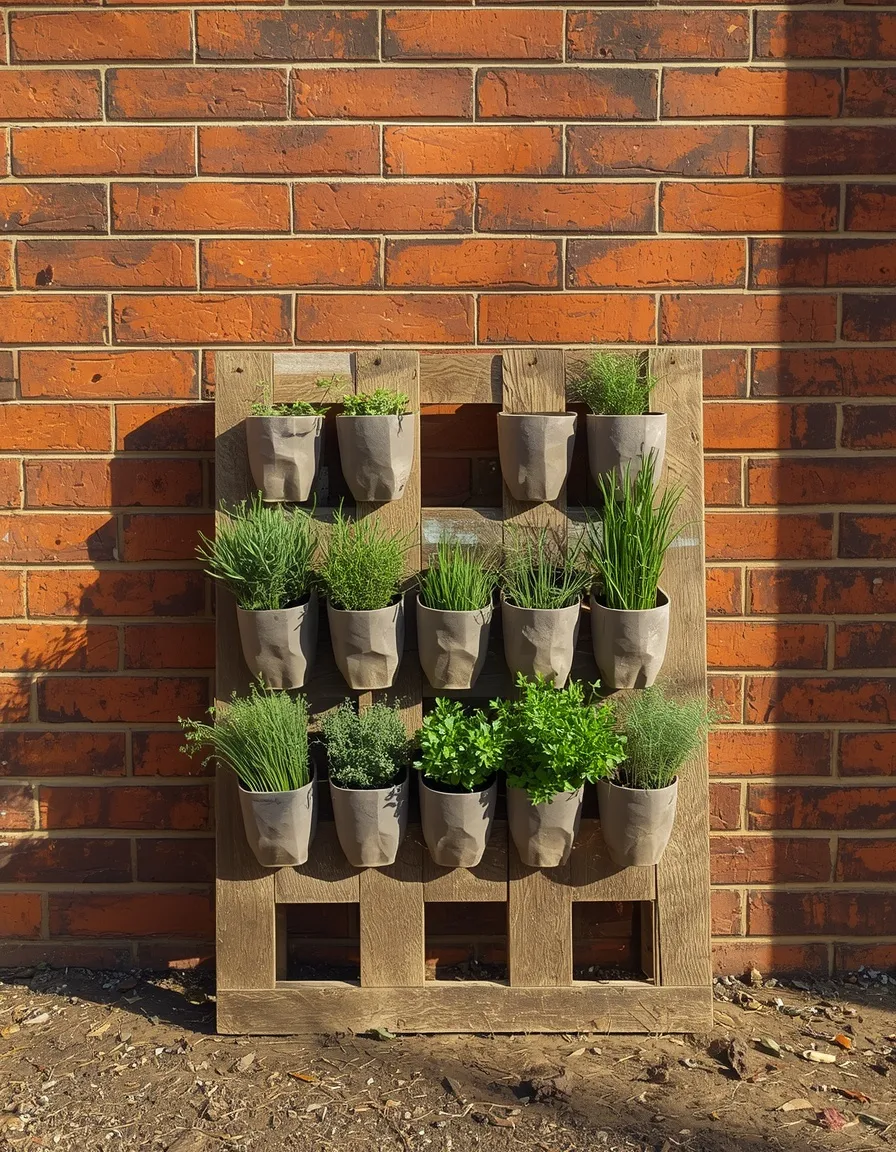
Leaned against a sunny wall, a single pallet packed with staggered pockets of thyme, chives, and parsley turns a flat, unused surface into a working herb garden that takes up almost no floor space.
Sand the pallet, staple landscape fabric across the back and base of each slot, then fill with a free draining compost mix and plant through the gaps. Stand the pallet upright for a week before planting so gravity settles the soil and reveals any weak joints. Herbs suit this format better than vegetables because their shallow roots do not need much depth, and cutting them regularly keeps growth compact and full.
- Turns a narrow wall or fence into growing space
- Keeps cooking herbs within arm’s reach of a kitchen door
- Needs almost no ongoing cost beyond seed packets or starter plants
5. DIY Concrete Stepping Stones
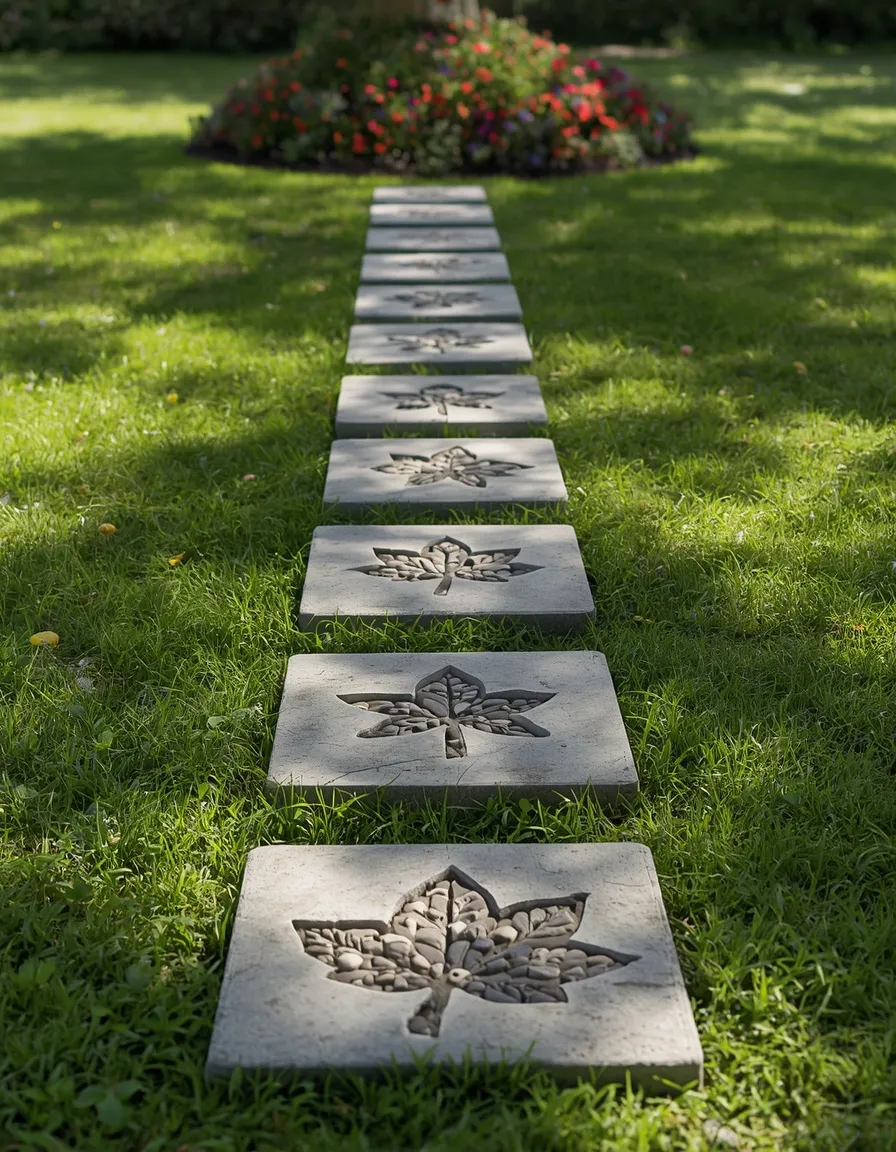
Hand poured stepping stones, each one slightly different in shape and texture, guide visitors across a lawn or planting bed with a handmade charm that a uniform paving slab cannot match.
Mix quick setting concrete according to the bag’s instructions, pour it into a simple mould such as a cardboard box, cake tin, or dedicated stepping stone form, and press in leaves, pebbles, or a smoothed handprint before it cures. Space the finished stones the length of a natural stride apart, roughly 60 cm (24 inches) centre to centre, so the path feels comfortable to walk. Wear gloves when handling wet concrete, since it is caustic and can irritate skin on contact.
- Costs only the price of a concrete bag per several stones
- Adds a personalised, handmade touch bought pavers cannot offer
- Works on grass, gravel, or bare soil paths
6. Painted Tyre Planters
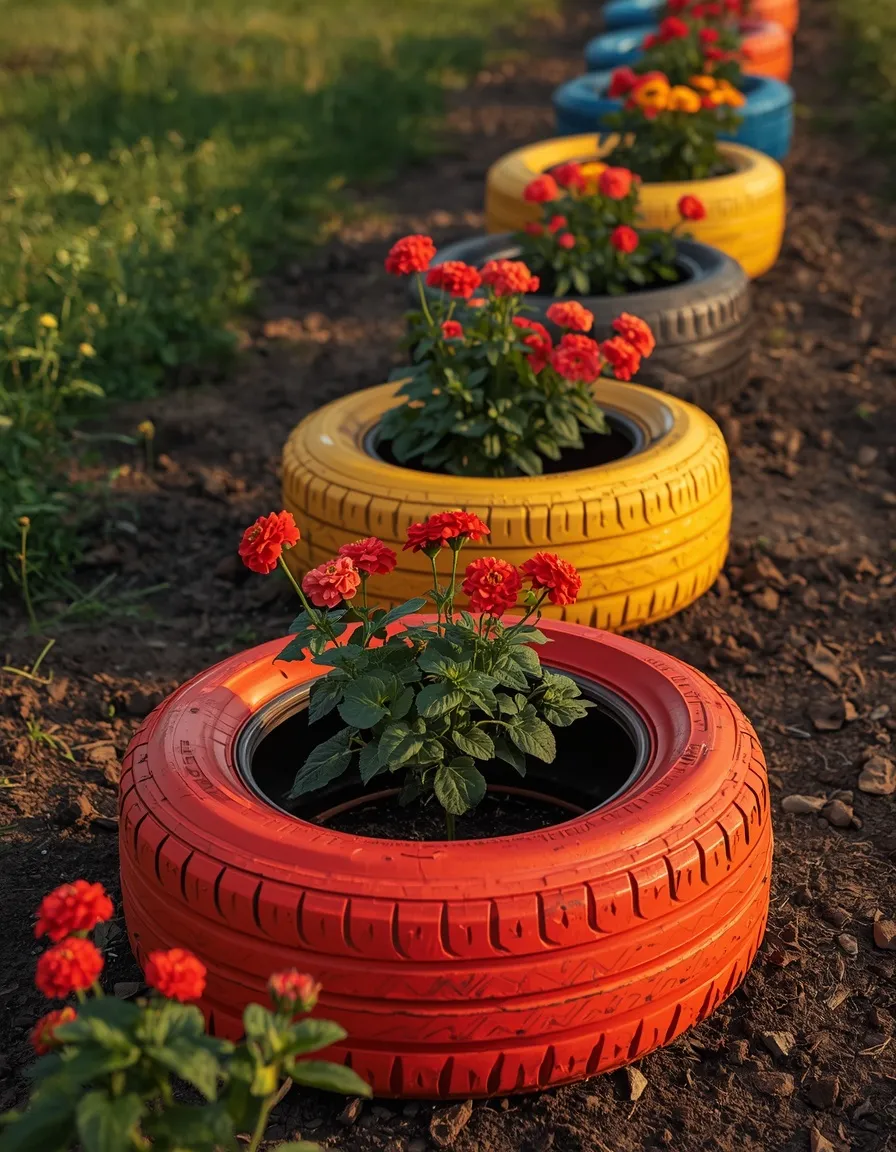
A row of old car tyres, cut into scalloped edges and painted in bright, saturated colour, brings a playful, almost folk art quality to a border that would otherwise cost a small fortune in matching ceramic pots.
Use exterior grade spray paint designed to bond with rubber, and apply a primer coat first so the colour does not flake within a season. Cut the top edge into a wave or zig zag pattern with a sharp utility knife for a more polished silhouette, and always drill several drainage holes in the base before filling with soil. Reserve planters like this for ornamental flowers rather than edible crops, since tyre rubber can leach compounds over time.
- Repurposes a material that is otherwise expensive to dispose of
- Adds bold, saturated colour without buying new planters
- Works well stacked or nested for a tiered flower display
7. Free Plant Swaps and Cuttings
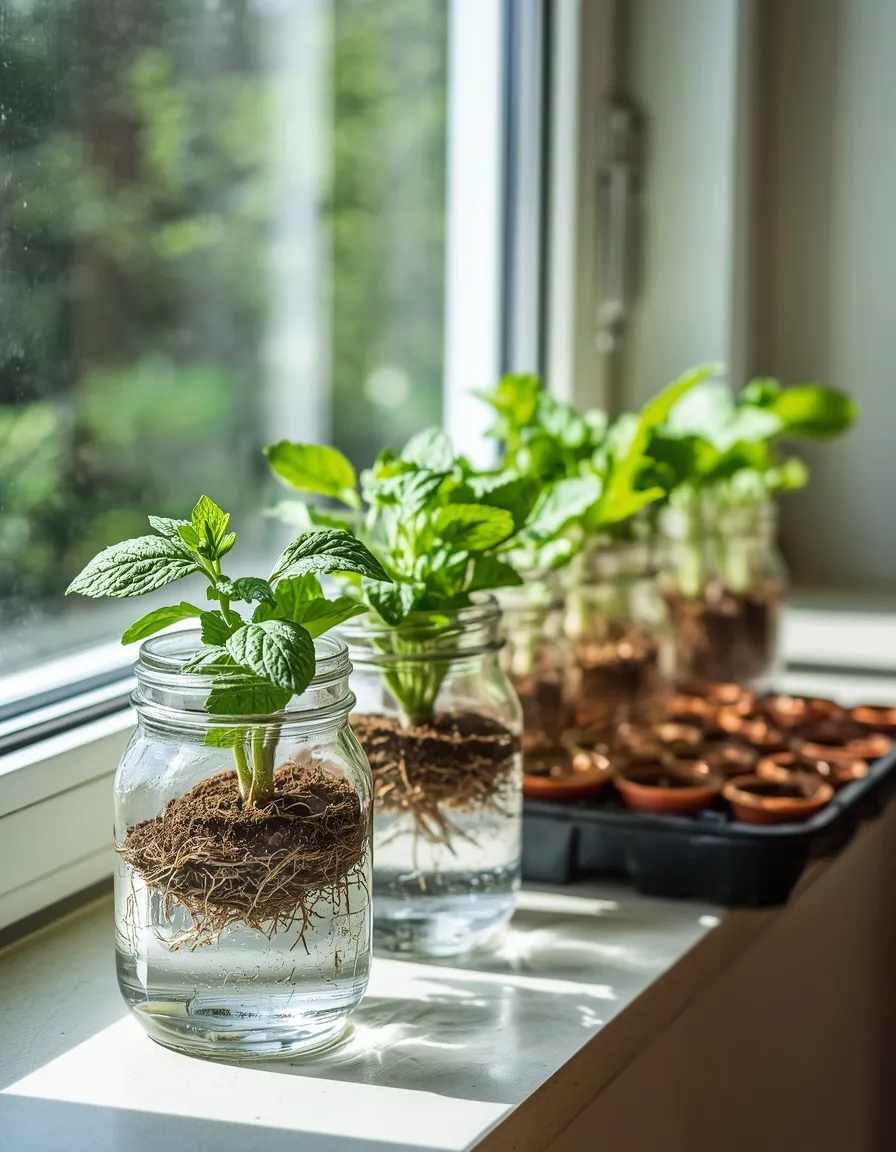
The single cheapest way to fill a border is to never buy a plant at all. A community plant swap, a neighbour thinning out an overgrown geranium, or a cutting taken with permission from a friend’s pothos can populate an entire garden for the cost of a bag of compost.
Many soft stemmed plants such as mint, lavender, geraniums, and most houseplants root readily from a 10 to 15 cm (4 to 6 inch) cutting placed in water or damp compost. Take cuttings in spring or early summer when growth is active, and always ask before taking material from someone else’s garden. Local gardening groups, community noticeboards, and neighbourhood swap events are consistently the most overlooked resource in cheap garden ideas on a budget.
- Removes plant cost from the budget almost entirely
- Builds a garden with proven, locally adapted varieties
- Strengthens ties with neighbours and local gardening communities
8. Dollar Store Solar Light Pathway
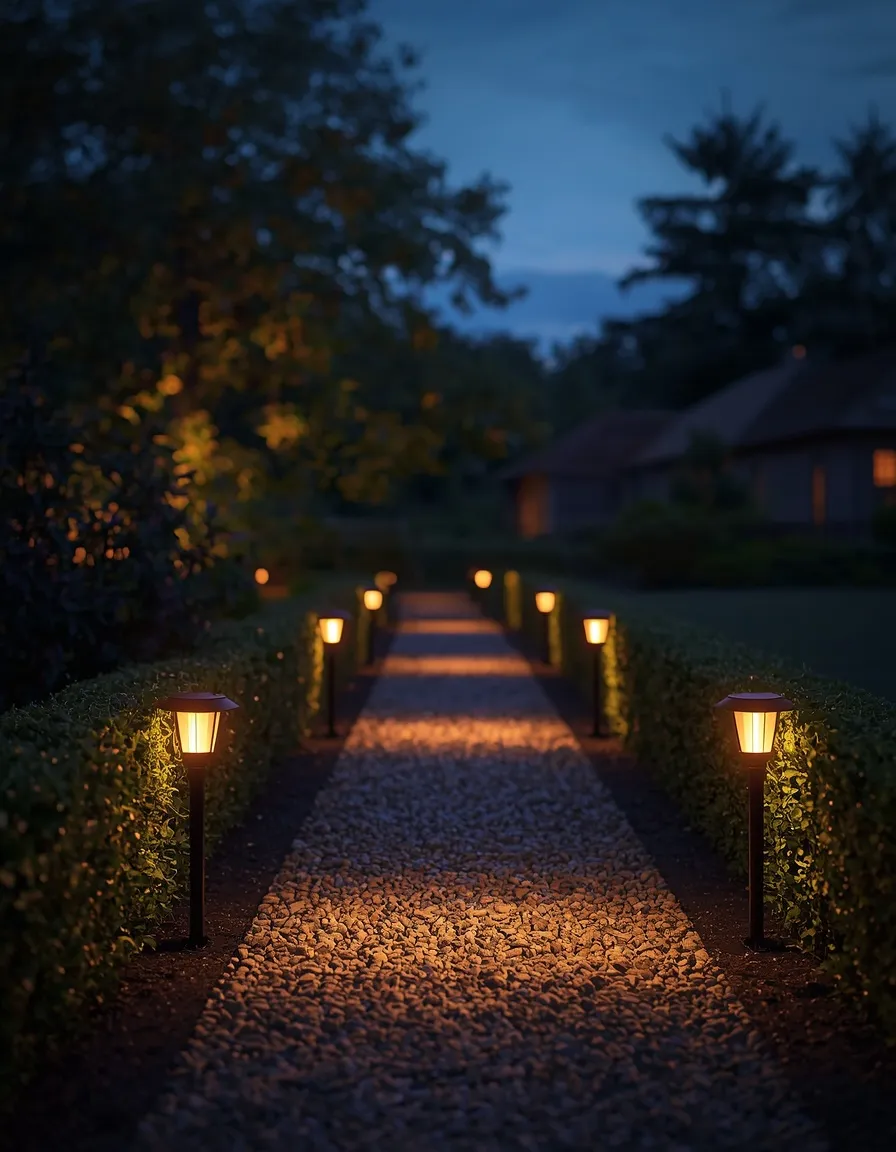
A line of small solar stake lights glowing along a path at dusk gives a garden the soft, layered lighting of a much larger landscaping budget, and each light typically costs less than a coffee.
Push the stakes into soil that receives direct sun for at least four to six hours a day, since solar panels charge poorly in shaded corners. Space lights roughly 1 to 1.5 metres (3 to 5 feet) apart for an even glow rather than clustering them, and wipe the solar panels clean every few weeks so dust does not block charging. Swap a few clear lights for warm amber ones to avoid the slightly clinical blue tint budget solar lights are known for.
- Needs no wiring, electrician, or ongoing electricity cost
- Works for pathways, patios, and border edges alike
- Extends how long a garden feels usable after sunset
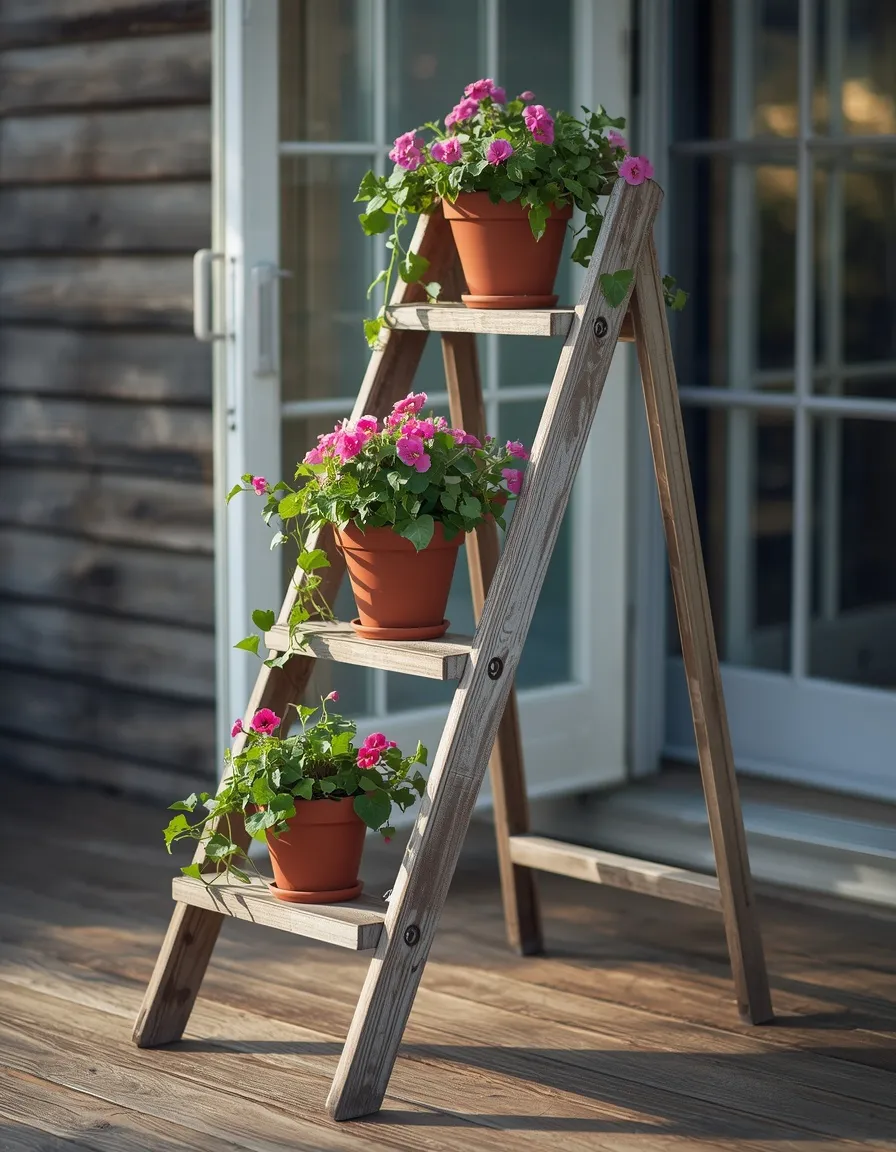
9. Upcycled Ladder Plant Stand
A wooden step ladder, propped open and lined with potted plants on each rung, turns a piece most people would throw away into a tiered display that makes a small collection of plants look abundant.
Check that the ladder is structurally sound before loading it with pots, since a wobbly hinge under weight is a genuine tipping hazard, especially where children or pets are nearby. Place the heaviest pots on the lowest rungs to keep the centre of gravity low, and add a strip of rubber shelf liner under each pot to stop it sliding on painted or varnished wood.
- Uses a single found object instead of buying a multi tier stand
- Solves the problem of limited floor space on a patio or balcony
- Creates height and visual layering in a small planting display
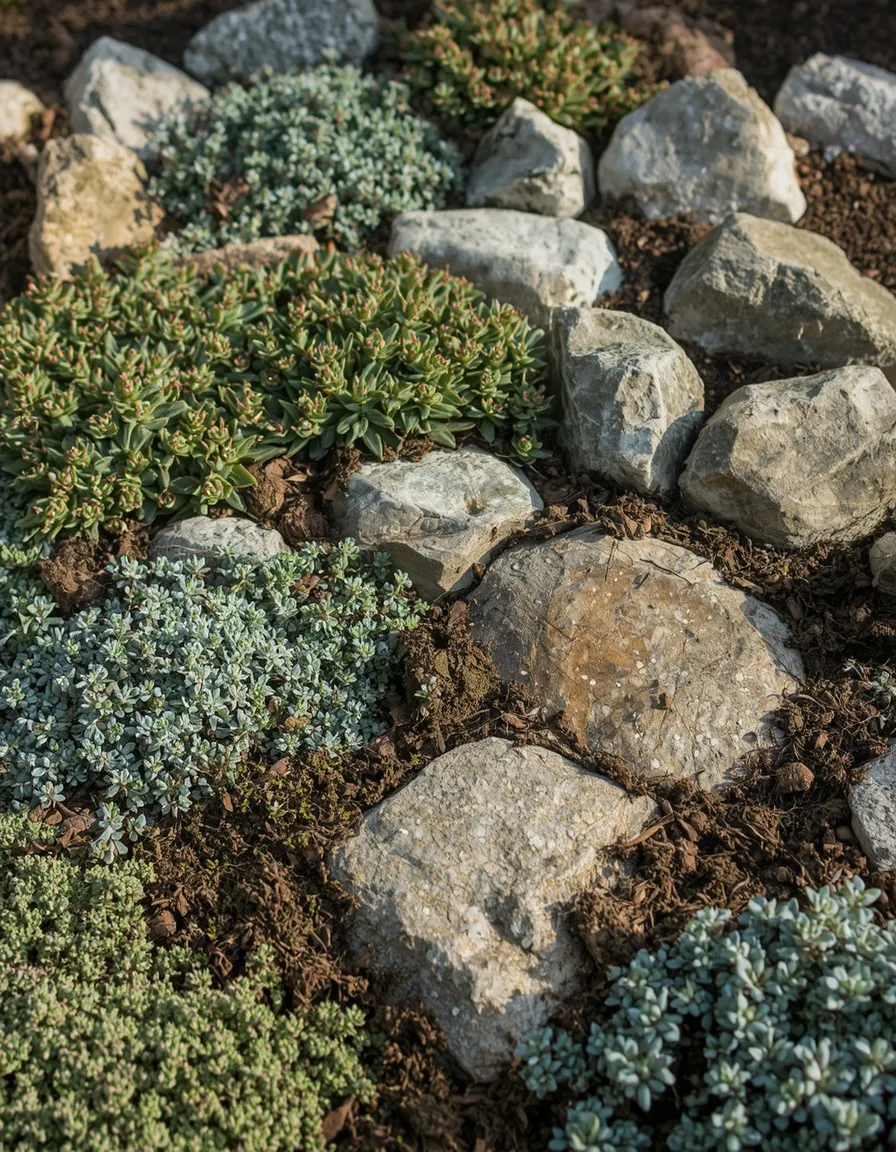
10. Budget Rock Garden
A rock garden built from stones sourced on site or offered free through local excavation and landscaping projects captures the textured, low maintenance look of an alpine planting scheme without the cost of quarried stone.
Contact local excavation companies, construction sites, or online marketplaces, where builders often give away fieldstone and rubble just to clear a site. Arrange the largest stones first to establish the garden’s structure, partially burying each one so it looks settled rather than placed on top of the soil, then fill the gaps with drought tolerant plants such as sedum, thyme, or hens and chicks. Wear proper footwear and lift with the legs rather than the back when moving heavier stones.
- Uses free or salvaged stone instead of purchased rock
- Suits dry, sloped, or poor soil areas where little else thrives
- One of the lowest maintenance cheap rock garden ideas once established
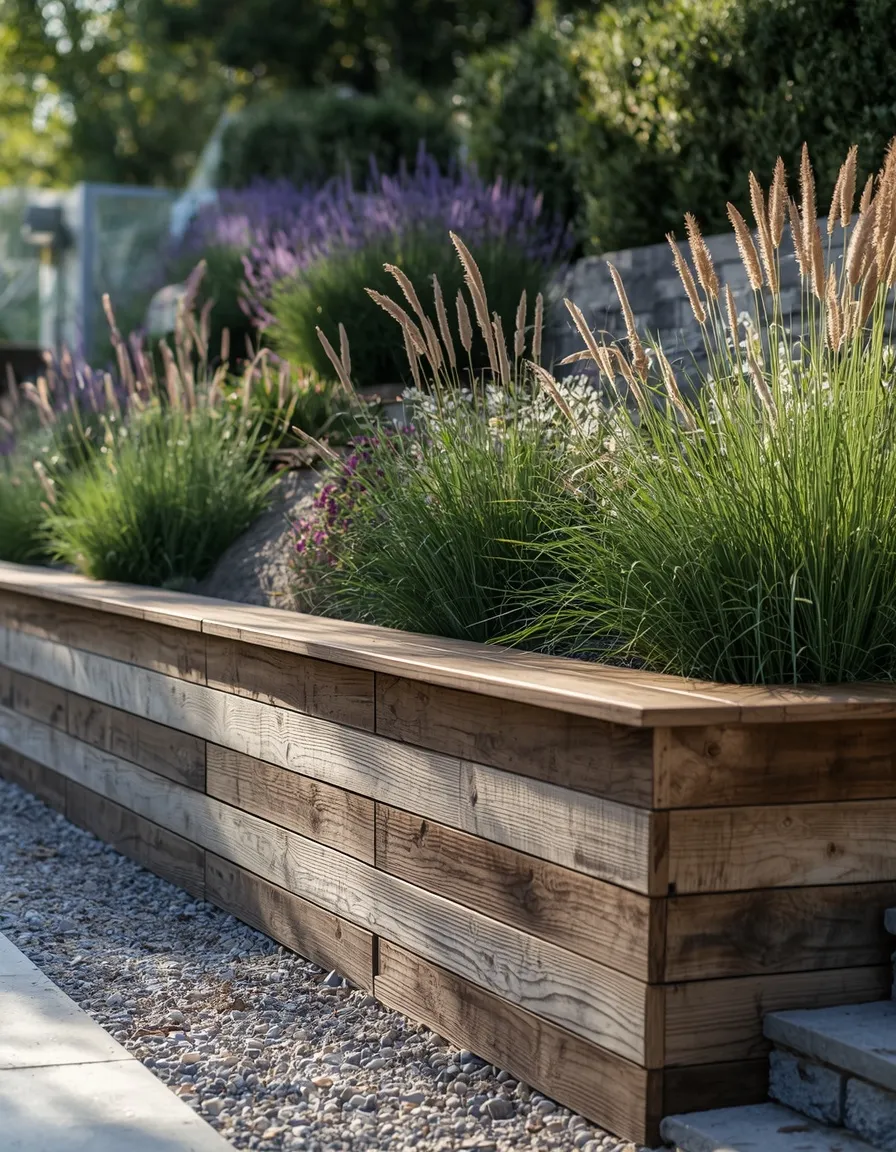
11. Reclaimed Timber Retaining Wall
A low retaining wall built from reclaimed railway sleepers or scaffold boards can turn an awkward slope into two usable, level planting terraces, at a fraction of the cost of a professionally built stone or block wall.
For walls under about 60 cm (2 feet), stacking pressure treated or hardwood timber and securing it with driven rebar stakes is generally within reach of a confident DIYer. Taller walls hold back significantly more soil pressure and typically require a footing, drainage gravel behind the wall, and in many areas a building permit, so it is worth checking local regulations before building above that height. This is a genuinely budget friendly answer among garden retaining wall ideas cheap enough for a weekend project, provided the scale stays modest.
- Uses reclaimed timber instead of new stone or concrete block
- Turns a sloped, hard to mow yard into flat planting terraces
- Best suited to low walls; taller walls need engineering and permits
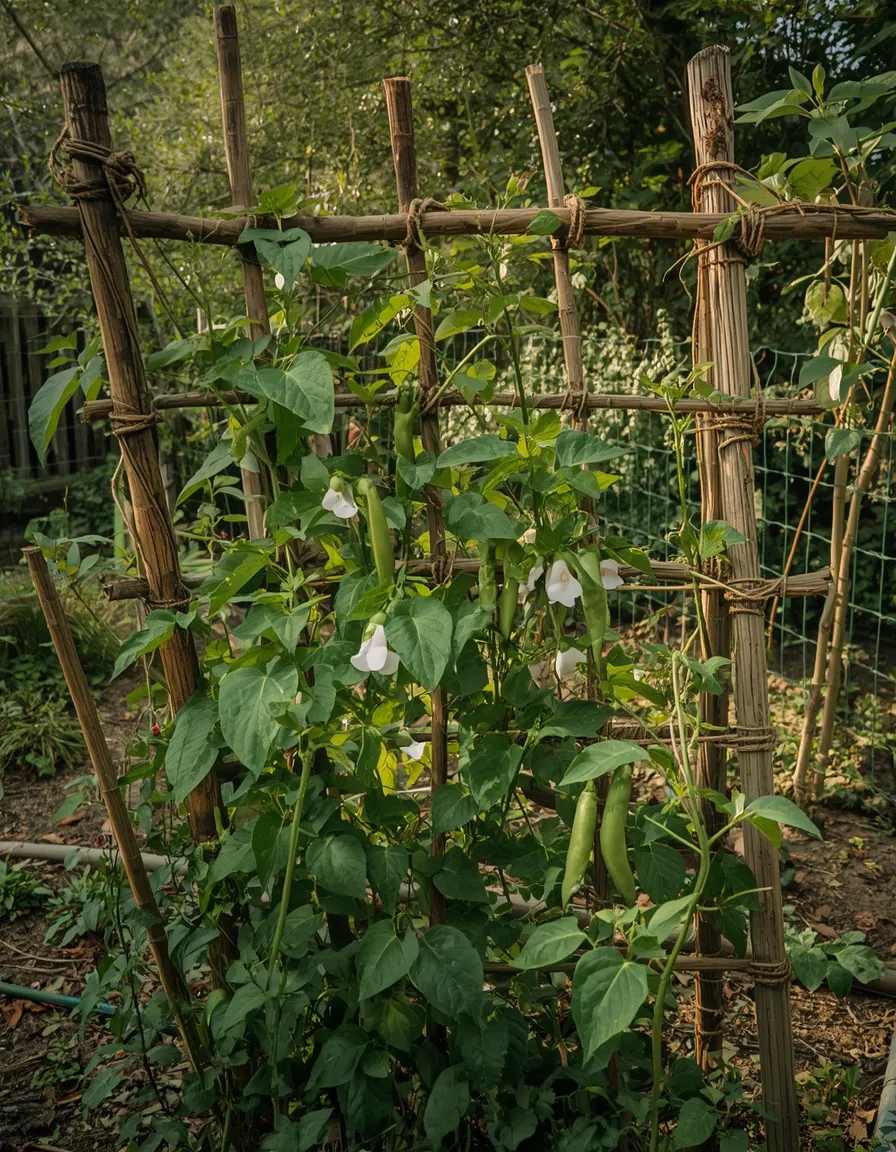
12. Branch and Bamboo Trellis
A trellis woven from pruned branches, willow whips, or bamboo canes gives climbing beans, sweet peas, or clematis a natural looking support structure that costs nothing beyond the pruning already happening in the garden.
Push the thicker branches at least 20 to 30 cm (8 to 12 inches) into the soil for stability, then weave thinner, flexible branches horizontally between them in a basketweave pattern. Willow and hazel are especially easy to bend when freshly cut. Anchor the base firmly before the growing season, since a trellis loaded with a mature vine and hit by wind needs a solid footing, not just a few centimetres of loose soil.
- Uses pruning waste instead of bought trellis panels
- Suits climbing vegetables, sweet peas, and flowering vines
- Blends into cottage style and naturalistic planting schemes
13. Thrifted Patio Seating Nook
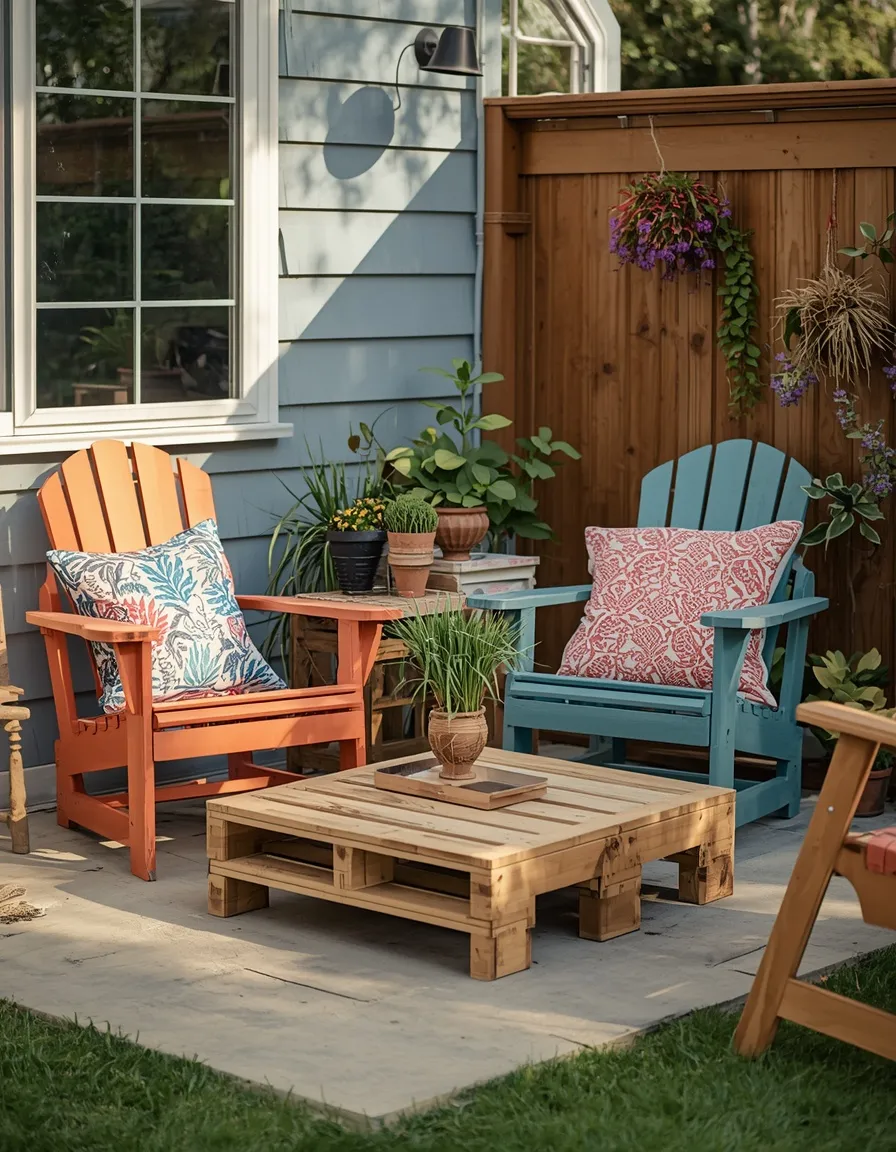
A pair of mismatched thrifted chairs, a reclaimed pallet coffee table, and a few outdoor cushions sewn from remnant fabric can create a patio seating nook with more character than a matching bought set.
Look for solid wood or metal furniture at charity shops, estate sales, and online marketplaces, since these materials outlast plastic in outdoor conditions. Sand and repaint with exterior furniture paint to unify mismatched pieces into one palette, and store cushions indoors or in a lidded box during rain to extend their life. This approach turns garden patio ideas cheap enough for a starter budget into a space that still feels finished and considered. For a genuinely small plot, pairing this nook with layout tips from Sunday Abode’s guide to small backyard ideas on a budget can help the whole space feel considered rather than crowded.
- Combines secondhand pieces into one cohesive seating area
- Avoids the cost of a matching outdoor furniture set
- Works on patios, decks, and gravelled seating areas alike
14. Wildflower Meadow Patch
Letting a section of lawn grow into a wildflower patch replaces the ongoing cost of mowing, watering, and feeding grass with a single packet of seed and a season of colour that also supports local pollinators.
Scratch the soil surface with a rake to remove thatch, scatter a native wildflower seed mix suited to the local climate, and press the seed in rather than burying it deep, since many wildflower seeds need light to germinate. Mow the patch once at the end of the season to let seed drop for the following year. Choose a seed mix free of foxglove or larkspur if pets roam the garden, since both are toxic if chewed.
- Cuts ongoing lawn maintenance costs to almost nothing
- Supports bees and other pollinators through a full flowering season
- Works well on slopes or poor soil where grass struggles

15. Container Vegetable Garden
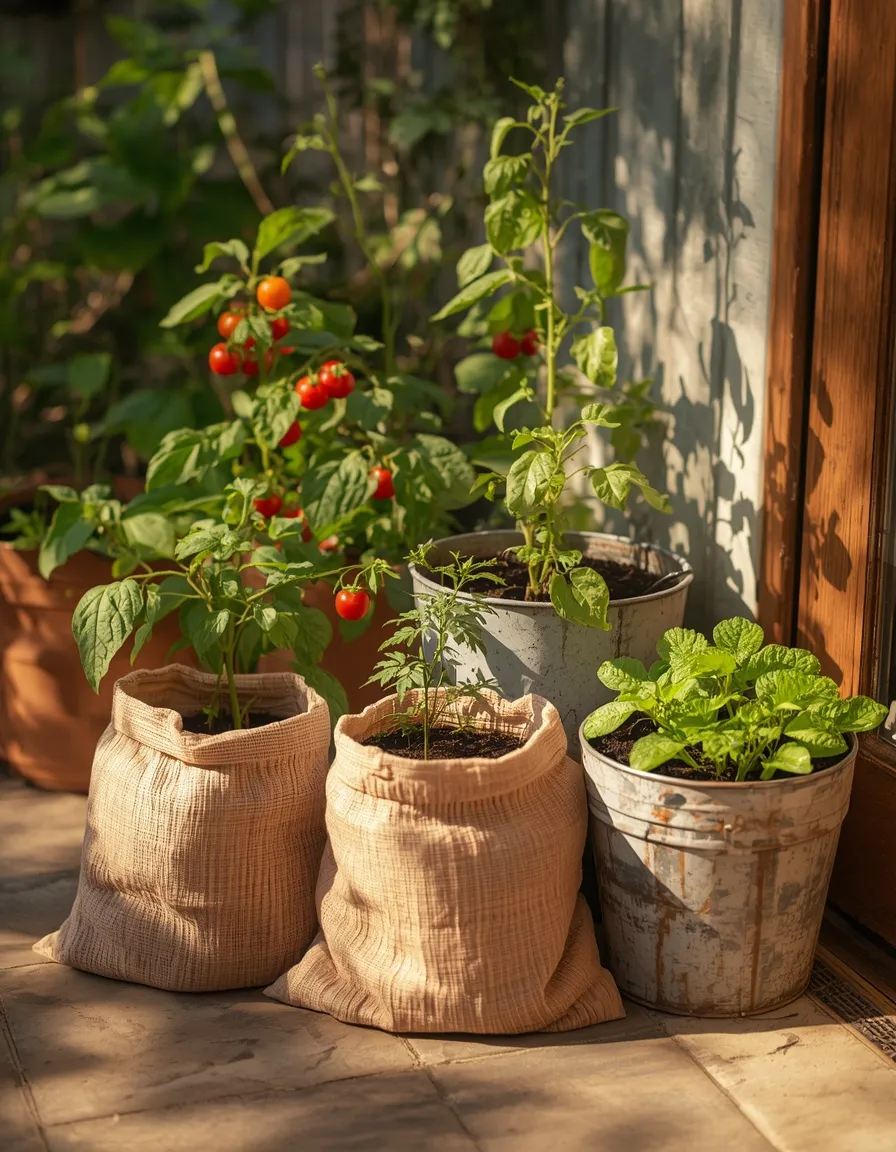
A cluster of grow bags or repurposed buckets planted with tomatoes, salad leaves, and dwarf beans proves that a genuinely productive vegetable patch does not need a dug over plot at all.
Fabric grow bags cost less than most plastic planters and drain well, which reduces the risk of root rot. Choose compact or patio varieties bred for containers, and feed with a diluted liquid feed every one to two weeks once flowering starts, since container compost runs out of nutrients faster than garden soil. This is consistently one of the most productive cheap container vegetable garden ideas for renters or anyone gardening on a patio, balcony, or driveway.
- Needs no dug bed, ideal for renters or hard standing yards
- Produces a genuine harvest of herbs, salad, and fruiting vegetables
- Keeps vegetable garden design cheap by reusing buckets, bags, or crates
16. Kids’ Sensory Garden Bed
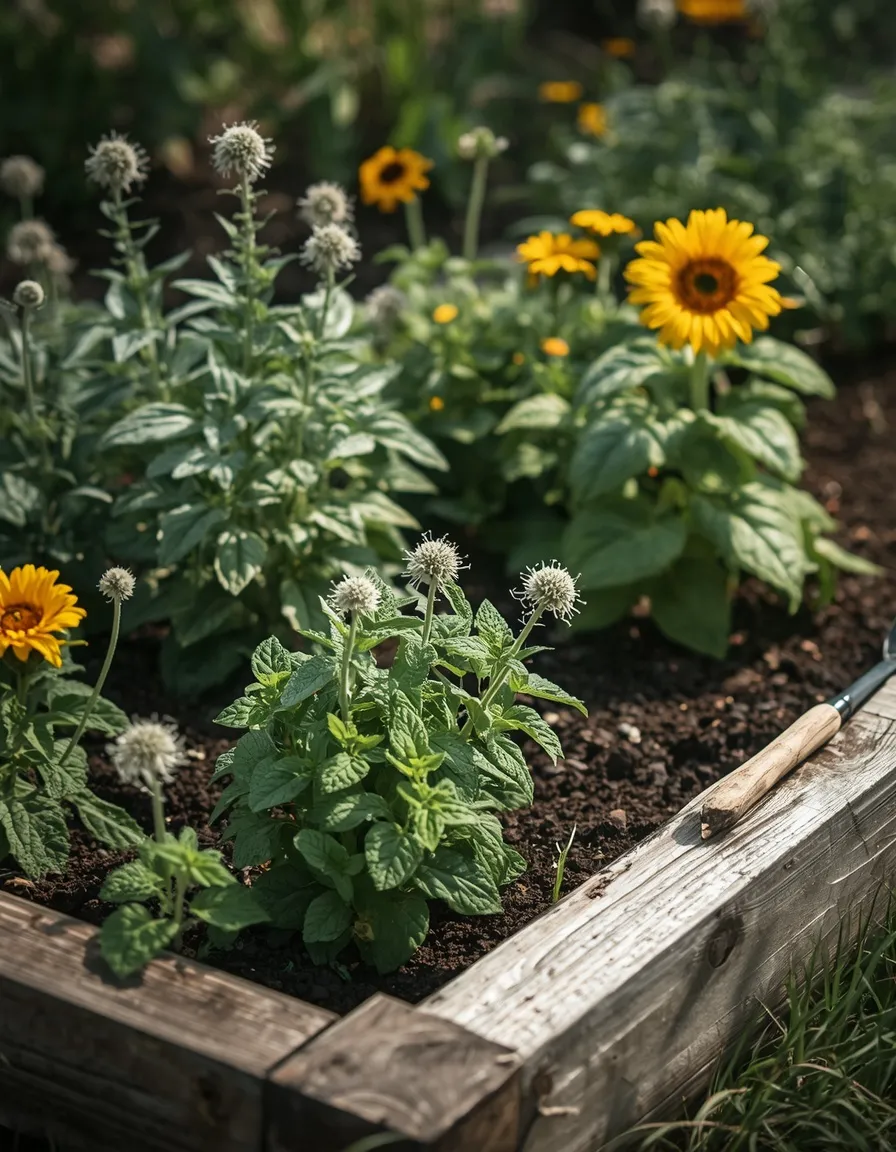
A small raised bed planted with soft lamb’s ear, fragrant mint, and easy sunflowers gives children a hands on patch to dig in, smell, and harvest, without risking anything precious elsewhere in the garden.
Keep the bed low, around 30 cm (12 inches) tall, and edge it with a soft material such as rounded timber rather than sharp stone, since this is one of the more genuinely useful cheap garden ideas for kids when safety comes first. Choose only non toxic plants for a children’s bed, since young children commonly put leaves and berries in their mouths; the ASPCA’s plant guide lists foxglove, lily of the valley, and oleander among species to avoid near young children and pets.
- Gives children ownership of a small, low stakes patch to tend
- Encourages sensory play through texture, scent, and easy harvesting
- Requires only non toxic, child safe plant choices
17. Fabric Scrap Bunting for Garden Parties
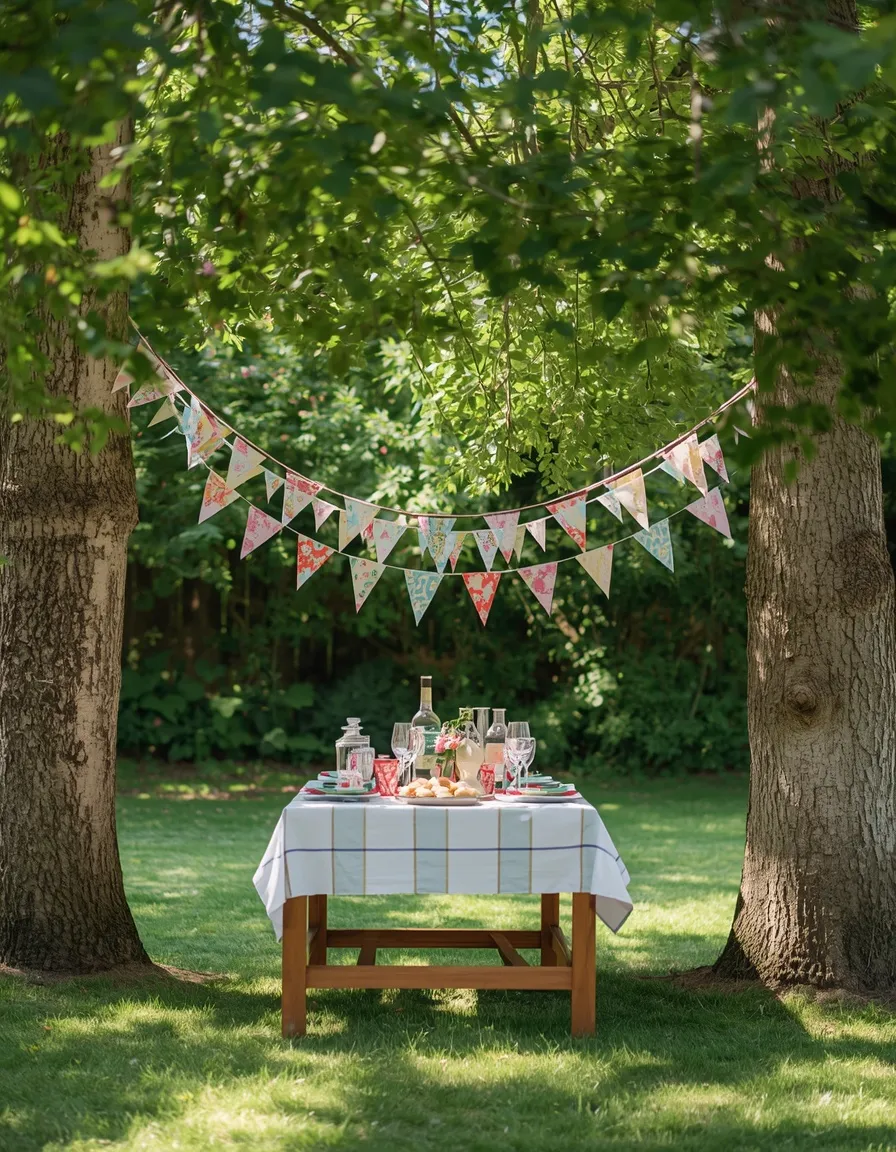
Triangles cut from leftover fabric scraps, old bedsheets, or a worn out shirt, strung along a length of twine, dress up a garden gathering with colour and movement for the cost of thread alone.
Cut triangles roughly 15 cm (6 inches) wide, fold the top edge over a length of bias tape or ribbon, and stitch or glue in place, alternating patterns and solids for visual rhythm. String the finished bunting between two trees, a fence, and a pergola post, keeping it high enough to clear guests’ heads. This is one of the easiest cheap garden party decoration ideas to make in bulk, since scraps that would otherwise be thrown away become the entire material cost.
- Uses fabric scraps instead of buying disposable party decor
- Reusable for multiple gatherings, unlike paper bunting
- Adds colour and movement without any electrical lighting needed
18. Mason Jar Lantern Lighting
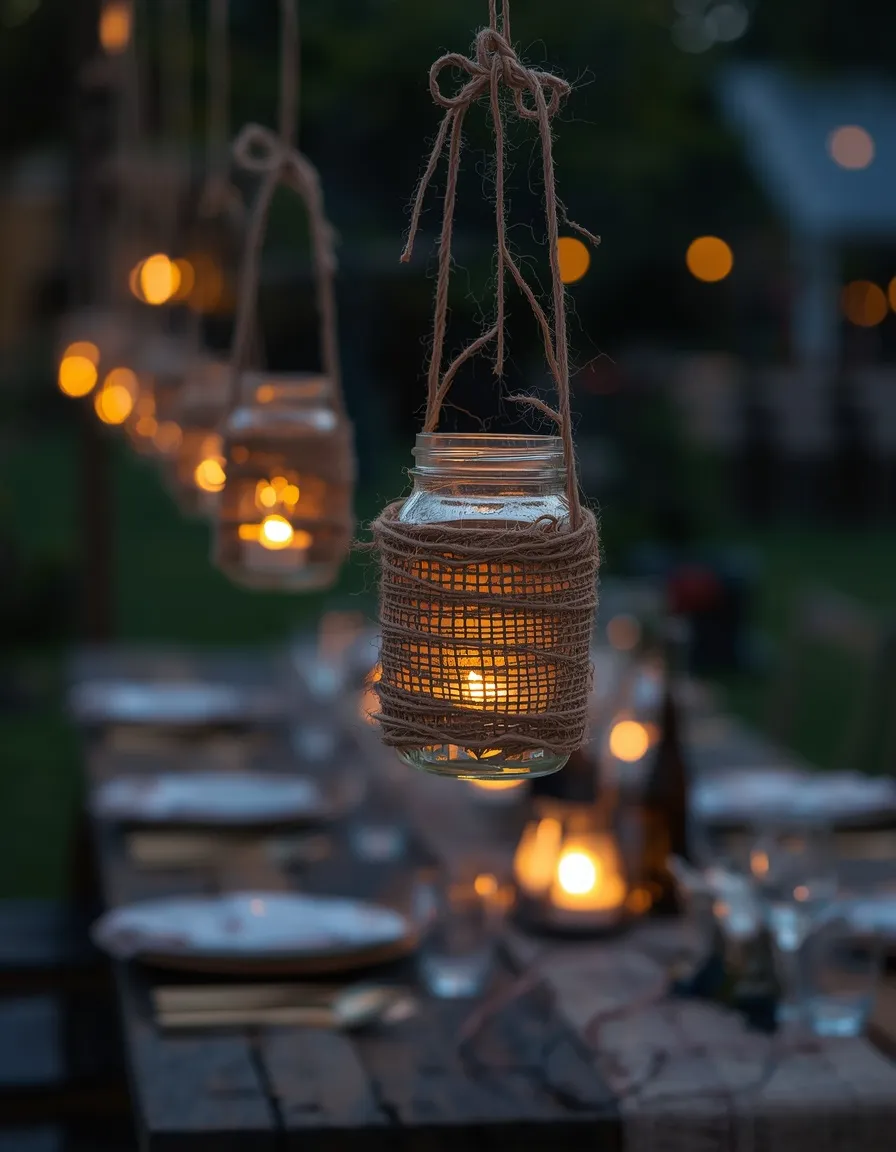
A cluster of mason jars, each holding a battery tea light or short strand of fairy lights, hung from a tree branch or lined along a table edge, gives an evening garden gathering a warm, candlelit glow.
Choose flameless battery tea lights rather than real candles inside hanging jars, since a swinging open flame near dry foliage or fabric bunting is a genuine fire risk. Wrap the jar necks with jute twine or wire to create a hanging loop, and group jars in odd numbers of three or five along a table runner for the most natural looking arrangement. This is a reliable, reusable alternative to disposable string lights bought for a single event.
- Reuses jars already in most kitchens instead of buying lanterns
- Provides safe, flameless ambient lighting for evening gatherings
- Works for everyday garden decor and larger garden parties alike
19. Pallet Compost Bin
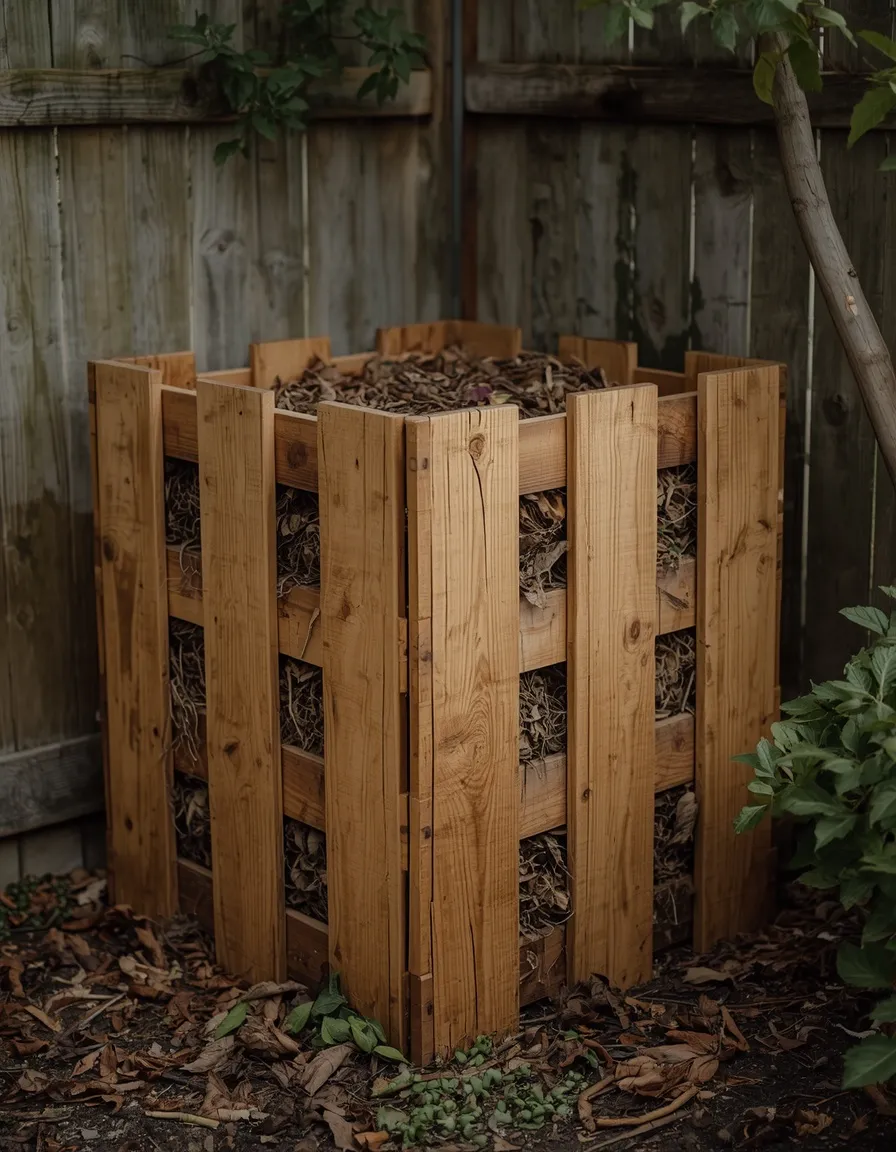
Four pallets, stood on end and wired or screwed together into a square, make a functional compost bin that turns kitchen scraps and garden waste into free soil improver instead of paying for bagged compost.
Choose a spot with some shade to stop the pile drying out completely, and leave one side hinged or removable so the finished compost is easy to shovel out. Layer green material such as vegetable peelings with brown material like dry leaves or cardboard at roughly equal volumes, and turn the pile every few weeks to keep air moving through it, since a compacted, airless pile can attract rodents and smell unpleasant.
- Turns waste that would go to landfill into free compost
- Reduces or eliminates the ongoing cost of bagged soil improver
- Needs only pallets and basic hardware to assemble
20. Painted Rock Plant Markers
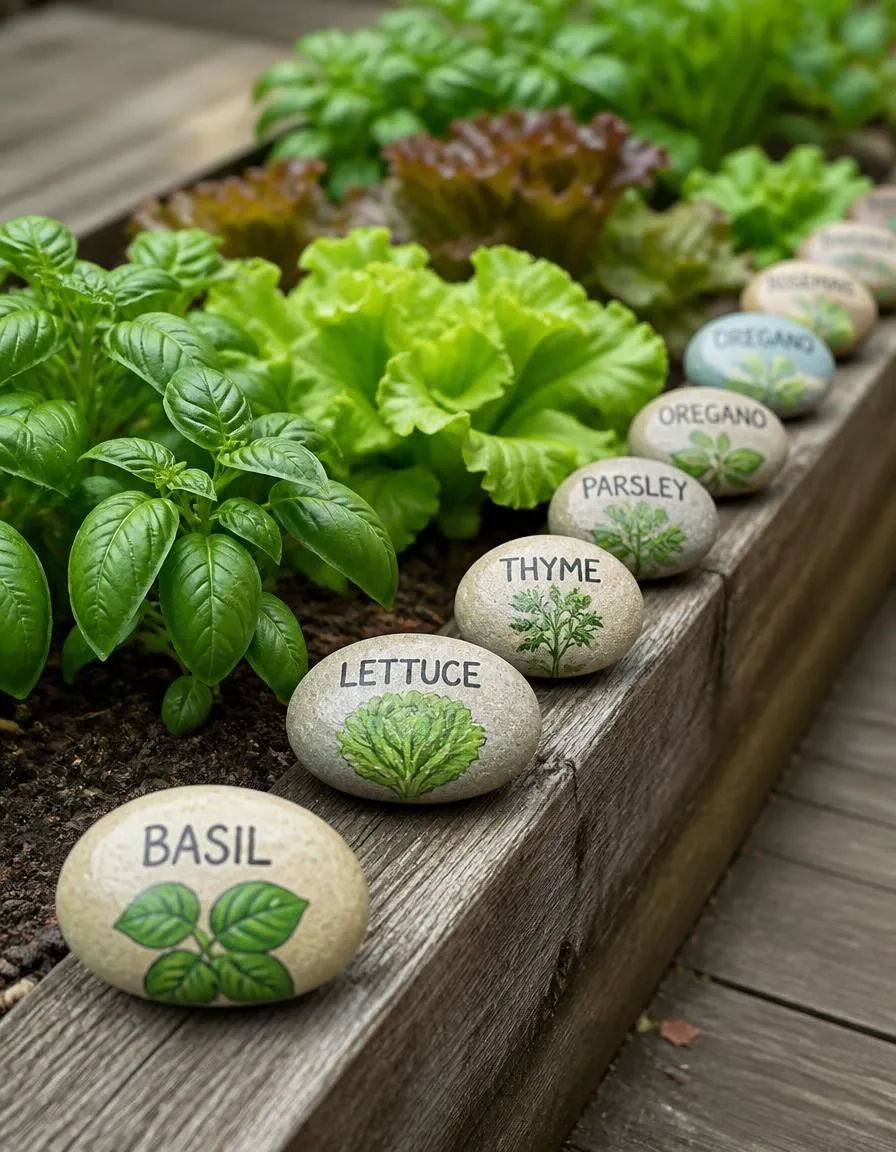
Smooth stones gathered from a garden path or beach, hand painted with the names of herbs and vegetables, replace bought plastic plant labels with a small, personal detail that survives seasons of watering without fading the way ink on plastic does.
Use exterior acrylic paint and seal the finished design with a clear varnish or outdoor sealant so the lettering survives rain and sun. Group a small collection of themed rocks, such as a full salad bed labelled in one paint colour, or let children paint their own for the sensory bed described above. This is a small but genuinely useful addition among cheap garden decor DIY projects, since it solves a real organisational need rather than existing purely for decoration.
- Replaces bought plant markers with free, gathered stones
- Doubles as a simple craft project for children
- Holds up outdoors better than printed plastic labels
21. Repurposed Tyre Swing Corner
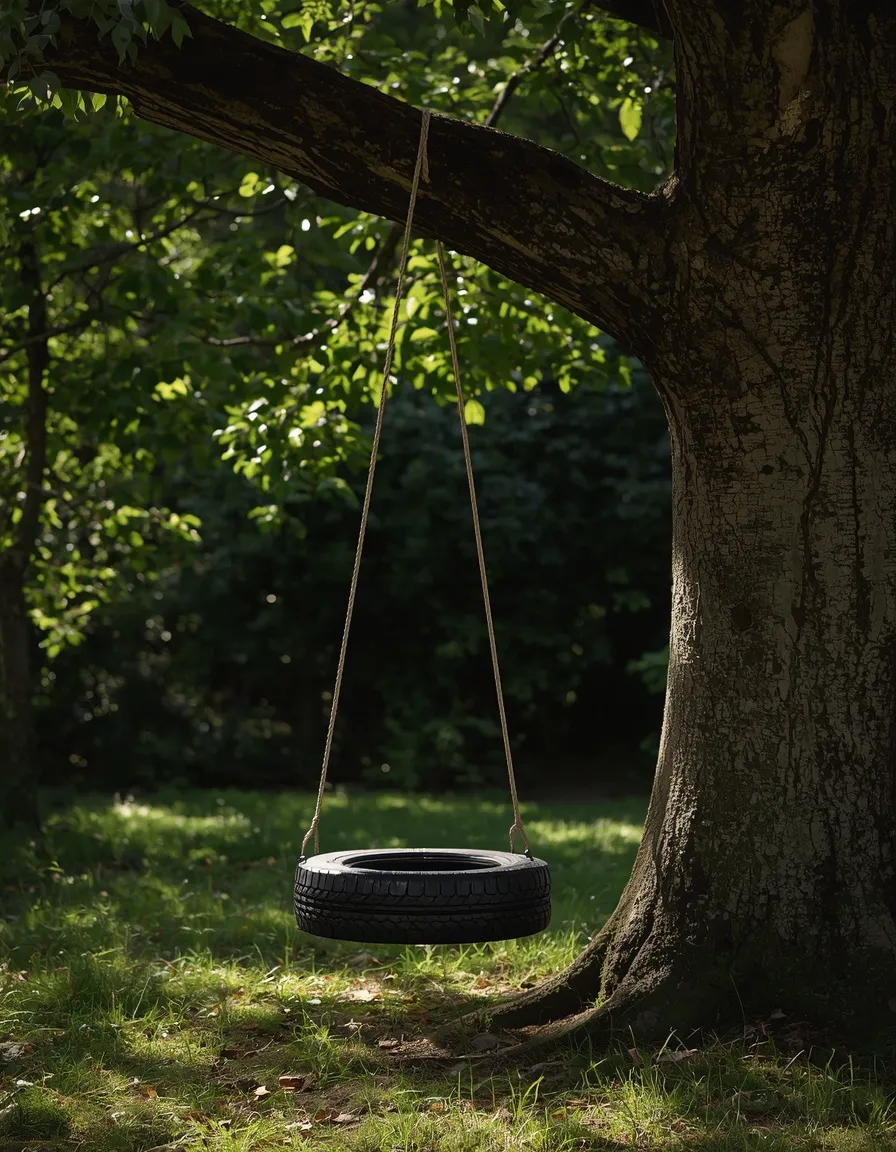
A cleaned, painted tyre hung from a sturdy branch turns an unused corner of the garden into a genuine play feature, giving children a reason to spend time outdoors that costs nothing beyond a length of rope or chain.
Use a rated swing chain or thick, weather resistant rope rated for the intended load, and confirm the branch is at least 15 to 20 cm (6 to 8 inches) in diameter and free of visible rot or cracking before hanging anything from it. Drill several drainage holes in the lowest point of the tyre so rainwater does not collect and become a mosquito breeding site. Recheck the hardware every season, since UV exposure weakens rope and rubber over time.
- Reuses a tyre that would otherwise cost money to dispose of
- Gives children a durable, low cost outdoor play feature
- Needs a sound branch and rated hardware for safe use
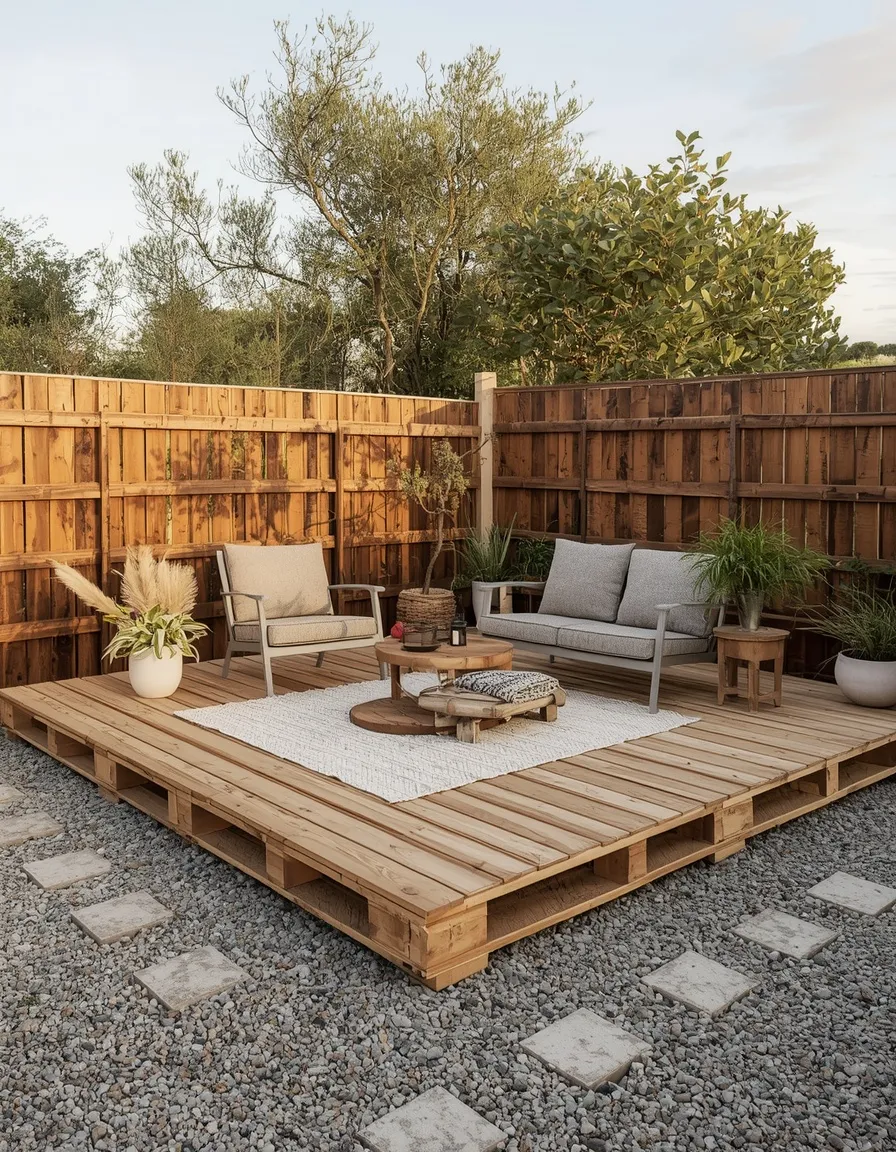
22. Reclaimed Pallet Decking
A small deck built from disassembled pallet slats, laid over compacted gravel or a simple timber frame, creates a level seating platform for a fraction of the cost of composite or new timber decking boards.
Choose heat treated pallets, sand the slats smooth, and space them with a small gap for drainage before screwing them to support joists. Raise the frame slightly off bare soil with paving slabs or bricks at the corners to reduce ground contact and slow rot, then finish with an exterior decking oil or stain reapplied yearly. Among cheap garden decking ideas, this is best suited to small platforms such as a seating corner or hot tub base rather than a full sized deck spanning a large garden.
- Uses reclaimed pallet wood instead of new decking boards
- Suits small platforms, seating corners, or container garden staging
- Needs yearly resealing to hold up against weather
23. Free Mulch and Leaf Compost
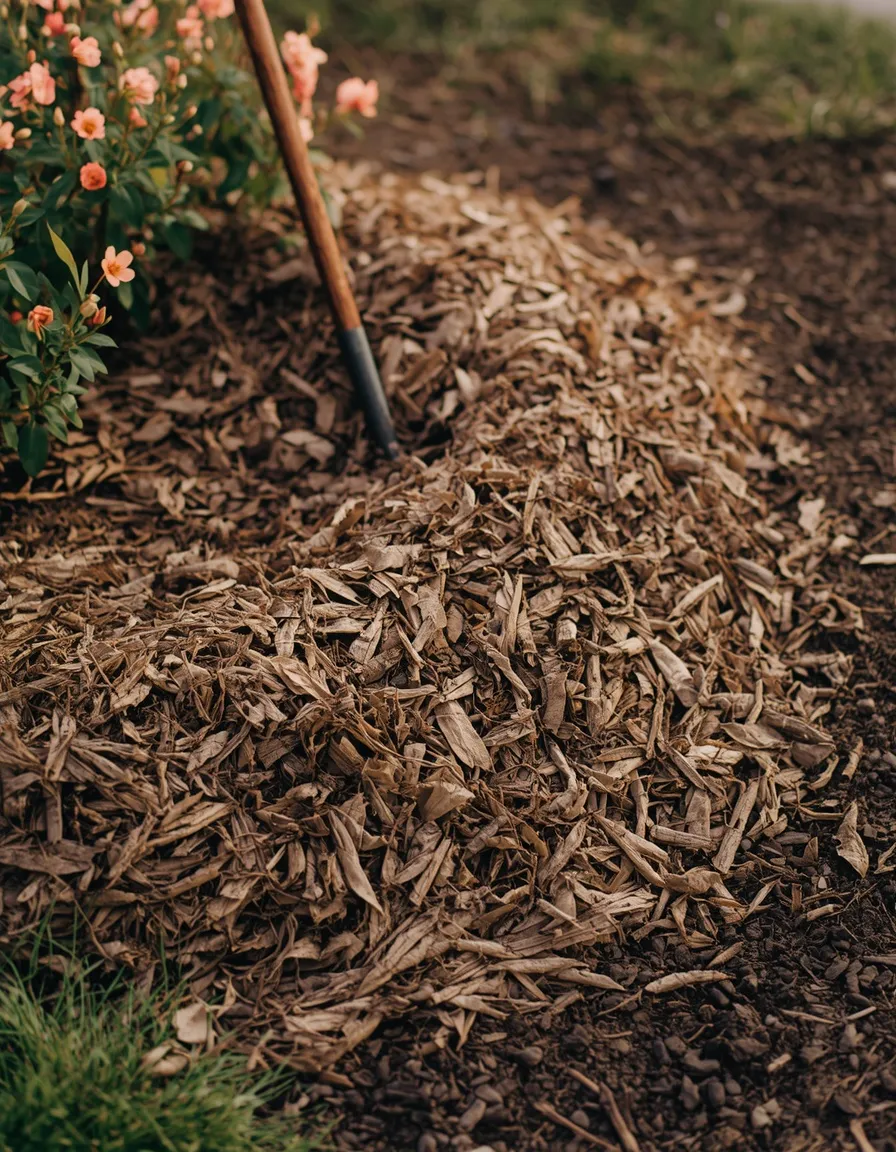
A thick layer of mulch made from fallen autumn leaves, grass clippings, or wood chips offered free by local tree surgeons does the same job as bagged bark mulch, suppressing weeds and holding moisture, without the ongoing cost.
Many municipal councils and local tree surgery companies give away wood chip and shredded leaves simply to avoid a disposal fee, so a quick phone call or search of a community noticeboard often turns up a free load. Spread mulch 5 to 7.5 cm (2 to 3 inches) deep around plants, keeping it a few centimetres clear of stems and trunks to avoid rot. This single habit is one of the most overlooked cheap easy garden ideas, since it reduces watering frequency and weeding time all season.
- Replaces bagged mulch with free, locally sourced material
- Cuts down on watering and weeding across the growing season
- Improves soil structure for free as it breaks down
Conclusion
None of these projects depend on a big budget, only on a willingness to treat pallets, old tyres, thrifted furniture, and pruning waste as raw material rather than rubbish. That is what cheap garden ideas come down to: noticing what is already available, from free stone on a building site to cuttings from a neighbour’s border. Start with one or two projects that suit the space and season rather than attempting all twenty three at once, and let the garden build up gradually from there. For more ways to plan layouts and choose materials on a budget, Sunday Abode’s garden design coverage is a natural next stop, and a season spent building instead of buying tends to leave a garden with more character, not less.
Frequently Asked Questions
What is the cheapest way to start a garden from scratch?
Begin with free or nearly free plant material rather than a nursery haul: cuttings from a neighbour, a local plant swap, and reclaimed containers cover most of what a new garden needs. Pair that with free mulch or leaf compost from a local tree surgeon and a few solar lights, and the entire starting cost can stay under the price of one bought planter.
How can I decorate a garden on a very tight budget without it looking cluttered?
Unify mismatched or repurposed pieces with one paint colour or finish so they read as a set rather than a pile of found objects. Group containers and decor in odd numbers of three or five, and choose one or two focal projects, such as a pallet planter wall or a seating nook, rather than adding a little of everything.
What are good cheap garden ideas for a small backyard or balcony?
Vertical projects work hardest in tight spaces, since a pallet herb wall or an upcycled ladder plant stand adds growing area without using floor space. A container vegetable garden built from grow bags or buckets is also a strong option, since it needs no dug bed and can be rearranged as the space evolves.
Are reclaimed pallets safe to use for garden planters and furniture?
Most pallets are safe once checked, but it is worth looking for a stamp reading HT, which means heat treated, rather than MB, which indicates a chemical fumigant not suited to anything growing food. Sanding rough edges and lining planters with landscape fabric before adding soil is a simple extra safety step.
What cheap garden ideas work well specifically for kids?
A low, edged sensory bed planted with only non toxic species gives children a safe patch to dig in and harvest from, while a securely hung tyre swing turns an unused corner into a play feature. Painted rock plant markers also double nicely as a low cost craft project that gets children involved in the wider garden.
How do I build a rock garden or retaining wall without spending much?
For a rock garden, ask local excavation or construction companies for fieldstone they would otherwise pay to dispose of, then bury each stone partway so it looks settled. For a retaining wall, reclaimed railway sleepers or scaffold boards work well for low walls under about 60 cm, though taller walls need proper drainage and often a permit, so it is worth checking local rules first.
What is the easiest cheap garden idea to start with this weekend?
A gravel pathway or a line of solar stake lights are both realistic one afternoon projects that make an immediate visual difference. Neither requires specialist tools, and both can be adjusted or expanded later once the rest of the garden catches up.