
Introduction
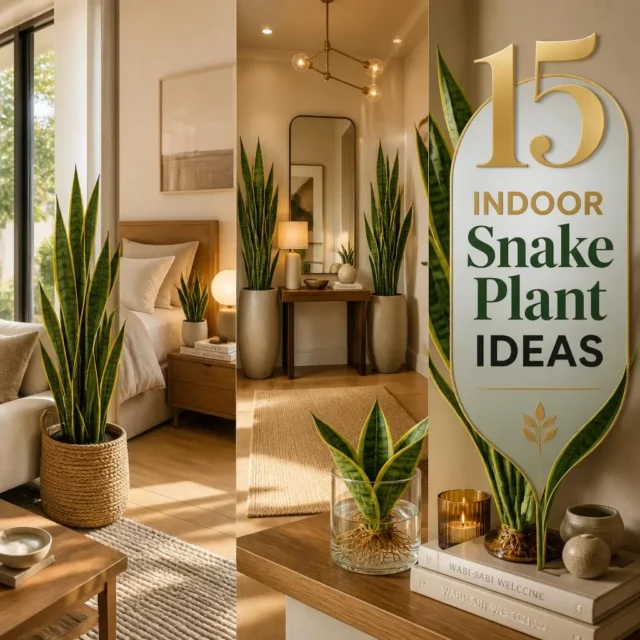
With its bold, upright leaves edged in silver and gold, the snake plant is the houseplant that makes styling look effortless. The best indoor snake plant ideas take this near-indestructible plant beyond a plain pot in a corner, turning its sculptural shape into a real design featurea floor statement by the sofa, a pair framing a bed, or a low rosette on a shelf. Because the snake plant (Dracaena trifasciata, still widely sold as Sansevieria) tolerates low light and irregular watering, it fits rooms where fussier plants sulk. At Sunday Abode, we love a plant that gives so much for so little, and these 15 ideas show how to style one in every roomwith the pot and placement tips that keep it healthy, upright, and thriving.
Key Takeaways
- Style snake plants almost anywherethey tolerate low light and long gaps between wateringbut they grow fullest in bright, indirect light.
- The pot makes the look: match the planter to your room’s style, and always use drainage or a cachepot, since soggy roots are the snake plant’s main killer.
- Snake plants are toxic to cats and dogs if chewed, so style tall varieties on the floor thoughtfully and small ones up out of reach in pet homes.
- Choose the variety by form: tall Laurentii for floor statements, low Bird’s Nest (Hahnii) for shelves and desks, cylindrical types for a modern look.
- You can grow a snake plant in water, but only with the right method, or the rhizome will rot.
1. Living Room Floor Statement
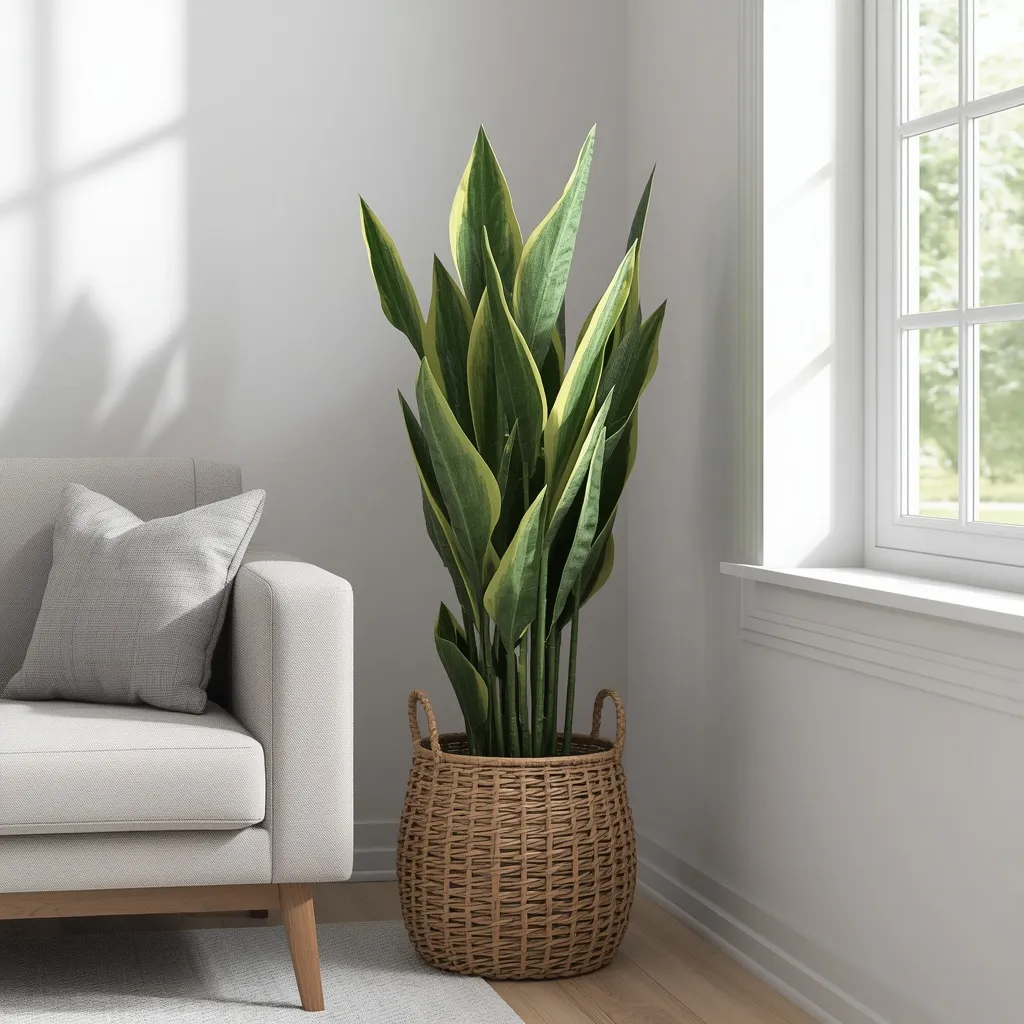
A tall snake plant in a floor planter brings sculptural height to a living-room corner. Its upright, sword-like leaves rise from a woven basket or ceramic floor pot beside a sofa or media unit, filling vertical space with architectural green and zero fuss.
Choose a tall variety like Sansevieria Laurentii, which reaches around 60–120 cm (24–48 in), and set it in a floor pot roughly one-third as tall as the plant for good proportion. Place it near a window for bright, indirect light, though it will cope with a shadier corner too. Always use a pot with drainage holes, or slip the nursery pot into a decorative basket, since standing water rots the roots. This low-effort statement suits almost any living room and is the classic way to style a snake plant.
- Best for: filling an empty living-room corner with easy height.
- Watch out: use drainage or a cachepot; soggy roots are the main killer.
- Key elements: tall Laurentii, floor basket or pot, bright indirect light.
2. Modern Bedroom Nightstand
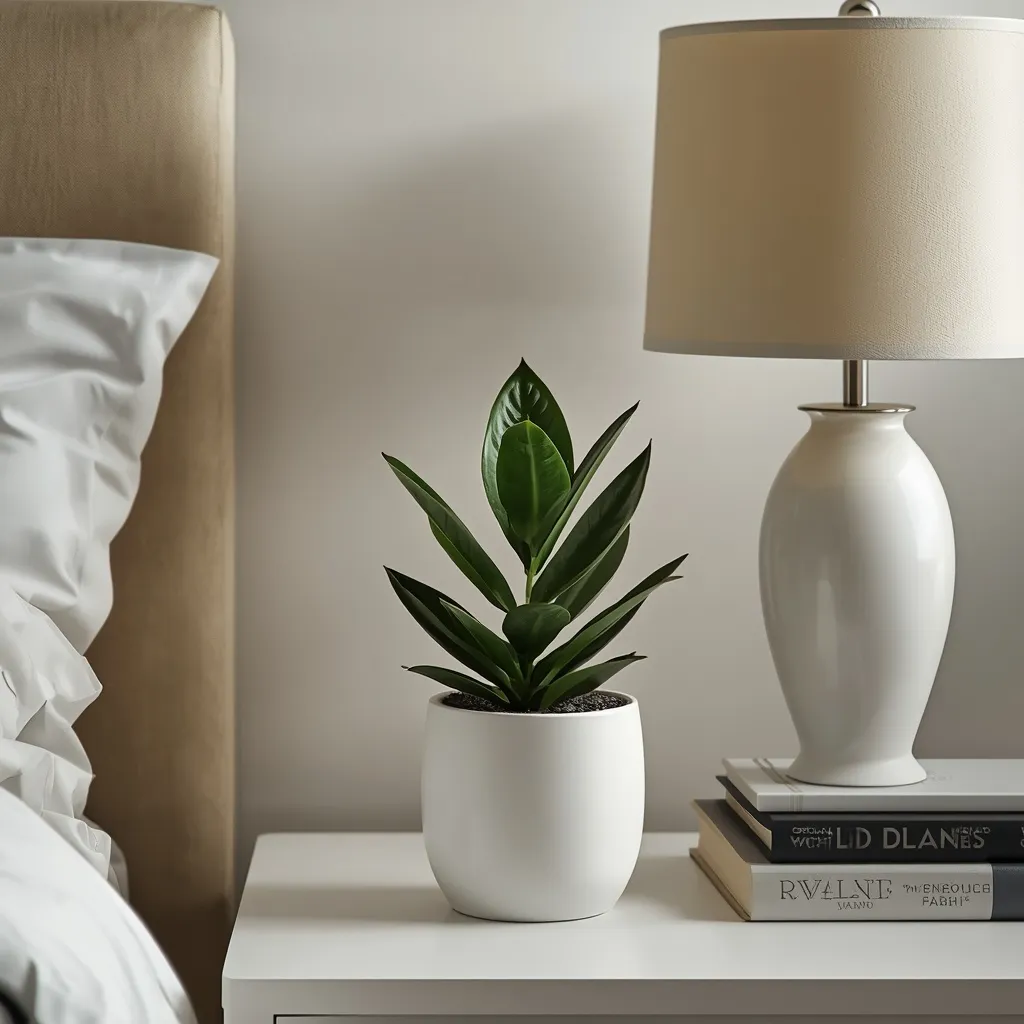
A compact snake plant on a nightstand adds calm, living green beside the bed. A small Bird’s Nest variety in a simple ceramic pot sits neatly next to a lamp and books, bringing a restful, modern touch to the bedroom.
Pick a low, rosette-forming variety like Sansevieria Hahnii, which stays under about 30 cm (12 in) and won’t crowd a nightstand. Snake plants suit bedrooms because they tolerate lower light and release some oxygen at night. Keep it in a pot with drainage and water only when the soil is fully dry, roughly every two to three weeks. Importantly, keep it out of reach if pets share the bedroom, since the leaves are toxic if chewed. A clean ceramic pot keeps the look uncluttered.
- Best for: a restful, low-maintenance bedside plant.
- Watch out: toxic to pets; keep off nightstands cats can reach.
- Key elements: low Hahnii variety, small ceramic pot, dry-then-water routine.
3. Symmetrical Entryway Pair
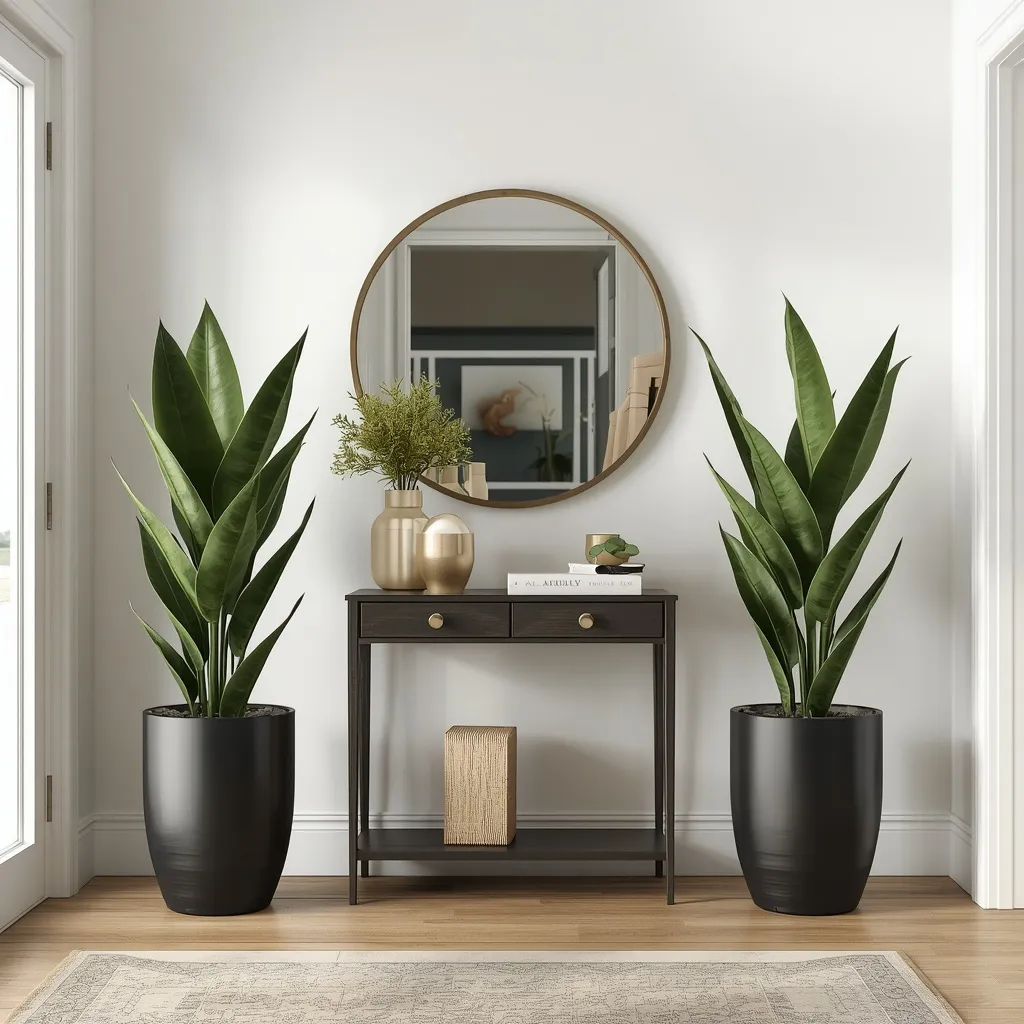
Two matching snake plants flanking an entryway create an instant sense of order and welcome. A mirrored pair in identical pots on either side of a console or doorway looks polished, formal, and effortlessly high-end.
Buy two similarly sized snake plants in identical planters and place them symmetrically to frame a console, mirror, or doorway. Symmetry reads as calm and intentional, making it a favorite trick for entryways. Choose pots that echo the entry’s finishmatte black, white, or brass-tonedand give both plants similar light so they grow at the same pace. Turn each a quarter-turn every few weeks so they stay even and upright. This formal look suits entryways and hallways with a little natural light.
- Best for: a formal, welcoming entryway or hallway.
- Why it works: a mirrored pair reads as polished and designer-considered.
- Key elements: two matching snake plants, identical pots, symmetrical placement.
4. Minimalist Ceramic Pairing
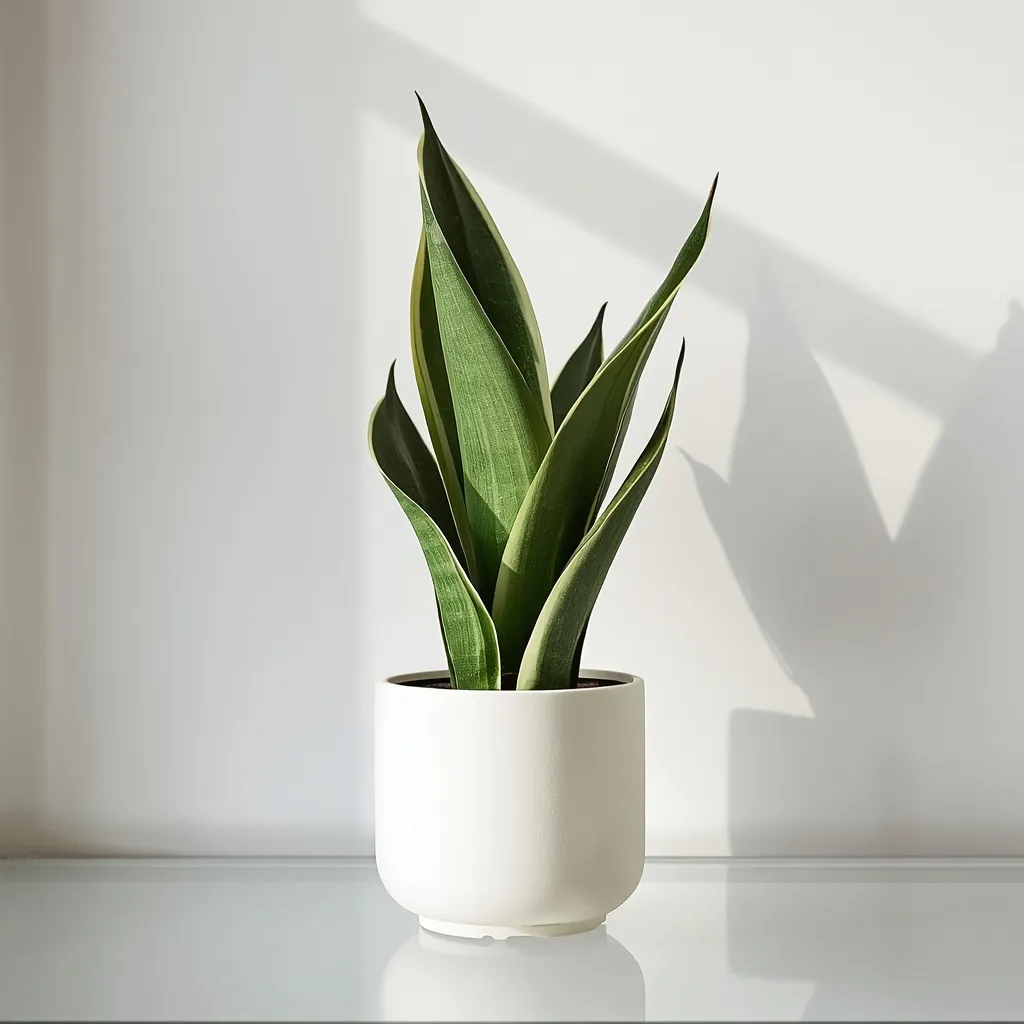
A snake plant in a simple matte ceramic pot is minimalism at its easiest. The plant’s clean vertical lines stand out against a plain white, black, or concrete-grey vessel, looking sculptural and intentional with nothing else needed.
For a minimalist look, let the plant and pot be the entire statement: choose one matte ceramic planter in a neutral tone and a simple cylindrical or tapered shape, and keep the surrounding surface clear. Use a cachepota decorative pot with no holeover the plastic nursery pot so you can lift the plant out to water and avoid waterlogging. The snake plant’s strong architectural form is what makes this restraint work. This suits modern living rooms, home offices, and shelves in any pared-back interior.
- Best for: modern, minimalist rooms and clean-lined shelves.
- Why it works: the plant’s strong vertical form carries a pared-back look.
- Key elements: matte ceramic cachepot, neutral tone, cleared surface.
5. Boho Woven Basket Look
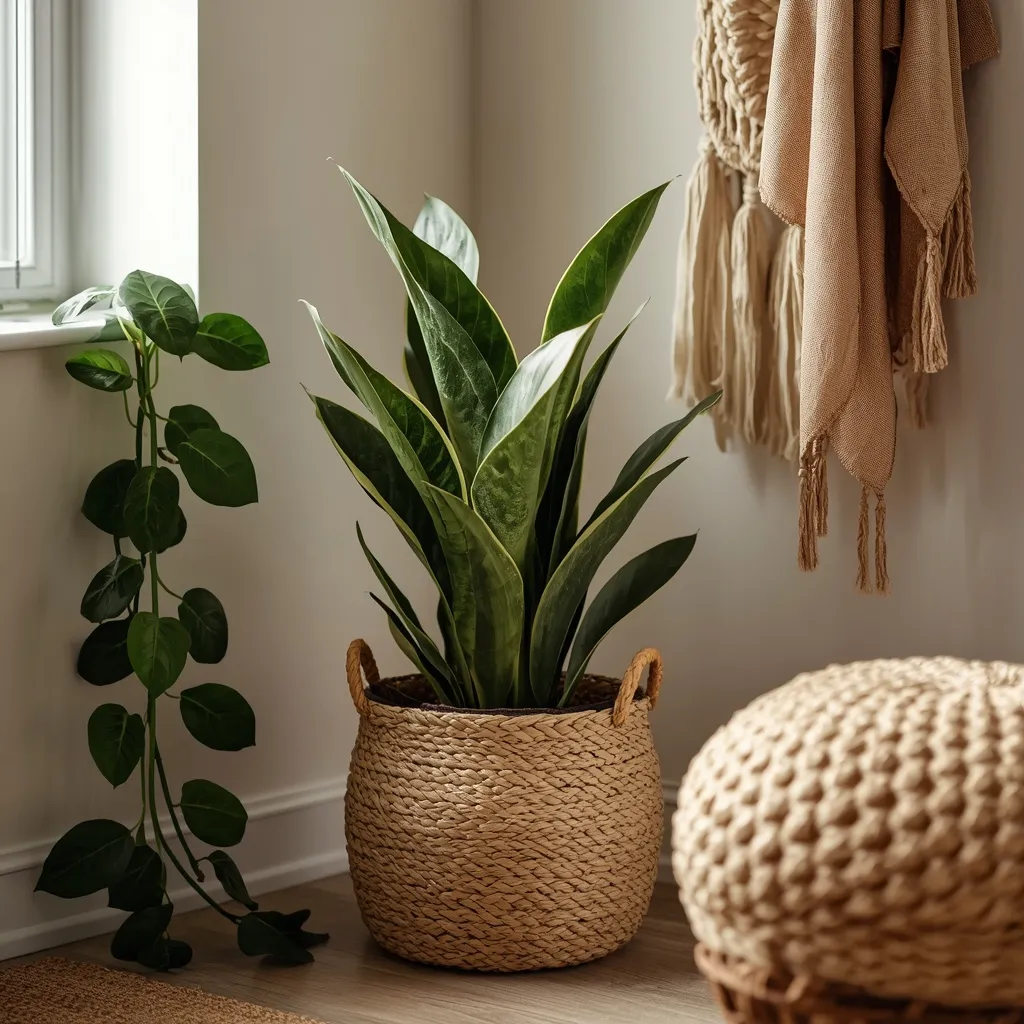
A snake plant tucked into a woven basket anchors a warm, layered boho corner. The natural texture of seagrass or jute against the plant’s crisp upright leaves creates a relaxed, gathered feel, especially among other plants and textiles.
Slip the nursery pot into a woven basket planter a little taller than the pot, so the leaves rise at a good height. Group the snake plant with trailing plants like pothos and a macrame hanger nearby to build a boho layer of varying heights. Line the basket with a plastic saucer to catch water and protect the fibers from rot. This textural look suits boho and eclectic living rooms, reading nooks, and bedrooms, and hides a plain nursery pot beautifully while adding organic warmth.
- Best for: boho and eclectic rooms layered with texture and plants.
- Watch out: line the basket with a saucer so water doesn’t rot the fibers.
- Key elements: seagrass or jute basket, trailing-plant companions, macrame.
6. Home Office Desk Accent
A small snake plant on a desk brings calm, living green to a home office. A compact rosette or a few short leaves in a tidy pot sit beside a monitor, softening the tech and giving tired eyes a restful spot to land.
Choose a compact snake plant so it doesn’t crowd your workspace, and set it where it gets indirect light without baking in hot sun through glass. The snake plant is a favorite desk plant because it needs watering only every few weeks and tolerates the drier air of a working room. Wipe the broad leaves with a damp cloth now and then so they stay glossy and dust-free. Keep it out of reach of any office pets. This suits any desk or study shelf and asks almost nothing in return.
- Best for: home offices wanting a calm, low-effort desk plant.
- Why it works: it needs watering only every few weeks and handles dry air.
- Key elements: compact snake plant, tidy pot, wiped glossy leaves.
7. Bathroom Spa Shelf
A snake plant on a bathroom shelf turns a corner into a fresh, spa-like retreat. Its upright leaves look crisp against tile and towels, and the plant happily handles the room’s humidity and lower light.
Place a snake plant on a shelf, windowsill, or countertop that gets some natural light, since a fully windowless bathroom is too dark long-term; if yours has no window, rotate the plant out every couple of weeks. Snake plants tolerate the humidity and temperature swings of a bathroom well. Pair it with white towels, natural wood, and a stone dish for a clean spa feel. Keep it in a glazed, wipe-clean pot with drainage. Position it out of reach of pets. This suits any bathroom with a little daylight.
- Best for: bathrooms with at least some natural light.
- Watch out: a windowless bathroom is too dark; rotate the plant out.
- Key elements: snake plant, glazed drainage pot, white towels, natural wood.
8. Grouped Indoor Jungle Cluster
A snake plant grouped with other houseplants forms a lush, layered indoor jungle. Its strong verticals rise among trailing and bushy plants at different heights, giving a green corner the structure it needs to look styled rather than crowded.
Use the snake plant as the tall backbone of a grouping, then surround it with contrasting shapesa trailing pothos, a bushy calathea, a rounded ZZ plantat varying heights on stands and stacked books. Odd-numbered groups look most natural. Clustering also raises local humidity, which the leafier companions enjoy. Keep the whole group out of reach if you have pets, since snake plant, pothos, and ZZ are all toxic. This suits a bright corner, plant shelf, or windowsill and turns one plant into a real focal point.
- Best for: plant lovers building a layered indoor-jungle corner.
- Why it works: the snake plant’s verticals give a plant group its structure.
- Watch out: snake plant, pothos, and ZZ are all pet-toxic; keep out of reach.
9. Tall Plant Stand Feature
A snake plant raised on a plant stand becomes a graceful mid-height feature. Lifted on a wooden or metal stand, its leaves reach into the empty zone between low furniture and the ceiling, adding height without taking floor space.
Set a medium snake plant on a stand around 30–50 cm (12–20 in) tall to lift it into an empty vertical gap beside a sofa, in a corner, or by a window. A mid-century wooden stand or a slim metal one suits most decor, and raising the plant improves airflow around it. This is a smart fix for a plant that would otherwise get lost among furniture at floor level. Keep the raised plant clear of heat vents and out of a jumping cat’s reach. This suits living rooms, bedrooms, and reading corners.
- Best for: filling empty vertical space between low furniture and ceiling.
- Why it works: raising the plant lifts it into view and improves airflow.
- Key elements: medium snake plant, wooden or metal stand, corner or window spot.
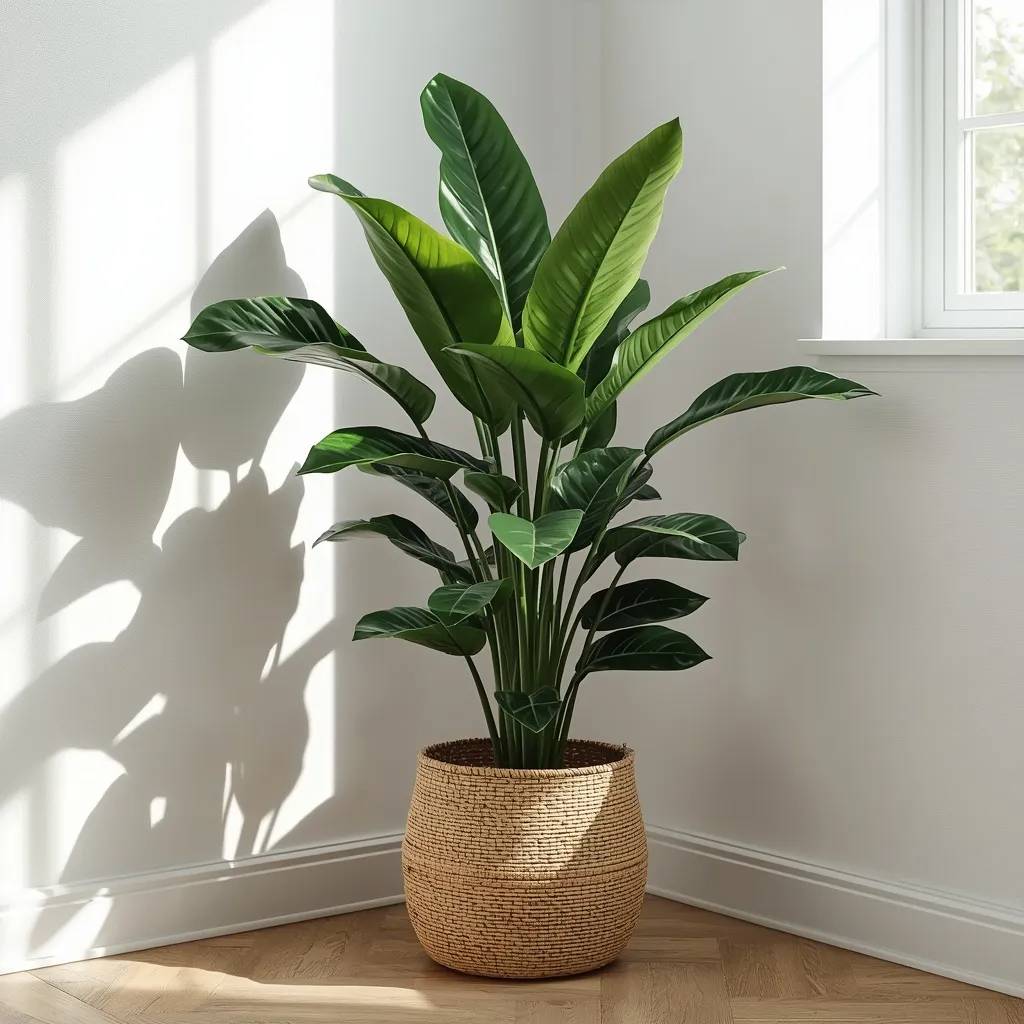
10. Snake Plant in Water
A snake plant grown in a clear glass vessel of water makes a strikingly modern, soil-free display. A cutting or division suspended so its roots trail in clean water looks sculptural on a shelf, sill, or deska living design object.
To grow a snake plant in water, root a leaf cutting or a division and keep only the roots submerged, never the whole leaf base, which will rot. Use a clear vase or a propagation stand, change the water every week or two to keep it fresh and oxygenated, and rinse any slime from the roots. This method is slower and more delicate than soil, so it suits a single feature plant rather than a large one. Keep it out of reach of pets. This modern look suits shelves, desks, and minimalist and Japandi interiors.
- Best for: a modern, soil-free feature on a shelf or desk.
- Watch out: submerge only the roots, not the leaf base, or it rots.
- Key elements: clear vessel, rooted cutting, fresh water every 1–2 weeks.
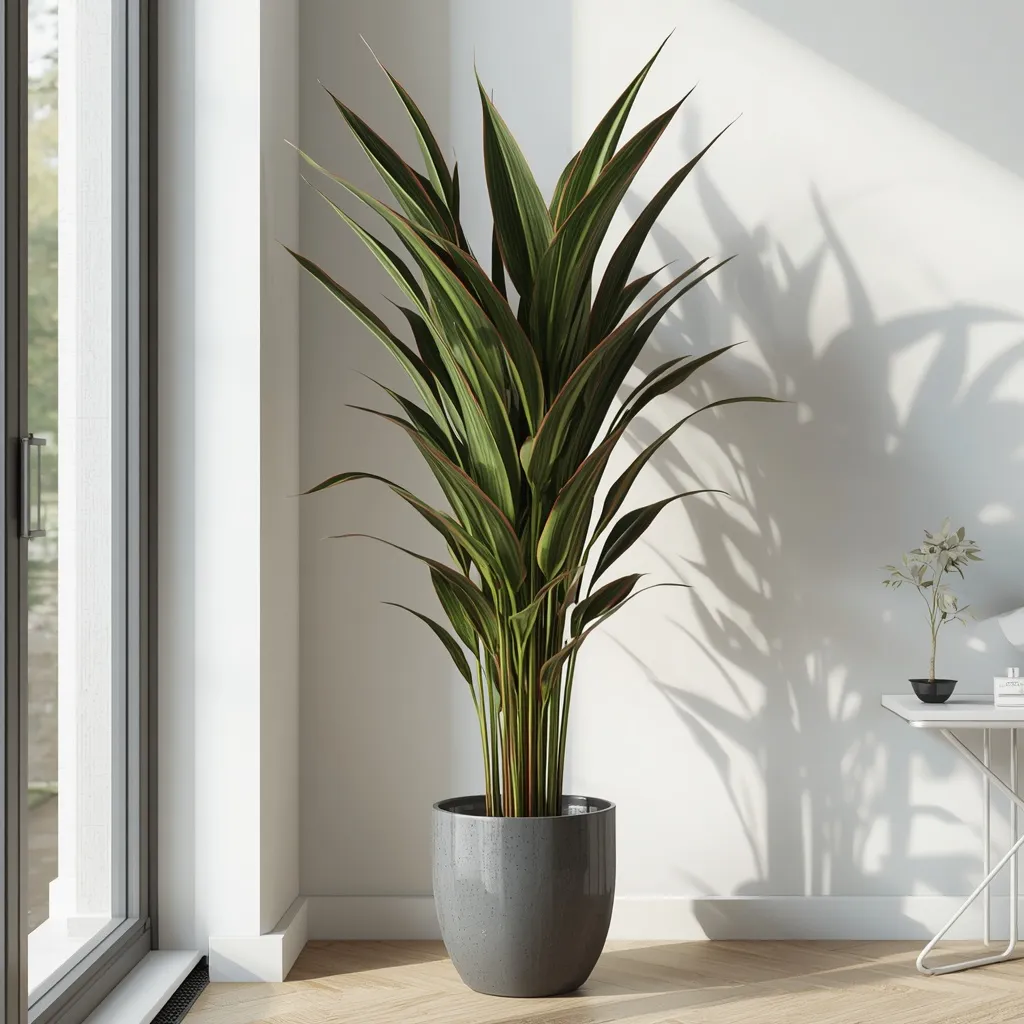
11. Statement Pot Focal Point
Pairing a snake plant with a bold, sculptural pot turns it into a design centerpiece. A fluted, colored, or artisan-glazed planter makes the calm green leaves pop and becomes a talking point in its own right.
When the pot is the star, keep the setting simple so container and plant read as one sculptural piece. Choose a statement cachepothand-thrown stoneware, ribbed concrete, or a glazed jewel tonesized so its rim sits just below the lowest leaves. Ensure it’s a cachepot or has drainage plus a saucer, so watering never waterlogs the roots. This is a great way to add color to a green display without a fussy plant. It suits modern and eclectic rooms wanting one bold focal point on a console, shelf, or floor.
- Best for: bringing a bold color or shape into a plant display.
- Why it works: a sculptural pot turns a calm plant into a design talking point.
- Watch out: ensure drainage or use a cachepot so roots don’t waterlog.
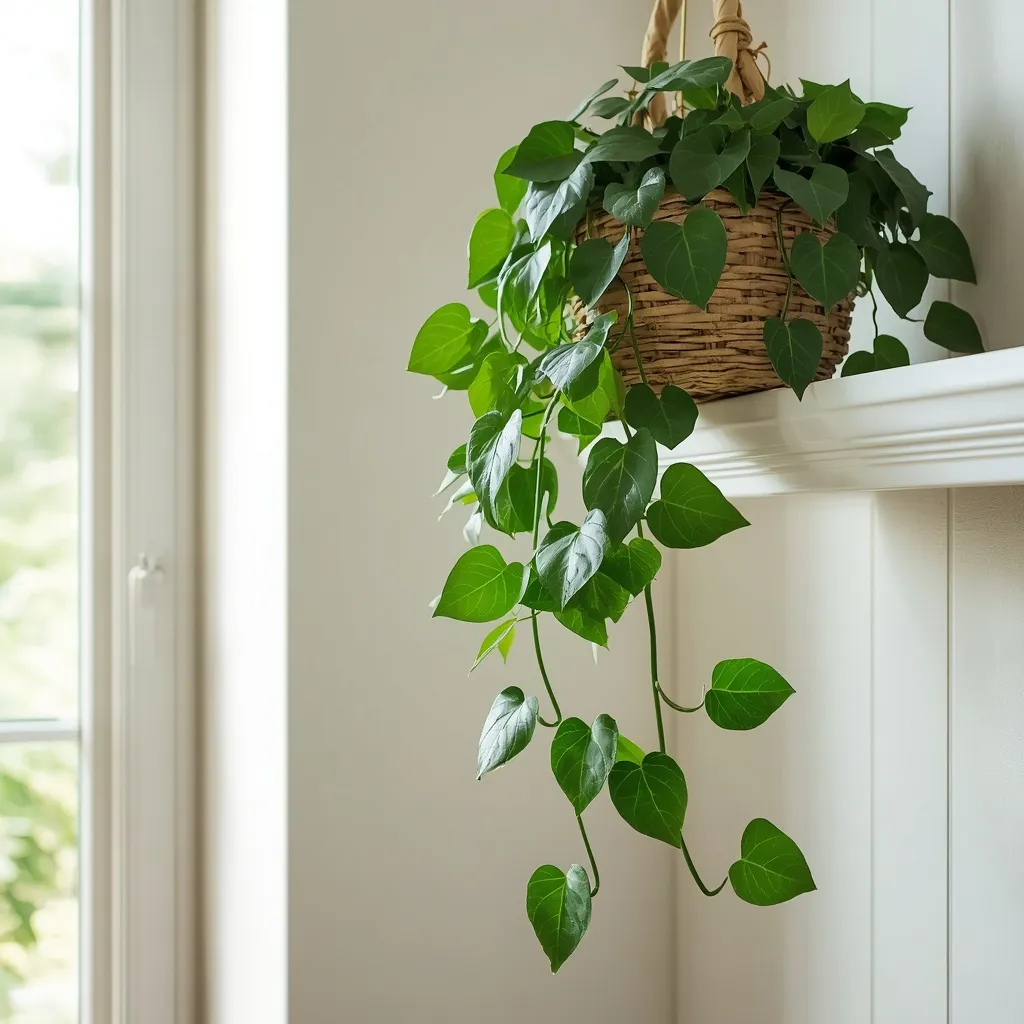
12. Kitchen Shelf Greenery
A compact snake plant on a kitchen shelf adds fresh, tidy green to a busy room. Its upright leaves brighten open shelving among dishware and jars, needing no fuss even where counter space and light are limited.
Set a small snake plant on a shelf or windowsill that gets indirect light, away from the direct heat of the stove and oven. Its tolerance of irregular watering suits a room where plant care is easily forgotten. Keep it in a wipe-clean glazed pot with drainage, since kitchens gather grease and dust, and wipe the leaves occasionally. Position it out of reach if pets counter-surf. This suits any kitchen with a little natural light and brings life to a room that is often all hard surfaces.
- Best for: kitchens with a little light and open shelving.
- Watch out: keep away from stove heat and out of reach of counter-surfing pets.
- Key elements: small snake plant, glazed drainage pot, indirect light.
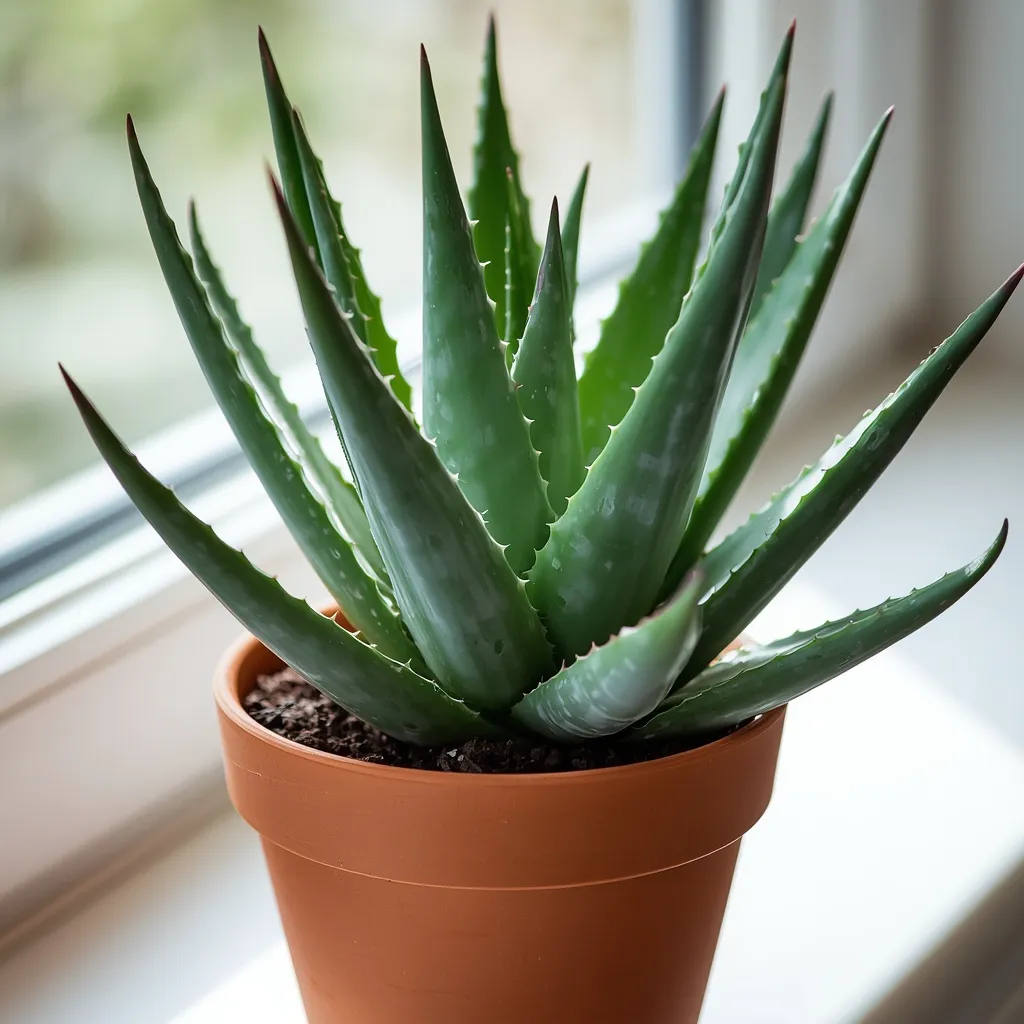
13. Wall-Mounted Shelf Display
Snake plants arranged on wall-mounted shelves create a vertical green display that saves surface space. Low varieties lined along floating shelves or a ladder shelf climb the wall with tidy, upright greenery, drawing the eye upward.
Use small or medium snake plants in matching pots along floating shelves, staggering them at different heights for rhythm. Their compact upright form suits shelves far better than sprawling trailing plants. Make sure each shelf gets some indirect light and that pots have drainage with a saucer to protect the wall and shelf below. This is an excellent way to add greenery in small apartments and rentals where floor space is scarceuse damage-free brackets if you can’t drill. This suits living rooms, home offices, and studios.
- Best for: small apartments and studios short on floor space.
- Why it works: compact upright snake plants suit shelves better than trailers.
- Watch out: use saucers to protect shelves; damage-free brackets for rentals.
14. Color-Pop Planter Trio
Three snake plants in a trio of coordinated colored pots make a cheerful, modern grouping. Matching plants in pots that share a palettesay, terracotta, mustard, and sagecluster together for a playful yet cohesive display.
Group three snake plants of similar size in pots that share an undertone but vary in color or finish, arranging them close together on the floor, a bench, or a wide shelf. Keeping the plants identical while varying the pots makes the group feel designed, not random. Vary the pot heights slightly for interest. Ensure every pot has drainage or acts as a cachepot. This budget-friendly, upbeat look suits modern, mid-century, and family-friendly rooms, and is an easy way to bring color into a green display.
- Best for: modern and mid-century rooms wanting a pop of color.
- Why it works: identical plants in a shared palette read as designed, not random.
- Key elements: three snake plants, coordinated colored pots, varied heights.
15. Cylindrical Sansevieria Sculpture
A cylindrical-leaved snake plant styled as living sculpture brings a sleek, architectural edge to a modern room. The rounded spears of Sansevieria cylindrica, sometimes braided or splayed like a fan, look striking in a simple pot on a shelf or side table.
Choose Sansevieria cylindrica for its distinctive round, spear-like leaves, which are often sold braided or fanned. Style it in a plain, low pot so the unusual leaf shape is the focus, and give it bright, indirect light to keep the spears firm and upright. Water sparingly, only when the soil is fully dry, as these are especially prone to rot if overwatered. Keep it out of reach of pets. This sculptural look suits modern, minimalist, and contemporary interiors and makes a great conversation piece on a console or desk.
- Best for: modern and minimalist rooms wanting a sculptural plant.
- Watch out: especially rot-prone; water only when soil is fully dry.
- Key elements: Sansevieria cylindrica, plain low pot, bright indirect light.
Where Should You Put a Snake Plant Indoors?
Style a snake plant wherever you likeit tolerates low light and neglect better than almost any houseplantbut it grows fullest and firmest in bright, indirect light. Match the variety’s size to the spot and the plant will look its best.
Tall varieties like Laurentii suit floor spots, corners, and plant stands; low rosettes like Hahnii suit shelves, desks, and nightstands; cylindrical types make sculptural tabletop features. Snake plants cope with low-light corners, but leaves grow leggy and lean toward the light there, so turn the pot regularly. Keep them away from cold drafts and hot vents, and never leave them sitting in water. The single most important rule is drainage: this desert plant rots fast in soggy soil.
Styling one easygoing plant is often the first step toward a whole green room, and our indoor plant styling section is full of ideas for going further. If a single snake plant leaves you wanting a leafier space, our guide to creating a plant-filled room shows how to build a full indoor jungle around anchor plants like this one.
Choosing the Right Pot for a Healthy Snake Plant
The best pot for a snake plant is one with drainage holes, or a decorative cachepot holding the nursery pot inside. Because the snake plant stores water and hates soggy roots, drainage matters more than any other pot feature.
Pick a pot only slightly larger than the root ball, since snake plants actually flower and grow best a little snug and dislike being over-potted into a large, damp volume of soil. Terracotta is ideal because it breathes and dries quickly; glazed ceramic and metal look sleek but hold moisture longer, so water even more sparingly. If you fall for a pretty pot with no hole, use it as a cachepot over a plain nursery pot rather than planting directly into it. Water only when the soil is fully dryroughly every two to three weeks, less in winter.
Which Snake Plant Variety Suits Which Spot?
Matching the snake plant variety to the spot is the secret to a styled look. This quick reference pairs the common types with where they shine and how big they get.
| Variety | Form / height | Best styled as |
| Laurentii | Tall, 60–120 cm | Floor statement, corner |
| Zeylanica | Tall, 60–90 cm | Floor pot, plant stand |
| Hahnii (Bird’s Nest) | Low rosette, <30 cm | Shelf, desk, nightstand |
| Cylindrica | Round spears, 60+ cm | Sculptural tabletop feature |
| Moonshine | Silvery, ~60 cm | Minimalist statement pot |
| Futura Superba | Compact, ~50 cm | Small floor or shelf |
Conclusion
The beauty of these indoor snake plant ideas is how much style they deliver for how little effort: the right pot and placement turn one tough, sculptural plant into a floor statement, a symmetrical entryway pair, a shelf display, or a modern water-grown feature. Match the variety to the spot, choose a pot with drainage, and keep it out of reach of curious pets, and a snake plant will look sharp and stay healthy for years. For more ways to bring greenery home, browse our indoor plant styling ideas, then pick the one corner, shelf, or nightstand a snake plant would quietly make better.
Frequently Asked Questions
Q: Where is the best place to put a snake plant indoors?
Snake plants grow best in bright, indirect light but tolerate low light better than almost any houseplant, so they suit corners, shelves, desks, and bathrooms alike. Match the variety to the spottall types on the floor, low rosettes on shelves. Avoid cold drafts and hot vents, and keep the plant out of reach of pets.
Q: What kind of pot is best for a snake plant?
A pot with drainage holes is best, or a decorative cachepot holding the nursery pot inside, because snake plants rot easily in soggy soil. Choose a pot only slightly larger than the root ball, since they prefer being a little snug. Terracotta is ideal as it dries quickly; glazed or metal pots hold moisture, so water more sparingly.
Q: Can you grow a snake plant in water?
Yes, but only if you submerge just the roots, never the leaf base, which will rot. Root a cutting or division in a clear vessel, keep the roots in clean water, and change the water every week or two. Water growing is slower and more delicate than soil, so it suits a single feature plant rather than a large one.
Q: Are snake plants safe for cats and dogs?
No, snake plants are toxic to cats and dogs. They contain saponins that cause drooling, vomiting, and diarrhea if the leaves are chewed. This doesn’t mean you can’t own onejust style it out of reach, placing small plants up high and being thoughtful about floor plants in homes with curious pets.
Q: Which snake plant is best for a small space or shelf?
Low, rosette-forming varieties like Sansevieria Hahnii (Bird’s Nest) stay under about 30 cm (12 in) and are perfect for shelves, desks, and nightstands. For floor spots in small rooms, a compact variety like Futura Superba works well. Wall-mounted shelves of small snake plants are a great way to add greenery without using floor space.
Q: Why is my snake plant drooping or falling over?
Drooping, mushy leaves usually mean overwatering and root rot, the most common snake plant problemlet the soil dry fully and check drainage. Leaves can also flop if the plant sits in deep shade and stretches toward light, so move it somewhere brighter and turn the pot regularly to keep growth even and upright.