
Introduction
Few sights soften a home like a pink flower garden in full bloom, a wash of blush roses by the door, cosmos swaying at the fence, and peonies spilling over a path in early June. Pink is the friendliest color in the garden: it flatters brick, stone, and white siding alike, and it reads as calm rather than loud. This guide moves past the usual photo gallery to show you how to build a pink garden that actually keeps flowering from the first spring tulip to the last autumn anemone, not one that peaks for two weeks and then goes green. At Sunday Abode, we believe a garden should feel like an extension of your home, so below you’ll find 19 pink-flowering plants and ideas, matched to sun, shade, and skill level.
How to Design a Pink Flowers Garden That Blooms All Season
A great pink flower garden is planned around two things: a range of pink shades and a staggered bloom calendar. Relying on a single pink and a single peak month is the most common reason these gardens disappoint.
Start with the palette. Combine three or four tones: a soft blush, a clear mid-pink, a deep rose, and one hot magenta as an accent so the bed has depth instead of looking flat. Pink also sits beautifully beside silver foliage (like lamb’s ear or artemisia), soft blue, and plenty of green, which keeps the sweetness in check.
Then plan for succession. Choose plants that hand the baton from one to the next across the seasons so something is always in flower. The quick-reference table below shows how the ideas in this article stack up through the year:
| Bloom season | Pink flowers to plant | Best for |
| Early spring | Tulips, camellias, flowering cherry | First color after winter |
| Late spring | Peonies, bleeding heart, dianthus, lupines | The main show |
| Summer | Roses, cosmos, coneflowers, phlox, sweet peas | Long, reliable color |
| Late summer–autumn | Dahlias, Japanese anemones, cleome | Extending the season |
For deeper layout help, our garden design guides cover spacing and structure but the 19 ideas below give you the plants to fill it.
19 Pink Flowers and Ideas for a Beautiful Garden
1. Pink Garden Roses
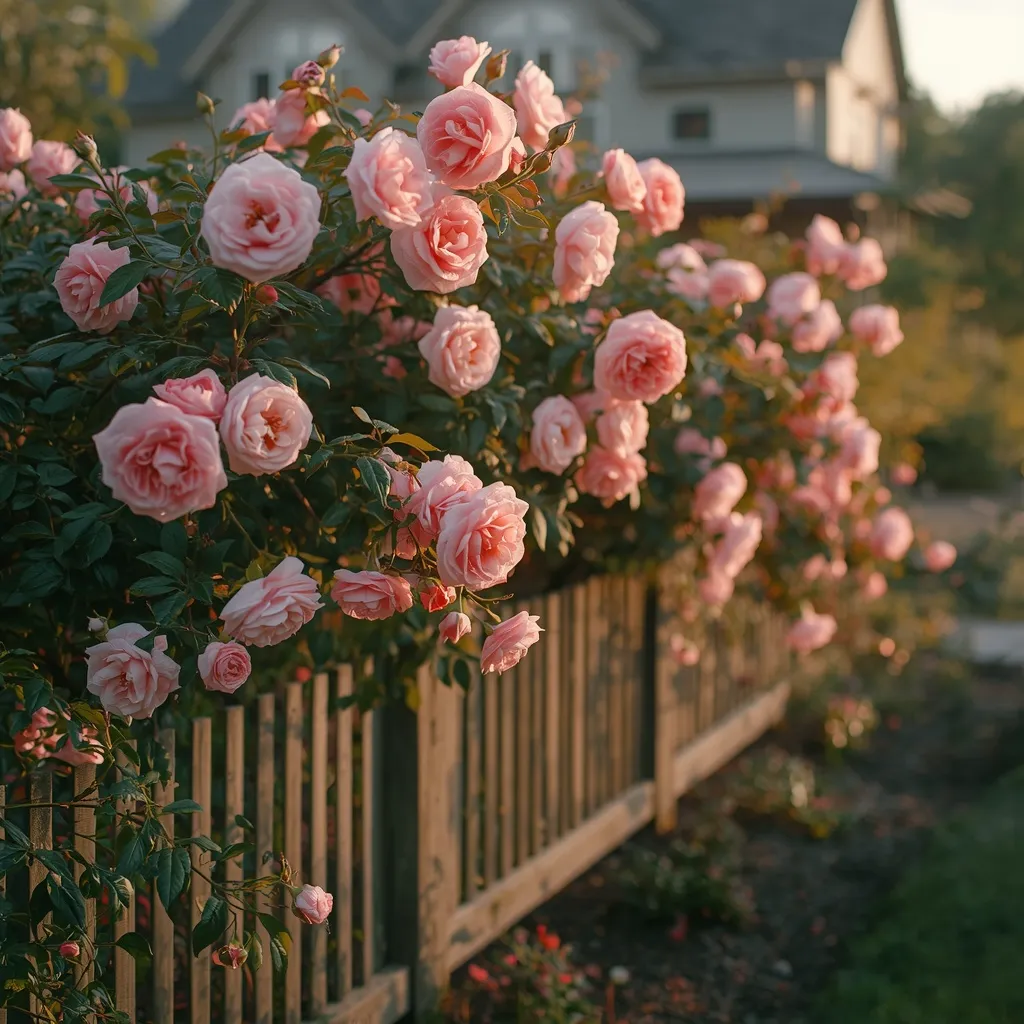
Nothing anchors a pink flowers garden like a repeat-blooming rose. Picture ‘Bonica’ or ‘The Fairy’ arching over a low fence, covered in clusters of soft-pink blooms from June until the first hard frost, with the scent drifting toward the patio on warm evenings.
For beginners, skip the fussy hybrid teas and choose a modern shrub or landscape rose, which resists disease and blooms in flushes with little fuss. Plant in full sun (at least 6 hours) in rich, well-drained soil, and water at the base rather than overhead to keep leaves dry and prevent black spots. Deadhead blooms every week or two through summer to push out fresh flushes. In colder regions, mound soil or mulch over the graft union before winter.
- Why it works: long bloom season and structure that carries the whole bed.
- Best for: sunny front yards and anyone wanting fragrance near a walkway.
- Problem it solves: a garden that looks bare between other plants’ short bloom windows.
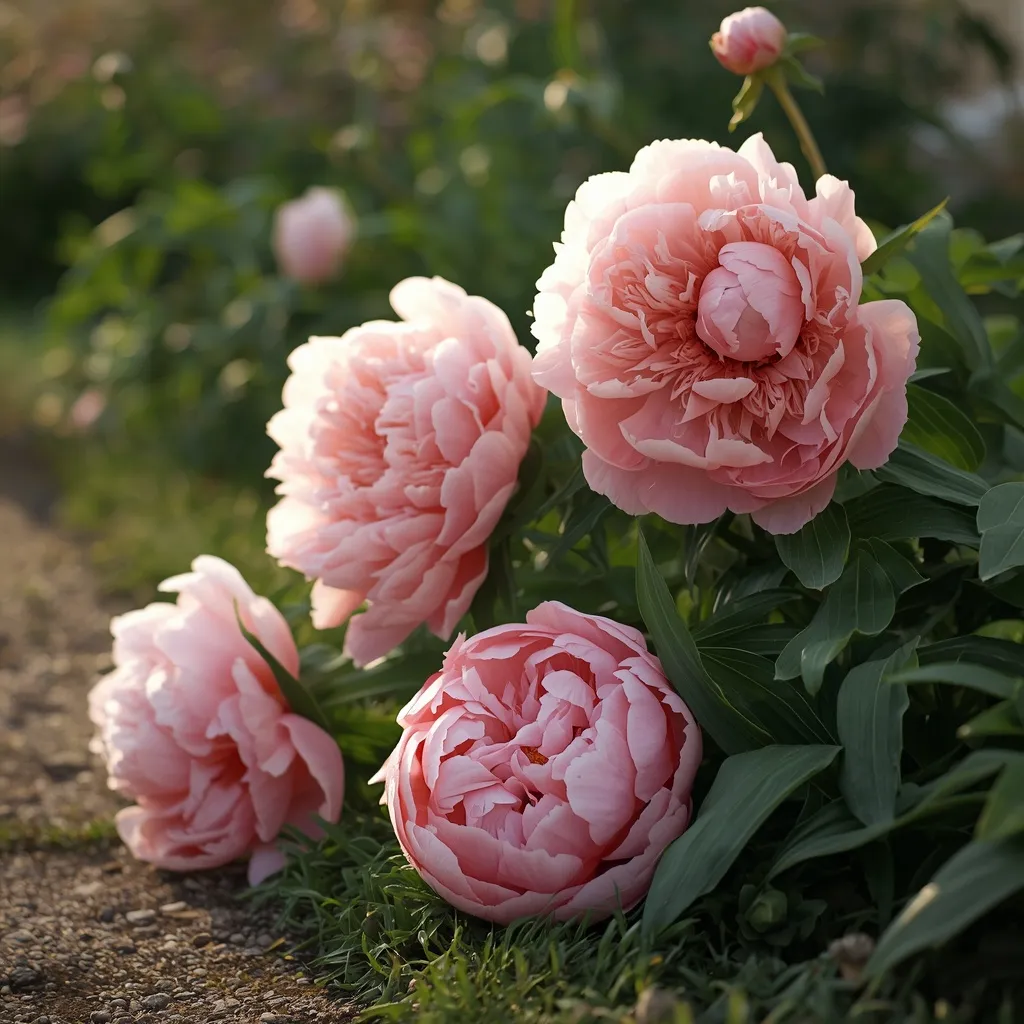
2. Peonies for Late-Spring Drama
Peonies deliver the most flowers for the least effort of almost anything pink you can plant. In late spring, varieties like ‘Sarah Bernhardt’ open into fragrant, dinner-plate blooms in soft rose-pink that last for weeks and return, larger, every single year for decades.
Plant peony tubers in autumn with the pink “eyes” no more than 3–5 cm (1–2 in) below the surface. The single most common mistake is planting too deep, which gives you healthy leaves but no flowers. Give them full sun and space to breathe, and resist moving them once established. Ring taller doubles with a grow-through support before the buds get heavy, or a spring downpour will flatten them.
- Why it works: decades of reliable, fragrant blooms from one planting.
- Best for: patient gardeners and cottage-style borders.
- Common mistake: burying the tubers too deep and getting all leaves, no flowers.
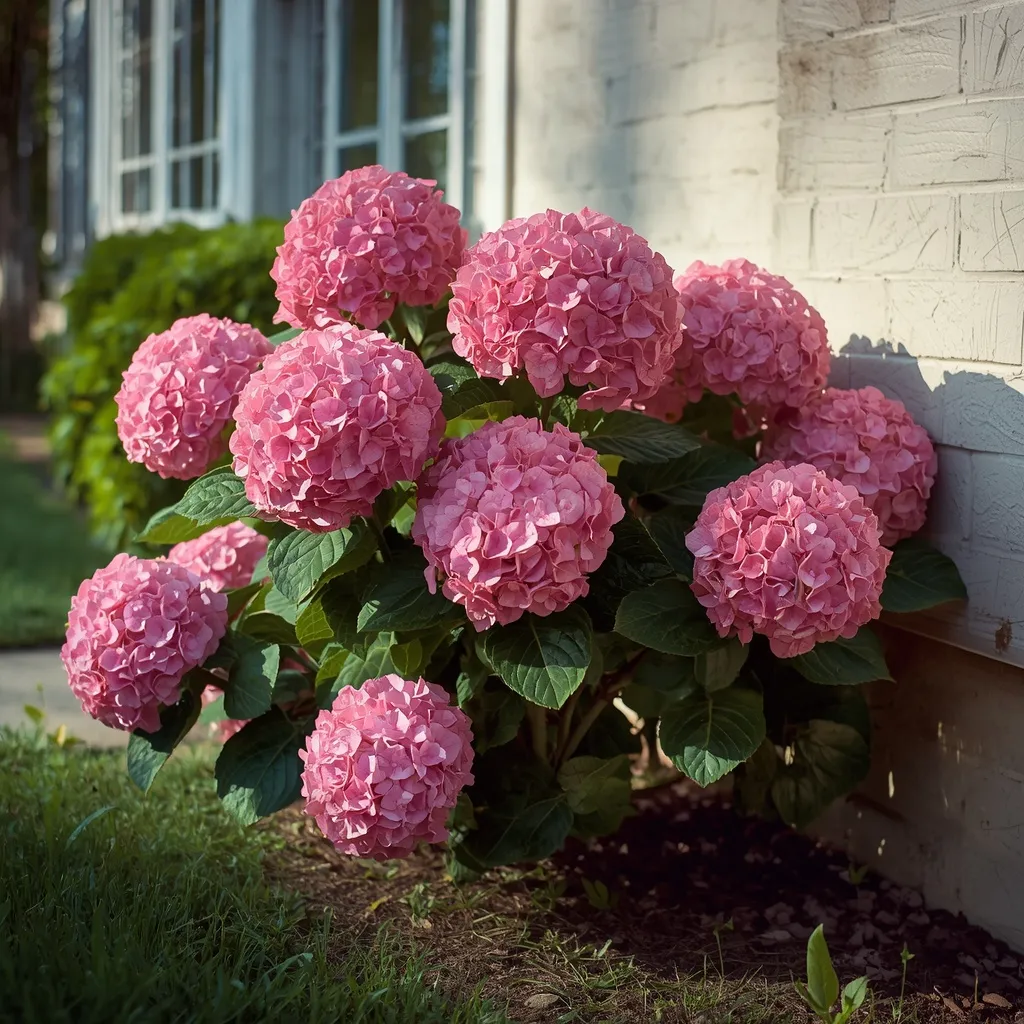
3. Pink Hydrangeas (and the Soil Secret)
Here’s the detail most articles skip: a bigleaf hydrangea’s color is set by your soil, not just the label. In neutral to alkaline soil (pH around 6.0 and above), varieties like ‘Endless Summer’ bloom in clear pink; in acidic soil, the same plant turns blue.
To keep pink pink, you can raise pH by adding garden lime, and avoid aluminum sulfate. Plant hydrangeas in morning sun with afternoon shade, keep the soil consistently moist, and expect the big mophead blooms from mid-summer into autumn, when they fade to an antique rose worth leaving on the plant. Panicle types such as ‘Pinky Winky’ are the tougher, sun-loving choice and turn pink as they age regardless of soil.
- Why it works: huge, long-lasting blooms and a color you can actually control.
- Best for: part-shade beds and foundation plantings along the house.
- Smart tip: test your soil pH first, then match the hydrangea type to it.
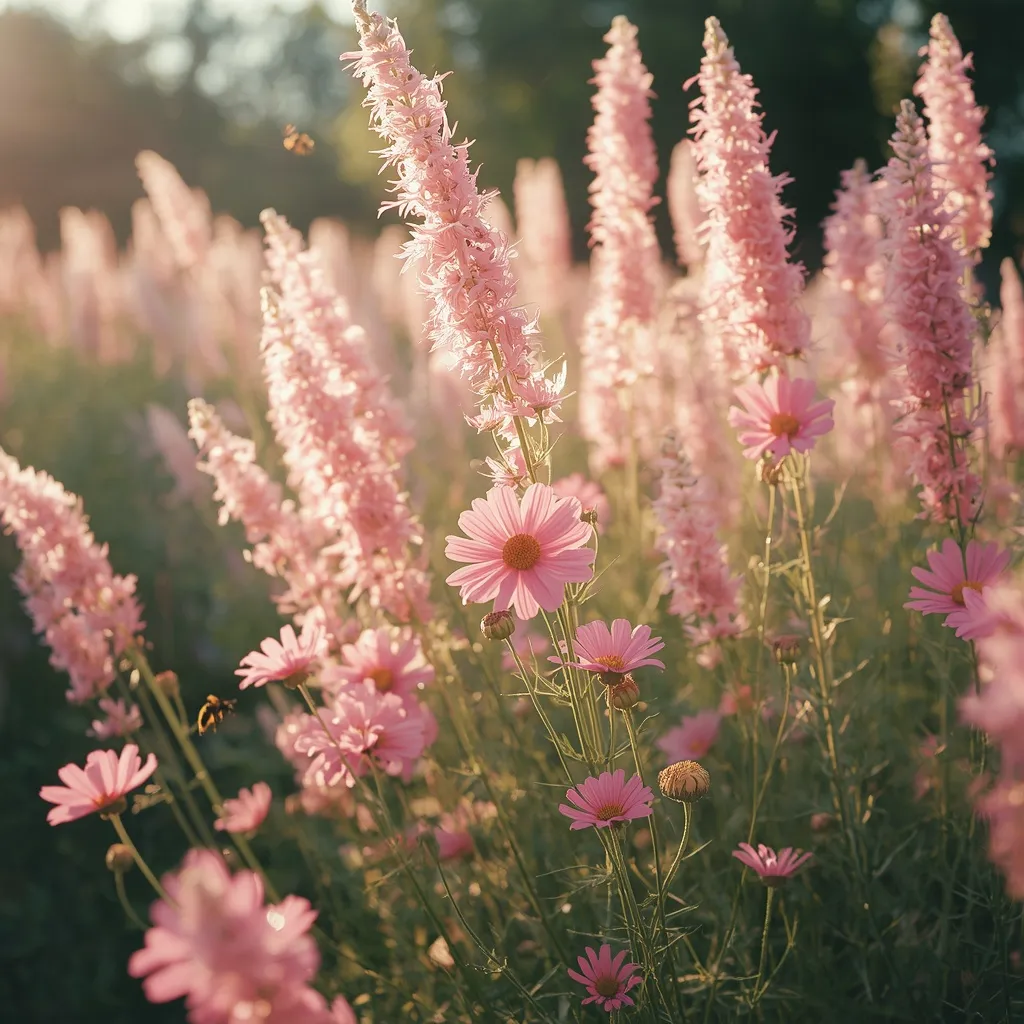
4. Cosmos for Easy Color
If you want a pink flower garden this summer with almost no experience, cosmos are the answer. Sown straight into warm soil, they rise into airy, waist-high clouds of pink daisies ‘Sensation Pink’ reaching 90–120 cm (3–4 ft) that sway with every breeze and self-seed for next year.
Scatter seeds directly where they’ll grow after the last frost; they actually flower better in poorer soil, so skip the fertilizer, which just produces leaves at the expense of blooms. Cut flowers often for the vase, because the more you cut, the more cosmos produce, right up to frost. Give them full sun and pinch the young tips once to encourage bushier, sturdier plants.
- Why it works: near-instant color from cheap seed, blooming until frost.
- Best for: beginners, budget gardens, and filling gaps fast.
- Common mistake: rich soil or feeding, which gives lush leaves and few flowers.
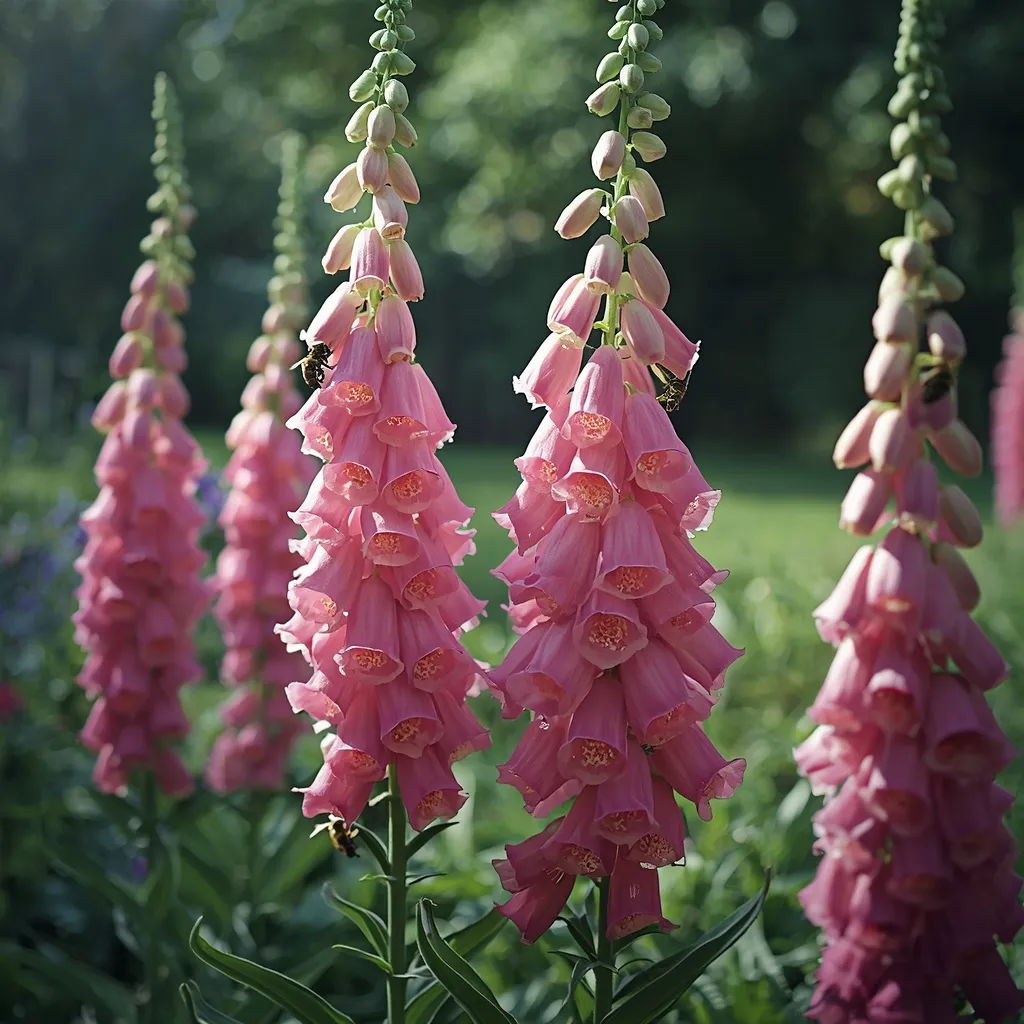
5. Foxgloves for Vertical Height
Foxgloves draw the eye upward with tall spires of tubular pink bells, giving a flat border sudden architecture. Planted in a drift, varieties like ‘Dalmatian Pink’ create the classic English-cottage look and hum with bees working their way up each stem.
Most foxgloves are biennials; they grow leaves the first year and flower the second so plant two years running to get blooms every season, or let them self-seed. They thrive in part shade and moist, rich soil. One important safety note: every part of the foxglove is highly toxic if eaten, to both people and pets, so site them away from areas where young children or curious dogs roam, and wash your hands after handling. The ASPCA’s toxic plant database is worth checking before adding them to a pet household.
- Why it works: dramatic vertical height and a magnet for bees.
- Best for: part-shade cottage borders without small children or pets grazing nearby.
- Safety note: all parts are toxic if ingested with care.
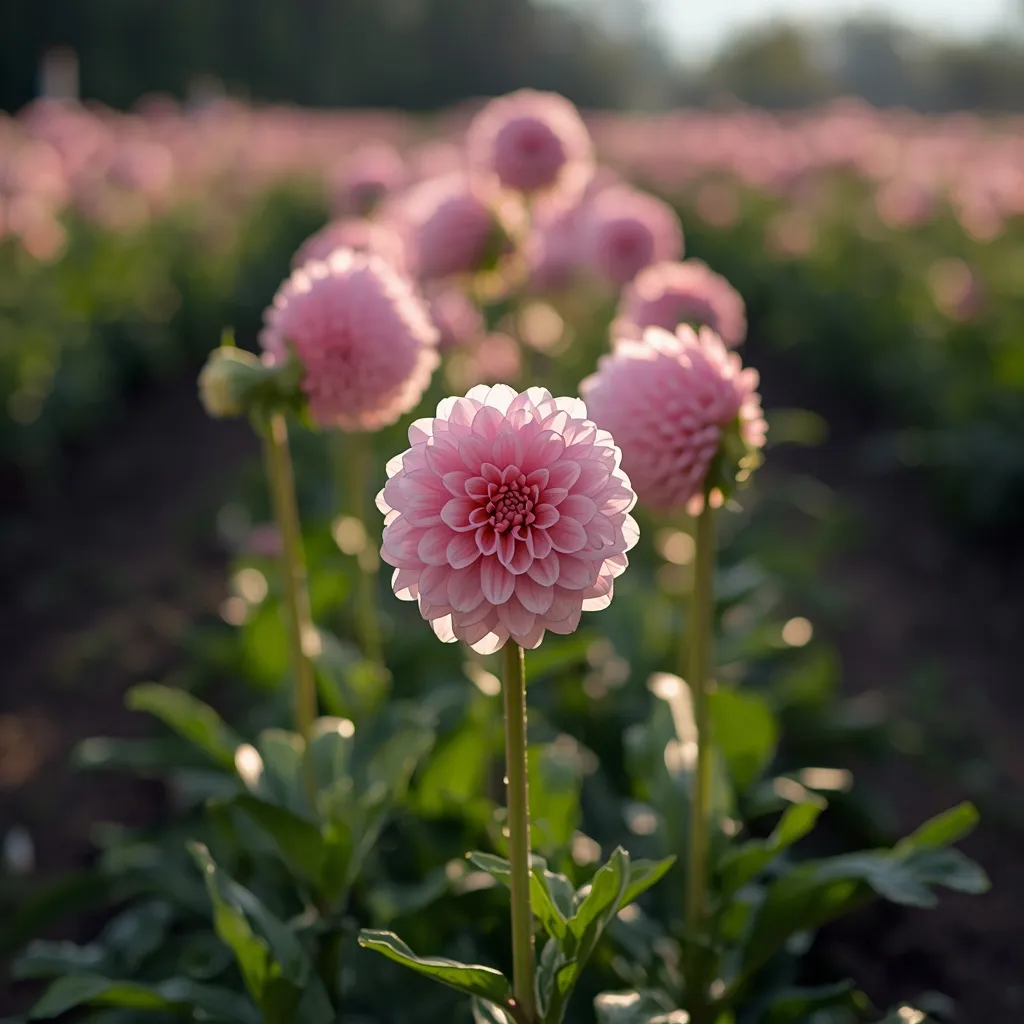
6. Dahlias from Summer to Frost
Dahlias carry the pink garden through late summer, exactly when many spring bloomers have faded. From soft ball-shaped ‘Café au Lait Rosé’ to sharp cactus forms, they flower nonstop from mid-summer to the first frost if you keep cutting them.
Plant tubers after the soil warms and all frost risk has passed, in full sun and fertile, well-drained soil. Stake taller varieties at planting time, since a mature dahlia laden with blooms topples easily in wind. In cold-winter regions (roughly below hardiness zone 8), lift the tubers after the first frost blackens the foliage, then store them somewhere dry and frost-free until spring. Deadhead regularly, distinguishing spent blooms (pointed buds) from new ones (round).
- Why it works: unbeatable late-season color when the rest of the garden slows.
- Best for: cutting gardens and gardeners who want blooms into autumn.
- Smart tip: stake at planting, not after the plant flops.
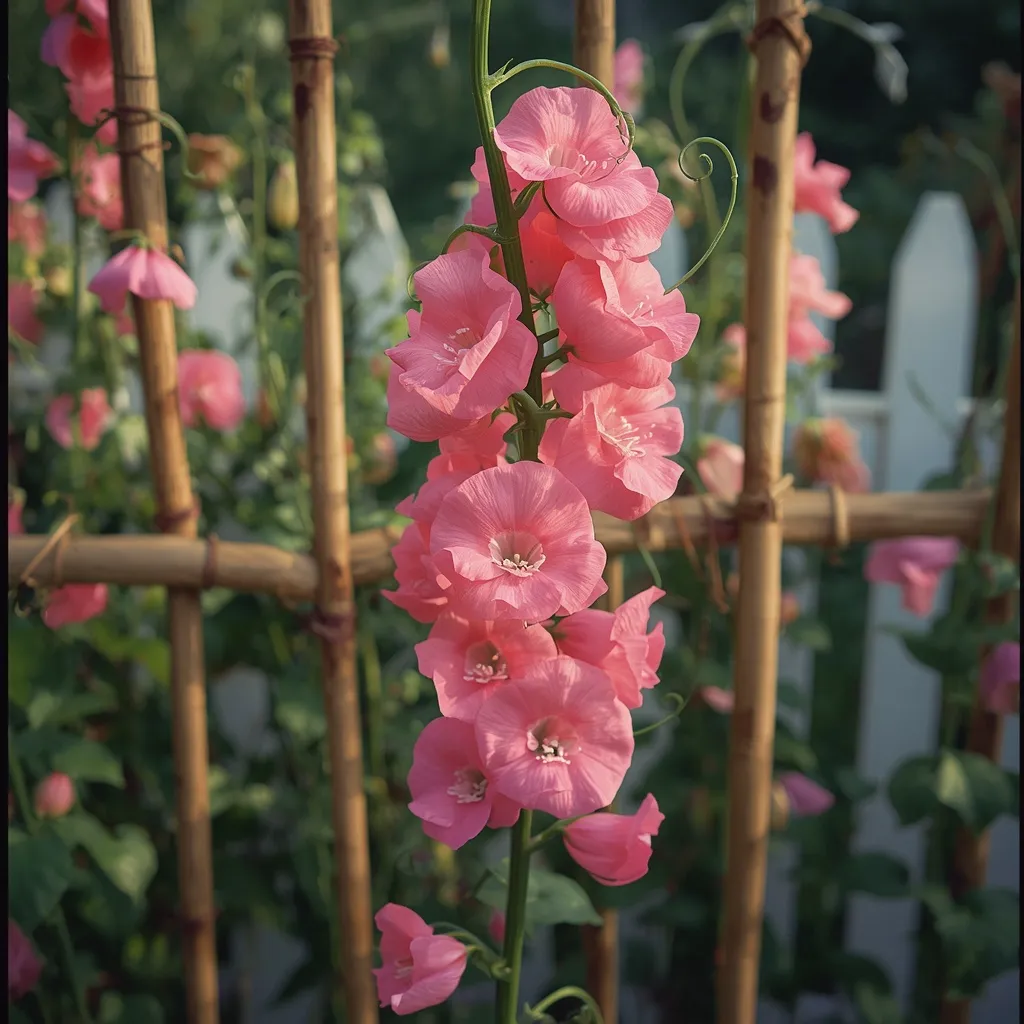
7. Fragrant Sweet Peas
Sweet peas add scent and vertical charm, scrambling up a trellis or obelisk in ruffled pink blossoms that perfume the whole corner. Trained up a wigwam of canes, a variety like ‘Gwendoline’ turns a plain fence line into the most fragrant spot in the garden.
Sow seeds in early spring (or autumn in mild climates) and give them something to climb from the start, since the tendrils need to grab early. The golden rule: pick flowers every few days leaving pods to form tells the plant its job is done and stops the blooms. They love cool weather and fade in high summer heat, so an early start matters. Note that sweet pea seeds and pods are toxic if eaten, unlike edible garden peas.
- Why it works: rare combination of fragrance, cut flowers, and vertical color.
- Best for: fences, trellises, and small gardens growing upward.
- Common mistake: not picking often enough, which cuts the season short.
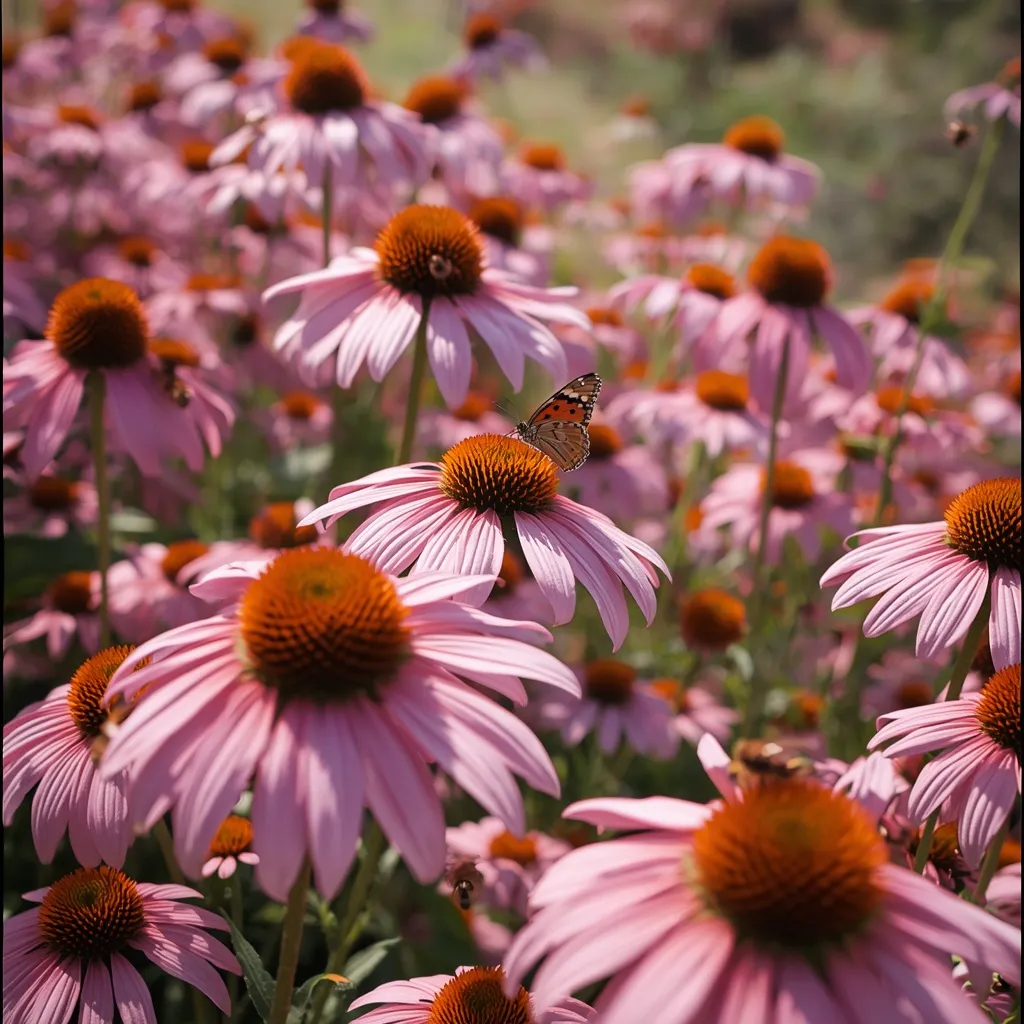
8. Pink Coneflowers for Pollinators
Pink coneflowers (Echinacea) are the workhorse of a low-maintenance pink garden tough, drought-tolerant, and alive with bees and butterflies all summer. A drift of ‘Magnus’ shows off large rosy-pink petals around a coppery central cone, standing crisp through July heat that wilts softer flowers.
Plant them in full sun in average, well-drained soil; once established, they shrug off dry spells that would flatten thirstier plants. Leave the seed heads standing through autumn and winter, because goldfinches feed on them and the dark cones look striking against frost. Coneflowers are hardy perennials in most temperate zones and slowly form larger clumps you can divide every few years.
- Why it works: drought-tolerant, pollinator-friendly, and reliably perennial.
- Best for: low-maintenance beds, wildlife gardens, and hot sunny spots.
- Smart tip: leave seed heads over winter for the birds and the structure.
9. A Flowering Cherry Centerpiece
For a pink garden with a true focal point, plant a flowering cherry and let it become the centerpiece. In early spring, a tree like ‘Kanzan’ erupts in clouds of double pink blossom, drawing every eye before a single perennial has woken up.
Choose the mature size to fit your space; some ornamental cherries stay under 4.5 m (15 ft), while others spread far wider and give it full sun and well-drained soil. The blossom show is short but spectacular, lasting a week or two, so underplant with pink tulips and bleeding heart to extend the color at ground level. Avoid planting directly over a patio, as some cherries drop sticky fruit and heavy blossom.
- Why it works: a single tree delivers a spring spectacle nothing else matches.
- Best for: larger front yards and anyone wanting a signature tree.
- Common mistake: buying without checking the tree’s mature spread.

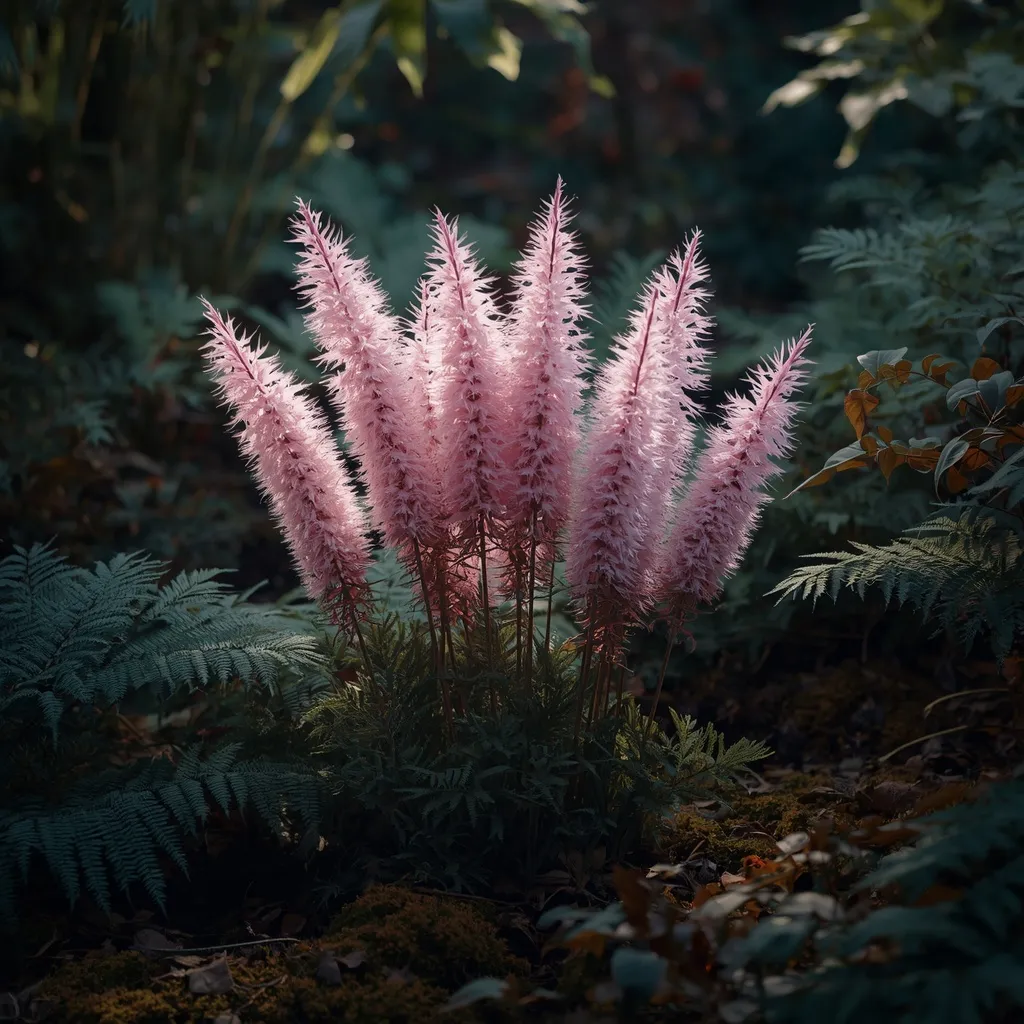
10. Astilbe for Shady Corners
Astilbe solves the hardest pink-garden problem: what to grow in the shade. Its feathery plumes glow in soft pink above ferny foliage, lighting up damp, dim corners where roses and cosmos would sulk.
Plant astilbe in part to full shade in soil that stays reliably moist dry soil is the one thing it won’t forgive, and crispy brown plume tips are the telltale sign it needs more water. Varieties like ‘Bressingham Beauty’ bloom from early to mid-summer, and the dried plumes hold their shape into autumn. Combine it with hostas and the bleeding heart below for a full shade-border palette.
- Why it works: genuine pink color in shade, where options are scarce.
- Best for: north-facing beds, woodland edges, and damp problem corners.
- Common mistake: letting the soil dry out, which scorches the plumes.
11. Dianthus Along the Edges
Dianthus the “pinks” that arguably gave the color its name form neat cushions of clove-scented blooms perfect for edging paths and borders. A ribbon of ‘Firewitch’ spilling over a stone edge softens hard lines and releases a spicy fragrance when you brush past.
Give them full sun and sharp drainage; they hate wet feet, so gritty soil or a raised edge suits them best. Shear the whole plant back lightly after the first flush to trigger a second round of blooms later in summer. Most garden pinks are compact, staying under 30 cm (12 in), which makes them ideal for the front of a bed or tumbling from a container.
- Why it works: fragrant, tidy, and long-blooming right at the border’s edge.
- Best for: path edges, rock gardens, and containers in full sun.
- Smart tip: shear after the first flush for a fresh second bloom.
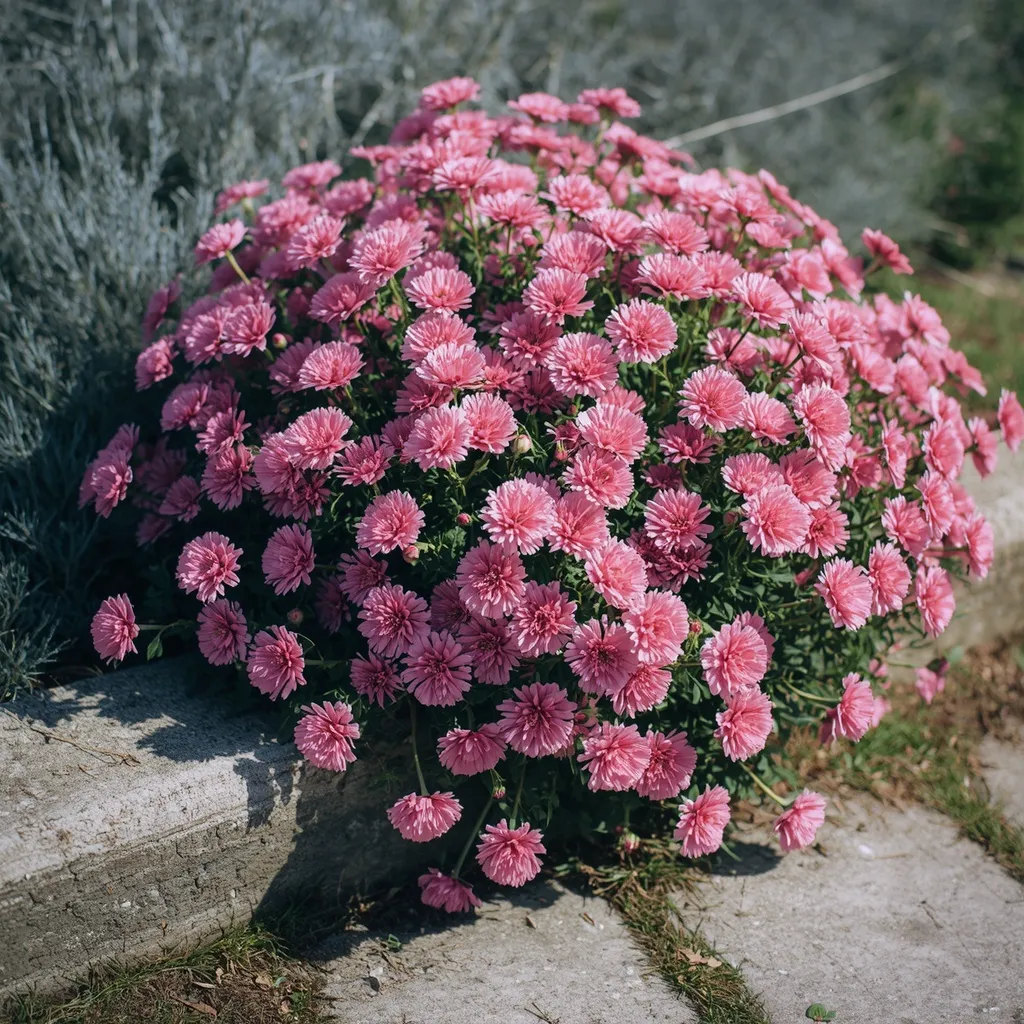
12. Bleeding Heart in Dappled Shade
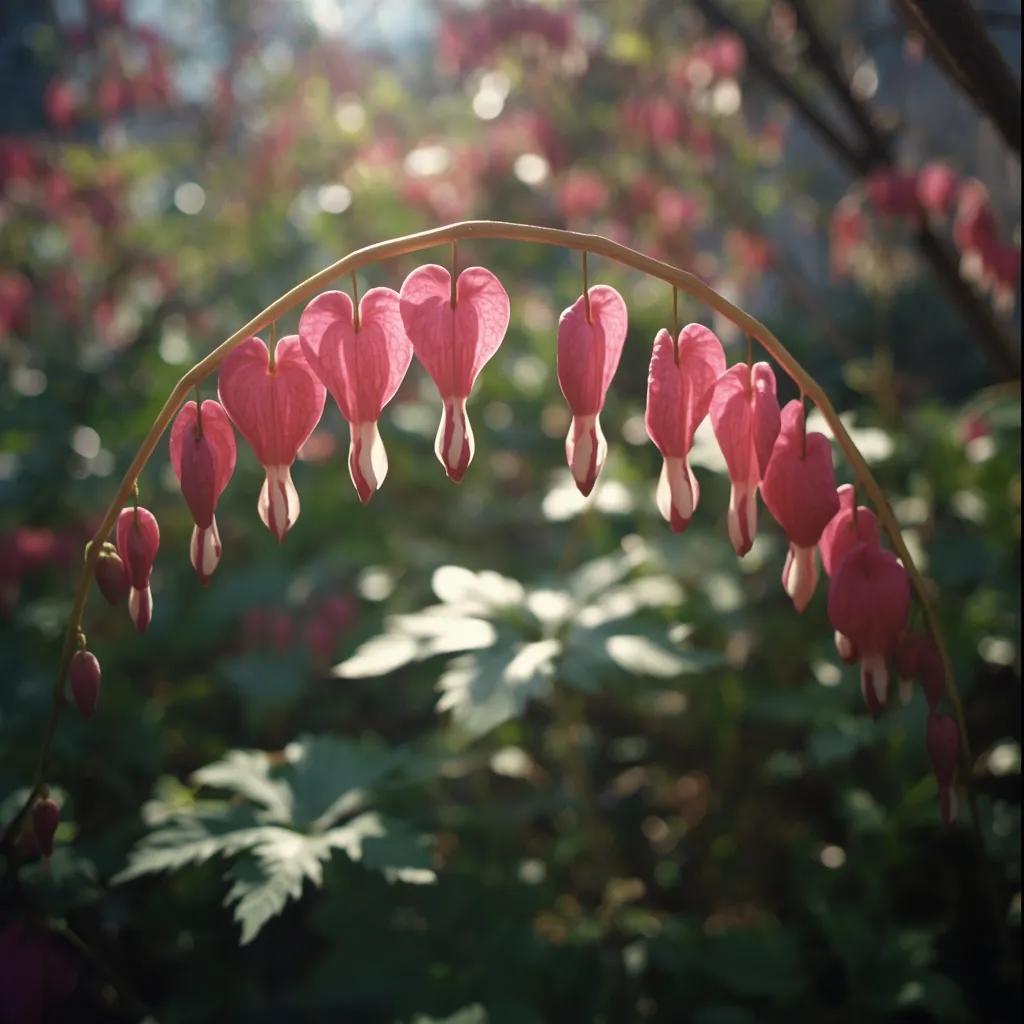
Bleeding heart is pure spring romance: arching stems hung with rows of heart-shaped pink lockets, each with a white teardrop at the tip. Tucked under a flowering cherry or beside a shaded bench, it looks almost too delicate to be real.
Plant it in dappled to full shade in moist, humus-rich soil, where it flowers from mid-spring into early summer. Expect the classic type to die back and vanish by mid-summer once the heat arrives. This is normal dormancy, not death, so mark its spot and pair it with astilbe or ferns that fill the gap it leaves. The newer fringed types (Dicentra ‘Luxuriant’) hold their foliage and bloom far longer.
- Why it works: an unmistakable, sentimental spring bloom for shade.
- Best for: woodland gardens and shady spots that need early color.
- Common mistake: panicking when it dies back in summer it’s just dormant.
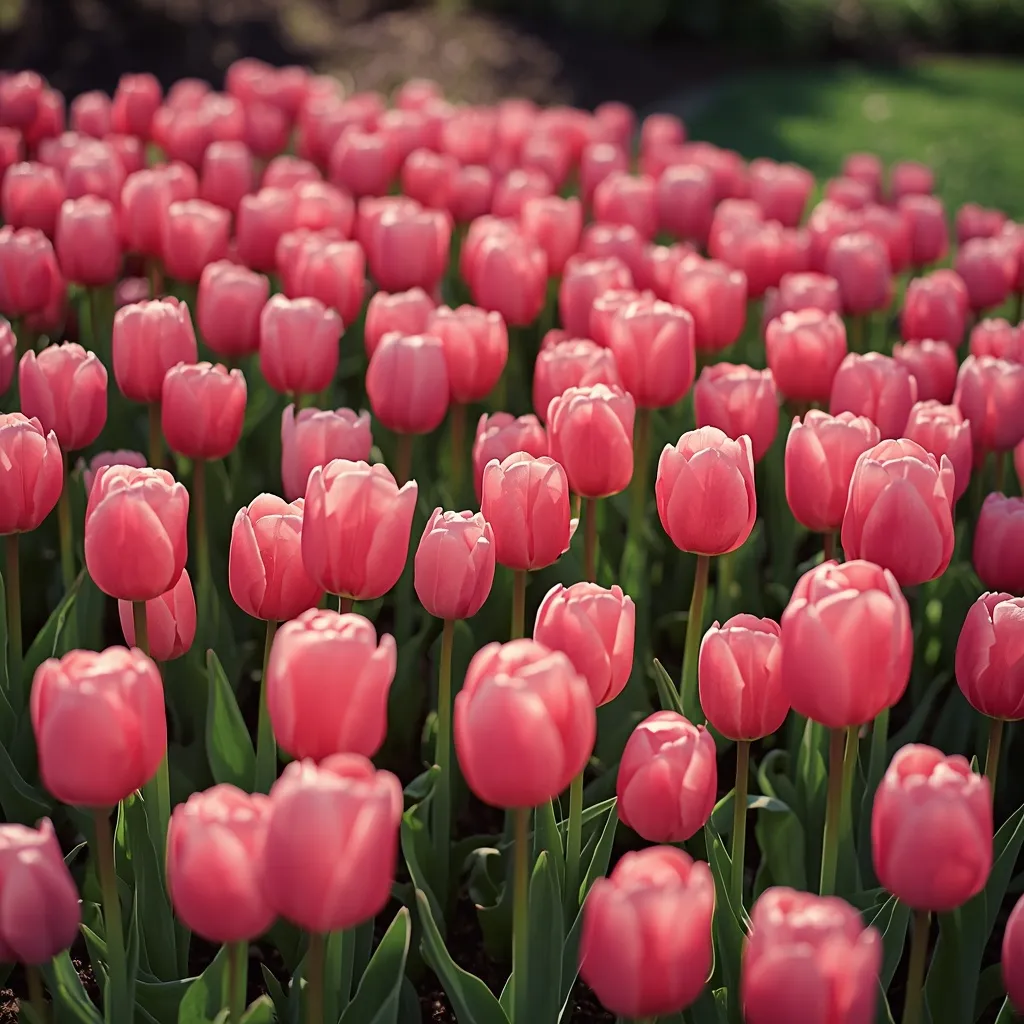
13. Pink Tulips for Early Spring
Pink tulips are how you get the pink garden started before almost anything else wakes up. Planted in generous drifts of 25 or more, varieties like ‘Pink Impression’ push up satiny goblets that turn a bare spring bed into a color event.
Plant the bulbs in autumn, roughly three times as deep as the bulb is tall, in full sun and well-drained soil soggy ground rots them. For the fullest display, group bulbs close together in clusters rather than dotting them in a lonely line. In warm-winter regions, tulips often bloom weakly after year one, so many gardeners there treat them as annuals and replant fresh bulbs each autumn.
- Why it works: bold, early color that bridges winter and the spring border.
- Best for: front-of-house beds and anyone craving color after winter.
- Smart tip: plant in tight clusters of 25+ for real impact.
14. Garden Phlox for Mid-Summer
Garden phlox fills the mid-summer gap with big, fragrant heads of pink flowers on sturdy upright stems. A stand of ‘Bright Eyes’ pale pink with a rosy center perfumes the evening border and pulls in butterflies through the hottest weeks.
Plant it in full sun to light shade in rich, moist soil, and give it room and airflow, because crowded phlox is prone to powdery mildew on its lower leaves. Choosing mildew-resistant varieties and thinning the stems in spring makes a real difference. Deadhead the faded heads to encourage side shoots and a longer show, and divide congested clumps every three to four years.
- Why it works: fragrant, reliable color in the tough mid-summer stretch.
- Best for: cottage borders and evening-scented gardens.
- Common mistake: crowding plants, which invites powdery mildew.
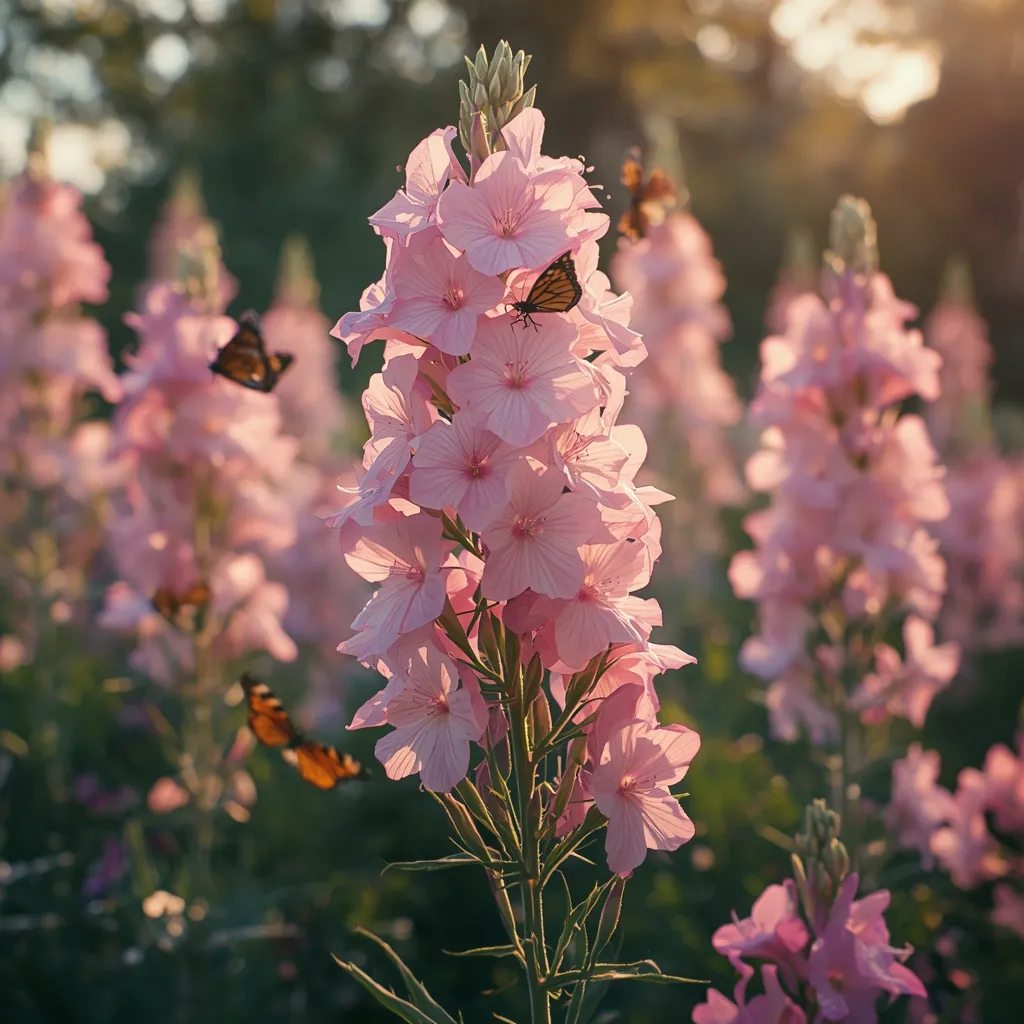
15. Camellias for Off-Season Blooms
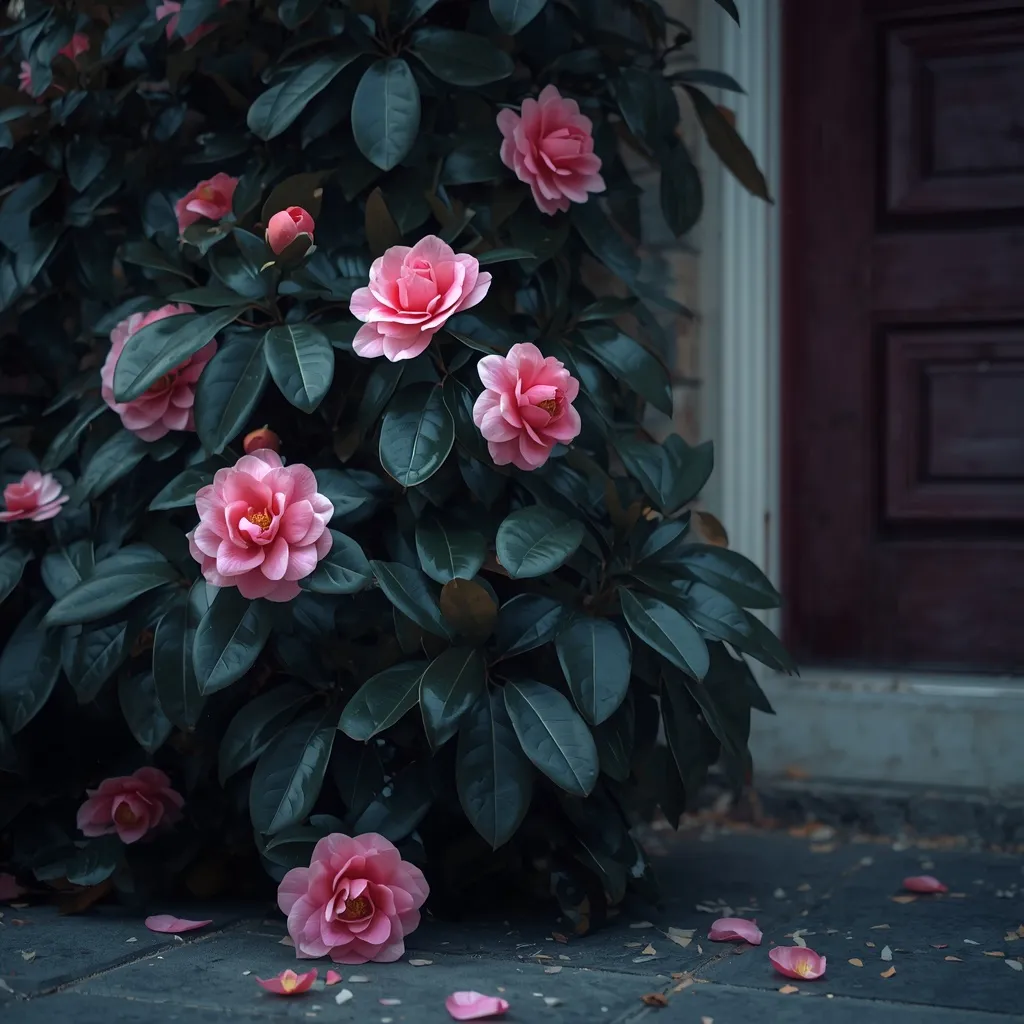
Camellias flower when almost nothing else dares from late autumn through early spring, depending on the type in which perfect rose-pink blooms against glossy evergreen leaves. A ‘Debutante’ camellia by a doorway greets you with soft-pink flowers in the coldest, greyest months.
They need acidic soil (the opposite of pink hydrangeas), part shade, and shelter from harsh morning sun, which can scorch frozen buds. Plant them where an overhead canopy or wall gives frost protection, and mulch to keep the roots cool and moist. Sasanqua types bloom in autumn and tolerate more sun; japonica types bloom late winter to spring. Both are evergreen, so they earn their space year-round.
- Why it works: rare pink blooms in the off-season, on a year-round evergreen.
- Best for: mild-climate gardens and sheltered, part-shade spots.
- Smart tip: match the type (sasanqua vs. japonica) to when you want blooms.
16. Cleome for Airy Backdrops
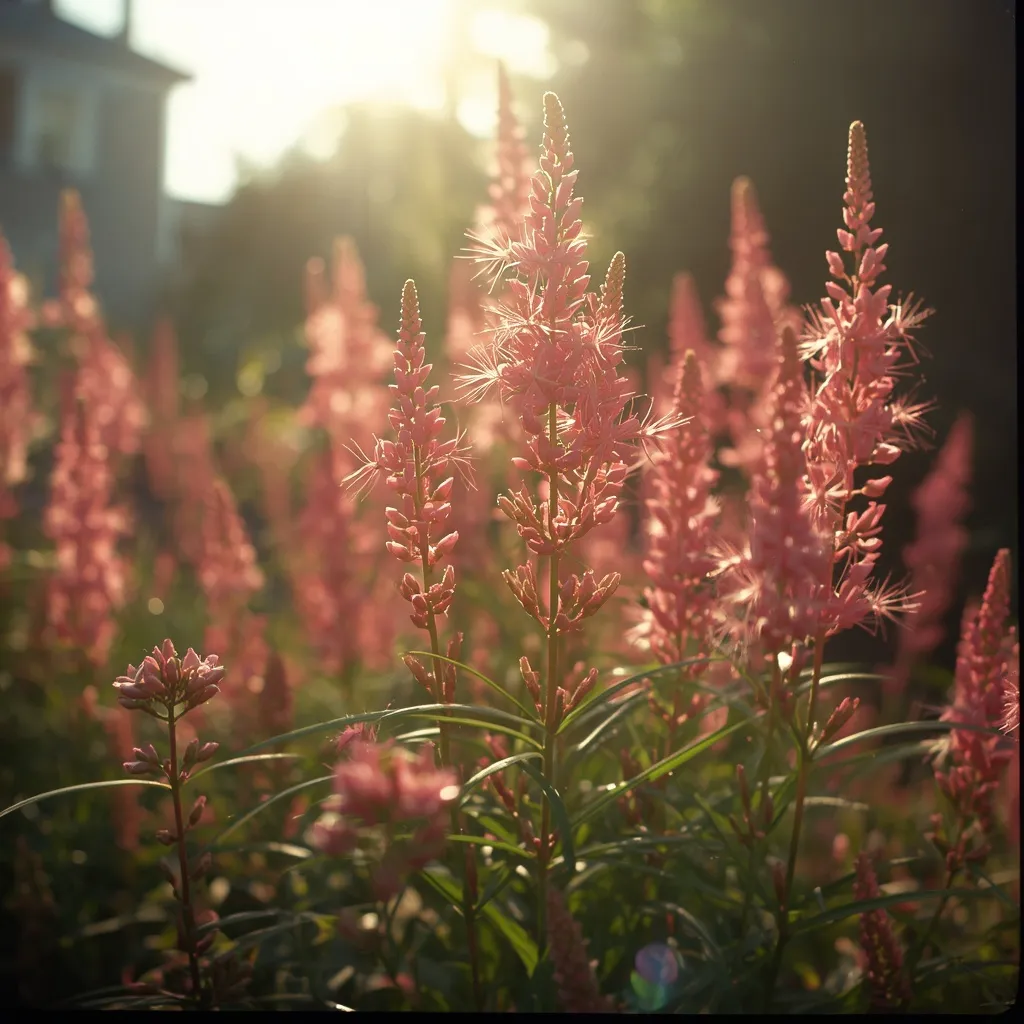
Cleome, or spider flower, gives the back of the border a tall, airy haze of pink through the whole summer. Reaching up to 1.5 m (5 ft), ‘Rose Queen’ throws out whiskered, spidery blooms that keep climbing upward as the season goes on.
Sow seed directly after frost in full sun and average soil; cleome is heat- and drought-tolerant once established, making it a strong pick for hot, dry spots. It self-seeds freely, so pull unwanted seedlings in spring if you don’t want a colony. Handle the plants with gloves, as many older varieties have small thorns along the stems. Plant it behind shorter flowers so its long legs are hidden.
- Why it works: tall, long-blooming, heat-proof color for the back row.
- Best for: hot, dry gardens and filling vertical space cheaply.
- Common mistake: planting it at the front, where its bare lower stems show.
17. Lupines for Cottage Spires
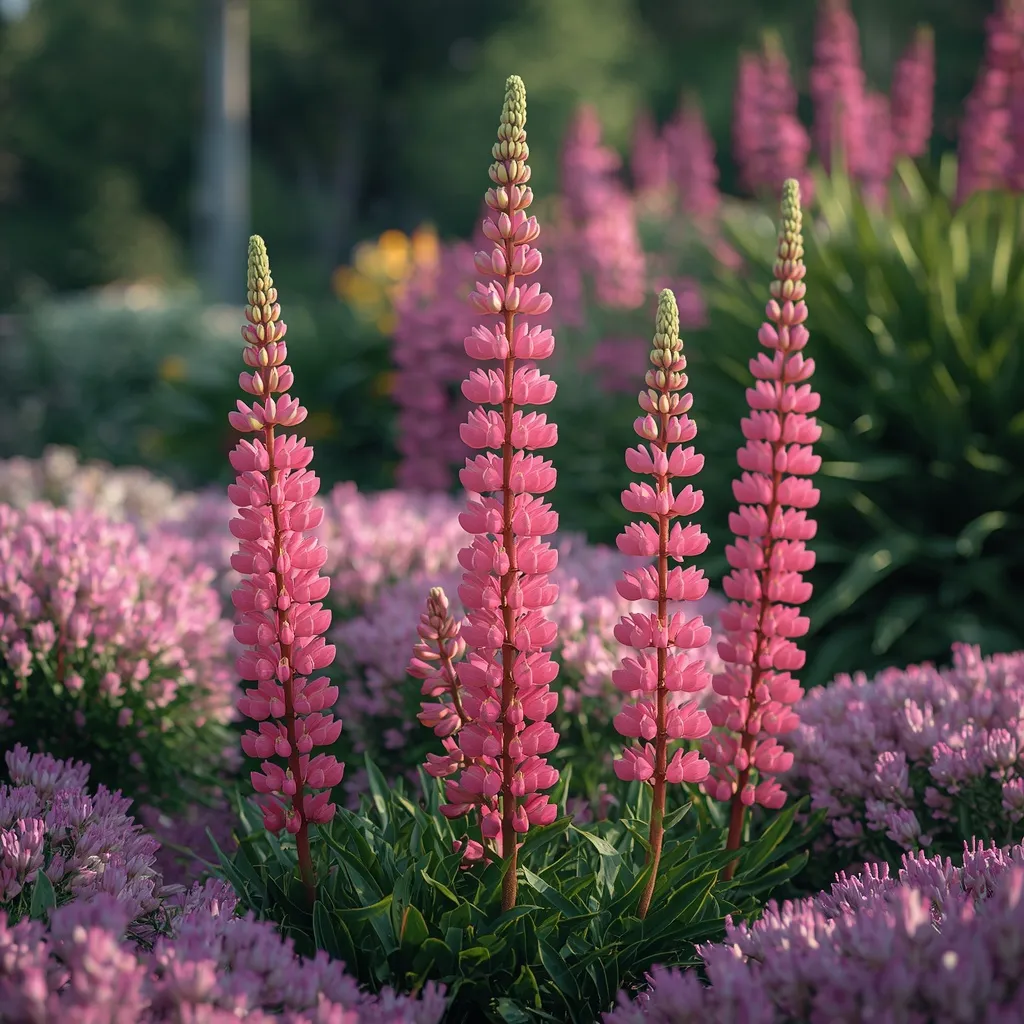
Lupines send up bold, pea-like spires packed with pink florets, adding structure and old-fashioned charm to a late-spring border. A group of pink ‘Gallery’ lupines standing among softer mounded plants gives the bed a strong vertical rhythm.
They prefer full sun to light shade and cool, slightly acidic, well-drained soil, and they resent being moved once their long taproot is down. Cut the main spike once it fades and you’ll often get smaller side spikes for a second, lighter flush. As legumes, lupines fix nitrogen and quietly improve the soil around them. In hot climates they’re short-lived, so treat them as you would a generous biennial and let a few go to seed.
- Why it works: dramatic vertical spires plus soil-improving roots.
- Best for: cottage gardens and cooler climates.
- Smart tip: cut the spent main spike to coax a second flush.
18. Japanese Anemones for Autumn
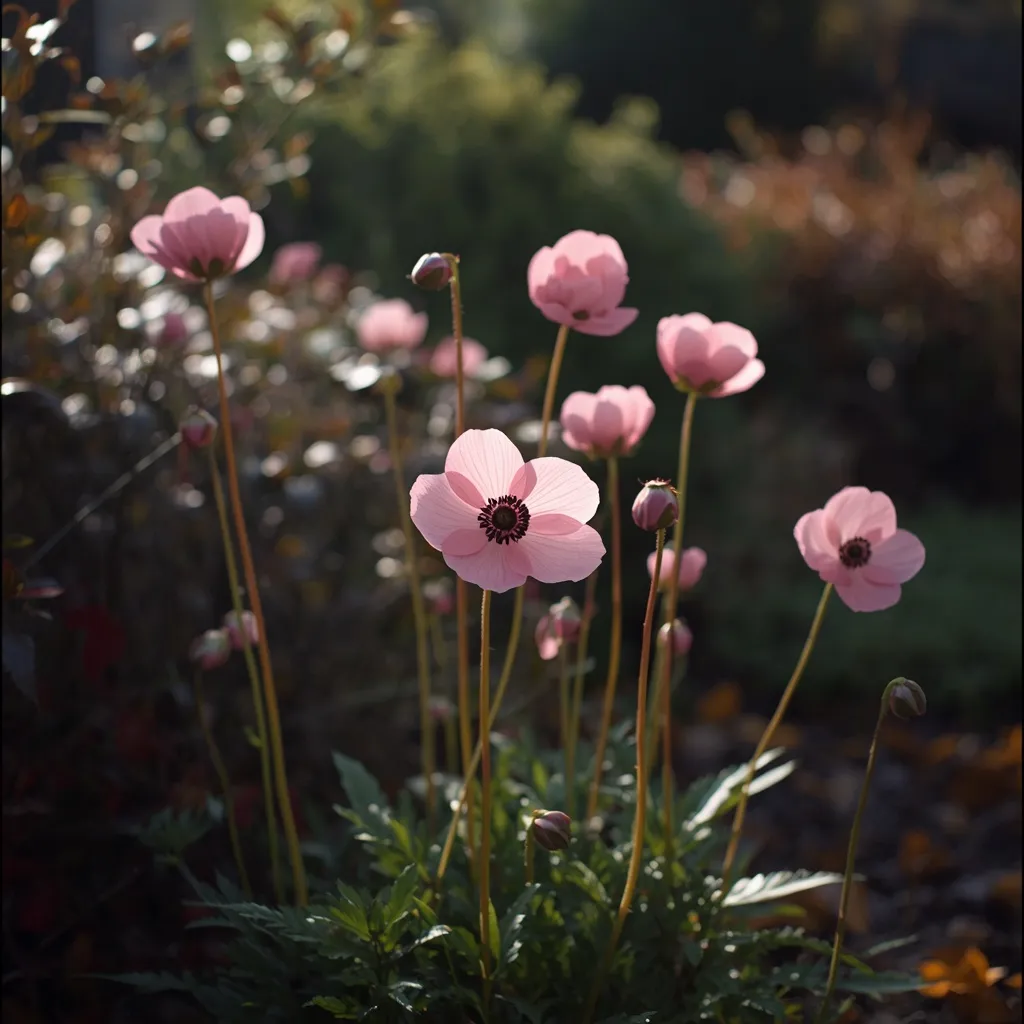
Japanese anemones are the closing act of the pink garden, opening fresh blooms in late summer and autumn when most perennials are winding down. Slender stems hold cupped pink flowers like ‘September Charm’ that dance well above the foliage in the softening autumn light.
Plant them in part shade and moist, fertile soil, and be patient; they take a year to settle before flowering freely, then spread steadily by underground runners. That vigor is a strength in a large bed but something to contain in a small one, so give them room or edge them in. Their height, up to 1.2 m (4 ft), makes them a graceful middle-to-back-of-border plant for the season’s finale.
- Why it works: fresh pink blooms exactly when the garden needs a lift.
- Best for: part-shade beds and extending color into autumn.
- Common mistake: expecting a big first-year show they need a season to establish.
19. A Climbing Pink Accent
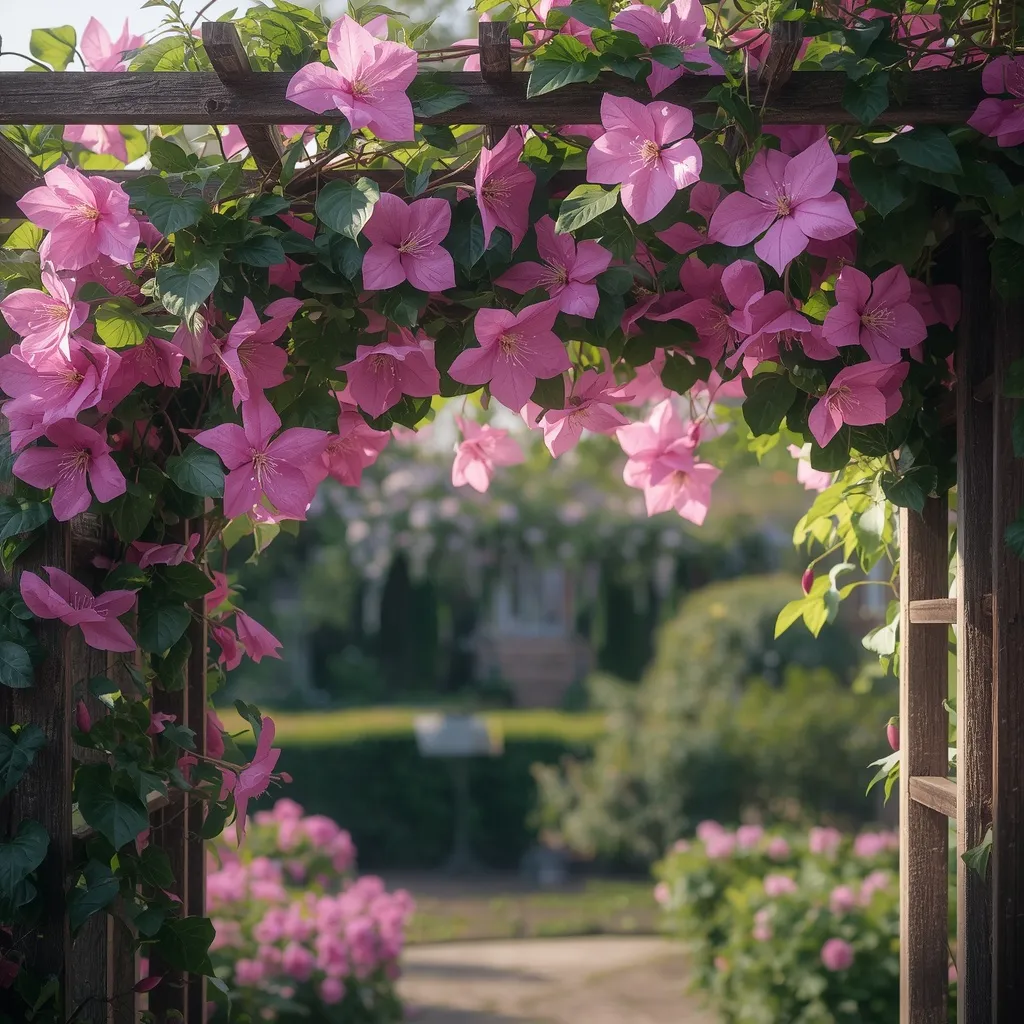
Finish the garden by sending pink upward with a climber that clothes a wall, arch, or pergola. A pink clematis like ‘Nelly Moser’ threading through a trellis, or a mandevilla twining up a warm sunny post in mild climates, adds height that ground-level flowers can’t reach.
For clematis, remember the classic rule: keep the roots cool and shaded while the top climbs into the sun, using a low plant or mulch to shade the base. Match your pruning to the type spring bloomers flower on old wood and are pruned lightly after flowering, while summer bloomers are cut back hard in late winter. On a bare fence or blank wall, a single well-placed climber does more for the pink-garden feel than a dozen small plants at your feet.
- Why it works: adds the vertical, wall-covering pink most gardens forget.
- Best for: fences, arches, pergolas, and small gardens short on ground space.
- Smart tip: cool, shaded roots and a sunny top keep clematis happiest.
Conclusion
A pink flower garden earns its beauty through planning, not luck a spread of soft to deep pink shades, and a bloom calendar that carries color from the first spring tulip to the final autumn anemone. Start with two or three plants from different seasons in this list rather than everything at once, learn how they behave in your own light and soil, then layer in more each year until something pink is always in flower. When you’re ready to shape the wider picture, our Garden Design collection has plenty of layouts to build around. Save the ideas that suit your space and light, and let your garden bloom into your own quiet corner of home. Pink also pairs beautifully with cool neutrals, the same principle behind a white flowers garden, where restraint does the heavy lifting.
FAQs
What are the easiest pink flowers to grow for a beginner garden?
Cosmos and pink coneflowers are the most forgiving choices; cosmos grow from seed sown straight into the ground and flower within weeks, while coneflowers are drought-tolerant perennials that return every year with almost no care. Both thrive in full sun and reward you far more than the effort they take.
How do I keep my pink flower garden blooming all season?
Plan for bloom succession by combining plants from different seasons: tulips and camellias for early spring, peonies and lupines for late spring, roses and phlox for summer, and dahlias and Japanese anemones for autumn. Layering these means something is always in flower instead of the whole bed peaking at once and going bare.
Why did my pink hydrangea turn blue?
Bigleaf hydrangea color is controlled by soil pH: acidic soil turns the blooms blue, while neutral to alkaline soil keeps them pink. To hold the pink, add garden lime to raise the pH and avoid aluminum sulfate or choose a panicle hydrangea, which turns pink as it ages regardless of soil.
Which pink flowers grow well in shade?
Astilbe, bleeding heart, and Japanese anemones all bloom in part to full shade where sun-lovers fail. Astilbe brings feathery summer plumes, bleeding heart offers romantic spring lockets, and anemones extend pink into autumn together they cover a shady bed for most of the growing season, as long as the soil stays moist.
Are any pink garden flowers dangerous around pets or children?
Yes foxgloves are highly toxic to both people and pets if any part is eaten, and sweet pea seeds and pods are also toxic despite looking like edible peas. Plant these away from areas where young children or dogs roam, wash your hands after handling, and check a source like the ASPCA database before adding new plants to a pet household.
Can I grow a pink flower garden in containers or a small space?
Absolutely dianthus, compact dahlias, cosmos, and sweet peas on a small trellis all thrive in pots on a balcony or patio. Use containers at least 30 cm (12 in) wide with drainage holes, water more often than you would in the ground, and choose one climber to add height without taking up floor space.