

Introduction
Picture a hidden corner where climbing jasmine curls over a weathered bench, and the noise of daily life fades into birdsong. That is the quiet magic of good garden nook ideas: they turn overlooked corners, narrow patios, and shaded fence lines into small retreats you actually want to sit in. Whether you are working with a sprawling backyard, a compact courtyard, or a single sunny windowsill, there is a version of this idea suited to your space, climate, and style. This guide walks through twenty-one genuinely distinct garden nook ideas, from sunken fire pit lounges to whimsical fairy corners, so your outdoor abode has a spot that feels entirely its own.
21 Garden Nook Ideas Worth Copying
1. Sunken Conversation Nook
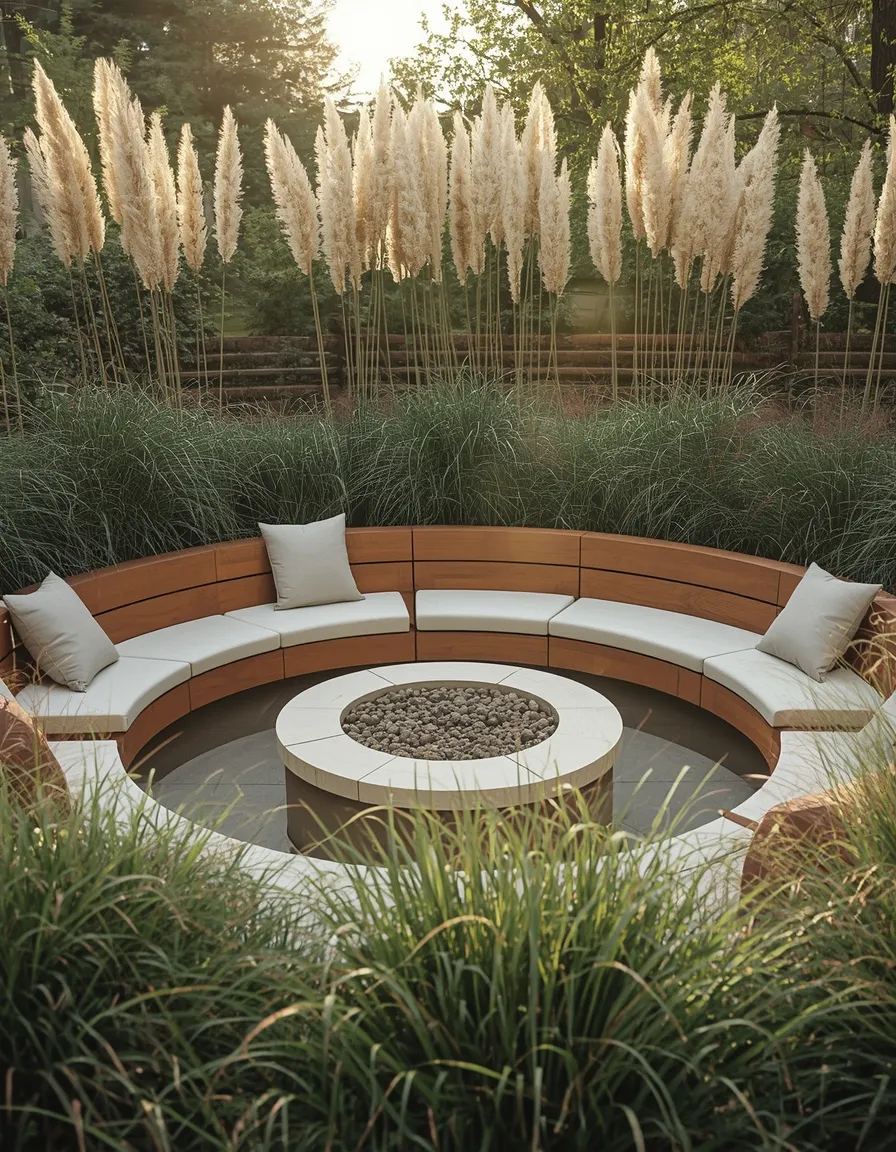
Picture a circular pit lined with cedar benches, sunk just 30 to 45 cm (12 to 18 in) below grade, wrapped by ornamental grasses that soften every sightline into the yard. From the kitchen window it barely registers, until you step down into it and the rest of the yard disappears behind chest-height planting.
Execution starts with drainage: excavate the pit with a slight slope toward a gravel-filled French drain so the seating area never pools after rain. Build low retaining walls from concrete block, brick, or treated timber, then top with a built-in bench and weather-resistant cushions. This works best on yards with at least 3.5 m (11 ft) of usable depth and naturally well-draining soil; heavy clay sites need a professional drainage assessment before digging. A common mistake is skipping the drain and creating a rain-catching bowl instead of a lounge.
- Creates instant privacy without fencing or screening
- Ideal for larger backyards with room to excavate
- Doubles as a natural windbreak in exposed gardens
2. Pergola-Shaded Reading Nook
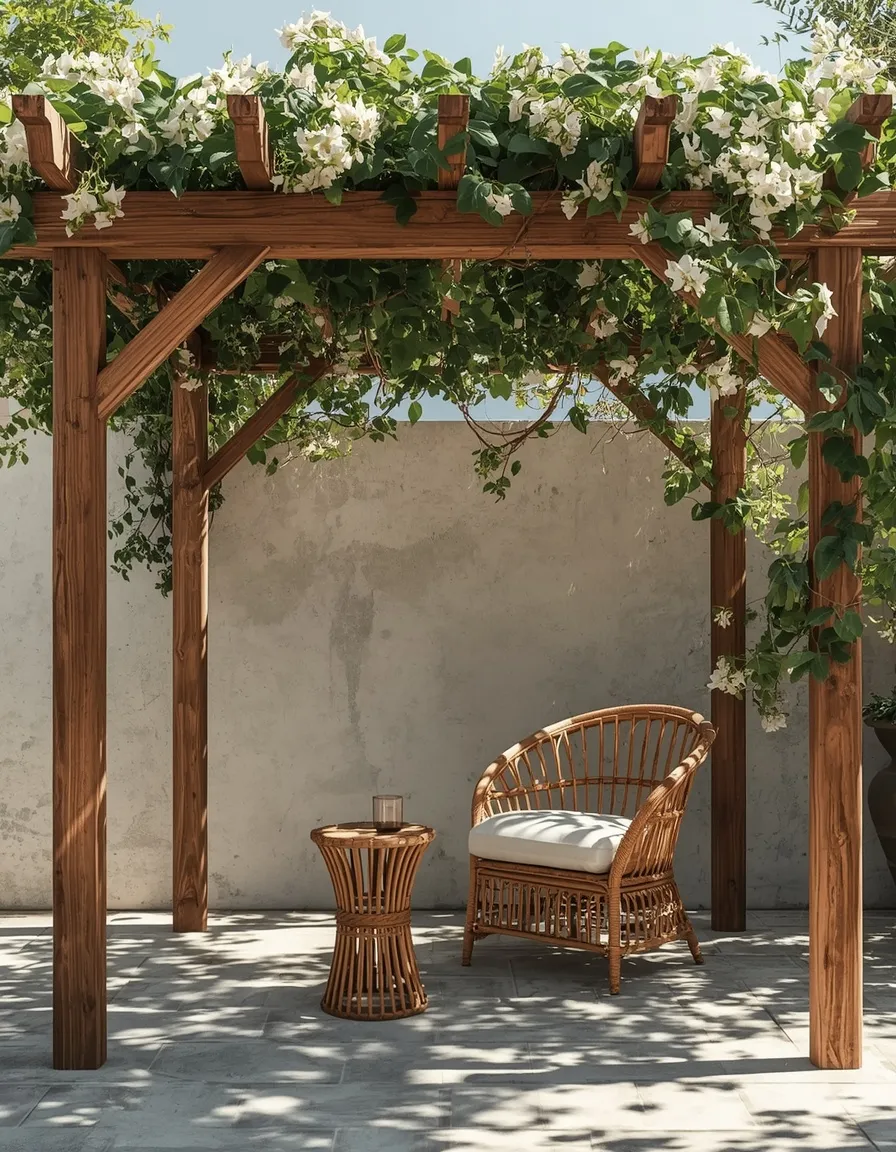
A slim pergola over a single armchair and a small side table turns an unused side yard into a dedicated reading spot, dappled light shifting across the pages as climbing vines fill in overhead.
Choose fast climbers suited to your zone, like clematis or star jasmine in temperate climates, or a shade cloth panel in hotter regions where vines take a full season to establish. Position the nook to catch morning sun and afternoon shade, which keeps the seat comfortable through the hottest part of the day. A weatherproof outdoor rug and a small solar lantern extend its use into early evening. Avoid resting cushions directly on bare wood, which traps moisture and encourages mildew; a slatted bench or raised planter underneath solves this.
- Works in narrow side yards as little as 1.2 m (4 ft) wide
- Provides shade without the cost of a full structure
- Pairs well with a single accent plant in a large pot
3. Corner Bistro Nook
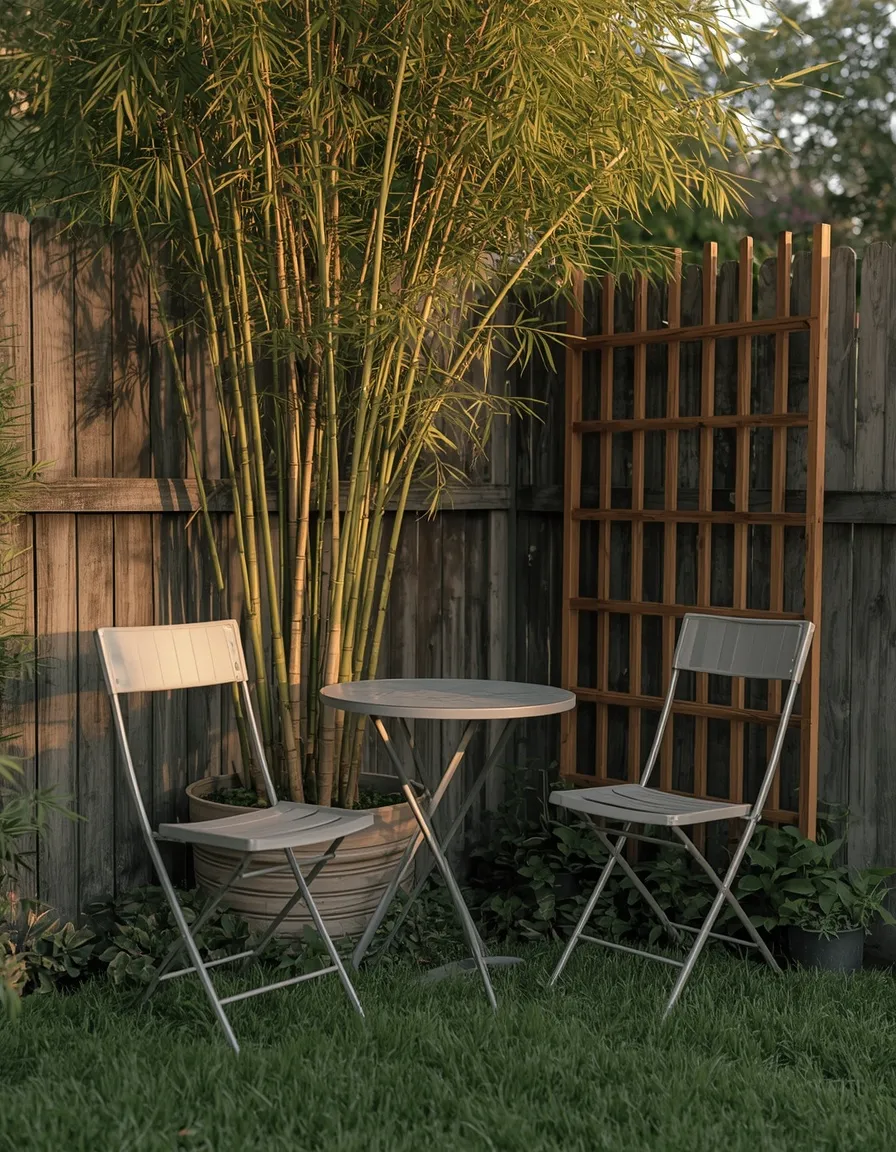
Two folding chairs and a café-sized round table, tucked into the ninety-degree angle where a fence meets the house wall, prove that a garden nook does not need much square footage, only a good corner.
Corners are structurally efficient: two existing boundaries already do half the enclosure work, so you only need to add a third visual edge, like a trellis panel or a row of potted bamboo, to make the space feel held rather than exposed. This is one of the clearest examples of the layout thinking behind good garden design ideas for compact spaces, where negative space matters as much as furniture. Keep the footprint under 1.5 square meters (16 sq ft) and choose stackable or foldable furniture so the corner can double as a walkway when needed.
- Ideal for small patios, balconies, and narrow gardens
- Uses existing walls or fences as free structure
- Furniture folds away for multi-purpose use
4. Hedge-Hidden Secret Nook
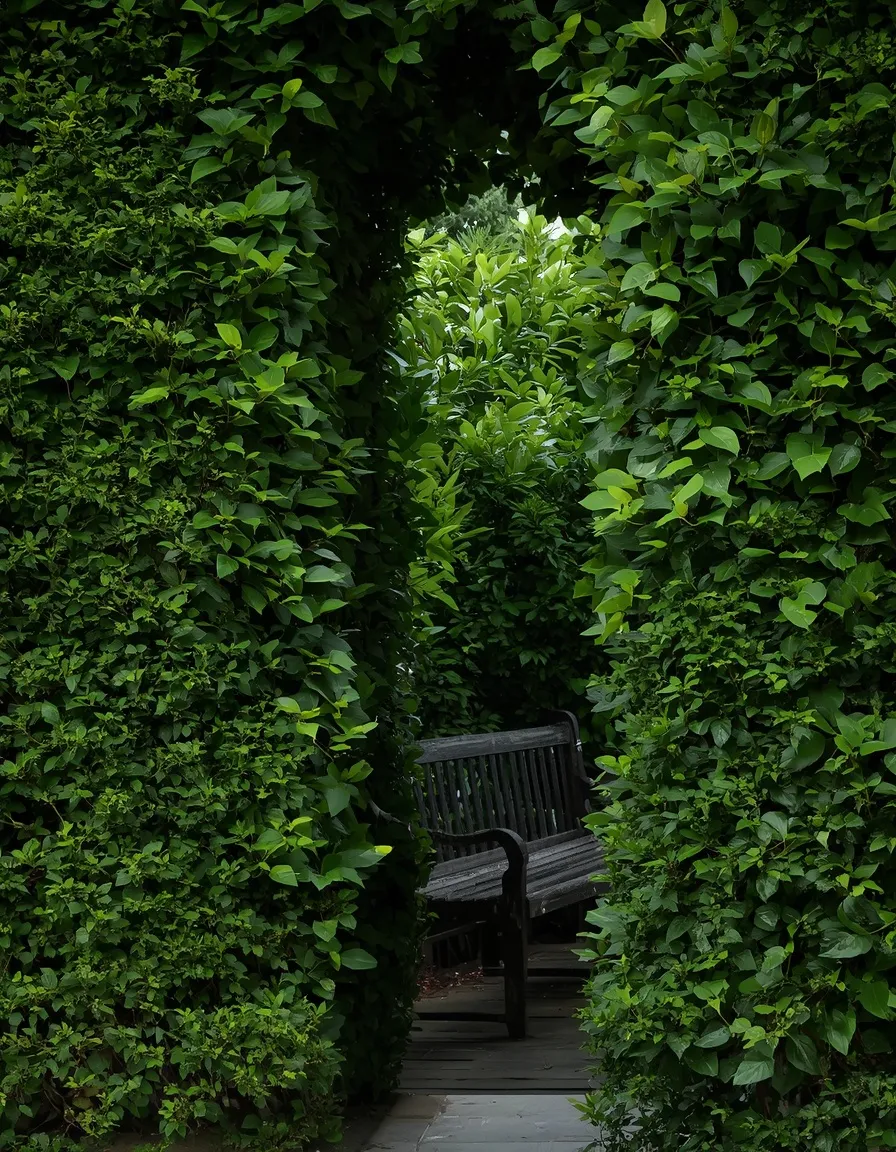
Step through a gap in a tall boxwood or privet hedge and find a single bench facing nothing but greenery, the rest of the garden and the outside world completely screened from view.
The trick to a genuinely secret garden nook is entry, not enclosure: a narrow, deliberately unobvious opening (60 to 75 cm, or 24 to 30 in, wide) reads as a discovery rather than a doorway. Plant a fast, dense hedge like privet or boxwood, and expect two to three growing seasons before it fully encloses the space; in the meantime, a temporary lattice screen can hold the line. Underplant with shade-tolerant groundcover so the interior feels finished even while the hedge fills in. Avoid thorny or toxic hedging near homes with small children or pets, and check plant safety before choosing a species.
- Delivers genuine privacy in a shared or overlooked yard
- Works well tucked behind a garage, shed, or garden wall
- Best planned early, since hedges take real time to mature
5. Desert Xeriscape Lounge Nook
Low-slung woven chairs sit on a bed of decomposed granite, ringed by barrel cacti, agave, and a single multi-trunked desert willow casting thin, moving shade across the seating.
A desert garden nook succeeds by working with heat rather than fighting it: choose drought-tolerant natives suited to your specific hardiness zone, group plants by water need, and use gravel or decomposed granite instead of lawn to cut irrigation almost entirely. Orient seating to catch the desert willow’s afternoon shadow, and add a simple shade sail if mature shade is still years away. Metal furniture can become uncomfortably hot in direct sun, so choose powder-coated frames or add cushions in heat-reflective light colors. Check regional guidance, such as a university extension service, before planting any cactus near paths where people or pets pass close by.
- Needs minimal watering once established
- Suited to hot, arid, or low-rainfall climates
- Pairs naturally with gravel, stone, and metal accents

6. French Courtyard Nook
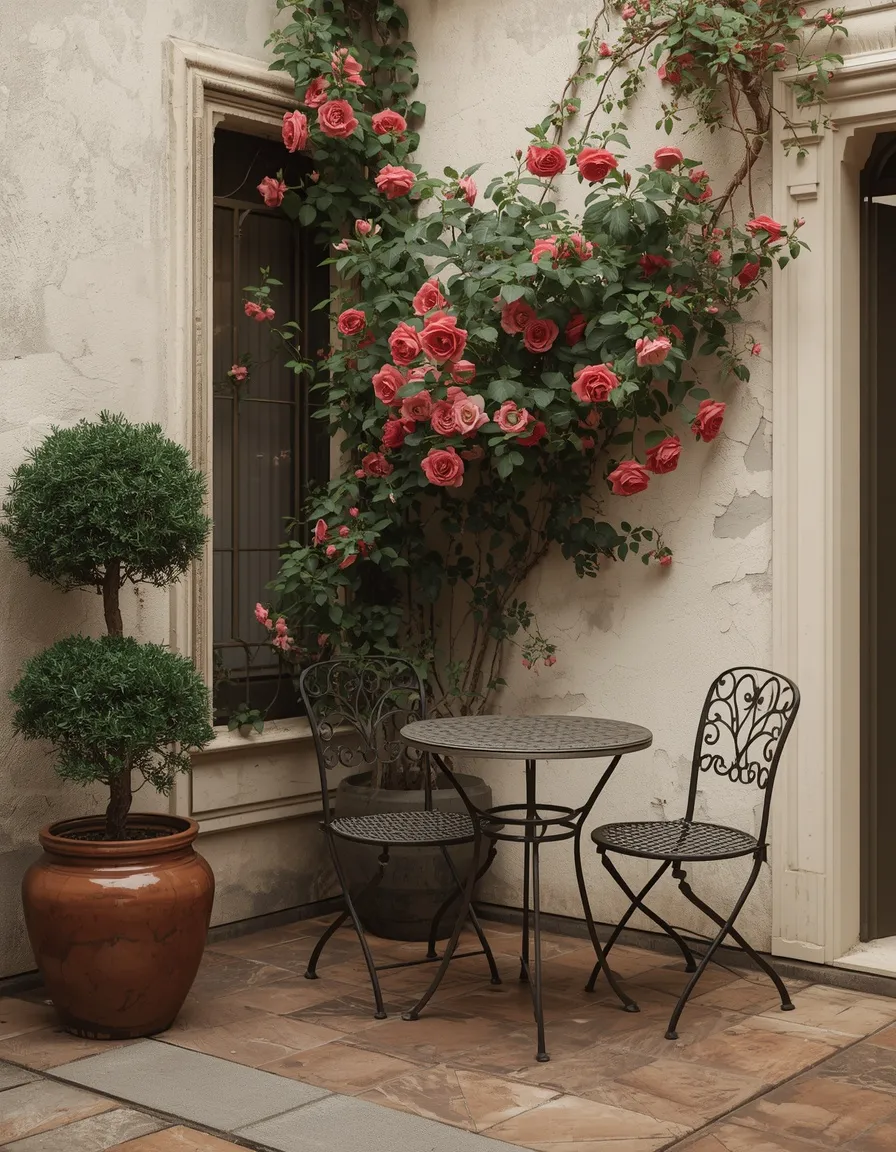
A wrought-iron bistro set sits on reclaimed terracotta tile, boxwood spheres in glazed pots flanking the seating, with a single climbing rose trained up a limewashed wall behind it.
The French courtyard look leans on restraint and symmetry: pair identical potted topiaries, keep the palette to soft greens, terracotta, and weathered white, and use gravel or tile rather than lawn underfoot. A small tiered fountain or simple stone birdbath adds the gentle sound that defines this style without requiring a large water feature. This works particularly well in enclosed side courtyards or walled front gardens where the architecture already suggests a European feel. Choose a climbing rose bred for your climate zone, since many classic varieties struggle in very hot or very humid regions.
- Suits enclosed courtyards, walled gardens, and entry spaces
- Relies on symmetry and repetition rather than variety
- Low-maintenance once topiaries and climbers are established
7. Whimsical Fairy Garden Nook
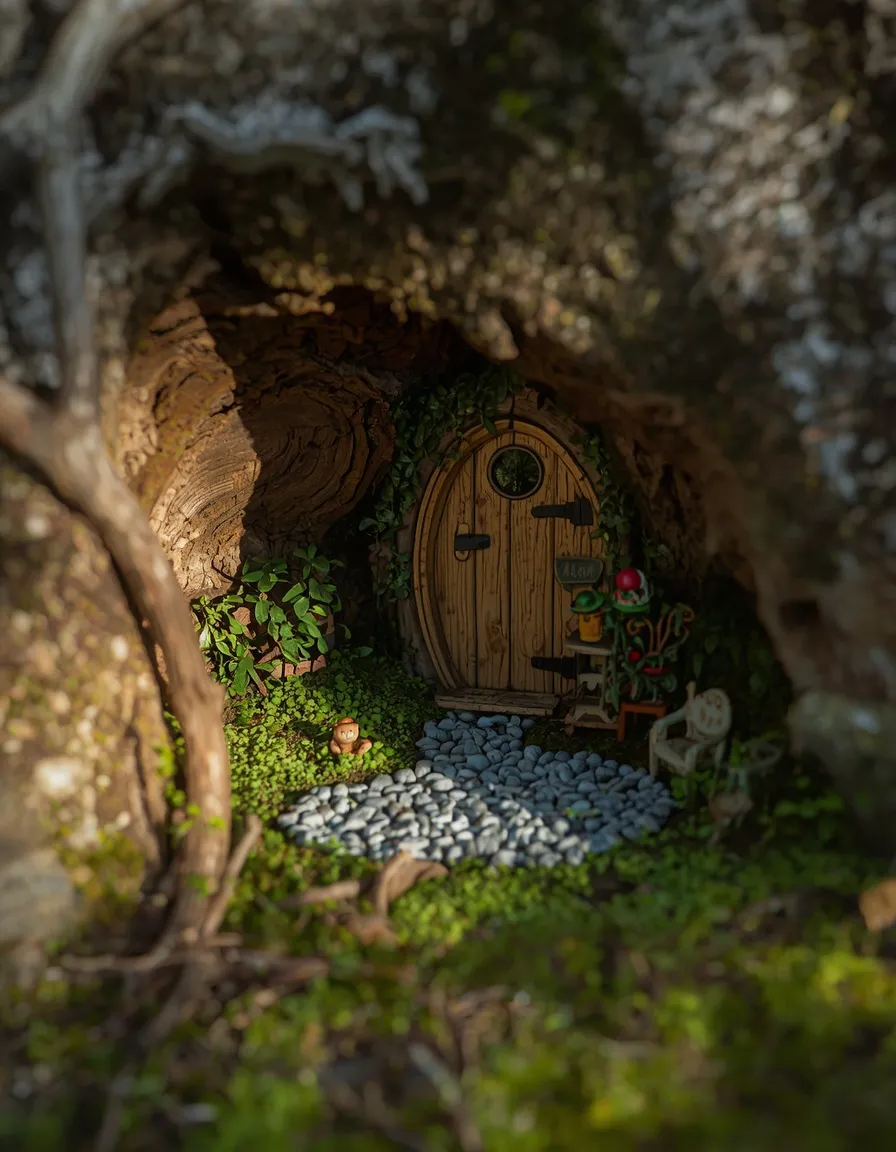
A miniature arched door leans against the base of an old tree stump, tiny pebble pathways winding between moss patches and thimble-sized furniture, scaled for imagination rather than adults.
A fairy garden nook works best built at genuine child height, low to the ground where small hands can rearrange the miniature scene themselves. Use a shaded, slightly damp corner where moss grows naturally, and choose weather-resistant miniatures rather than painted items that fade after one season outdoors. Involve children in placing pathway stones and planting tiny groundcovers like Irish moss or baby’s tears, which keeps the space evolving rather than static. Double-check that any small decorative pieces are too large to be a choking hazard for toddlers, and avoid plants with toxic berries or leaves in a space designed to be handled and explored.
- A genuinely hands-on project for kids to help build
- Works in a single shaded corner as small as 1 sq m
- Keeps young children engaged with the garden long term
8. DIY Pallet Bench Nook
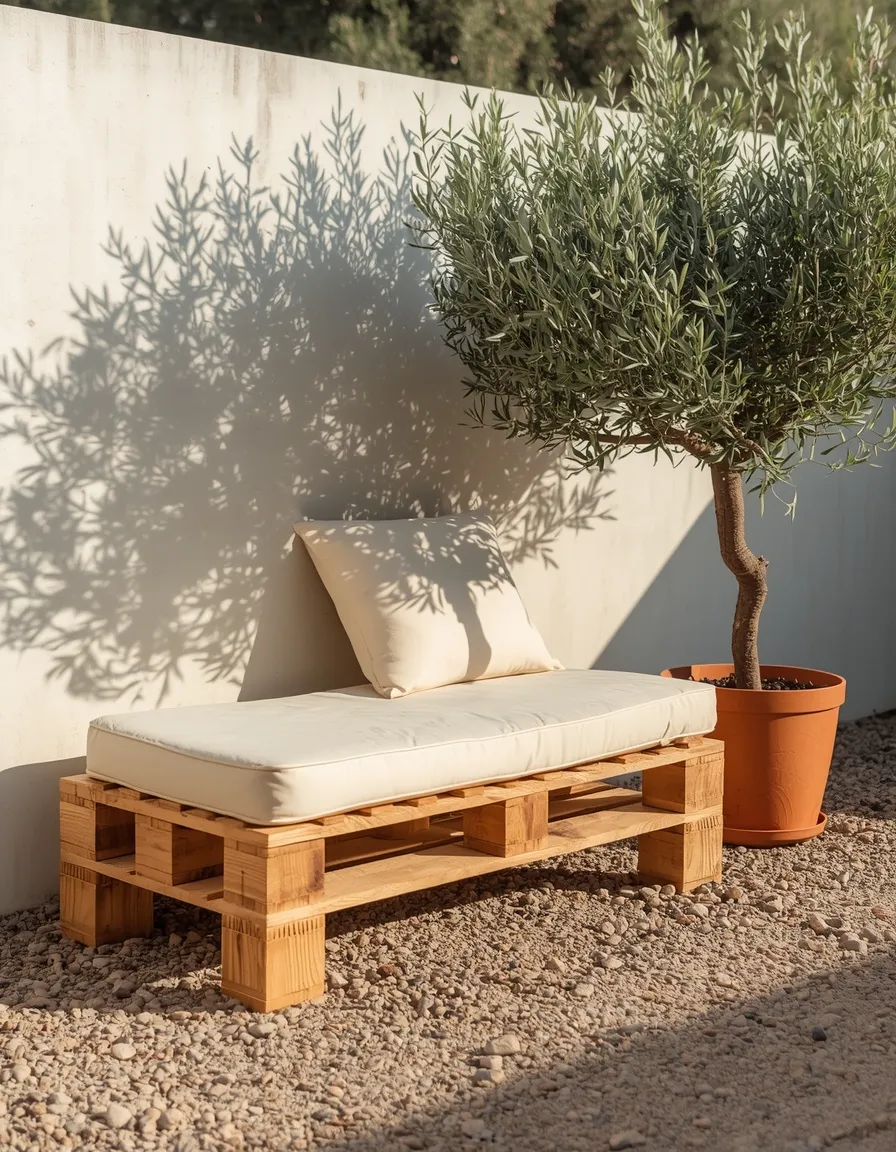
A bench built from two stacked, sanded pallets holds a thick outdoor cushion, set beneath a single potted olive tree that casts just enough shade for an afternoon coffee break.
Reclaimed pallets make a genuinely low-cost garden nook, provided you start with heat-treated pallets (stamped “HT,” never “MB”) and sand every rough edge before adding cushions. Reinforce the frame with additional cross-bracing screws before loading it with weight, and seal bare wood with an exterior-grade stain or oil to prevent splintering and rot. This project suits renters and first-time DIYers alike, since it requires no permanent structure and can be disassembled or moved in an afternoon. For more budget-conscious shortcuts like this one, our gardening hacks guide has additional ideas for stretching reclaimed materials further. Always wear gloves and safety glasses when sanding or cutting pallet wood.
- Costs a fraction of store-bought garden furniture
- Fully portable and renter-friendly
- A genuine weekend project for beginner DIYers
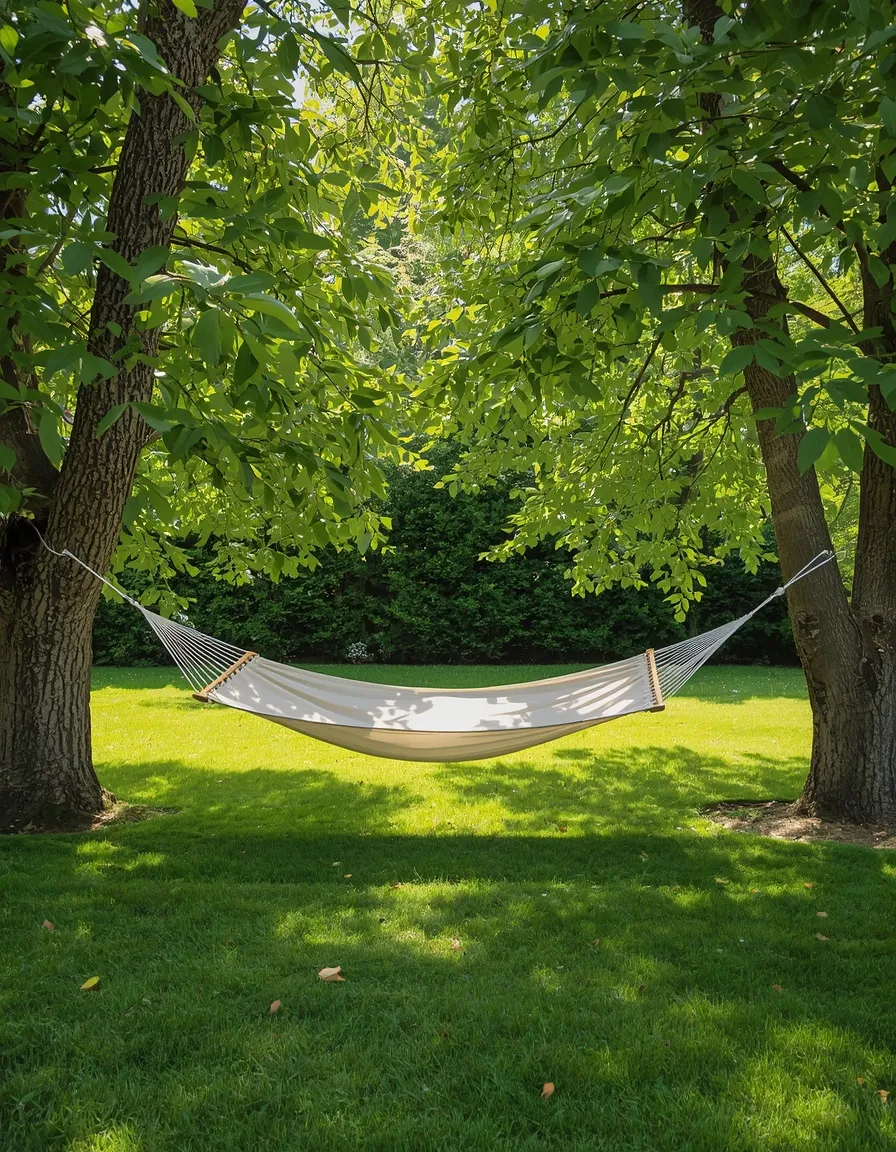
9. Hammock Canopy Nook
A canvas hammock strung between two mature trees sways gently over a bed of clover, the surrounding branches doing all the shading work without a single built structure.
The right spacing between anchor trees is 3.5 to 4.5 m (11 to 15 ft) for most standard hammocks, and both trees need trunks at least 15 cm (6 in) in diameter to safely bear the load. Use wide, tree-friendly straps rather than rope or chain, which can girdle and damage bark over time. If your yard lacks two well-placed trees, a freestanding hammock stand achieves the same relaxed feel without relying on tree health or spacing. Check strap and hardware weight ratings before use, and reposition the hammock periodically so the same patch of lawn underneath does not wear bare.
- Requires almost no construction or ongoing maintenance
- Ideal for larger backyards with mature shade trees
- A freestanding stand adapts the idea to treeless yards
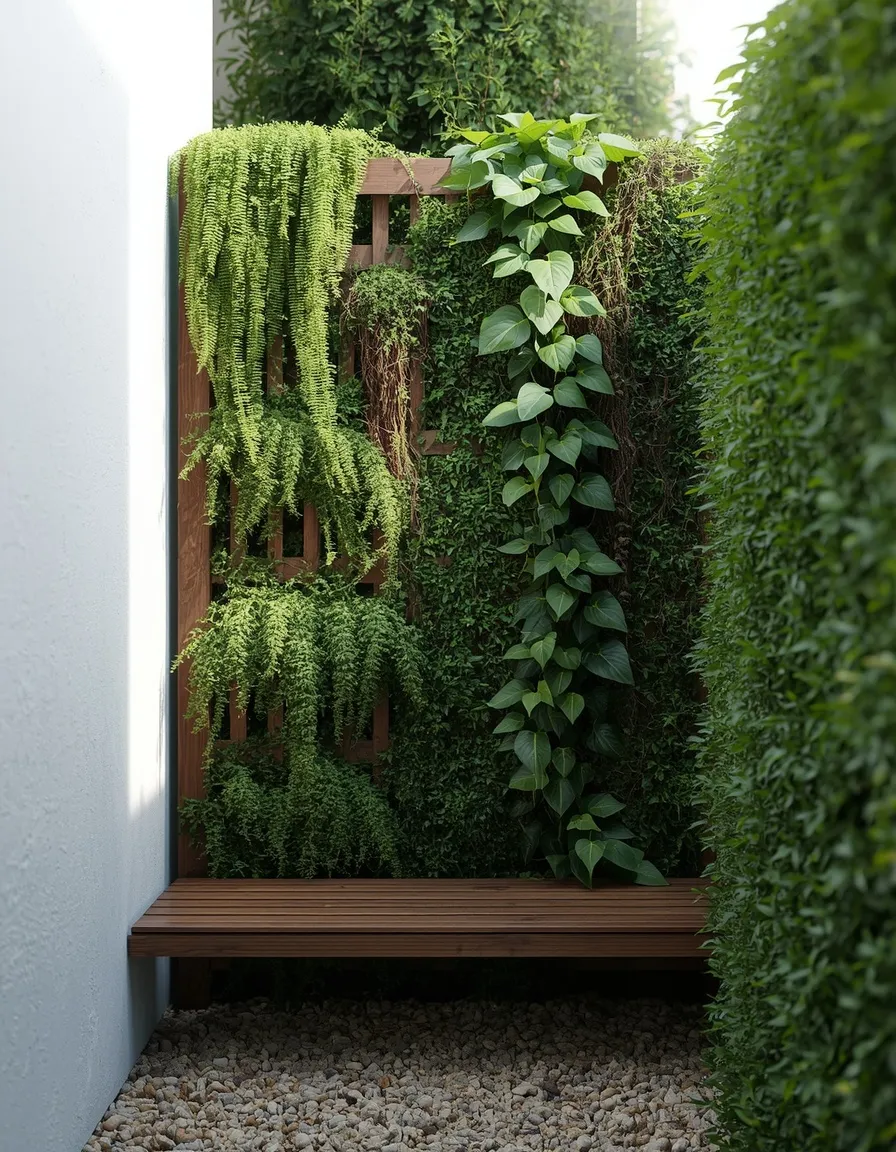
10. Vertical Garden Wall Nook
A living wall of ferns, pothos, and trailing herbs climbs a narrow trellis panel behind a single slim bench, turning a fence-width strip of yard into a green, textured backdrop.
Vertical planting is one of the best small garden nook design tools for narrow lots, since it adds real greenery without consuming floor space. Use a modular wall planter system with a built-in drip irrigation line for even watering, and group plants by light and water needs so one section is not constantly over- or under-watered. Face the wall away from harsh afternoon sun unless you have chosen specifically sun-tolerant species. A common mistake is overloading a lightweight trellis; confirm it is rated for the mature, saturated weight of a full planting before installing it against a fence.
- Maximizes greenery in gardens under 10 square meters
- Adds privacy in a fraction of the footprint of a hedge
- Suits balconies, courtyards, and narrow side yards alike
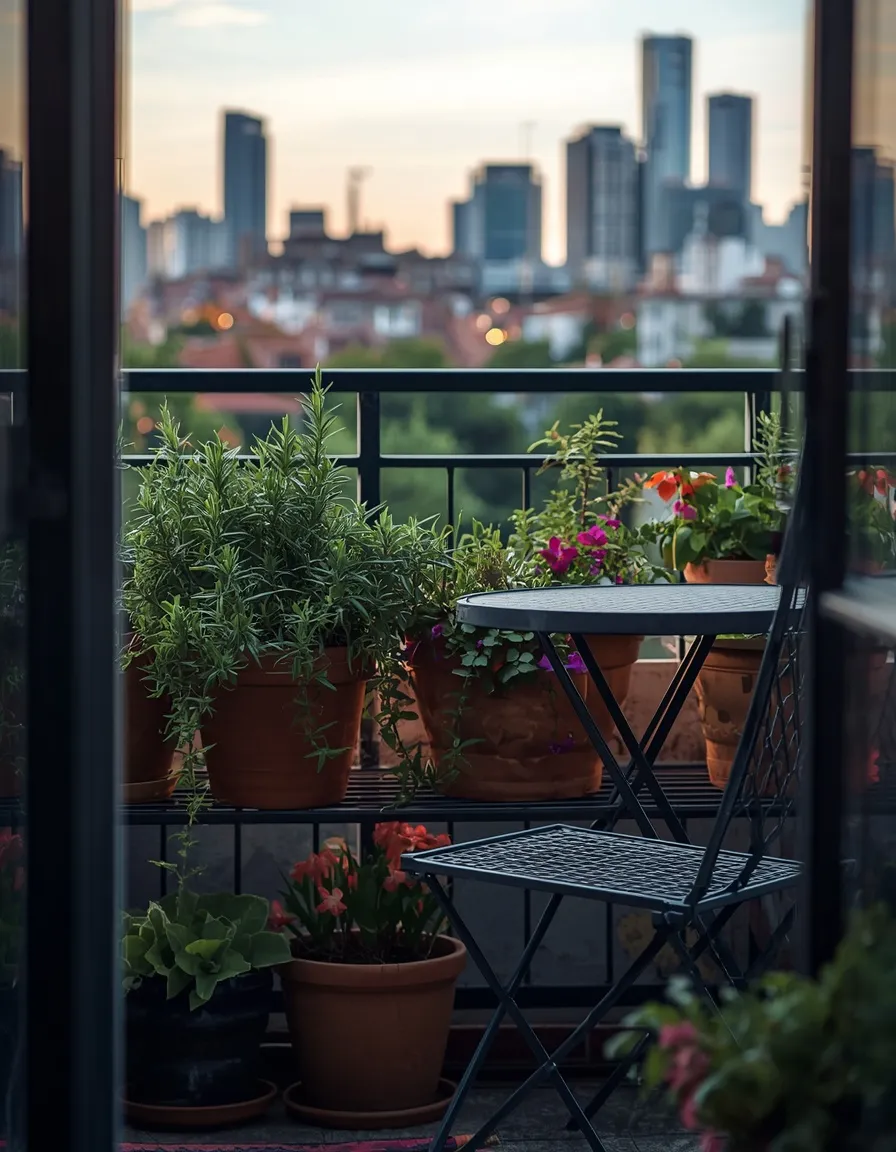
11. Balcony Container Nook
A single bistro chair, a stack of terracotta pots planted with rosemary and trailing lobelia, and a folded outdoor blanket turn a fourth-floor balcony rail into a genuine garden nook.
Weight matters most on balconies: check your building’s load limits before grouping heavy ceramic pots, and favor lightweight fiberglass or resin containers where possible. Group three to five pots of varying heights rather than spreading single plants along the rail, which reads as fuller and more intentional from both inside and outside the apartment. Self-watering containers reduce the risk of drought stress on hot balconies with reflected heat from concrete or glass. Secure any hanging or railing-mounted planters with brackets rated for outdoor wind exposure, since a fallen pot from height is a genuine safety hazard.
- The most realistic garden nook idea for apartment dwellers
- Works on balconies as narrow as 1 m (3 ft) deep
- Self-watering pots suit renters who travel often
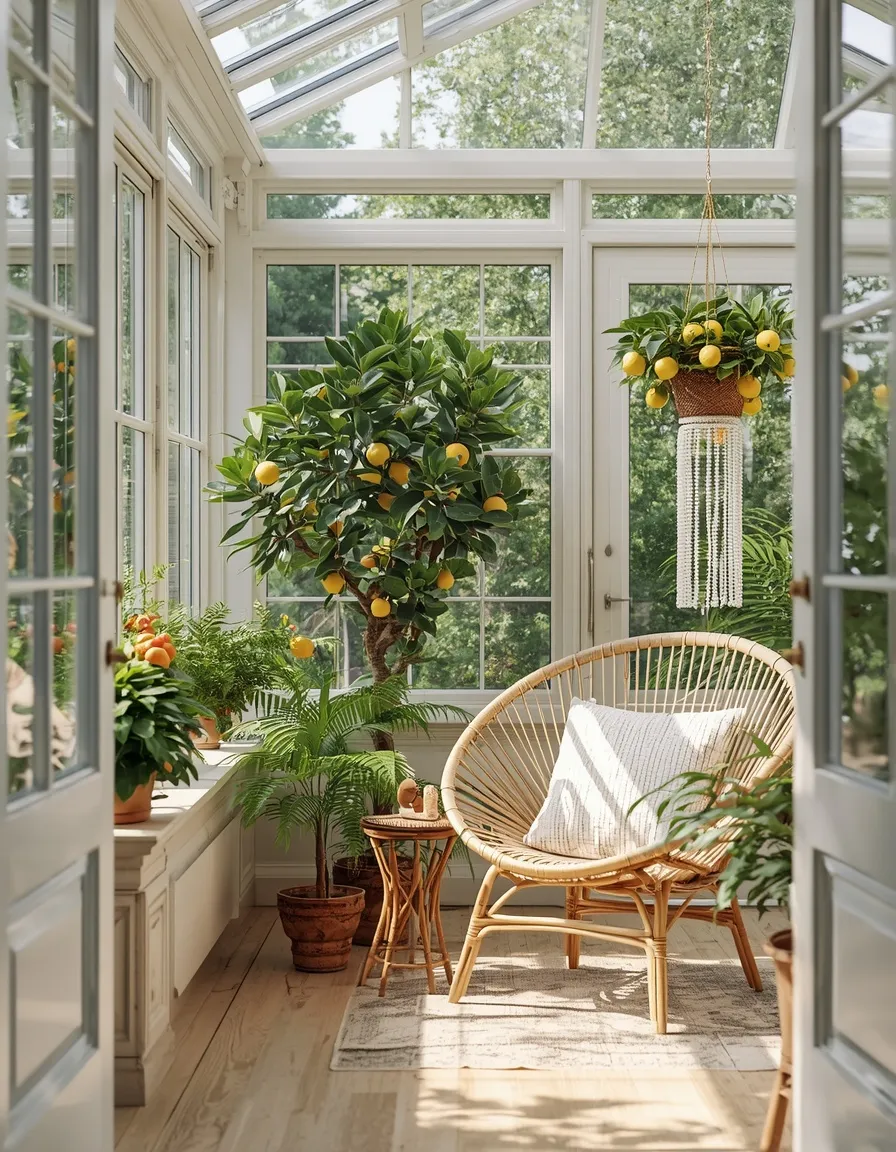
12. Indoor Sunroom Garden Nook
Inside a glass-walled sunroom, a rattan chair sits among potted citrus, ferns, and a trailing string of pearls hung from a ceiling hook, blurring the line between house and garden.
An indoor garden nook depends entirely on matching plants to the room’s actual light: south- or west-facing sunrooms suit citrus and succulents, while north-facing rooms do better with ferns, pothos, and other low-light foliage. Group plants on a humidity tray or pebble dish to counter the drying effect of indoor heating and air conditioning. Leave at least 60 cm (24 in) of clearance around the seat so the space reads as a room, not a plant storage shelf. Check the toxicity of any plant brought indoors if pets or young children have access to the room; the ASPCA maintains a searchable list of plants toxic to cats and dogs.
- Extends garden-style relaxation through cold or wet seasons
- Works in any glazed room, from sunrooms to porches
- Humidity trays help plants thrive despite indoor climate control
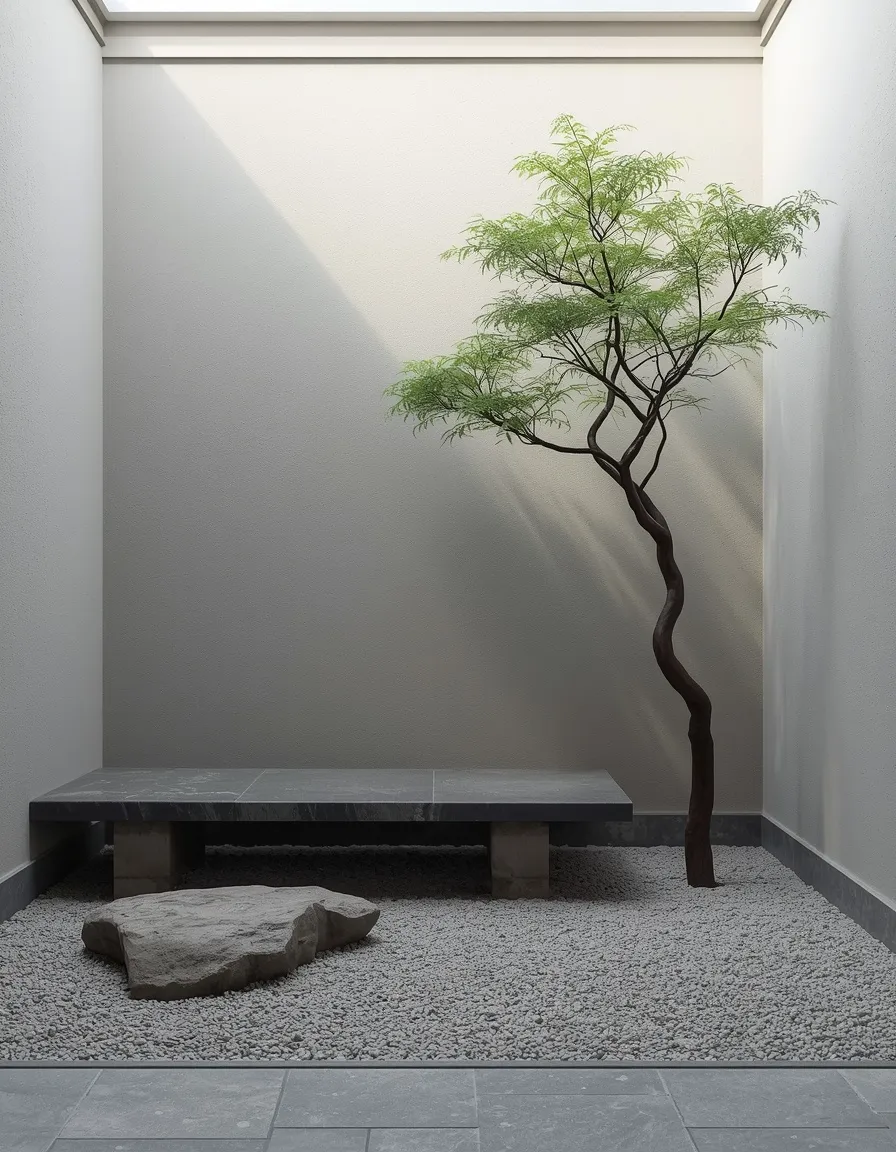
13. Zen Meditation Nook
A single flat stone bench faces a small raked gravel bed, one carefully placed boulder, and a dwarf Japanese maple, everything else deliberately absent from the scene.
This style of garden nook works through subtraction rather than addition: choose two or three elements, such as stone, gravel, and a single specimen plant, and resist the urge to add more. Rake the gravel in simple parallel lines around the boulder to suggest water without using any, a classic technique borrowed from Japanese dry gardens. Position the bench so morning light falls across the gravel at a low angle, which shows the raked texture most clearly. This works particularly well in a shaded or partially secluded corner, since a meditation nook benefits from the same visual privacy as a secret garden nook.
- Requires very little ongoing plant maintenance
- Suits small, shaded, or awkward-shaped corners
- Creates a genuinely calming focal point with minimal materials
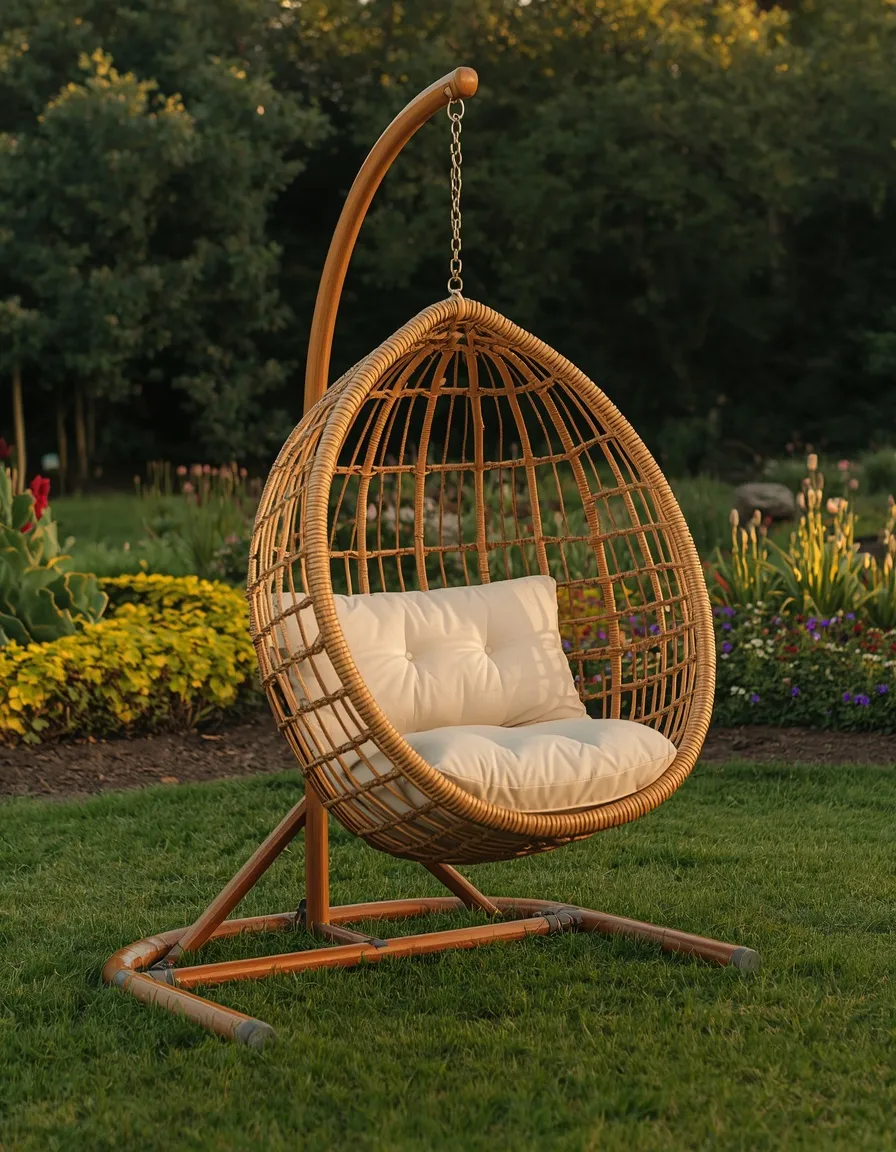
14. Hanging Swing Seat Nook
A wide rattan swing seat hangs from a sturdy A-frame stand, cushioned in weatherproof fabric, positioned to face the garden’s best view rather than the house.
A garden seating nook built around a hanging swing needs real structural attention: freestanding frames must be rated for the seat’s maximum load plus the motion of use, and should sit on a level, stable base, ideally paving slabs rather than soft lawn that shifts over time. If hanging from a pergola beam instead, confirm the beam and its fixings can bear dynamic swinging weight, not just static weight, since motion multiplies the load; when in doubt, have it checked by a builder. Add a small side table within reach for a drink or book, and orient the swing to catch prevailing breeze in summer.
- A genuine focal point that draws the eye across the garden
- Freestanding frames need no permanent structural changes
- Best positioned to face a view, sunset, or planting bed
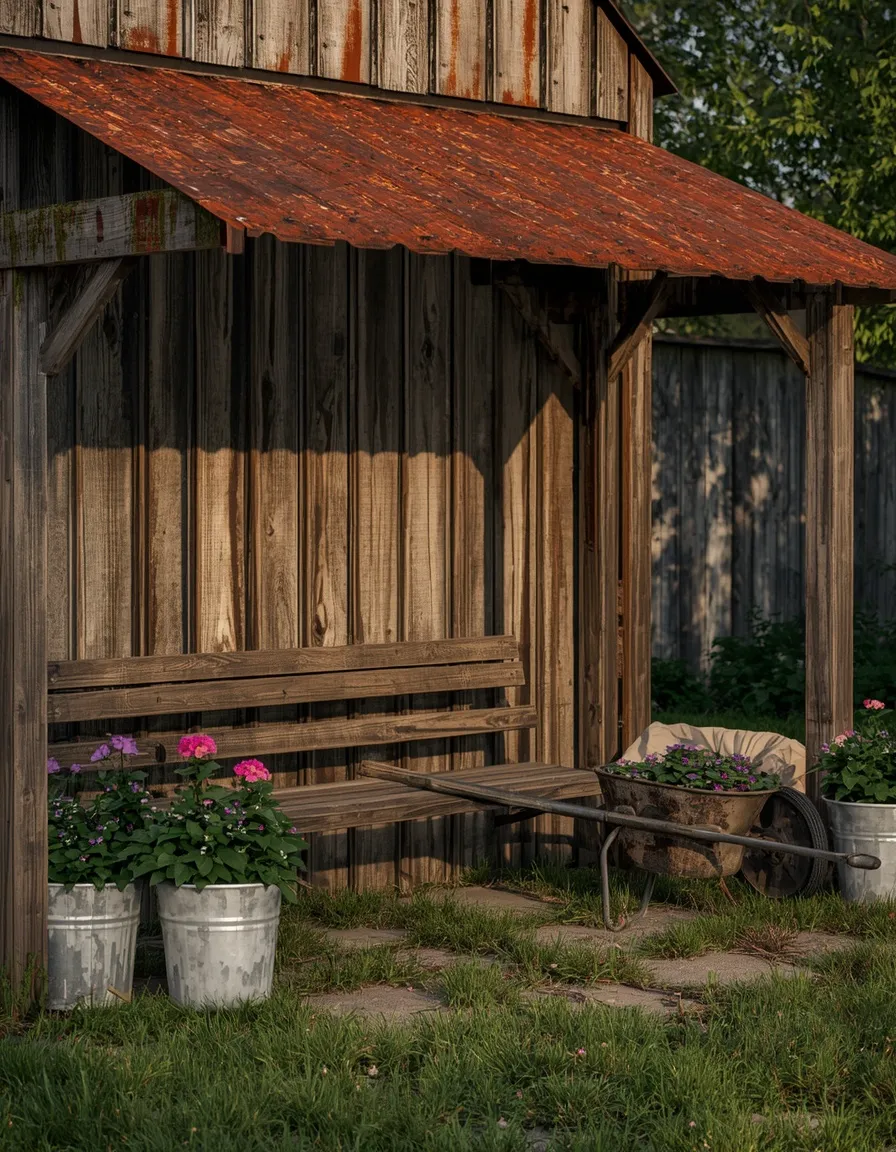
15. Reclaimed Wood Rustic Nook
A bench built from weathered barn board sits beneath a rusted metal awning, surrounded by cottage-style plantings in mismatched galvanized buckets and an old wheelbarrow repurposed as a planter.
Rustic garden nook ideas thrive on visible history: leave wood grain, nail holes, and slight warping intact rather than sanding them smooth, and mix genuinely aged materials with a few new elements for comfort and durability. Treat all reclaimed wood with a wood preservative before use outdoors, since old barn timber often was not weatherproofed for garden exposure. Check reclaimed metal containers for rust that has fully penetrated the base, since a rotted-through bucket will leak and eventually collapse under wet soil. This look suits countryside properties and cottage gardens more naturally than modern architectural homes.
- Gives new construction an established, lived-in feel quickly
- A genuinely affordable option using salvaged materials
- Pairs naturally with cottage garden and farmhouse styles
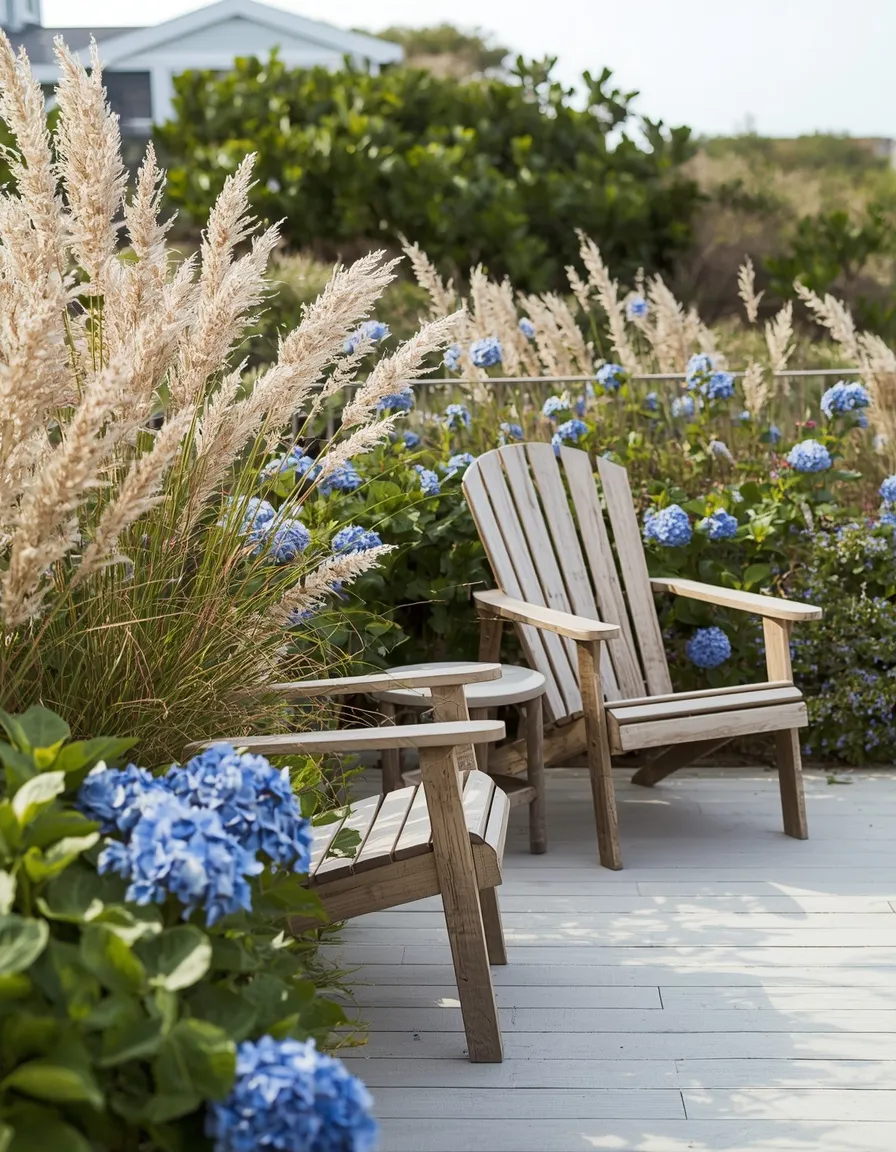
16. Coastal Breeze Nook
Weathered teak chairs sit on a deck of pale composite decking, framed by ornamental grasses and blue hydrangeas that move constantly in the sea air.
Coastal gardens face genuine environmental stress from salt spray and wind, so material choice matters more here than almost anywhere else: teak, powder-coated aluminum, and marine-grade rope furniture resist corrosion far better than untreated steel or basic softwood. Choose salt-tolerant planting like ornamental grasses, sea holly, and hydrangea, which handle both wind and occasional salt exposure without scorching. Anchor lightweight furniture or add sandbag weights on exposed sites, since coastal wind gusts can tip umbrellas and light chairs. A simple driftwood accent or rope-wrapped post reinforces the theme without adding cost.
- Built to withstand salt air, wind, and sandy soil
- Suits seaside gardens, but also works inland with styling
- Grasses and hydrangeas add movement with low upkeep
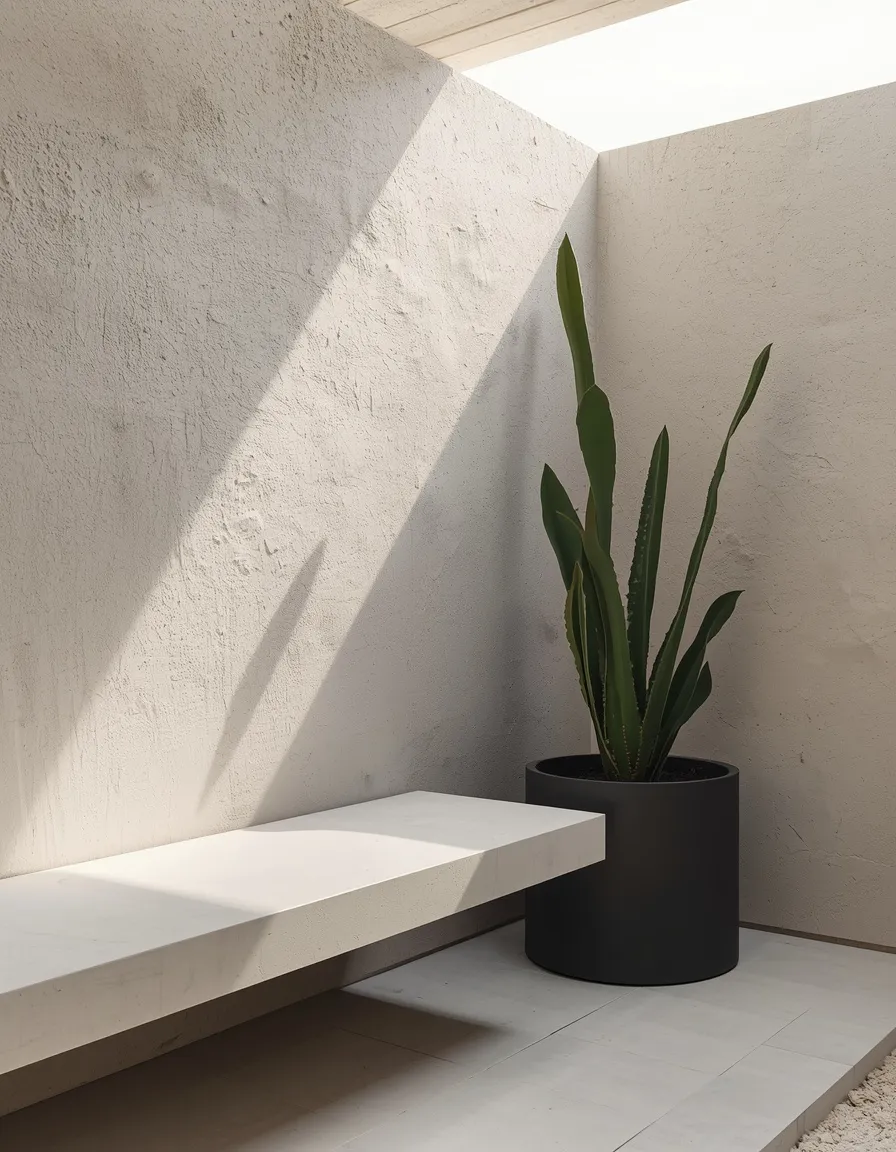
17. Minimalist Modern Nook
A single concrete bench sits at a precise right angle to a smooth stucco wall, one architectural agave in a matte black planter providing the only ornament.
Minimalist garden nook design relies on restraint: choose one strong material palette, such as concrete, black steel, or natural stone, and repeat it rather than introducing new textures for variety. Structural, sculptural plants like agave, sansevieria, or clipped boxwood cubes read as intentional in a way that mixed cottage-style planting does not in this context. Keep hardscaping lines straight and joints tight, since visible imperfection undermines the clean effect this style depends on. This works best for contemporary architecture, but a single minimalist corner can also work as a deliberate contrast within an otherwise lush, informal garden.
- Extremely low ongoing maintenance once installed
- Suits modern, contemporary, and architectural home styles
- A strong option for a small, high-impact focal corner
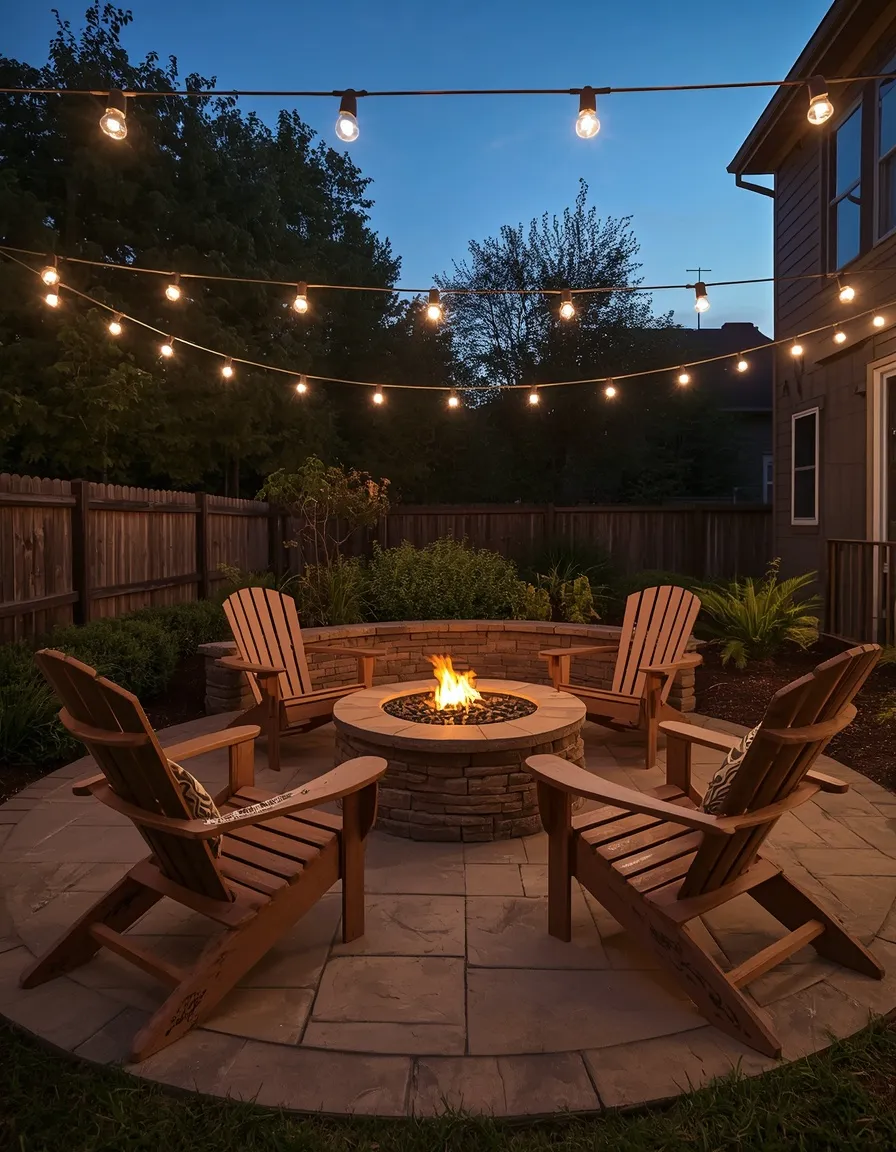
18. Fire Pit Gathering Nook
A ring of low Adirondack chairs surrounds a stone-clad gas fire pit, string lights strung overhead between two posts, extending the garden’s use well past sunset.
A fire pit garden nook needs deliberate clearance: keep the pit at least 3 m (10 ft) from any structure, fence, or overhanging branch, and check local fire regulations before installing a wood-burning version, since many municipalities restrict open flame in dry seasons. Use non-combustible paving, like stone or concrete pavers, in a radius around the pit rather than mulch or decking. Gas fire pits offer more control and lower fire risk than wood-burning options, particularly useful in areas prone to drought or fire bans. Never leave a lit fire pit unattended, and keep a fire extinguisher or bucket of sand within easy reach.
- Extends outdoor evenings later into the year
- Works as the social centerpiece for backyard gatherings
- Gas versions reduce fire risk in drought-prone regions
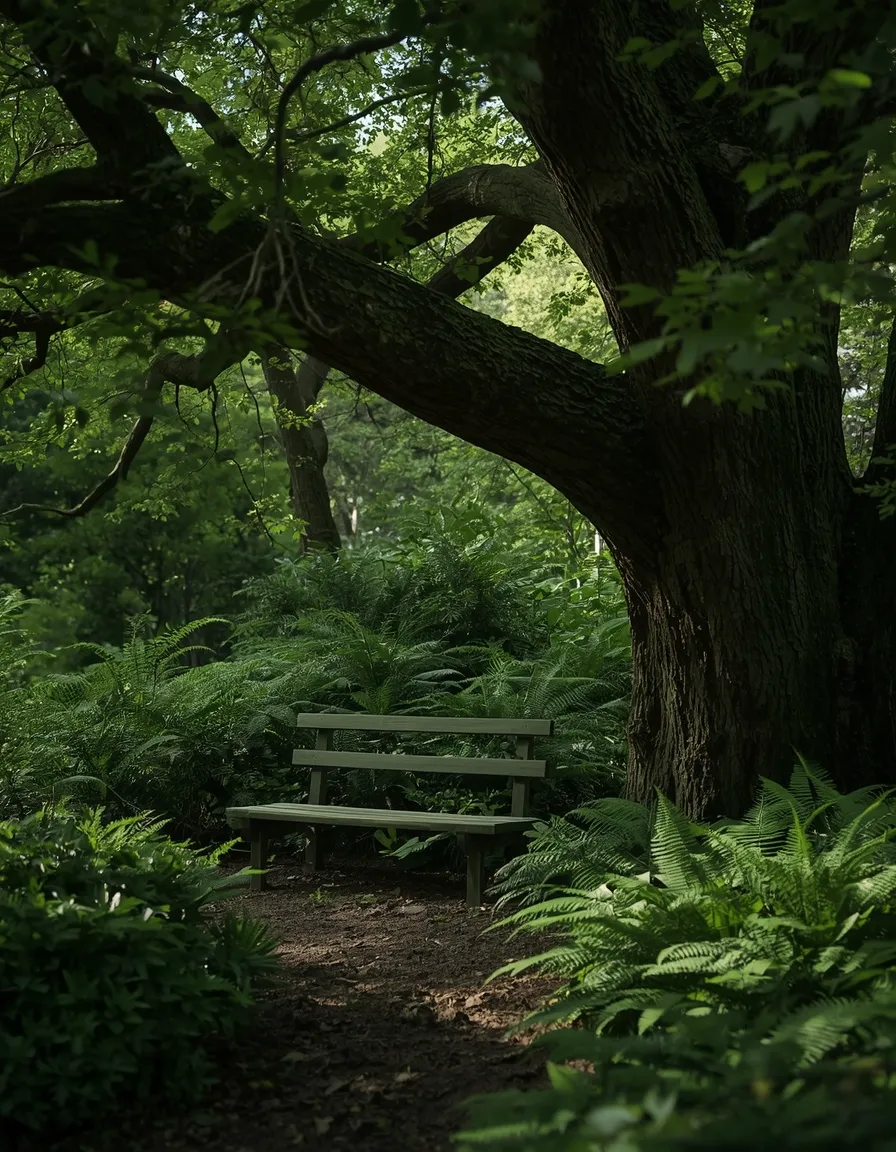
19. Shady Woodland Nook
A simple wooden bench sits beneath a canopy of mature oak, surrounded by ferns, hostas, and a carpet of dappled shade that stays cool through the hottest part of the day.
A shady garden nook built under existing tree canopy needs shade-loving plants rather than sun-lovers forced to cope: ferns, hostas, astilbe, and heuchera all thrive in dappled or full shade where turf grass typically struggles. Improve compacted soil under mature trees with a light top-dressing of compost rather than deep digging, which can damage surface roots. Choose a bench finish that handles consistent moisture, since shaded areas dry more slowly after rain and stay damper longer than open lawn. This nook style needs almost no irrigation once established, since the tree canopy itself moderates both heat and evaporation.
- Makes productive use of areas where grass struggles
- Naturally cooler, usable through hot summer afternoons
- Shade planting typically needs less water than sun gardens
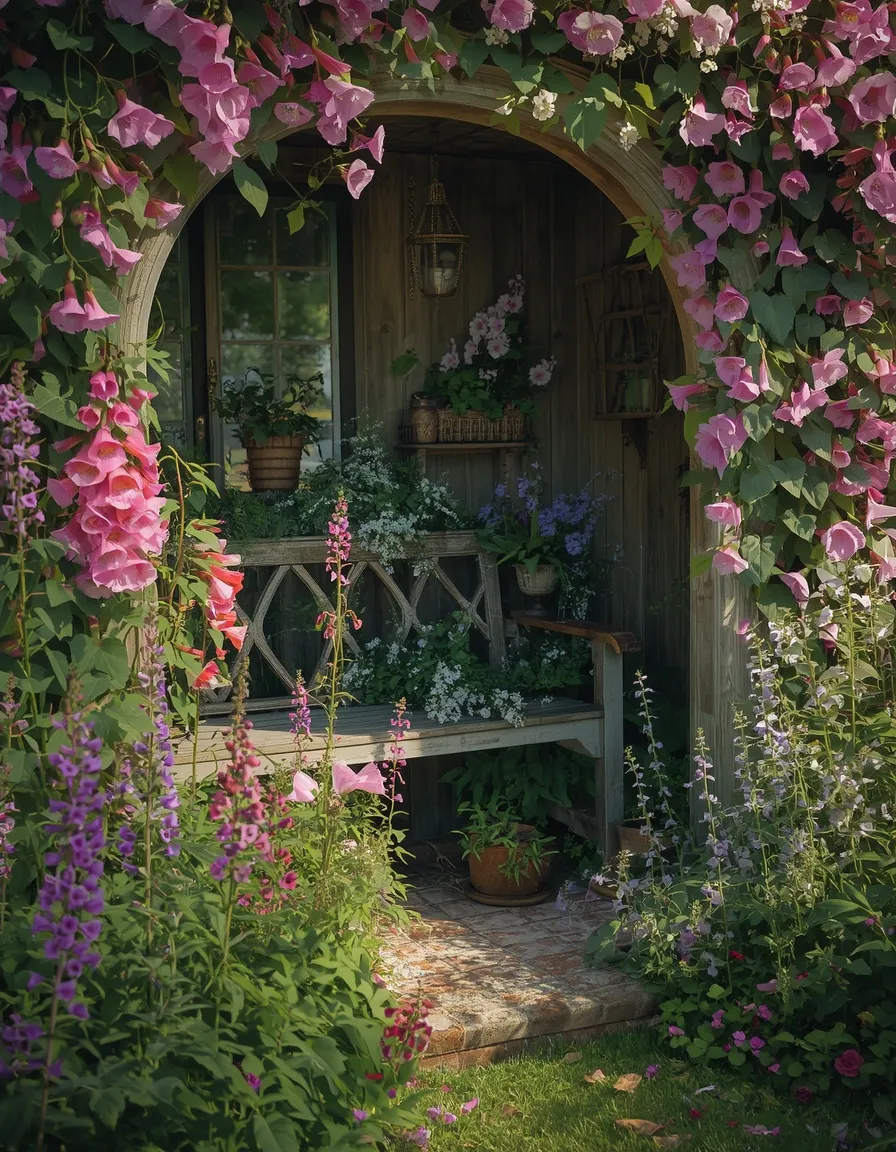
20. Cottage Garden Reading Nook
A weathered wooden bench sits half-swallowed by foxgloves, delphiniums, and climbing sweet peas, the planting deliberately overflowing its borders in classic cottage garden fashion.
The cottage look depends on density and slight controlled chaos: plant in generous, overlapping drifts rather than spaced-out rows, and let taller perennials like delphinium and foxglove lean naturally into the seating area instead of staking them rigidly upright. Choose a simple, unfussy bench, since ornate furniture competes with the planting rather than complementing it. Deadhead spent blooms regularly through the growing season to keep the display going, and note that foxglove is toxic if ingested, so this planting combination needs a thoughtful location in gardens used by young children or grazing pets.
- Delivers maximum color and texture through spring and summer
- Suits informal, established gardens with room to spread
- Needs regular deadheading to keep blooming through the season
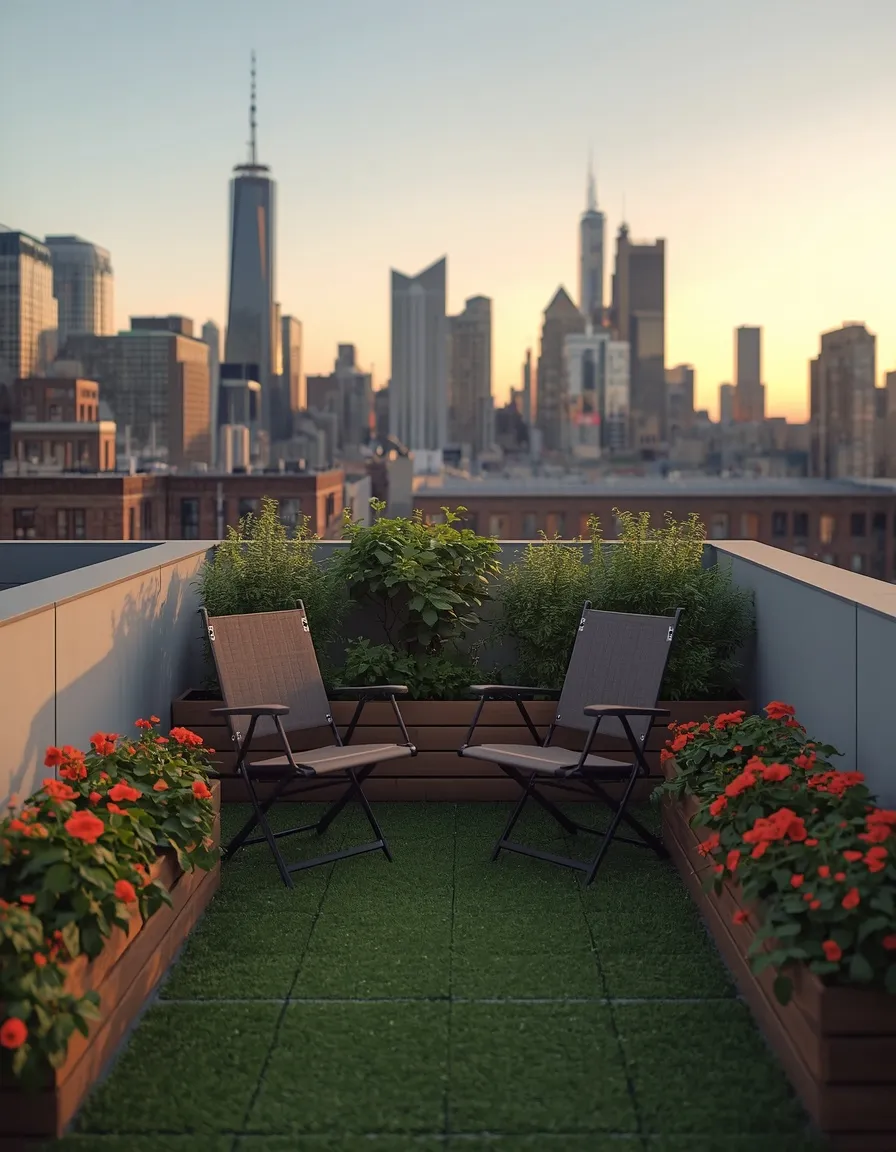
21. Rooftop Container Nook
A pair of folding chairs sits on artificial turf tiles between raised planter boxes of dwarf tomatoes and trailing nasturtiums, city rooftops stretching out in every direction.
Rooftop gardens carry real structural considerations: confirm the roof’s load rating with a structural engineer or your building management before grouping heavy soil-filled containers, and use lightweight potting mix rather than garden soil to keep weight down. Wind exposure is typically much higher on rooftops than at ground level, so choose compact, wind-tolerant plants and secure lightweight furniture or add weighted bases. A simple wind screen or lattice panel on the windward side makes the space usable on breezier days. Check building rules on rooftop access, drainage, and weight limits before installing anything permanent.
- Turns unused rooftop space into genuine outdoor living area
- A realistic small garden nook design for dense urban housing
- Structural and wind considerations are essential before installing
Conclusion
The best garden nook ideas are not about square footage or a big budget; they are about noticing a corner, a fence line, or a spare windowsill and giving it one clear purpose. Whether you build a sunken fire-pit lounge over a summer, string a hammock between two trees this weekend, or simply group three pots and a chair on a balcony rail, each of these twenty-one ideas can be scaled up or down to fit real climates, real budgets, and real skill levels. For more inspiration on shaping outdoor spaces like these, our Garden Design category has further reading worth browsing. Pick the one closest to what your garden already has, start small, and let the rest fill in over a season or two.
Frequently Asked Questions
What exactly counts as a garden nook?
A garden nook is any small, deliberately defined seating or activity area within a garden, patio, or even an indoor plant-filled room, set apart from the rest of the space by planting, structure, or furniture placement. It can be as simple as one chair in a shaded corner or as involved as a sunken seating pit, and it works at almost any scale.
How small can a garden nook realistically be?
A functional garden nook can fit in as little as one square meter, such as a single bistro chair on a balcony rail or a corner bench against two existing walls. The corner bistro nook and balcony container nook in this guide are both built for footprints under 1.5 square meters, proving that space is rarely the real limiting factor.
What is the easiest garden nook idea for a total beginner?
The DIY pallet bench nook and the corner bistro nook are the most forgiving starting points, since both use existing structure, require no digging or permits, and can be completed in a single weekend. Focus on comfort and shade first, then add planting gradually once the seating itself feels right.
How do I create a garden nook idea if I have no yard at all?
The balcony container nook and indoor sunroom garden nook are built specifically for this situation, using pots, vertical space, and existing light rather than ground area. A single chair, three to five grouped containers, and one trailing plant can create a genuine nook on a balcony as narrow as one meter deep.
What plants work best in a shady garden nook?
Ferns, hostas, astilbe, and heuchera all thrive in dappled or full shade and need noticeably less water than sun-loving plants forced into a shaded spot. Pair them with a bench finish rated for consistent moisture, since shaded areas stay damp longer after rain than open lawn.
Can I build a secret garden nook without waiting years for a hedge to grow?
Yes. A temporary lattice screen, woven willow fencing, or a tall trellis panel with fast climbing vines can create the same sense of enclosure immediately, while a slower-growing hedge like boxwood or privet fills in behind it over two to three seasons. Many gardeners layer both so the space feels finished from day one.
How much does a DIY garden nook typically cost to build?
A basic DIY pallet bench nook can cost very little if you source heat-treated pallets secondhand and already own sealant and a cushion, while a sunken seating pit or fire pit gathering nook involves excavation, materials, and sometimes professional drainage work that raises the budget considerably. Matching the idea to your realistic skill level and budget, rather than the most photogenic option, gives the best long-term result.