


Introduction
A room full of leafy green plants simply feels fresher, calmer, and more alive, and air purifying plants are the houseplants most people reach for when they want that feeling. Snake plants, pothos, peace lilies, and spider plants have long been praised for tidying up indoor air, and they make gorgeous, low-effort greenery for any room. Before we get to the 15 best options, it’s worth being honest about what these plants really do, because the popular claims are often overstated. At Sunday Abode, we’d rather give you the accurate picture: which plants are genuinely easy to grow, which suit low light, which are safe around pets, and how to enjoy their real benefits, cleaner-feeling, greener, more humid rooms, without believing they’ll replace an open window.
Key Takeaways
- Houseplants improve a room modestly, adding humidity, greenery, and a sense of calm, but research shows they can’t meaningfully purify a whole room the way early studies suggested; ventilation matters far more.
- Choose plants by your actual light: snake plant, ZZ plant, and pothos tolerate low light, while most others want bright, indirect light.
- Pet safety varies a lot: spider plant, parlor palm, areca palm, and Boston fern are pet-safe, while peace lily, pothos, snake plant, and English ivy are toxic to cats and dogs.
- For genuinely cleaner air, pair plants with good ventilation and, if needed, an air filter, plants are a lovely complement, not a replacement.
- Nearly all these plants are low-maintenance and beginner-friendly, thriving on infrequent watering and normal room warmth.
Do Air Purifying Plants Really Clean Indoor Air?
Houseplants do absorb some pollutants and release oxygen, but in a normal home their air-cleaning effect is small, nowhere near enough to replace fresh air from a window or a filter. The honest answer is that plants help modestly and mostly in other valuable ways.
The famous 1989 NASA Clean Air Study tested plants in small, sealed chambers and found they removed certain airborne chemicals. Later research applying those results to real rooms found you would need a very large number of plants, dozens or more per room, to match the air exchange of simply opening a window. What plants reliably do add is humidity, a little more oxygen, a proven lift to mood and focus, and beautiful greenery. Enjoy them for those genuine benefits, and rely on ventilation and, if needed, an air purifier for actual air quality.
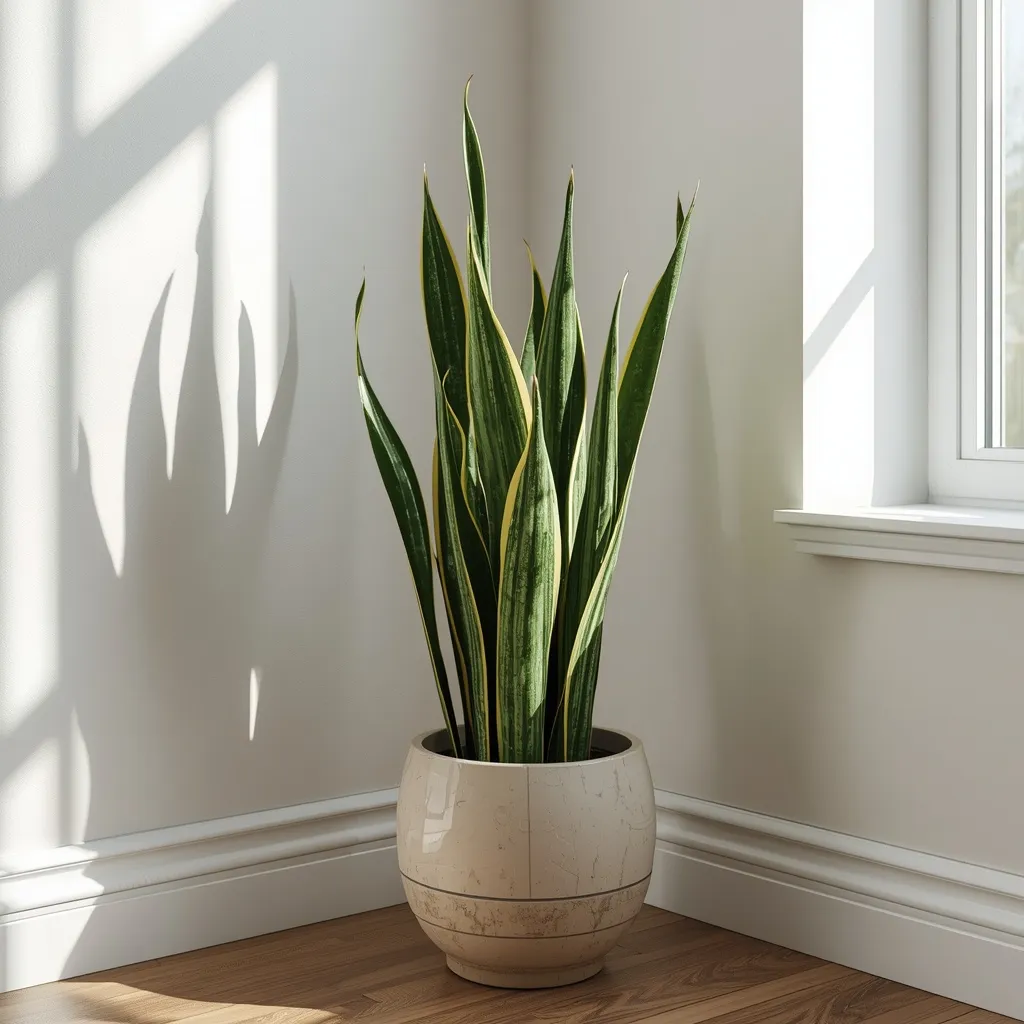
1. Snake Plant (Dracaena trifasciata)
The snake plant is the near-indestructible starting point for anyone wanting easy green. Its stiff, upright, sword-like leaves in banded green and yellow bring sculptural structure to a corner, shelf, or bedside, thriving on near-total neglect.
Snake plants tolerate low light and long gaps between watering, making them ideal for beginners, busy people, and darker rooms. Water only when the soil is fully dry, roughly every two to three weeks, since overwatering and rot are the main way they die. They’re also one of the few plants that release oxygen at night, which is why they’re popular for bedrooms. Note that snake plants are toxic to cats and dogs if chewed, so place them out of reach in pet homes.
- Best for: beginners, low-light rooms, and bedrooms.
- Watch out: toxic to pets; overwatering causes rot, let soil dry fully.
- Light: low to bright indirect. Water: every 2–3 weeks.
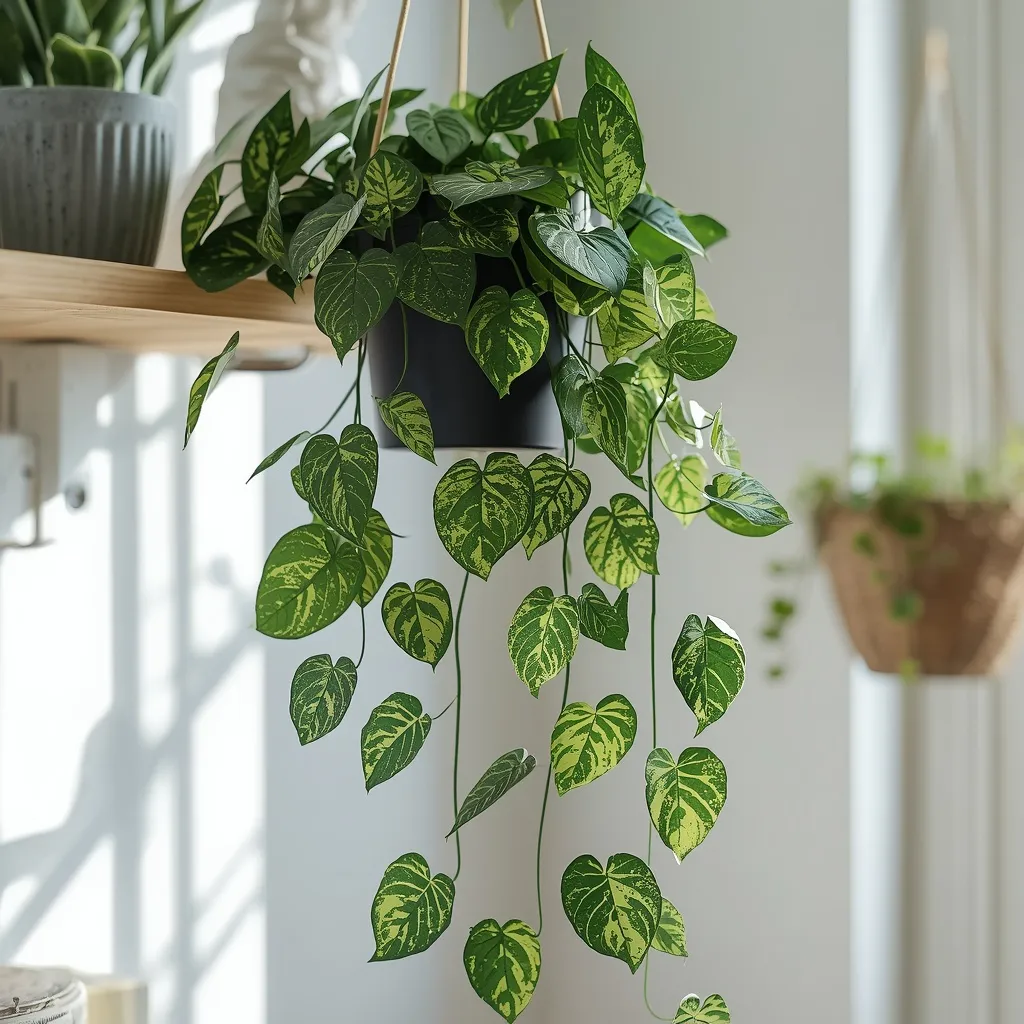
2. Pothos (Epipremnum aureum)
Pothos is the trailing vine that makes plant care look effortless. Its heart-shaped leaves in green, gold, or marble tumble beautifully from a shelf, hang in a basket, or climb a moss pole, filling a room with lush greenery fast.
Pothos grows in almost any light, from low to bright indirect, and forgives missed waterings, which makes it one of the most beginner-friendly houseplants there is. Water when the top 2–3 cm (1 in) of soil is dry, and trim long vines to keep it bushy. It roots easily in water, so one plant quickly becomes many free cuttings. Pothos is toxic to cats and dogs if eaten, so hang it high or keep it out of reach where pets roam.
- Best for: beginners, shelves, and hanging displays in any light.
- Watch out: toxic to pets; keep trailing vines out of reach.
- Light: low to bright indirect. Water: when top 2–3 cm dry.
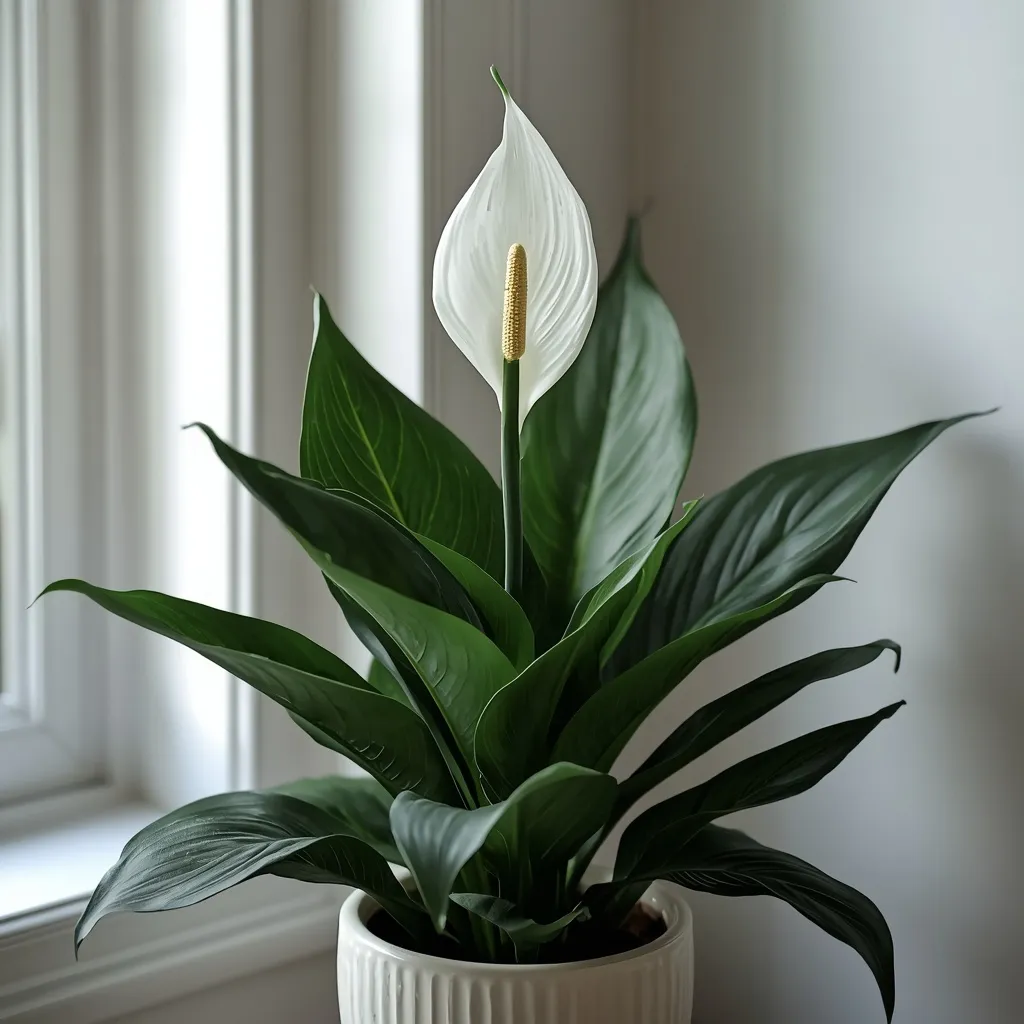
3. Peace Lily (Spathiphyllum)
The peace lily pairs glossy dark leaves with elegant white blooms, making it one of the prettiest easy houseplants. It brings a calm, spa-like feel to a living room, bathroom, or bedside, and tells you clearly when it’s thirsty by drooping.
Peace lilies tolerate medium light but flower best in bright, indirect light, and they love the humidity of a bathroom. Water when the top of the soil dries or when the leaves begin to droop, then watch them perk back up within hours. They’re a favorite for adding both greenery and blooms with little effort. Note that peace lilies are toxic to cats and dogs, so keep them up high or in pet-free rooms.
- Best for: bathrooms, bedrooms, and anyone wanting blooms too.
- Watch out: toxic to pets; needs light to actually flower.
- Light: medium to bright indirect. Water: when soil surface dries.
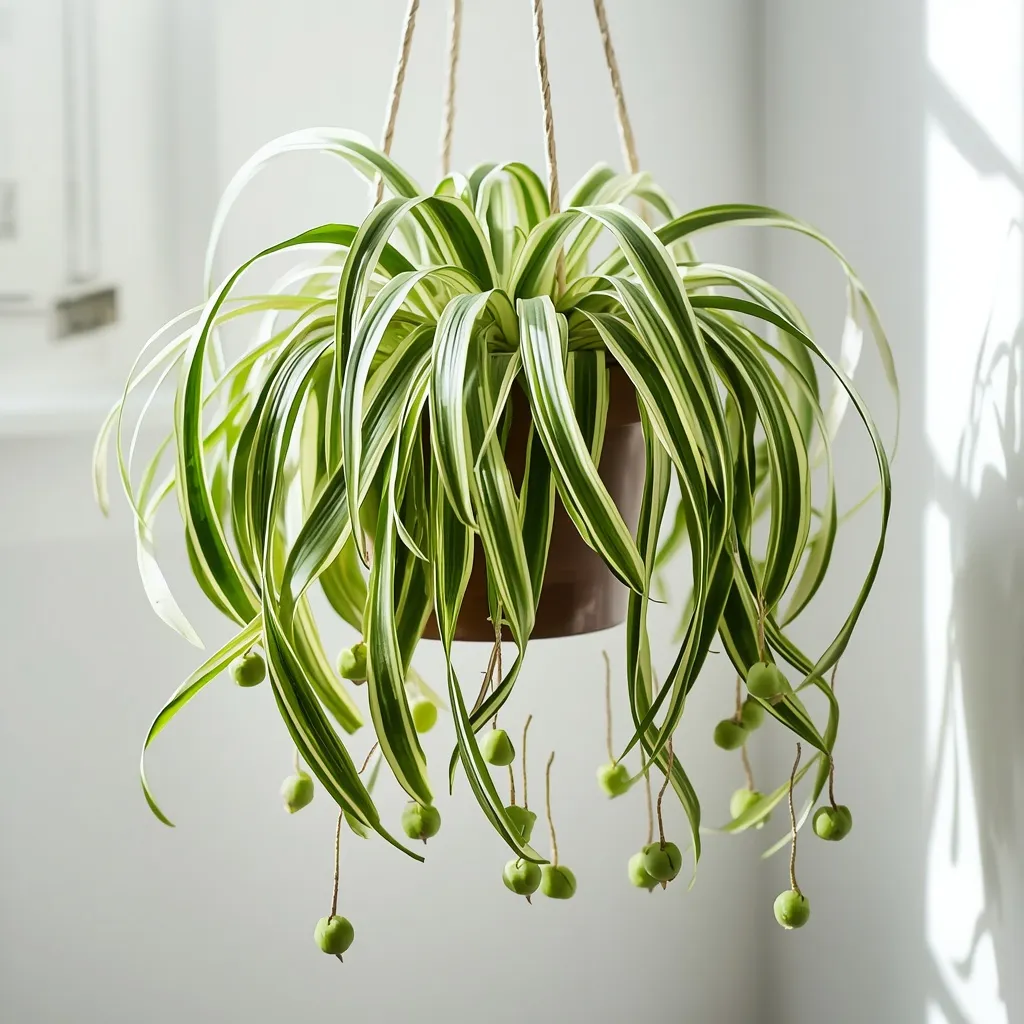
4. Spider Plant (Chlorophytum comosum)
The spider plant is the classic pet-safe choice, cheerful and forgiving. Its arching striped leaves and dangling baby plantlets look wonderful spilling from a hanging basket or a shelf, adding lively movement to a room.
Spider plants grow happily in bright, indirect light and tolerate some shade, asking only for watering when the top few centimeters of soil dry out. Crucially, they are non-toxic and safe for cats and dogs, one of the few genuinely pet-friendly plants on most air-cleaning lists. The baby plantlets root easily, giving you endless free plants to share. This is the top pick for pet owners who want easy greenery without worry.
- Best for: pet owners and hanging displays; total beginners.
- Why it works: genuinely pet-safe, unlike most plants on these lists.
- Light: bright indirect. Water: when top few cm dry.
5. ZZ Plant (Zamioculcas zamiifolia)
The ZZ plant is the glossy, architectural survivor for low-light corners. Its upright stems of thick, waxy, deep-green leaflets look sleek and modern, thriving where almost nothing else will and needing barely any attention.
ZZ plants handle low light and drought better than nearly any houseplant, storing water in underground rhizomes so they cope with weeks of neglect, water only every two to three weeks once the soil is dry. This makes them perfect for dim offices, north-facing rooms, and frequent travelers. Their waxy leaves also stay glossy with almost no dust. Be aware that ZZ plants are toxic to pets and mildly irritating to skin, so site them out of reach and wash hands after handling.
- Best for: dark rooms, offices, and frequent travelers.
- Watch out: toxic to pets and skin-irritating; handle with care.
- Light: low to bright indirect. Water: every 2–3 weeks.
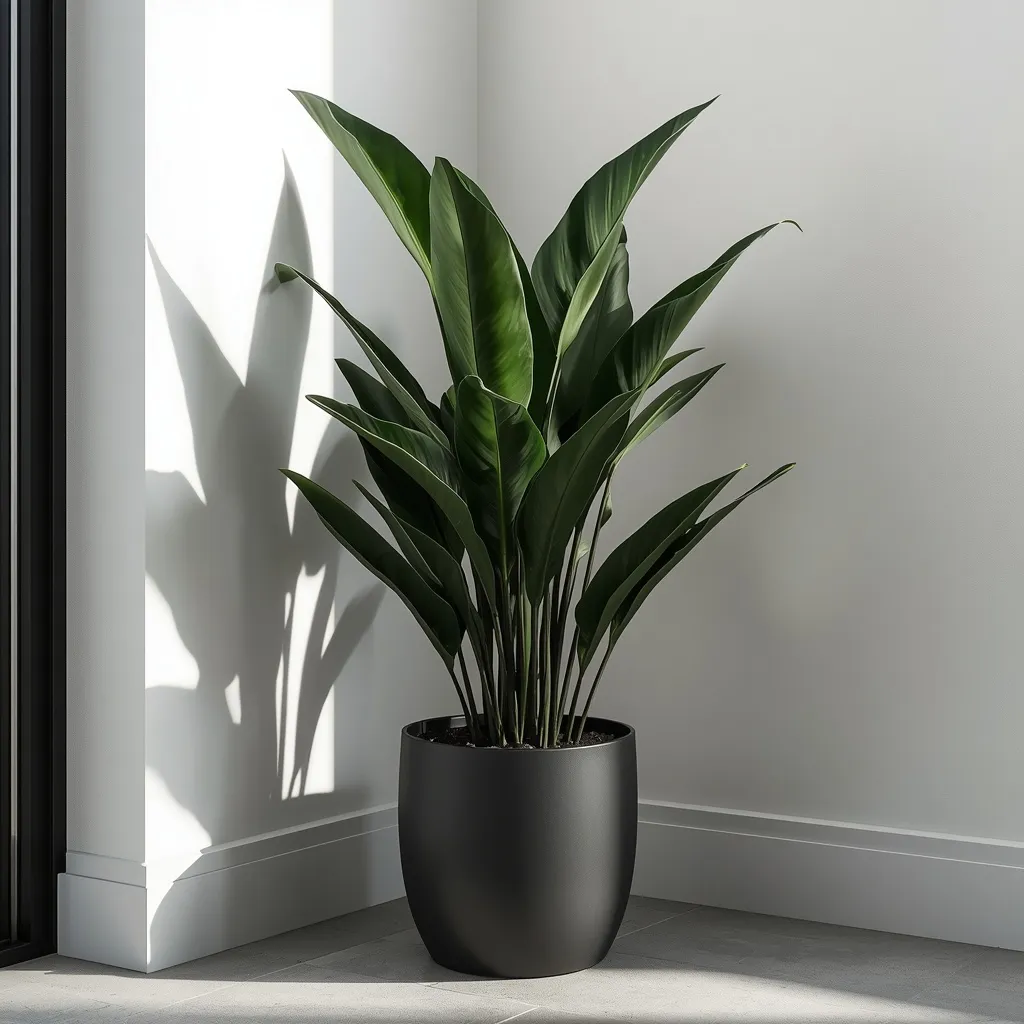
6. Boston Fern (Nephrolepis exaltata)
The Boston fern brings soft, feathery abundance to a room. Its arching fronds cascade beautifully from a hanging basket, plant stand, or bathroom shelf, adding a lush, woodland softness that hard-leaved plants can’t.
Boston ferns love humidity and bright, indirect light, so a steamy bathroom or a spot near a humidifier suits them best; dry indoor air is their main enemy and causes browning fronds. Keep the soil lightly moist, never bone-dry, and mist or set on a pebble tray in dry rooms. Happily, Boston ferns are non-toxic and pet-safe, another good option for cat and dog households. They reward a little humidity attention with gorgeous, full greenery.
- Best for: pet owners and humid rooms like bathrooms.
- Watch out: hates dry air; keep soil lightly moist and humidity up.
- Light: bright indirect. Water: keep lightly moist.
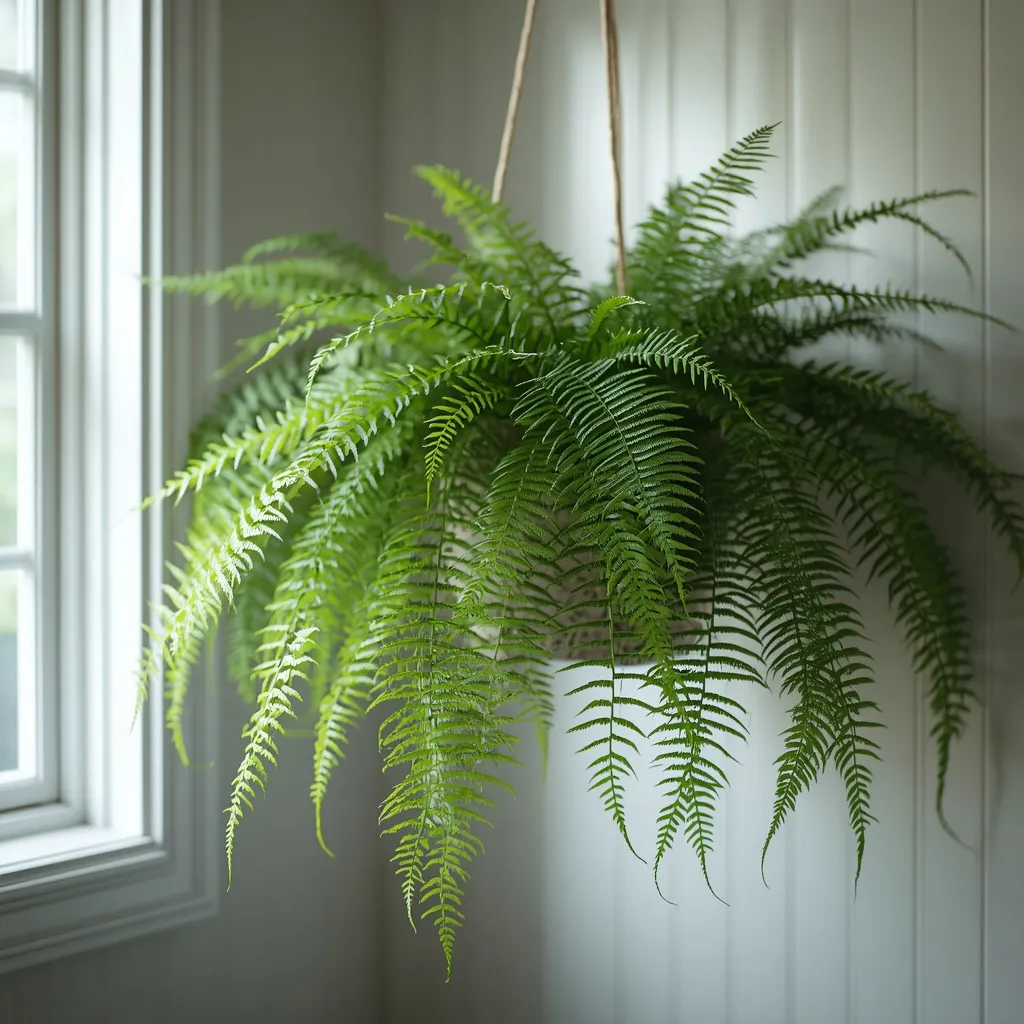
7. Parlor Palm (Chamaedorea elegans)
The parlor palm brings a touch of elegant, tropical greenery at a manageable indoor size. Its delicate fronds fan out into a soft, feathery clump that suits a floor pot, side table, or bright corner, evoking a calm Victorian conservatory.
Parlor palms tolerate lower light than most palms and prefer bright, indirect light, growing slowly to around 1–1.8 m (3–6 ft) indoors over years. Water when the top few centimeters of soil dry, being careful not to overwater, as soggy roots cause trouble. Best of all, the parlor palm is non-toxic and safe for cats and dogs, making it an excellent pet-safe floor plant. It’s a graceful, low-fuss way to add height and softness.
- Best for: pet owners wanting a safe floor or corner plant.
- Why it works: pet-safe, tolerates lower light, adds tropical height.
- Light: medium to bright indirect. Water: when top few cm dry.
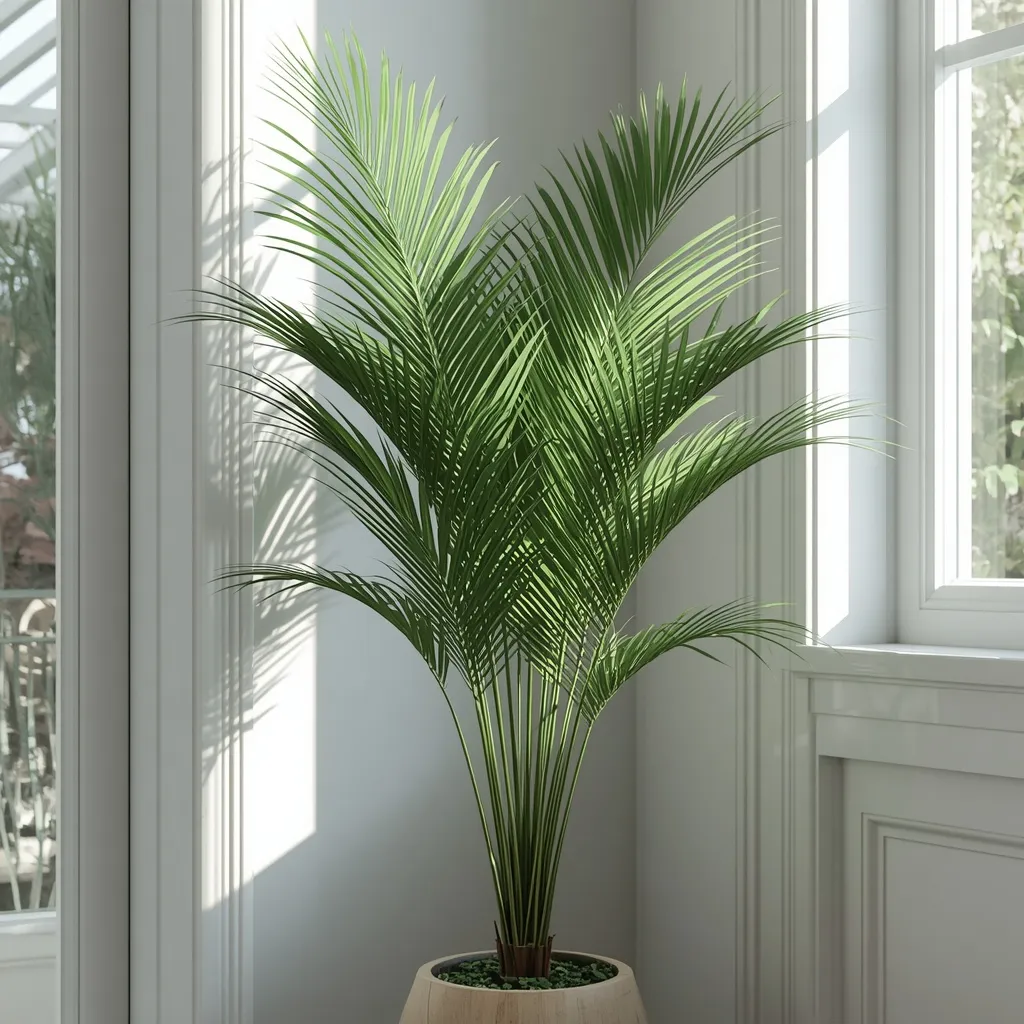
8. Areca Palm (Dypsis lutescens)
The areca palm is the full, feathery statement palm for a bright room. Its arching golden-green fronds create a lush, resort-like presence in a large floor pot, softening a living-room corner or filling an empty space by a window.
Areca palms want bright, indirect light and steady moisture, growing tall enough, up to around 2 m (6–7 ft) indoors, to make a real statement. Keep the soil lightly moist and boost humidity, since dry air browns the frond tips. They’re thirstier and a little fussier than a parlor palm but reward you with dramatic greenery. The areca palm is also non-toxic and pet-safe, a rare quality in a big statement plant. This suits bright, roomy spaces.
- Best for: bright, roomy spaces needing a large pet-safe statement plant.
- Watch out: needs bright light, steady moisture, and humidity.
- Light: bright indirect. Water: keep lightly moist.
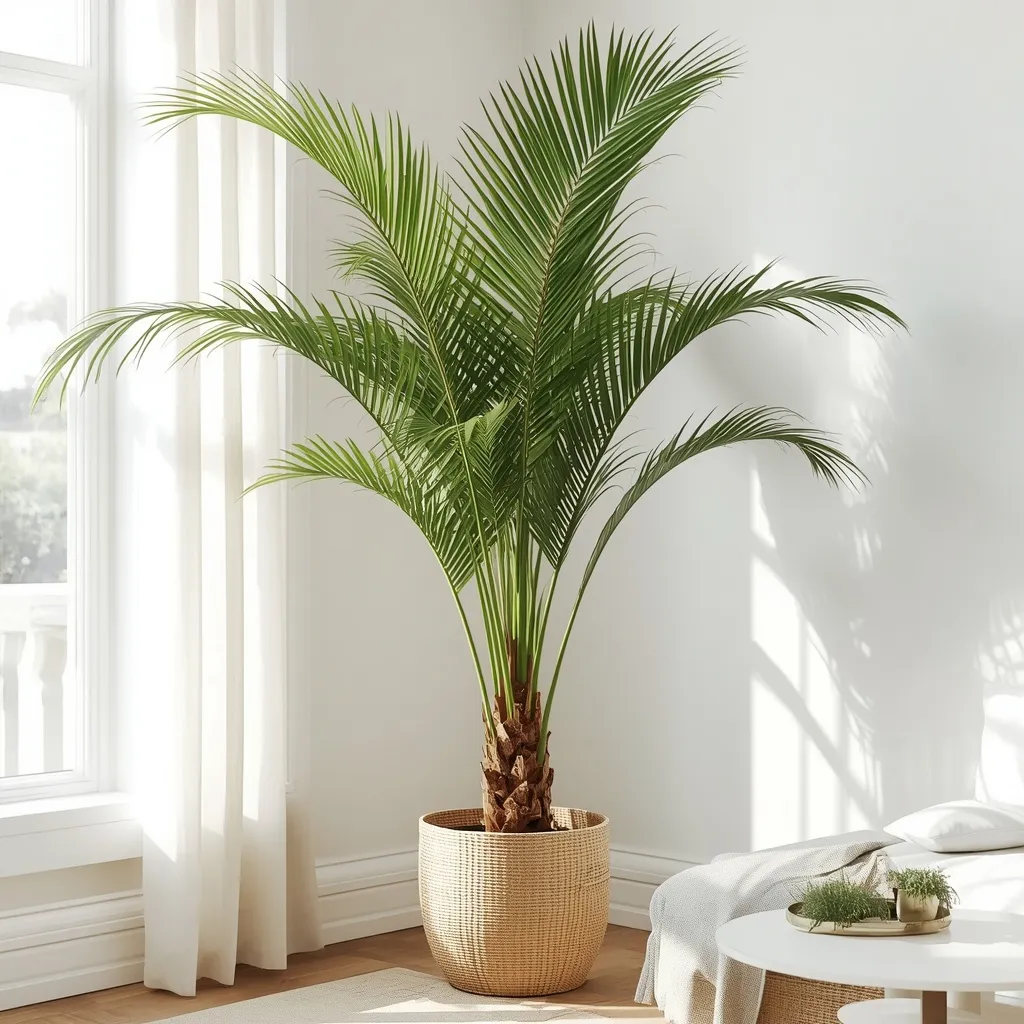
9. Rubber Plant (Ficus elastica)
The rubber plant makes a bold, glossy-leaved statement with minimal fuss. Its large, leathery leaves in deep green or dramatic burgundy climb into a striking indoor tree, anchoring a living-room corner with real presence.
Rubber plants like bright, indirect light, variegated types need more to keep their color, and watering when the top 2–3 cm of soil dries. Wipe the big leaves with a damp cloth every few weeks so they stay glossy and dust-free. They grow into a sizeable indoor tree over time, so give one room to rise. Note that rubber plants are toxic to pets and their sap can irritate skin, so place out of reach and wash hands after pruning.
- Best for: a bold, glossy statement tree in a bright room.
- Watch out: toxic to pets; sap irritates skin, wipe and prune carefully.
- Light: bright indirect. Water: when top 2–3 cm dry.
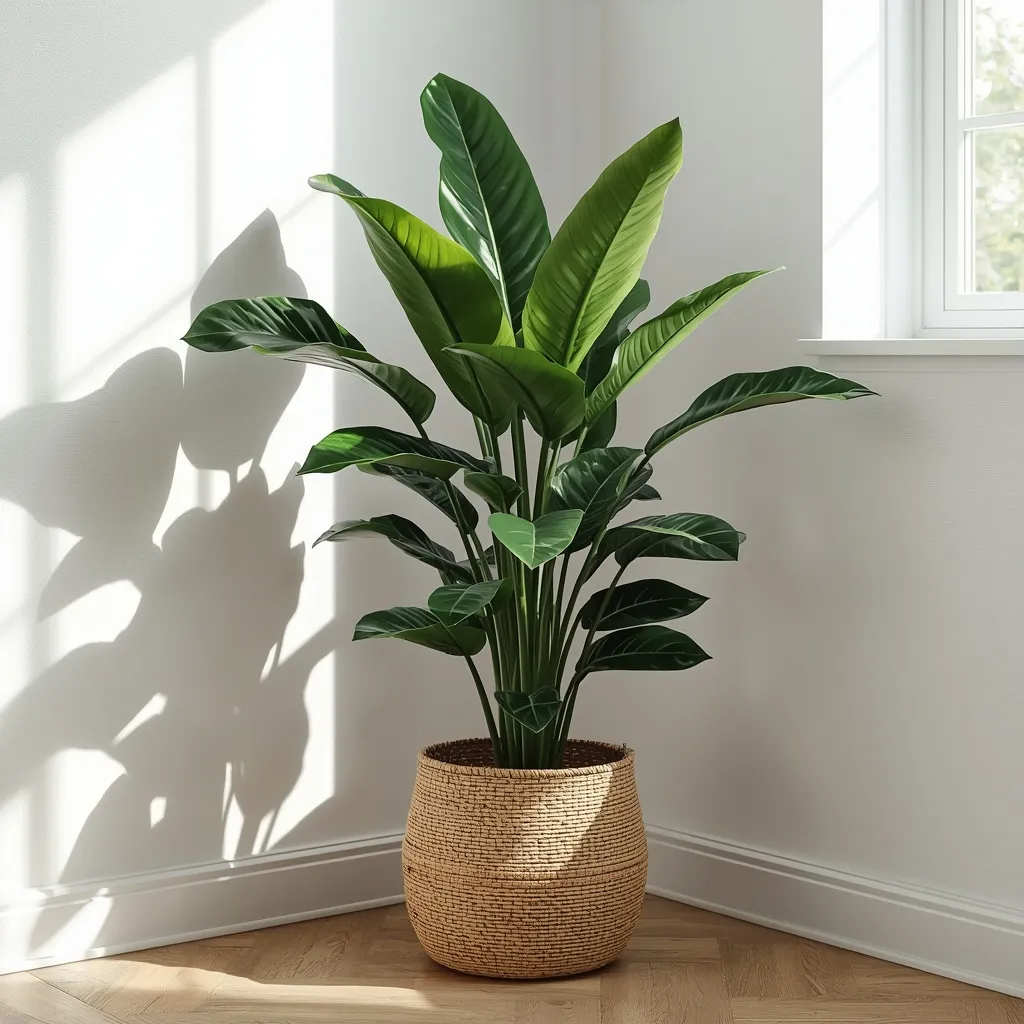
10. Dracaena (Dracaena spp.)
Dracaenas are the versatile, spiky-leaved family that suits almost any modern room. From the tall, corn-plant Dracaena fragrans to the slim-leaved Dracaena marginata with its red-edged foliage, they add upright architectural height and easy structure.
Most dracaenas tolerate medium to bright indirect light and grow slowly into floor-standing plants, needing water only when the top few centimeters of soil dry. They’re sensitive to fluoride and salts in tap water, which can brown leaf tips, so using filtered or rainwater helps. Their upright form makes them a great corner or backdrop plant. Be aware that dracaenas are toxic to cats and dogs, so keep them where pets can’t chew the leaves.
- Best for: modern rooms wanting easy architectural height.
- Watch out: toxic to pets; tap-water salts brown tips, try filtered water.
- Light: medium to bright indirect. Water: when top few cm dry.
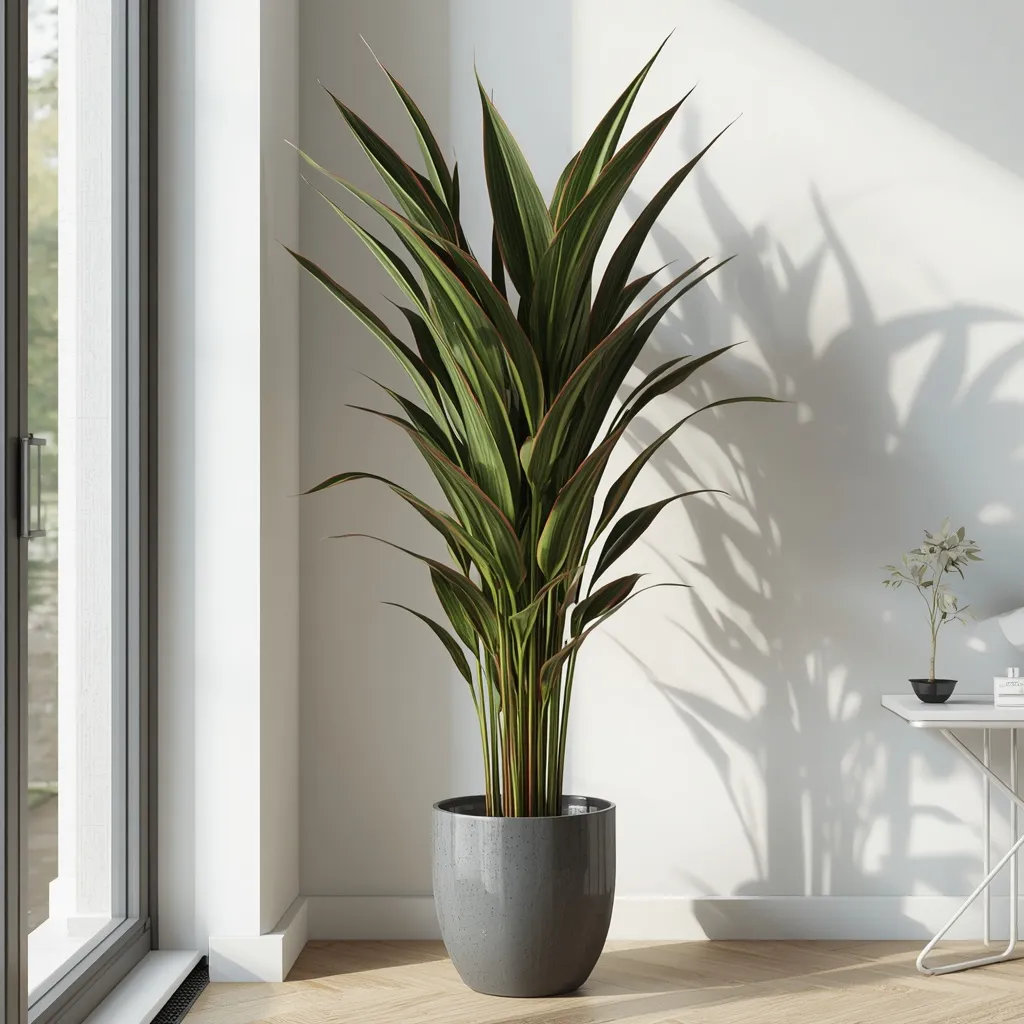
11. English Ivy (Hedera helix)
English ivy is the classic trailing climber with elegant, lobed leaves. It spills gracefully from a hanging basket, trains up a small trellis, or trails along a shelf, bringing a soft, cottage-garden charm indoors.
English ivy prefers bright, indirect light and cooler rooms, with watering when the top of the soil dries; good airflow helps prevent spider mites, its common indoor pest. It’s often listed among plants that help with airborne mould spores. However, English ivy is toxic to cats and dogs and can irritate skin, and it’s invasive outdoors in many regions, so keep it contained indoors and never plant it out. Best kept high and out of reach in pet homes.
- Best for: bright, cooler rooms and trailing or trained displays.
- Watch out: toxic to pets and skin; invasive outdoors, keep contained.
- Light: bright indirect. Water: when soil surface dries.
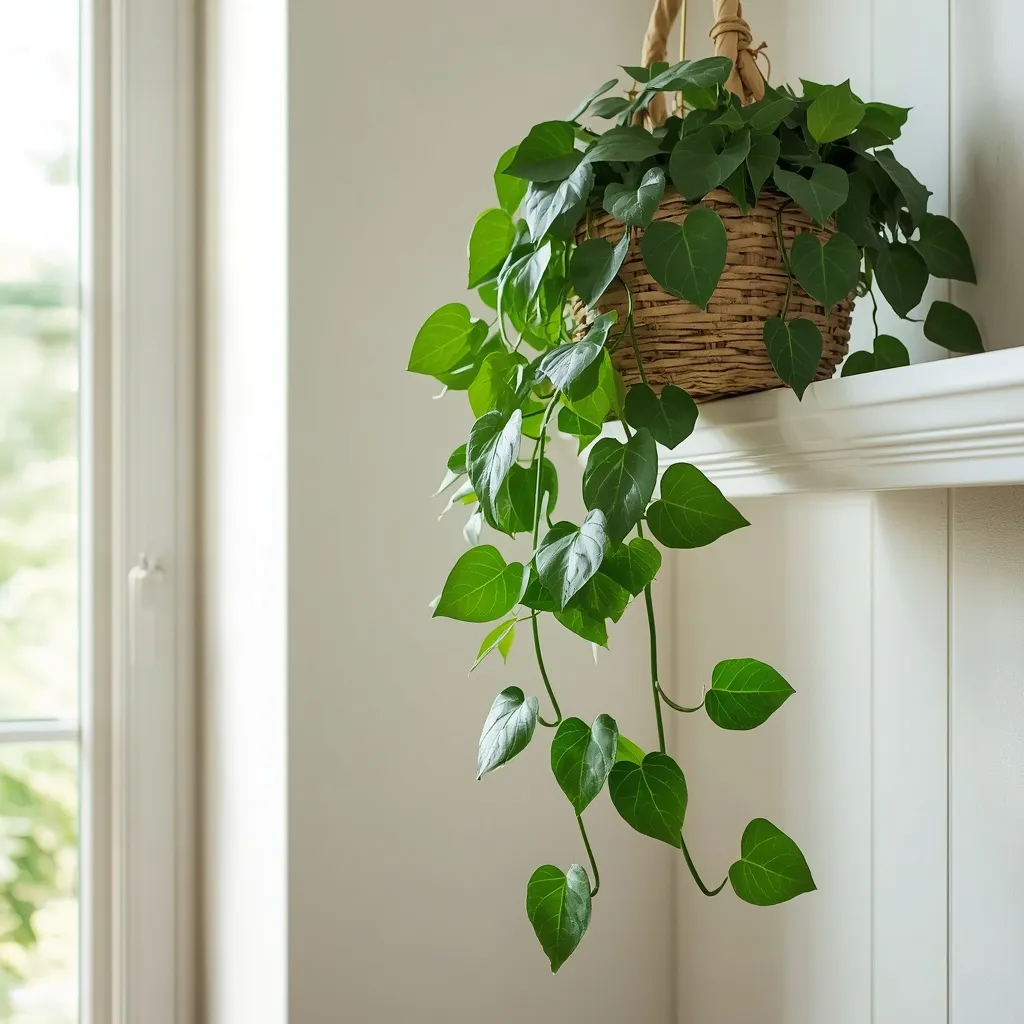
12. Aloe Vera (Aloe barbadensis miller)
Aloe vera is the sculptural succulent that’s as useful as it is handsome. Its plump, spiky, blue-green rosette suits a sunny windowsill or kitchen sill, and the gel inside its leaves soothes minor burns.
Aloe wants bright light, ideally some direct sun, and very infrequent watering, every three weeks or so, letting the soil dry completely, since it stores water in its fleshy leaves. Overwatering is the fastest way to kill it. A sunny kitchen windowsill is ideal, keeping the soothing gel handy. Note that aloe is toxic to cats and dogs if eaten, though its gel is used by people, so keep the plant itself out of pets’ reach.
- Best for: sunny windowsills and kitchens; hands-off waterers.
- Watch out: toxic to pets; needs sun and very little water.
- Light: bright, some direct sun. Water: every ~3 weeks.
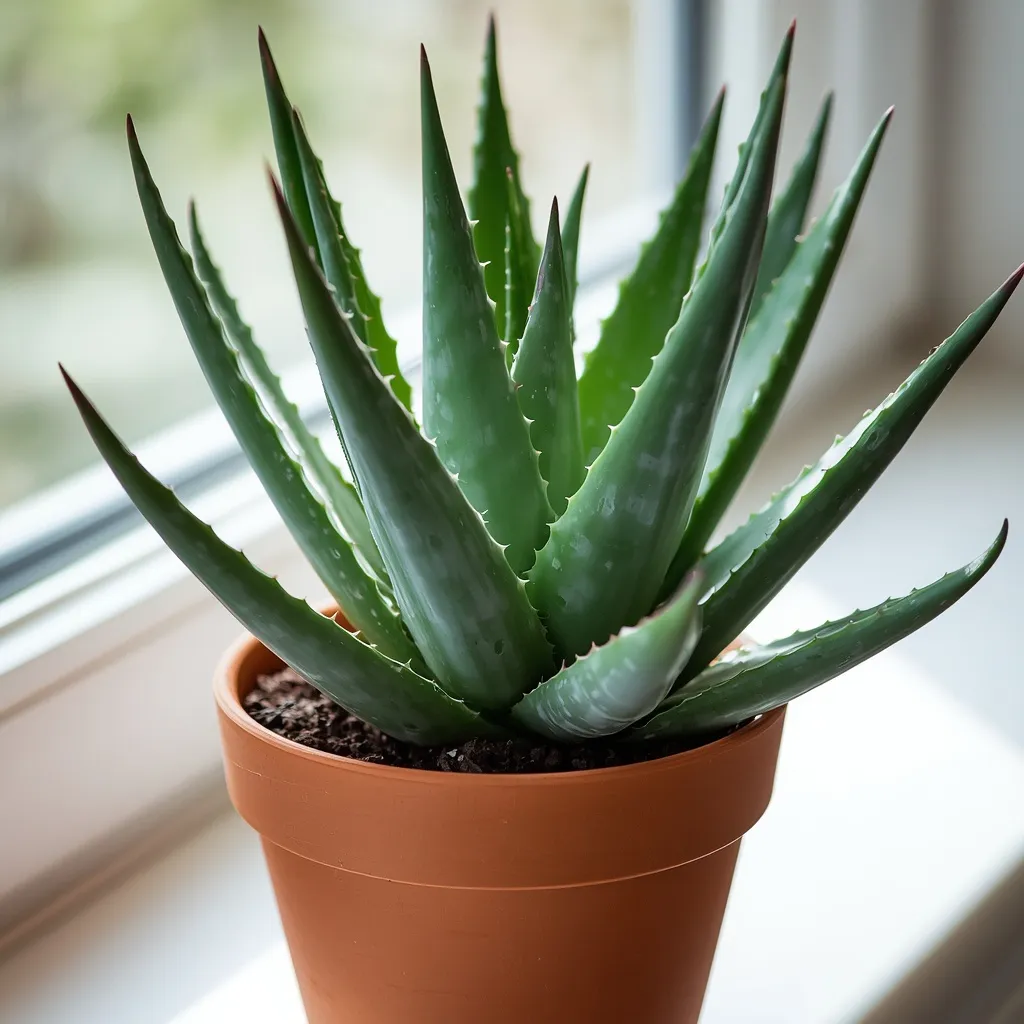
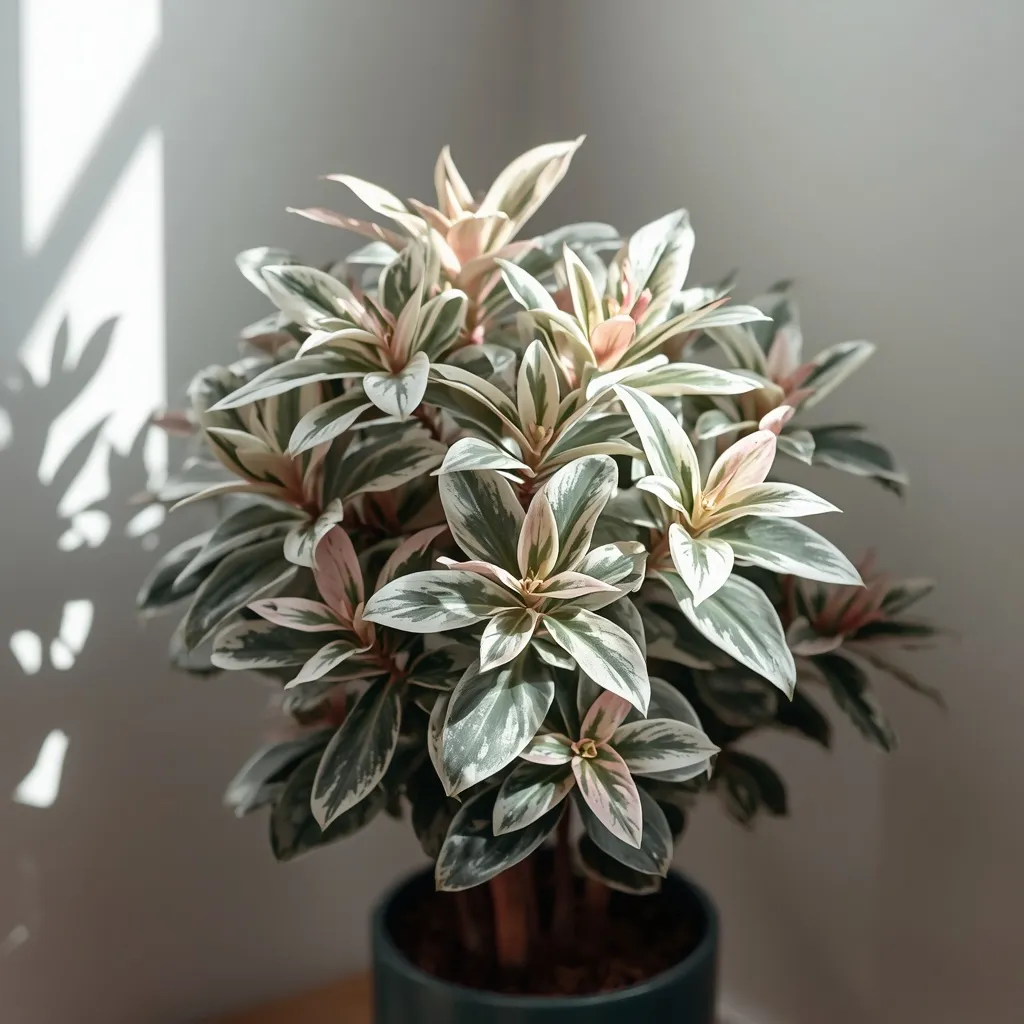
13. Chinese Evergreen (Aglaonema)
The Chinese evergreen brings patterned, colorful foliage to lower-light rooms. Its broad leaves splashed with silver, cream, pink, or red add color where flowers won’t grow, brightening a shaded corner or shelf.
Aglaonema tolerates low to medium light, though the pink and red varieties need a bit more light to keep their color, and prefers watering when the top few centimeters of soil dry. It likes warmth and dislikes cold drafts, which can spot the leaves. Its colorful foliage makes it one of the more decorative easy houseplants. Be aware that Chinese evergreen is toxic to cats and dogs, so place it out of reach in pet households.
- Best for: adding foliage color to lower-light rooms.
- Watch out: toxic to pets; keep warm and away from cold drafts.
- Light: low to medium (more for pink types). Water: when top few cm dry.
14. Philodendron (Heartleaf, Philodendron hederaceum)
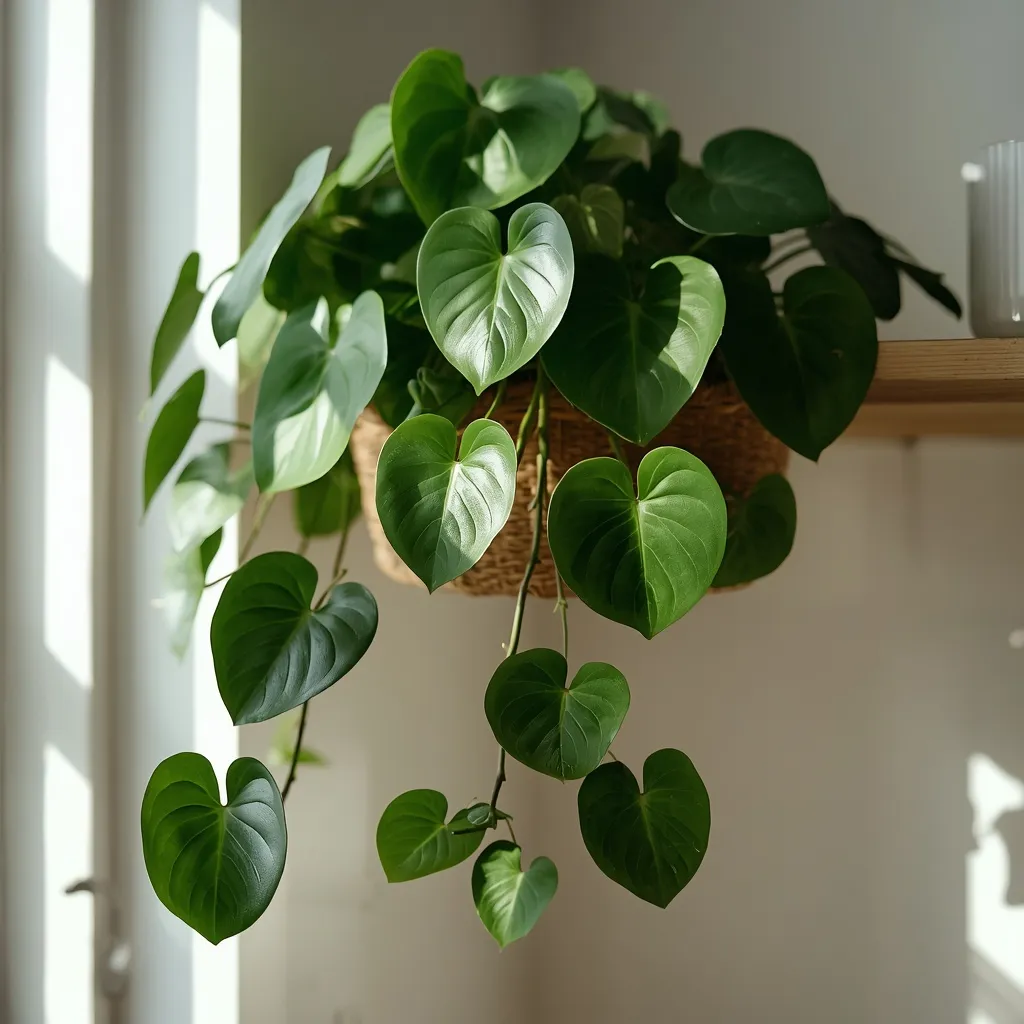
The heartleaf philodendron is a fast, forgiving trailing vine much like pothos. Its glossy, heart-shaped leaves cascade from shelves and baskets, quickly softening a room with cascading green.
Heartleaf philodendrons grow in low to bright indirect light and tolerate irregular watering, thriving when watered as the top 2–3 cm of soil dries. They root readily from cuttings in water, so they’re easy and cheap to multiply. Pinch back leggy vines to keep them full. Like pothos, philodendrons are toxic to cats and dogs, so keep the trailing stems out of a curious pet’s reach. They’re among the easiest trailing plants for beginners.
- Best for: beginners wanting a fast, easy trailing vine.
- Watch out: toxic to pets; keep trailing stems out of reach.
- Light: low to bright indirect. Water: when top 2–3 cm dry.
15. Calathea (Goeppertia / Calathea spp.)
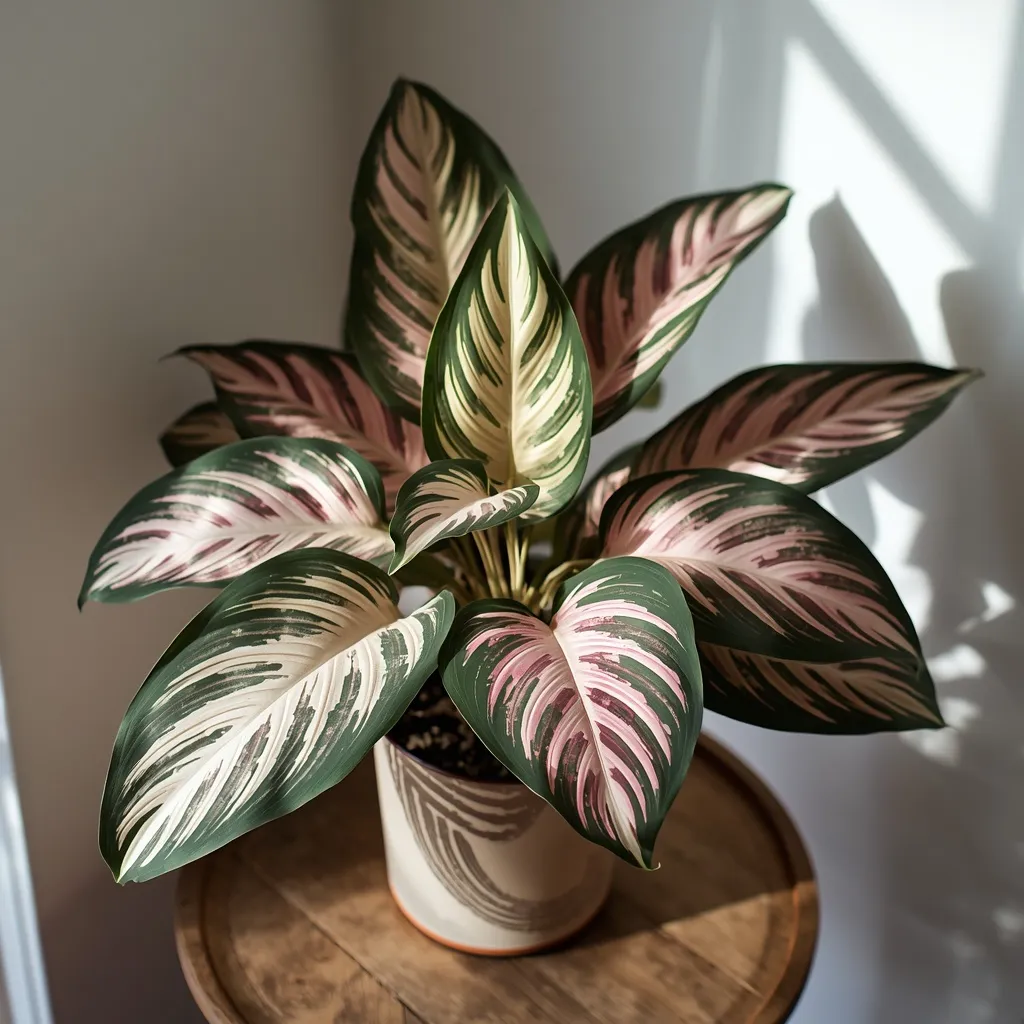
Calatheas are the pet-safe showstoppers with astonishing patterned leaves. Their foliage, striped, feathered, or brushstroked in green, cream, pink, and purple undersides, makes a living work of art on a shelf or side table.
Calatheas want bright, indirect light (never direct sun, which fades the patterns) and consistent humidity, making them a little more demanding than others here; dry air browns their edges. Keep the soil lightly moist with filtered or rainwater, as they’re sensitive to tap-water chemicals. The big reward, beyond their beauty, is that calatheas are non-toxic and pet-safe. They suit humid rooms and plant lovers ready for a touch more care.
- Best for: pet owners wanting dramatic, decorative foliage.
- Watch out: fussier, needs humidity, filtered water, no direct sun.
- Light: bright indirect. Water: keep lightly moist, filtered water.
How Do You Choose the Right Plant for Your Room?
Choose an air purifying plant by matching three things to your space: the light it will get, whether pets or children are around, and how much care you realistically want to give. Getting these right matters far more than any plant’s air-cleaning reputation.
For low-light rooms, lean on the snake plant, ZZ plant, pothos, or Chinese evergreen. For pet homes, stick to the genuinely safe options: spider plant, parlor palm, areca palm, Boston fern, and calathea. For near-zero effort, the snake plant and ZZ plant forgive the most neglect, while calatheas and ferns ask for more attention and humidity. Group several plants together and you also raise local humidity, which most of them enjoy.
Styling these plants well is half the fun, and you’ll find plenty of ideas in our indoor plant styling section. If you want greenery with even less upkeep than the plants here, our guide to creative ways to display air plants covers soil-free tillandsias that thrive mounted, hung, or tucked into glass, a lovely companion to a leafy plant collection.
Which Air Purifying Plants Are Safe for Pets?
Many of the most popular air purifying plants are toxic to cats and dogs, so pet owners need to choose carefully. The genuinely pet-safe options here are the spider plant, parlor palm, areca palm, Boston fern, and calathea.
Common favorites including the peace lily, pothos, snake plant, ZZ plant, rubber plant, dracaena, English ivy, aloe vera, Chinese evergreen, and philodendron are all toxic to cats and dogs if chewed, usually causing mouth irritation, drooling, and vomiting. This doesn’t mean you can’t own them, it means placing them out of reach on high shelves or in pet-free rooms. When in doubt about any plant, the ASPCA’s toxic and non-toxic plant database is a reliable place to check before you buy.
Air Purifying Plants Compared at a Glance
This quick reference sums up the light needs, care level, and pet safety of all 15 plants so you can match one to your room fast.
| Plant | Light | Care | Pet-safe? |
| Snake plant | Low–bright | Very easy | No |
| Pothos | Low–bright | Very easy | No |
| Peace lily | Medium–bright | Easy | No |
| Spider plant | Bright indirect | Very easy | Yes |
| ZZ plant | Low–bright | Very easy | No |
| Boston fern | Bright indirect | Moderate | Yes |
| Parlor palm | Medium–bright | Easy | Yes |
| Areca palm | Bright indirect | Moderate | Yes |
| Rubber plant | Bright indirect | Easy | No |
| Dracaena | Medium–bright | Easy | No |
| English ivy | Bright indirect | Moderate | No |
| Aloe vera | Bright + sun | Very easy | No |
| Chinese evergreen | Low–medium | Easy | No |
| Philodendron | Low–bright | Very easy | No |
| Calathea | Bright indirect | Fussier | Yes |
Conclusion
The best air purifying plants earn their place not by scrubbing your air like a machine, they can’t, and it’s only fair to say so, but by making rooms feel greener, calmer, and a little more humid while asking very little in return. Match each plant to your light, be honest about which are safe for your pets, and lean on the easy champions like the snake plant, pothos, and spider plant if you’re just starting out. Pair your greenery with an open window for genuinely fresher air. For more ways to bring plants into your home, browse our indoor plant styling ideas and find the leafy companion your favorite room has been missing.
Frequently Asked Questions
Q: Do air purifying plants actually clean the air in a room?
Only modestly. Plants absorb small amounts of certain pollutants and add oxygen, but research shows you’d need dozens of plants per room to match simply opening a window. Their real, reliable benefits are added humidity, greenery, and a proven lift to mood, so enjoy them for those and rely on ventilation for actual air quality.
Q: What are the best air purifying plants for low light?
The snake plant, ZZ plant, pothos, philodendron, and Chinese evergreen all tolerate low light well. Snake and ZZ plants are the toughest, surviving dim corners and weeks between waterings. Keep in mind that low light still means some daylight, no houseplant thrives in a truly windowless room long-term.
Q: Which air purifying plants are safe for cats and dogs?
The spider plant, parlor palm, areca palm, Boston fern, and calathea are non-toxic and pet-safe. Many popular choices, peace lily, pothos, snake plant, ZZ plant, rubber plant, and philodendron, are toxic to pets, so keep those out of reach. Always check the ASPCA database if you’re unsure about a plant.
Q: What are the best air purifying plants for a bedroom?
Snake plants are a bedroom favorite because they release oxygen at night and tolerate low light. Peace lilies and pothos also suit bedrooms and cope with lower light. If you have pets that sleep in the room, choose a pet-safe option like a spider plant or parlor palm instead, and keep any toxic plants out of reach.
Q: How many plants do I need to purify a room?
Realistically, far more than is practical, studies suggest dozens to over a hundred plants would be needed to clean the air of an average room as effectively as normal ventilation. Rather than chasing that, use a handful of plants for their greenery, humidity, and wellbeing benefits, and open windows or run a filter for genuine air quality.
Q: Which air purifying plants are easiest for beginners?
The snake plant, pothos, ZZ plant, spider plant, and philodendron are the most forgiving. They tolerate low light, irregular watering, and general neglect, making them ideal first plants. Water most of them only when the soil has dried, since overwatering is the most common way beginners lose these plants.