
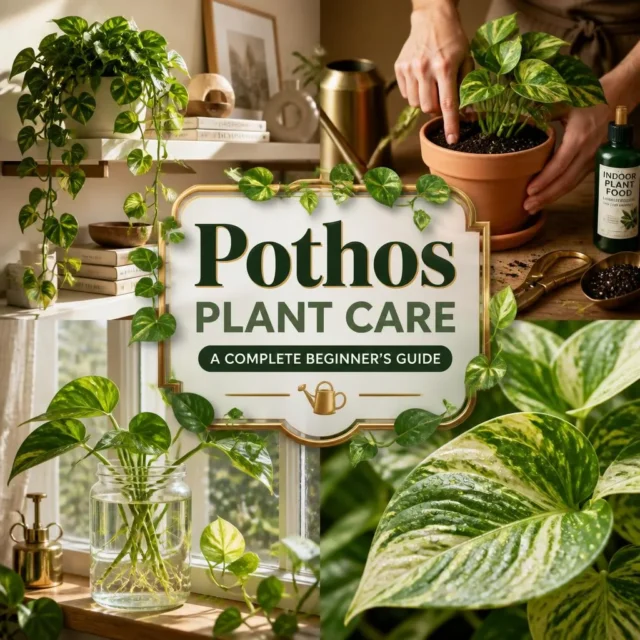

A trailing pothos can turn a bare shelf into something alive in a matter of weeks, which is exactly why it’s the plant so many people begin with. Good pothos plant care is refreshingly simple, but “simple” isn’t the same as “do nothing.” A few small habits separate a lush, vining plant from one steadily dropping yellow leaves.
This guide covers everything a pothos needs to thrive indoors: the right light, how and when to water, soil, feeding, and clear fixes for the most common problems. Whether this is your first houseplant or your tenth, you’ll leave knowing how to keep your pothos healthy in any corner of your abode, in any season.
Meet the Pothos
Pothos (Epipremnum aureum), also sold as Devil’s Ivy, is a fast-growing tropical vine loved for being nearly impossible to kill. It’s the go-to plant for beginners because it grows in a wide range of conditions and tells you clearly, through its leaves, when something is off.
In the wild it climbs tree trunks using small aerial roots. Indoors, most people let it trail from a shelf or hanging pot, though it will happily climb a moss pole if you give it one. Under decent conditions, a healthy vine can add 30 cm (about 12 in) or more in a single growing season.
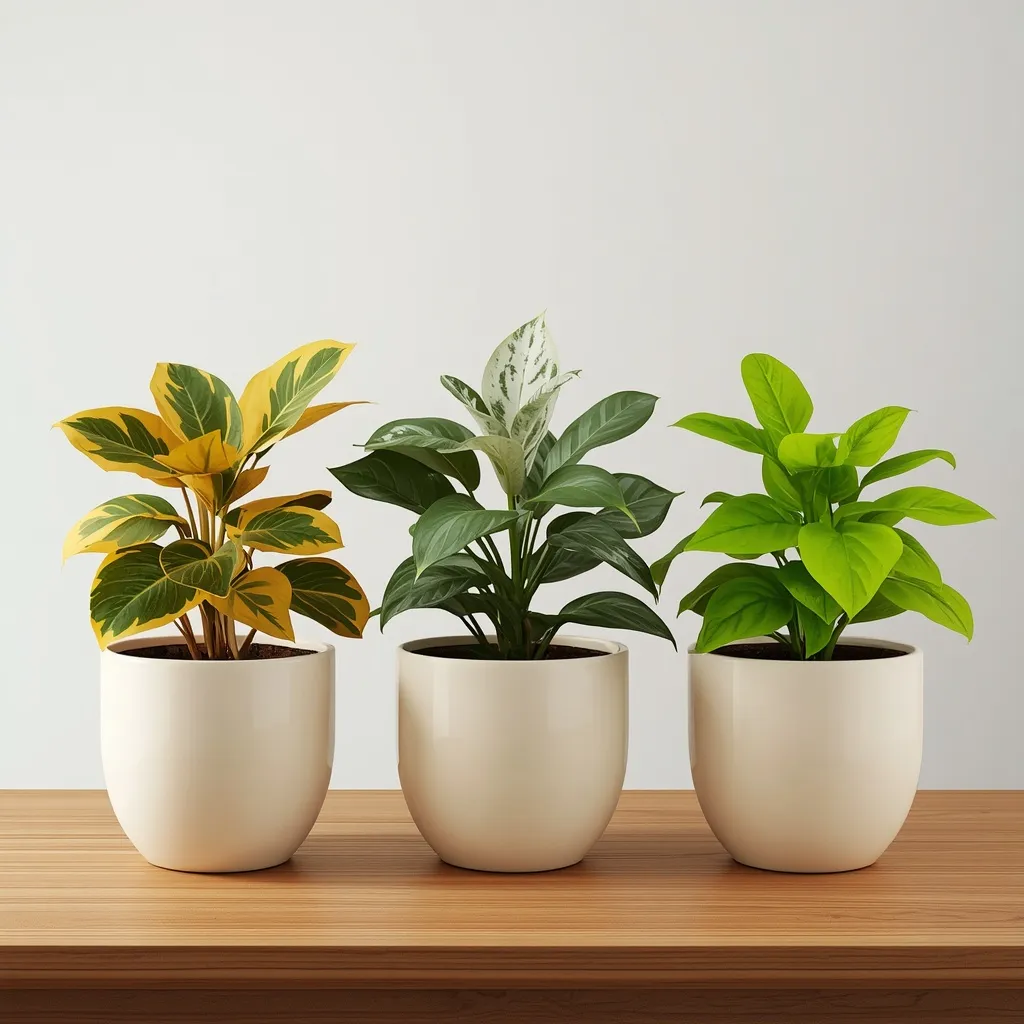
There are more varieties than most people realize, and they don’t all handle low light the same way.
Popular Pothos Varieties and Their Light Needs
The rule of thumb: the more white, cream, or yellow variegation a leaf has, the more light it needs to keep those markings.
| Variety | Look | Light tolerance |
| Golden Pothos | Green with gold streaks | Very forgiving; handles low light |
| Jade Pothos | Solid deep green | The most shade-tolerant |
| Marble Queen | Heavy white-and-green marbling | Needs bright indirect light |
| Neon Pothos | Bright chartreuse-lime | Bright light keeps color vivid |
| Cebu Blue | Silvery blue-green, arrow-shaped | Moderate to bright |
| Manjula / Pearls and Jade | Wavy cream-splashed leaves | Bright indirect; slow-growing |
If your space is genuinely dim, choose Golden or Jade. A Marble Queen in a dark corner will slowly lose its marbling and turn mostly green, a common and preventable disappointment.
How Much Light Does a Pothos Need?
Pothos grows best in bright, indirect light, the kind you’d find a metre or two back from a bright window. It survives low light, but it doesn’t thrive there.
Direct midday sun through glass is the main thing to avoid, since it can scorch leaves and leave pale, bleached patches. An east-facing window is close to perfect. A south or west window works too, as long as the plant sits back from the glass or behind a sheer curtain.
If your pothos is growing long, bare stems with leaves spaced far apart (called “leggy” growth), that’s the plant reaching for light. Move it somewhere brighter or add a small grow light. For renters and apartment dwellers with only one dim room, a basic full-spectrum LED grow light running 8–10 hours a day solves the problem entirely.
Best for low-light homes: Golden and Jade pothos. Skip in low light: heavily variegated types like Marble Queen and Manjula.
How Often Should You Water a Pothos?
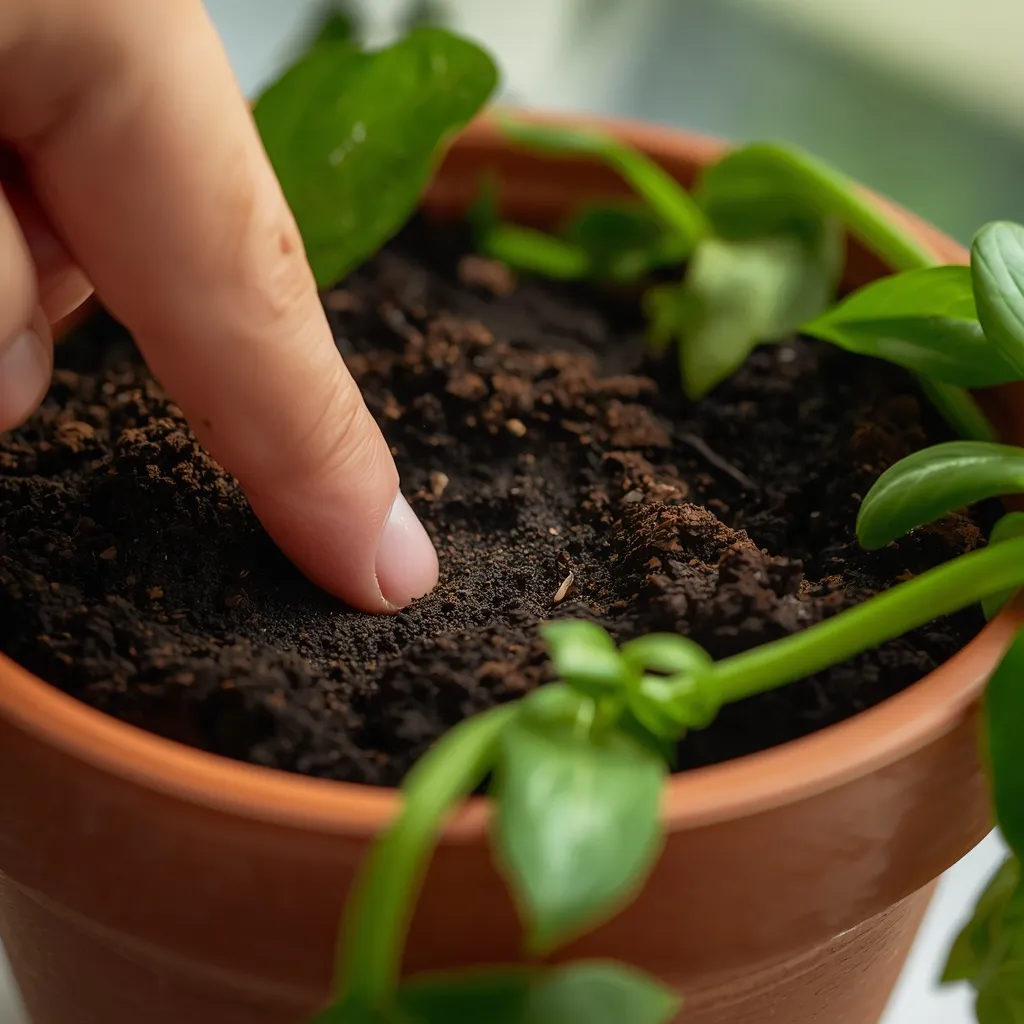
Water your pothos only when the top 2–3 cm (about 1 in) of soil feels dry to the touch, never on a fixed calendar schedule. This single habit prevents the most common cause of a sick pothos: overwatering.
To check, push a finger into the soil up to the first knuckle. If it’s damp, wait. If it’s dry, water thoroughly until liquid runs out the drainage holes, then empty the saucer so the roots aren’t left sitting in water. Standing water is what leads to root rot.
How often that actually happens depends on your conditions. In a warm, bright room during summer, that might mean every 5–7 days. In a cooler room or in winter, it could stretch to every 10–14 days. The plant, not the calendar, decides.
Pothos is also a helpful communicator. Slightly limp, drooping leaves that perk back up within hours of watering mean it was simply thirsty, no harm done. If you’re unsure whether you’re watering too much or too little, the troubleshooting section below has a quick way to tell them apart.
The Right Soil and Pot
Pothos needs a loose, well-draining potting mix, its roots rot in dense, water-logged soil. A quality indoor potting mix amended with a couple of handfuls of perlite or orchid bark is ideal.
A simple, reliable blend is roughly two parts standard potting mix to one part perlite. The bark and perlite create air pockets so water drains freely and roots can breathe. If you can find a bagged “aroid mix,” that works beautifully straight from the bag.
Just as important as the soil is the pot. Always use a container with drainage holes. A decorative pot with no drainage is one of the quickest ways to drown a pothos without realizing it. If you love a specific cachepot that has no holes, plant into a plastic nursery pot first and set that inside, you get the look without the risk.
Feeding: Fertilizer Made Simple
Pothos isn’t a heavy feeder, but a light monthly feeding during the growing season keeps it vigorous and green. Use a balanced liquid houseplant fertilizer (something labelled close to 10-10-10 or 20-20-20), diluted to half the recommended strength.
Feed roughly once a month from spring through early autumn, when the plant is actively putting out new growth. Stop feeding entirely in late autumn and winter, when growth naturally slows. Feeding a dormant plant does nothing useful and lets fertilizer salts build up in the soil.
That salt buildup is worth knowing about: it’s a frequent cause of brown, crispy leaf tips. If you’ve been feeding regularly, flush the pot with plain water every couple of months, run water through the soil for a minute to rinse excess salts out the bottom. Less is genuinely more here; an under-fed pothos recovers easily, while an over-fed one shows burnt edges.
Temperature and Humidity
Pothos is comfortable in the same temperatures most people keep their homes: roughly 18–29°C (65–85°F). It has no special humidity demands, which is part of why it’s so easy indoors.
Keep it away from cold draughts and from the blast of heating or air-conditioning vents. Sustained temperatures below about 10°C (50°F) will stress the plant and can cause blackened, damaged leaves, so a chilly windowsill in winter is a spot to avoid.
While pothos tolerates average household humidity well, it does appreciate a little extra moisture in very dry homes, the kind you get when winter heating runs constantly. If your leaf tips turn crispy in winter, grouping plants together or setting a small humidifier nearby helps more than misting does.
Can You Grow Pothos in Water?
Yes, pothos grows readily in water, and it’s one of the easiest houseplants to propagate this way. You can root cuttings in water and even keep them growing in water long-term with a few adjustments.
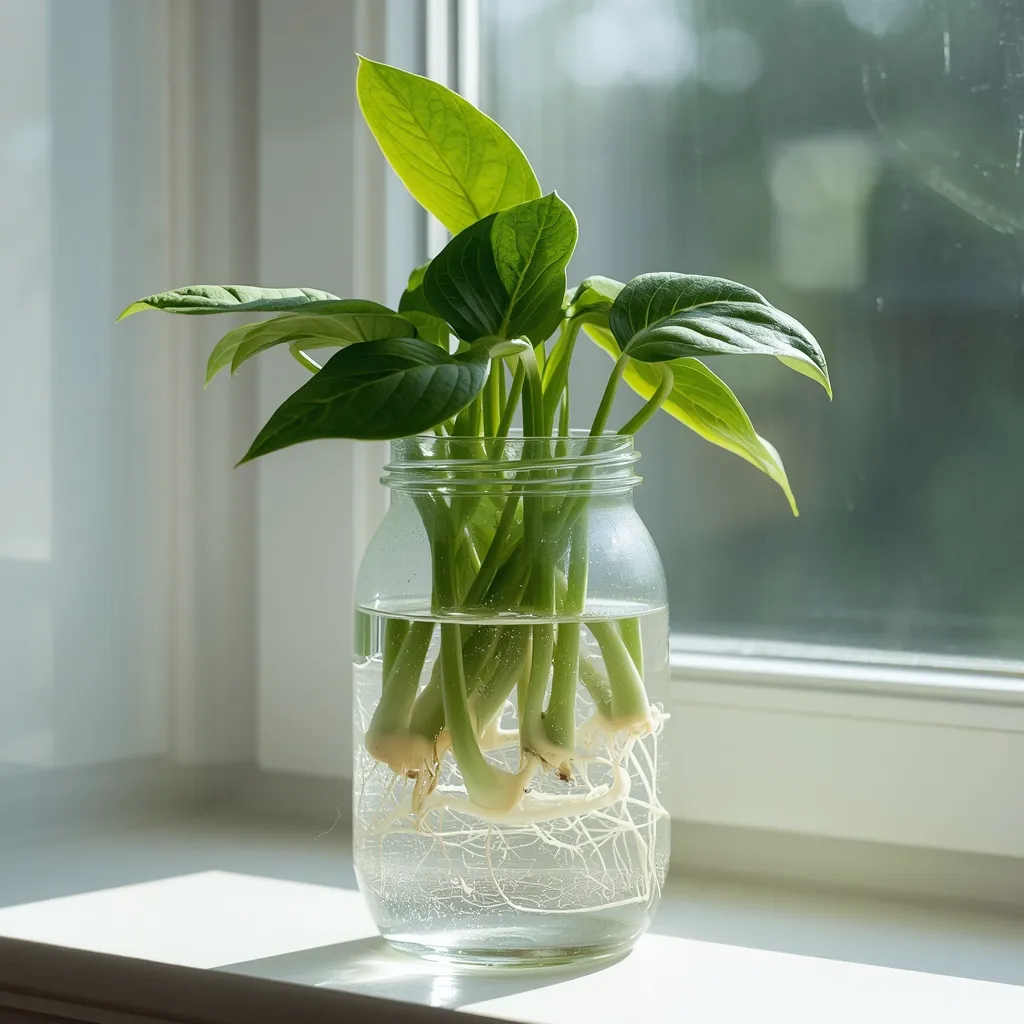
To start a cutting, snip a length of vine just below a node, the small brown bump on the stem where a leaf meets it and where roots emerge. Each cutting should have at least one node and a leaf or two. Place the node underwater in a clear glass or jar, keep the leaves above the surface, and set it in bright indirect light.
Roots usually appear within 7–14 days. Change the water every 5–7 days to keep it fresh and oxygenated. A clear container lets you watch root progress and spot any cloudiness early.
Growing in water permanently is possible but slower than soil. Two things make it work: add a few drops of diluted hydroponic nutrient every few weeks (plain water alone starves the plant over time), and refresh the water regularly to prevent stagnation. Growing in LECA (clay pebbles) with a water reservoir is a popular tidy middle ground for people who want a soil-free look without murky glass jars.
Pruning and Repotting
Prune your pothos whenever you want a fuller, bushier plant. Cutting a vine just above a leaf node signals the plant to branch out from that point, so regular trimming is what turns a few straggly vines into a lush, dense plant.
Don’t throw those cuttings away, each one is a free new plant. Root them in water and either pot them up or tuck them back into the mother plant’s pot to make it fuller faster.
Repot every 1–2 years, or when you see roots circling the surface or poking out the drainage holes. Move up just one pot size, roughly 5 cm (2 in) wider in diameter. A pot that’s too large holds excess wet soil around the roots, which invites rot. Spring is the best time to repot, since the plant recovers fastest when it’s actively growing.
Troubleshooting Common Problems
Most pothos problems trace back to watering, light, or feeding. This quick-diagnosis table covers the symptoms people search for most, followed by a closer look at each.
| Symptom | Most likely cause | Quick fix |
| Yellow leaves | Overwatering / soggy soil | Let soil dry more; check drainage |
| Brown, crispy tips | Dry air, salt buildup, underwatering | Flush soil; raise humidity; water evenly |
| Brown spots on leaves | Sunburn or fungal issue | Move from direct sun; avoid wet foliage |
| Drooping / limp leaves | Thirsty or root rot | Check soil moisture to tell which |
| Leggy, sparse growth | Not enough light | Move brighter; prune for bushiness |
| Tiny bugs / webbing | Pests (mealybugs, spider mites) | Wipe with neem or insecticidal soap |
Why Are My Pothos Leaves Turning Yellow?
Yellow leaves on a pothos most often mean overwatering. When soil stays soggy, roots can’t get oxygen and begin to rot, and the plant sheds leaves as a result.
Check the soil first. If it’s wet and several leaves are yellowing at once, let the soil dry out more between waterings and confirm the pot drains freely. One older lower leaf yellowing on its own, though, is usually just natural aging, nothing to worry about. Less commonly, yellowing across the whole plant can signal it’s hungry after months without feeding.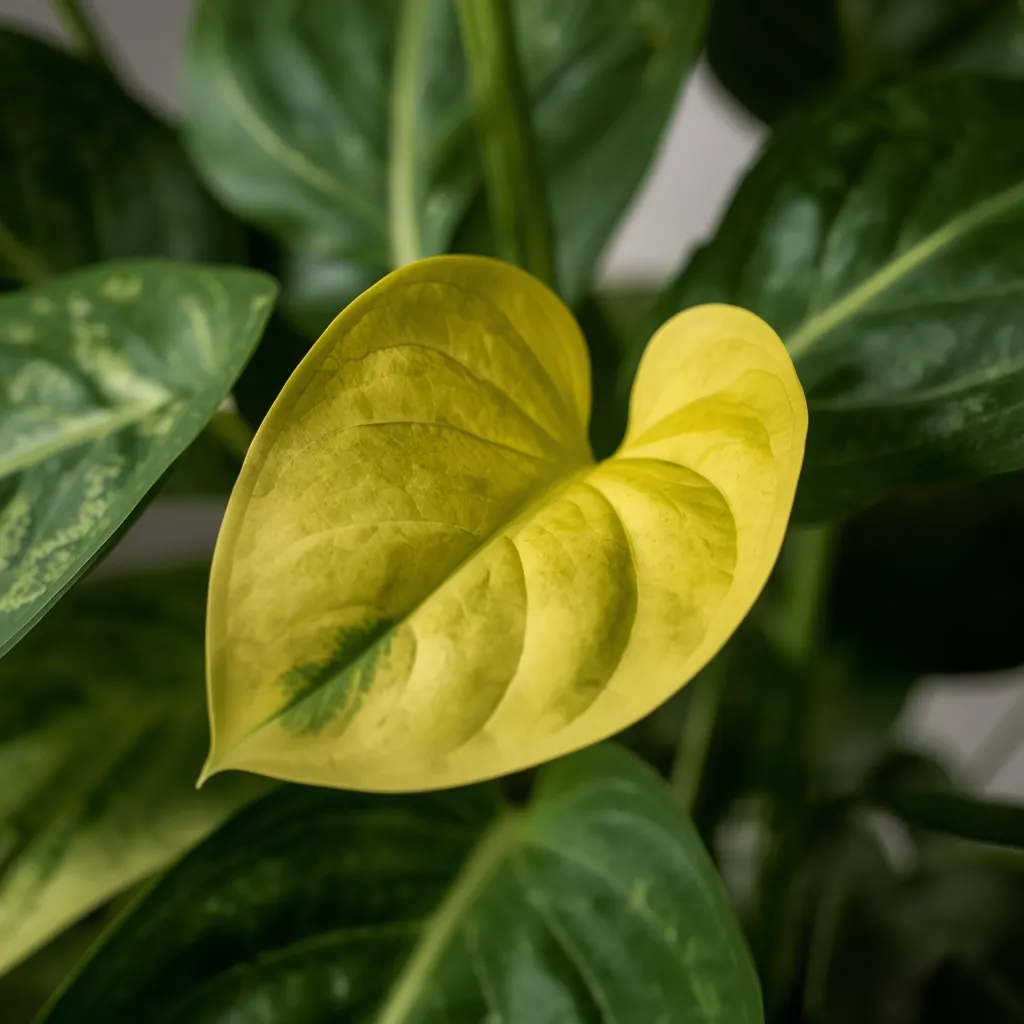
What Causes Brown Spots and Brown Leaves?
Brown spots and brown leaf edges come from two different problems, so identifying which one matters. Sunburn shows up as pale-to-brown scorched patches, usually on leaves facing direct sun, move the plant back from the window.
Crispy brown tips and edges point to dry air, inconsistent watering, or fertilizer salt buildup. Water more evenly, flush the soil to clear excess salts, and raise humidity in dry winter rooms. Dark brown or black soft spots that spread can indicate a fungal issue from wet leaves, so keep foliage dry when you water and improve air circulation.
Why Is My Pothos Droopy?
Drooping leaves confuse people because both underwatering and overwatering cause them. The soil tells you which one you’re dealing with, so always check before acting.
If the soil is dry and the leaves are limp, the plant is simply thirsty, water it, and it should recover within hours. If the soil is wet and the leaves droop, that’s the warning sign of root rot from overwatering. In that case, stop watering, let the soil dry, and if it doesn’t improve, unpot the plant and trim away any mushy, dark roots before repotting in fresh, dry mix.
Dealing With Pests
Pothos rarely gets pests indoors, but mealybugs (white cottony fluff) and spider mites (fine webbing and speckled leaves) show up occasionally. Catch them early by checking leaf undersides now and then.
Wipe the plant down with a cloth dipped in insecticidal soap or diluted neem oil, covering both leaf surfaces, and isolate the plant from your others until it’s clear. Repeat weekly for a few weeks to break the pest cycle.
Caring for Pothos in Winter
In winter, pothos needs less of almost everything, less water, no fertilizer, and protection from cold. Growth naturally slows or stops as daylight shortens, and your care should slow to match.
Water noticeably less often, because soil stays wet far longer in cool, low-light conditions; overwatering causes even more trouble in winter than in summer. Stop fertilizing until spring, since the plant isn’t actively growing and can’t use the nutrients.
Move your pothos away from cold window glass, unheated porches, and draughty doorways, but also away from the direct dry heat of radiators and vents. If your winter home runs very dry and you notice crispy tips, a nearby humidifier or a cluster of plants raises local moisture. Come spring, resume normal watering and feeding as new growth appears. This seasonal rhythm is central to the kind of steady, low-fuss houseplant care we focus on across Sunday Abode (link: https://www.sundayabode.com/).
Is Pothos Safe Around Pets and Kids?
No, pothos is toxic to cats, dogs, and humans if chewed or eaten, so it’s important to place it thoughtfully. Every part of the plant contains insoluble calcium oxalate crystals.
If a pet or child bites into a leaf, it can cause mouth and throat irritation, drooling, and vomiting. It’s rarely life-threatening, but it’s genuinely unpleasant and worth preventing. According to the ASPCA, pothos is listed as toxic to both cats and dogs.
The simplest solution is placement: pothos is a natural fit for high shelves, hanging baskets, and mantels, where its trailing vines look their best and stay well out of reach of curious pets and toddlers. If you have a determined cat that climbs everywhere, this may be a plant to admire in a room they can’t access.
Your Quick Pothos Care Card
Keep this simple reference handy, it’s the whole of pothos plant care distilled to the essentials.
| Care factor | The short version |
| Light | Bright, indirect; low-light tolerant (except variegated types) |
| Water | When top 2–3 cm (1 in) is dry; never let it sit in water |
| Soil | Well-draining mix + perlite; pot must have drainage holes |
| Fertilizer | Balanced liquid feed, monthly, spring–summer only |
| Temperature | 18–29°C (65–85°F); keep above 10°C (50°F) |
| Propagation | Root node cuttings in water in 1–2 weeks |
| Toxicity | Toxic to pets and kids if chewed, place up high |
Pothos rewards the light touch. If you tend toward under-doing rather than over-doing, you’re already most of the way to a thriving plant.
Once you’ve got the hang of an easy houseplant like this, many people catch the growing bug and branch into edibles, if that’s you, our guide on how to grow garlic is a beginner-friendly next step. For more plant walkthroughs, browse our full library of houseplant care guides.
Conclusion
Pothos earns its reputation as the friendliest houseplant there is, and solid pothos plant care really does come down to a handful of habits: bright indirect light, watering only when the top of the soil dries, a well-draining pot, and a light monthly feed in the warmer months. Learn to read its leaves, yellow usually means too wet, crispy tips mean too dry, and you’ll catch nearly every problem before it becomes serious.
Start with one healthy vine, take a cutting or two once it’s growing well, and before long you’ll have fuller plants (and free ones) filling the corners of your home. Save this care card for the next time your pothos looks unsure, and let it be the plant that proves you can keep things green.
FAQs
Why are my pothos leaves turning yellow?
Yellowing is most often a sign of overwatering and soggy soil, which suffocates the roots. Check that the soil is drying out between waterings and that the pot drains freely. A single yellow lower leaf now and then is usually just natural aging and nothing to fix.
How often should I water a pothos?
There’s no fixed schedule, water only when the top 2–3 cm (about 1 in) of soil feels dry. In practice that’s often every 5–7 days in warm, bright conditions and every 10–14 days in cooler or low-light spots. Always empty the saucer so the roots never sit in standing water.
Can pothos grow in water permanently?
Yes, though it grows more slowly than in soil. Keep the nodes submerged, change the water every 5–7 days, and add a few drops of diluted hydroponic nutrient every few weeks, since plain water alone will eventually starve the plant.
Is pothos poisonous to cats and dogs?
Yes. Pothos contains calcium oxalate crystals and is toxic to cats, dogs, and children if chewed, causing mouth irritation, drooling, and vomiting. It’s rarely fatal, but the safest approach is to keep it in hanging baskets or on high shelves out of reach.
Why does my pothos have brown, crispy leaf tips?
Crispy brown tips usually come from dry indoor air, inconsistent watering, or fertilizer salt buildup in the soil. Water more evenly, flush the pot with plain water every couple of months to rinse out salts, and raise humidity in dry winter rooms.
How do I make my pothos fuller and bushier?
Prune regularly by cutting just above a leaf node, which prompts the plant to branch out from that point. Root the trimmings in water and tuck them back into the same pot to thicken the plant, and make sure it gets enough bright indirect light to prevent leggy growth.
Do pothos need direct sunlight?
No, pothos prefers bright, indirect light and can actually be scorched by harsh direct sun through glass. An east-facing window or a spot set back from a brighter window is ideal, and low-light-tolerant types like Golden or Jade pothos can manage in dimmer rooms.