
Introduction
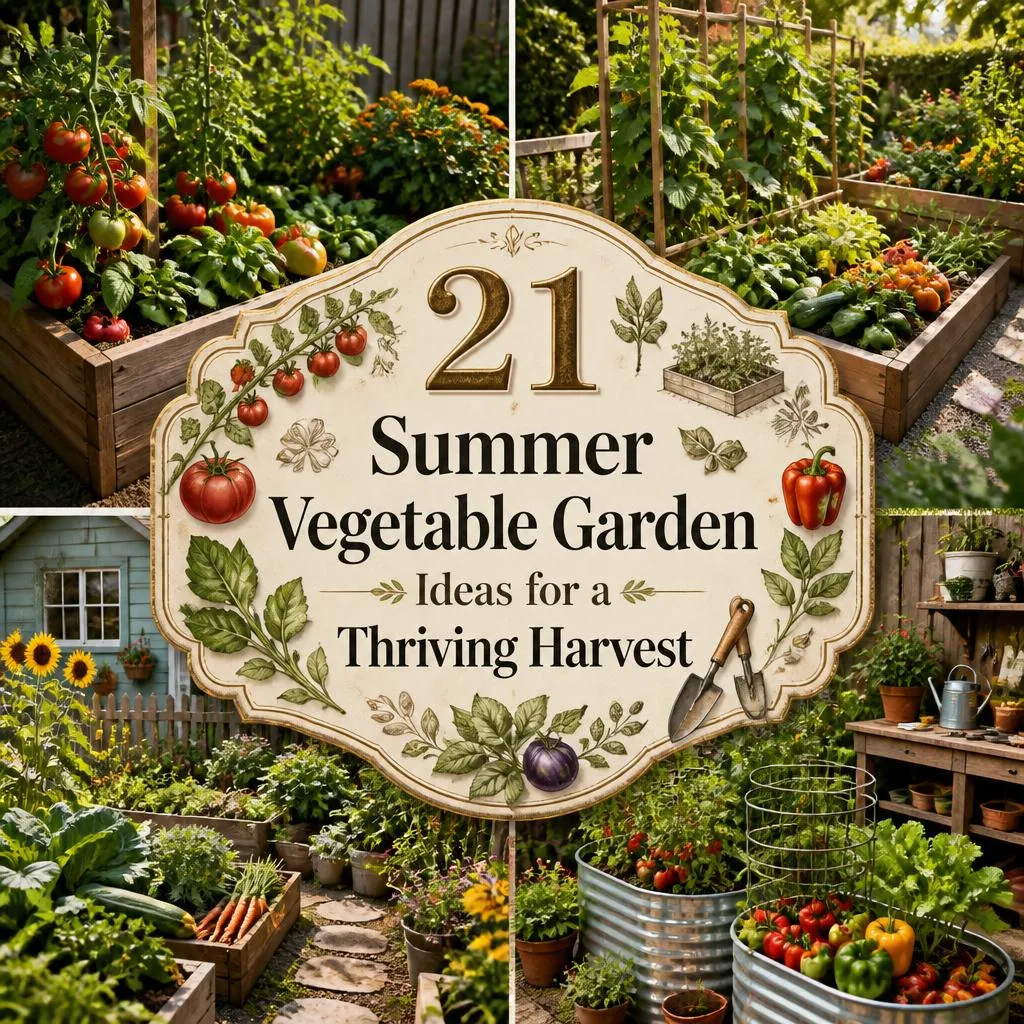
A summer vegetable garden hits its stride exactly when everything else in the yard starts to struggle with the heat, tomatoes ripening on the vine, zucchini multiplying faster than anyone can eat, and beans climbing a trellis in full sun. Getting real, sustained production depends on more than just picking heat-loving crops: layout, timing, watering strategy, and a few genuinely useful techniques make the difference between a handful of tomatoes and a season’s worth of actual harvest. This guide covers twenty-one summer vegetable garden ideas, specific crops worth prioritizing, layout and trellising techniques that save real space, and the regional timing details, including zone-specific and Southern Hemisphere guidance, that most garden content skips entirely. Whichever combination fits the space, there’s a version of this that works for any abode.
1. Tomatoes as the Anchor Crop
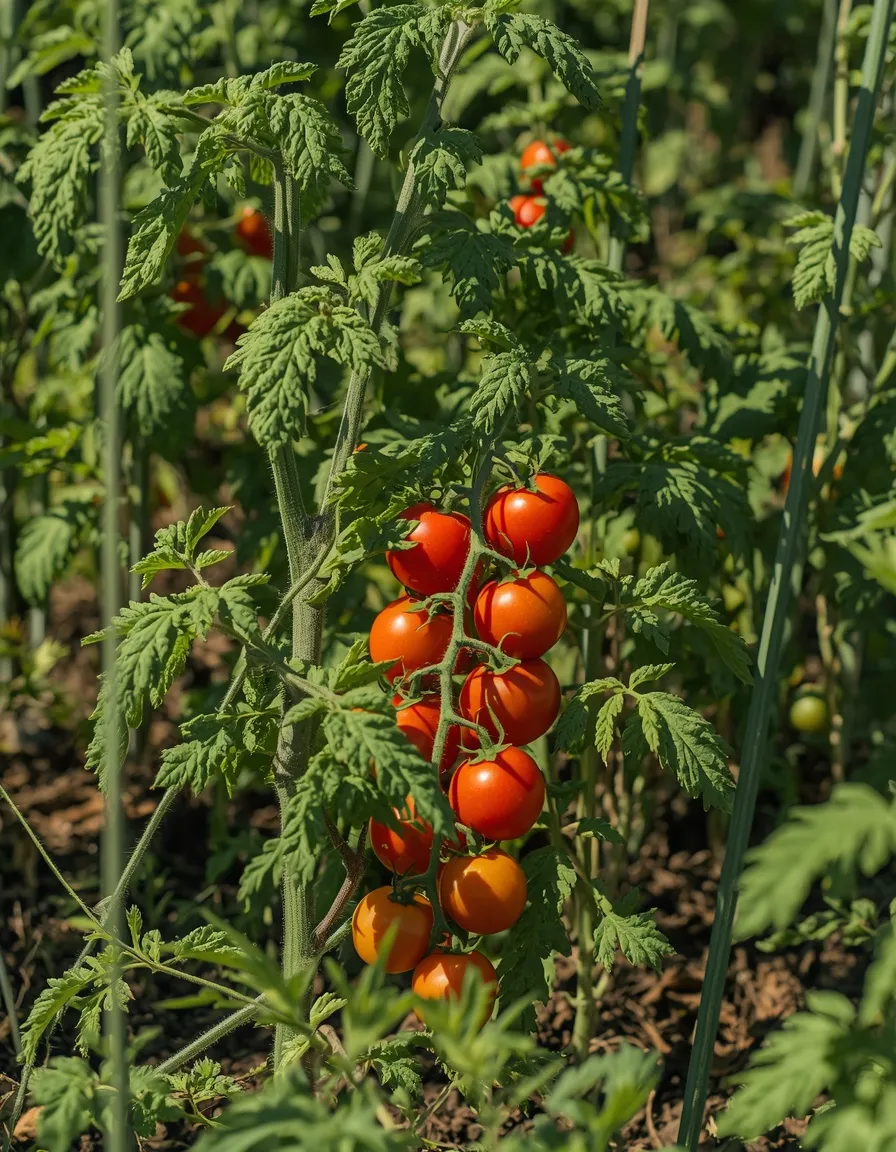
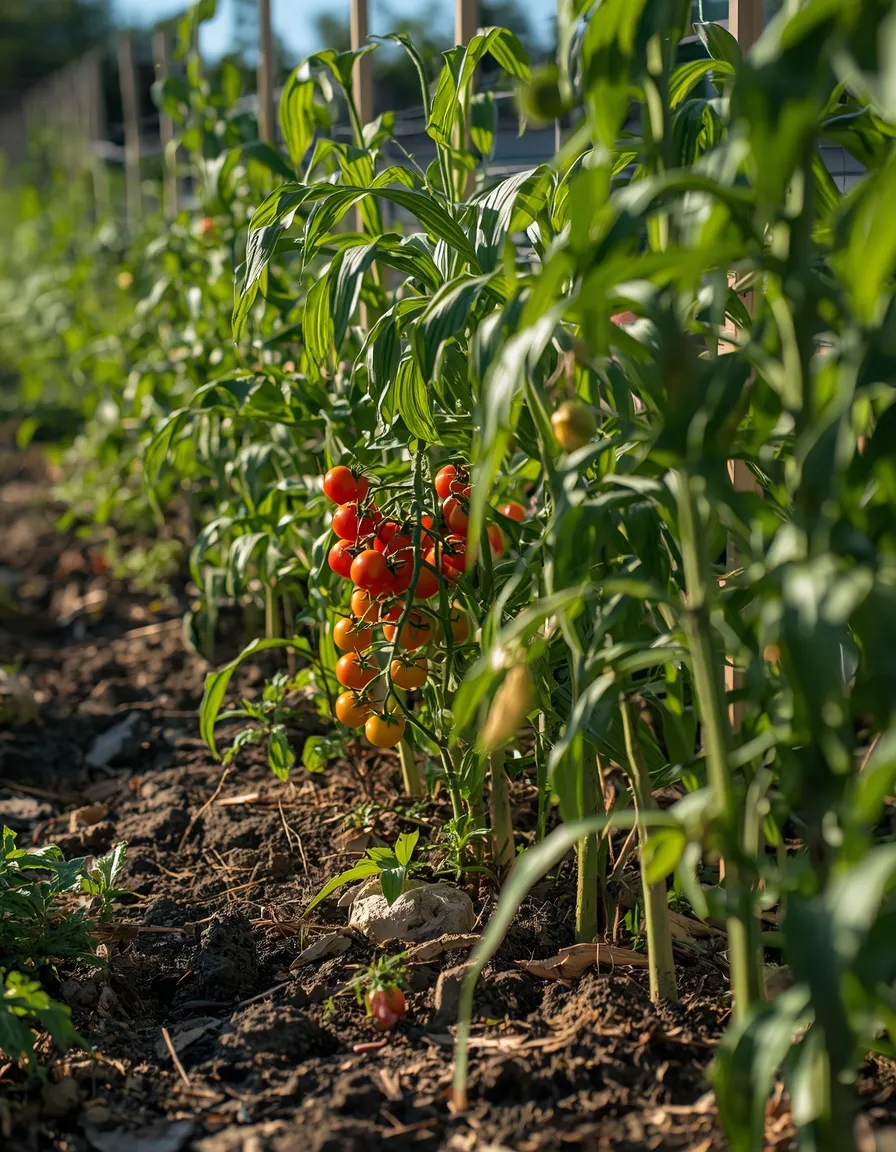
A row of staked tomato plants heavy with ripening fruit is the single most recognizable image of a summer vegetable garden, and for good reason: few crops reward a summer’s worth of care with as much genuine volume.
Space indeterminate (vining) varieties 24 to 36 inches (60 to 90 cm) apart and stake or cage them early, before the plant outgrows easy handling, since a heavily fruiting unsupported tomato plant will sprawl and rot fruit against damp soil. Water deeply and consistently, aiming for about 1 to 1.5 inches (2.5 to 4 cm) of water weekly, since inconsistent watering is the direct cause of blossom end rot, the sunken black patches that ruin otherwise healthy fruit. A genuinely useful tip: pinch off the small shoots that grow in the joint between the main stem and a branch, called suckers, on indeterminate varieties to keep the plant’s energy focused on fruit rather than excess foliage.
Worth flagging for pet owners: the ASPCA lists tomato plants as toxic to cats and dogs, specifically the leaves, stems, and unripe green fruit, so keep an eye on pets that graze in the garden.
- Delivers more usable harvest volume per plant than almost any other summer crop
- Staking early prevents the fruit rot and disease that come from sprawling unsupported vines
- Foliage, stems, and unripe fruit are toxic to pets, worth noting in multi-pet households
2. Peppers for Heat-Loving Color
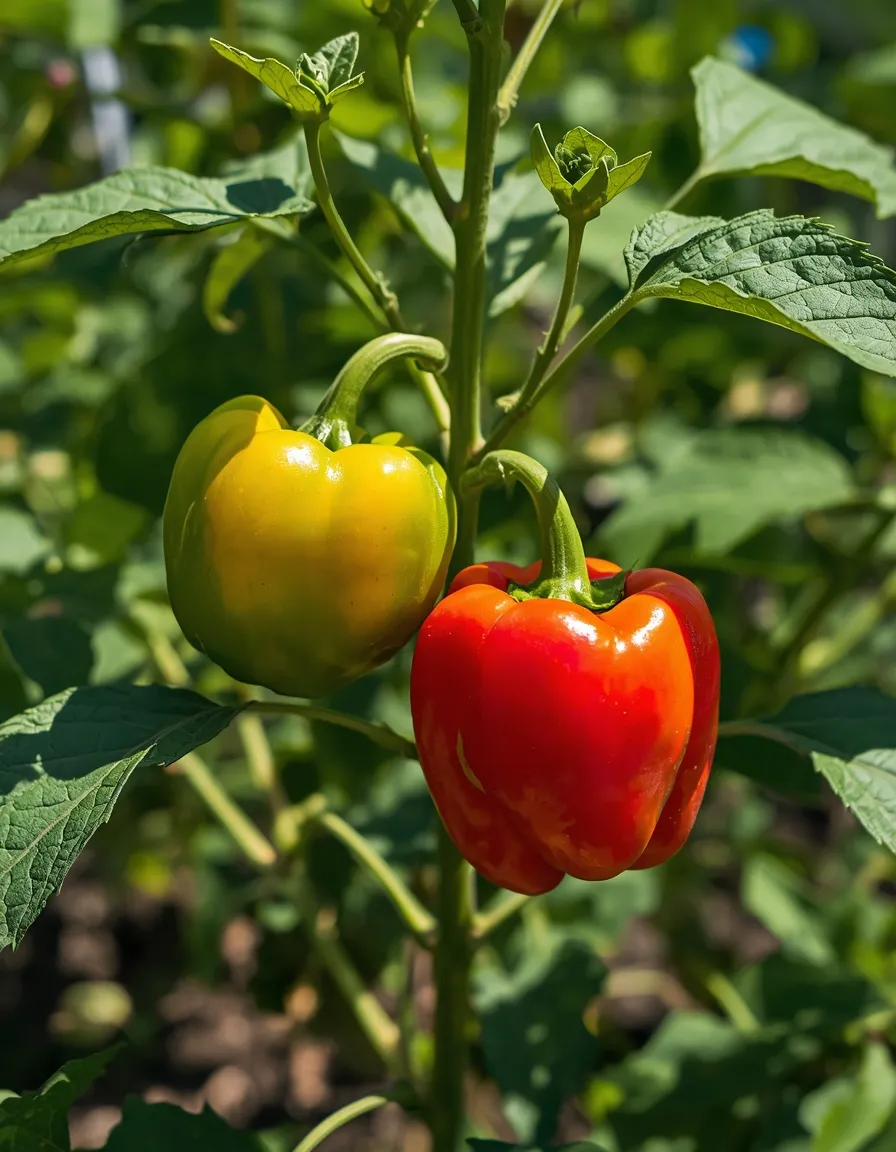
Bell peppers and chili varieties ripening from green through red, orange, and yellow bring genuine color to a summer vegetable garden alongside their harvest, thriving in exactly the sustained heat that stresses cooler-season crops.
Space plants 18 to 24 inches (45 to 60 cm) apart in full sun, and resist the urge to over-fertilize with high-nitrogen feed, which produces lush foliage at the expense of fruit set. Peppers are slower to establish than tomatoes, often taking 60 to 90 days from transplant to first harvest depending on variety, so starting from nursery transplants rather than direct-sown seed gives a meaningful head start in shorter growing seasons. A useful variation is leaving peppers on the plant to fully ripen to their final color rather than harvesting green, which develops considerably more sweetness in bell varieties and more heat in chili varieties.
- Thrives in sustained summer heat that stresses cooler-season vegetables
- Full ripening on the plant develops noticeably more flavor than early green harvest
- Best started from transplants rather than seed in regions with shorter summers
3. Zucchini and Summer Squash
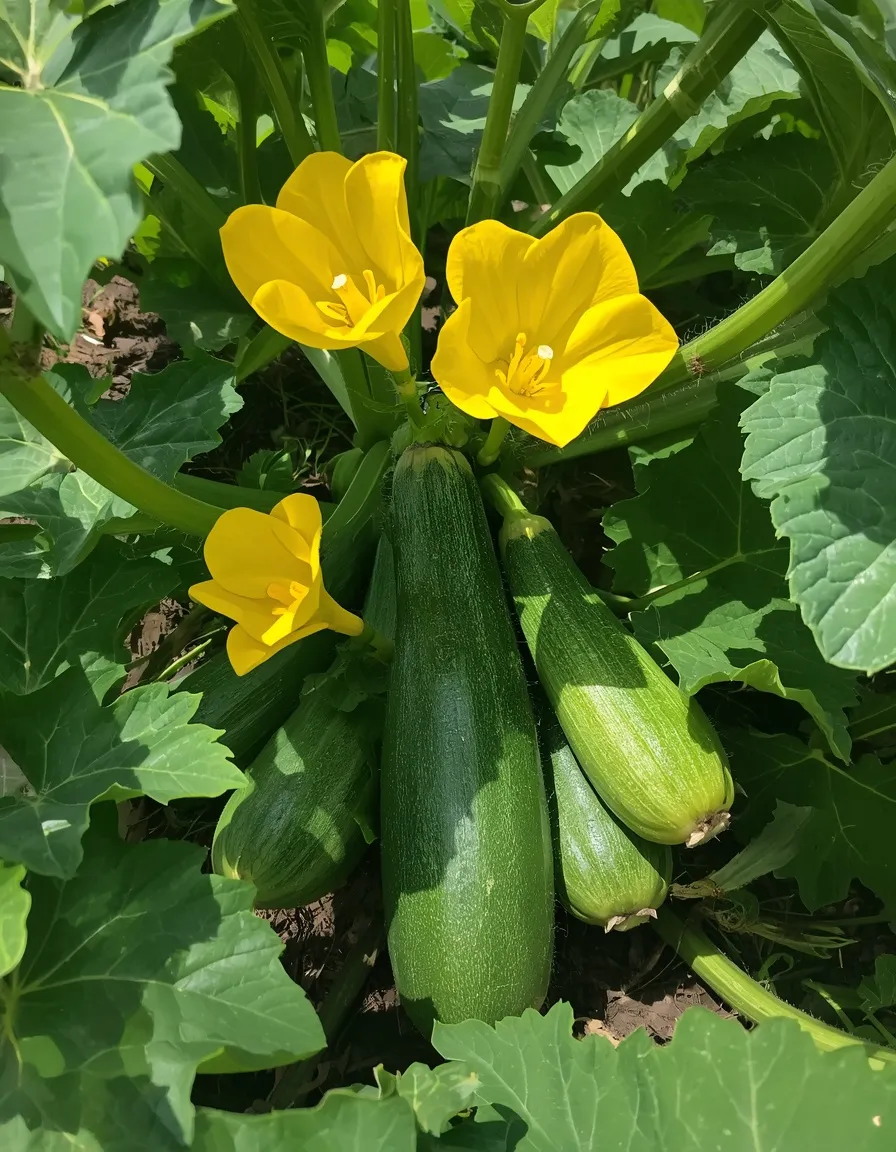
A single healthy zucchini plant can produce more fruit than most households can realistically eat, making it one of the most reliably abundant choices for a first-time summer vegetable garden.
Give each plant a genuinely generous 3 feet (90 cm) of space in every direction, since summer squash’s broad leaves and sprawling habit take up far more room than the small transplant suggests at planting time. Harvest fruit at 6 to 8 inches (15 to 20 cm) long rather than letting it grow larger, both because smaller fruit tastes noticeably better and because leaving oversized fruit on the plant signals it to slow further production. Check plants every day or two once fruiting begins, since zucchini can go from a reasonable size to an oversized baseball bat within 48 hours in peak summer heat.
- One of the most productive crops per plant in a typical summer vegetable garden
- Daily or near-daily checking is necessary once fruiting begins, given how fast it grows
- Harvesting smaller and more often improves flavor and keeps production going longer
4. Cucumbers on a Trellis
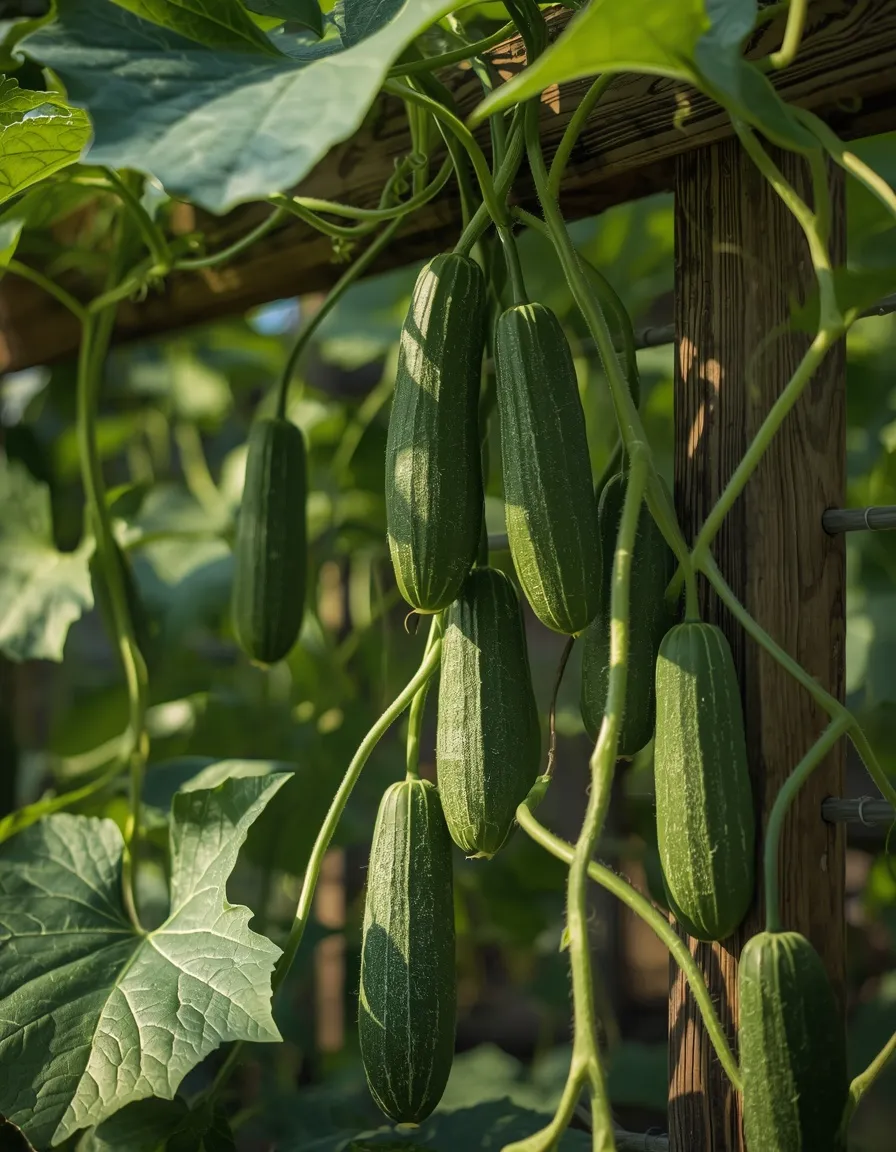
Cucumber vines climbing a simple trellis rather than sprawling across the ground keep fruit straighter, cleaner, and considerably easier to spot at harvest time.
Set up the trellis, a simple A-frame, cattle panel arch, or vertical netting, at planting time rather than after vines have already sprawled, since redirecting an established vine onto a structure damages more of the plant than starting it climbing from the beginning. Vertical growing also improves air circulation around the leaves, which meaningfully reduces the powdery mildew that affects cucumbers grown flat on humid summer soil. Harvest cucumbers regularly, every 2 to 3 days once production starts, since fruit left too long on the vine turns bitter and signals the plant to stop setting new fruit.
- Vertical growing keeps fruit cleaner and easier to spot than ground-sprawling vines
- Improved air circulation reduces powdery mildew, a common summer cucumber problem
- Regular harvesting every few days keeps both flavor and continued production strong
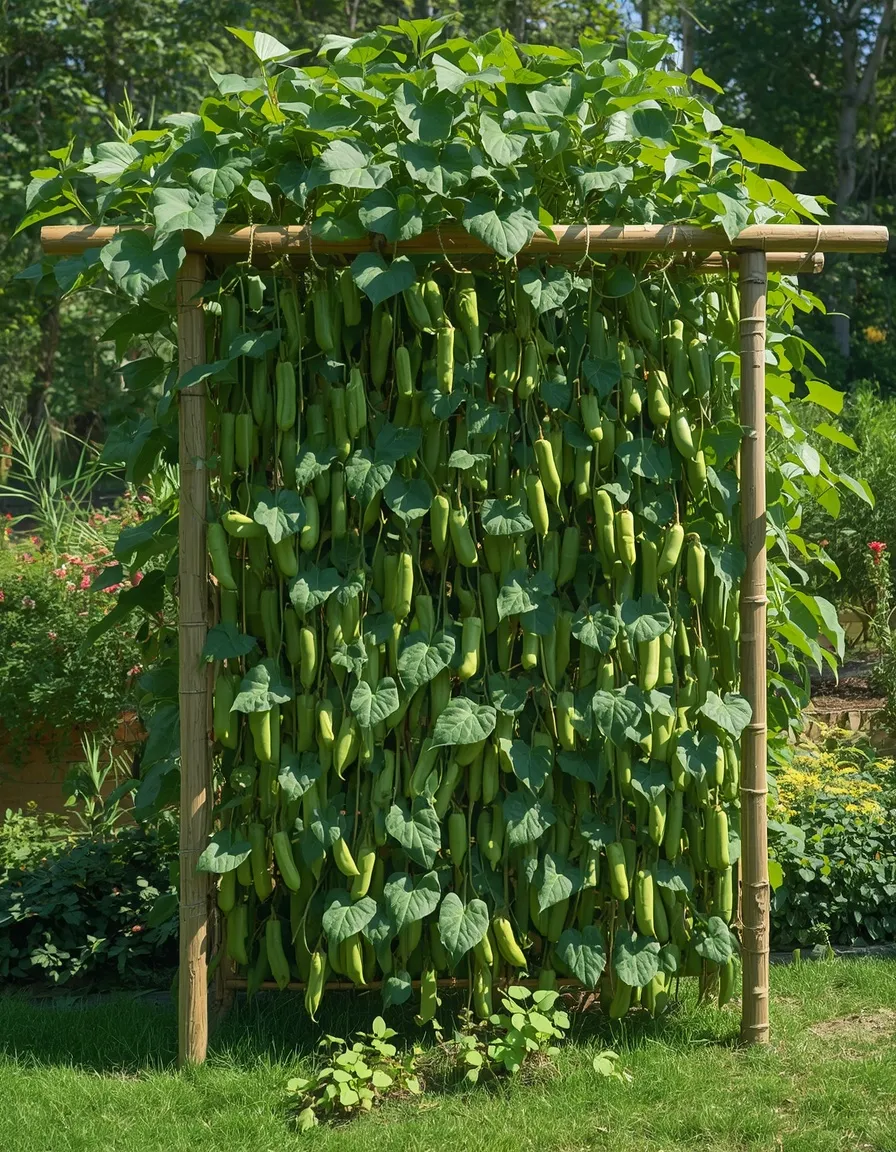
5. Pole Beans for Vertical Growth
A wigwam of bamboo poles disappearing under a curtain of pole bean foliage and pods is one of the most space-efficient ways to grow real protein in a summer vegetable garden.
Set up poles or a trellis structure before sowing seed directly at the base of each pole, since pole beans climb by twining their stems and need the support in place from the very start of growth. Space individual poles roughly 12 to 18 inches (30 to 45 cm) apart within a wigwam arrangement, and sink pole legs at least 12 inches (30 cm) into the ground with poles lashed firmly at the top, since a loaded wigwam full of mature vines and pods catches wind like a sail and can topple if not anchored securely, a genuine structural safety consideration in exposed or windy gardens. Harvest beans while still slender, before the seeds inside visibly bulge the pod, for the most tender texture.
- One of the most space-efficient ways to grow significant harvest volume vertically
- Support structures need to be genuinely secure, since a mature wigwam is heavy and wind-catching
- Regular harvesting of young, slender pods keeps both texture and production at their best
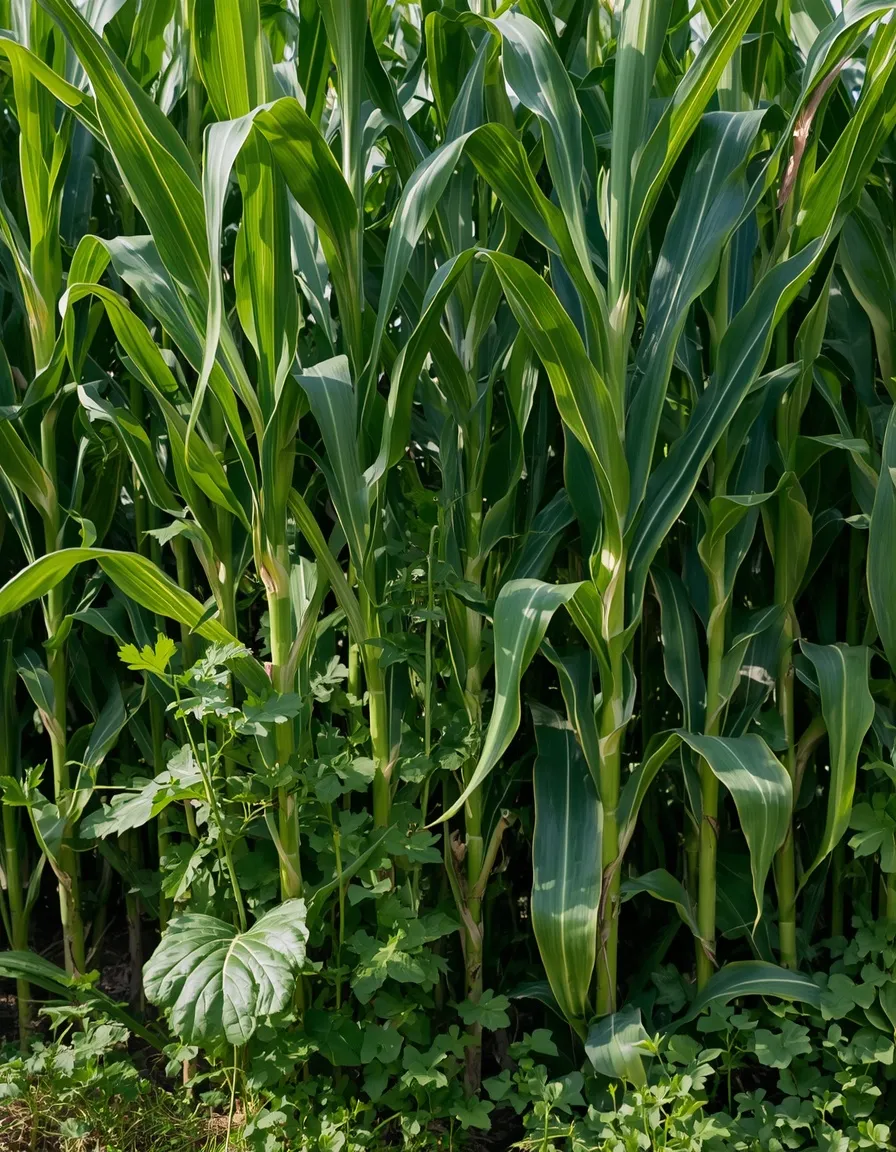
6. Sweet Corn and the Three Sisters Layout
Sweet corn planted in a block, underplanted with climbing beans and sprawling squash, recreates the classic three sisters companion planting layout, where each crop genuinely supports the others rather than simply sharing space.
Corn provides a living trellis for the beans to climb, the beans fix nitrogen in the soil that feeds the heavy-feeding corn, and the broad squash leaves shade the soil to suppress weeds and retain moisture for all three. Plant corn in a block of at least 4 by 4 plants rather than a single row, since corn is wind-pollinated and a block arrangement pollinates far more reliably than a thin line, sow beans about two weeks after the corn is 6 inches (15 cm) tall so it doesn’t outcompete the young corn, and squash last, once beans are climbing. This layout works best in a dedicated bed at least 4 by 4 feet (1.2 by 1.2 m), since the three crops together need considerably more space than any one grown alone.
- A genuine companion planting system where each crop functionally supports the others
- Block planting corn, rather than a single row, dramatically improves pollination
- Needs a dedicated, generously sized bed rather than being tucked into a narrow row
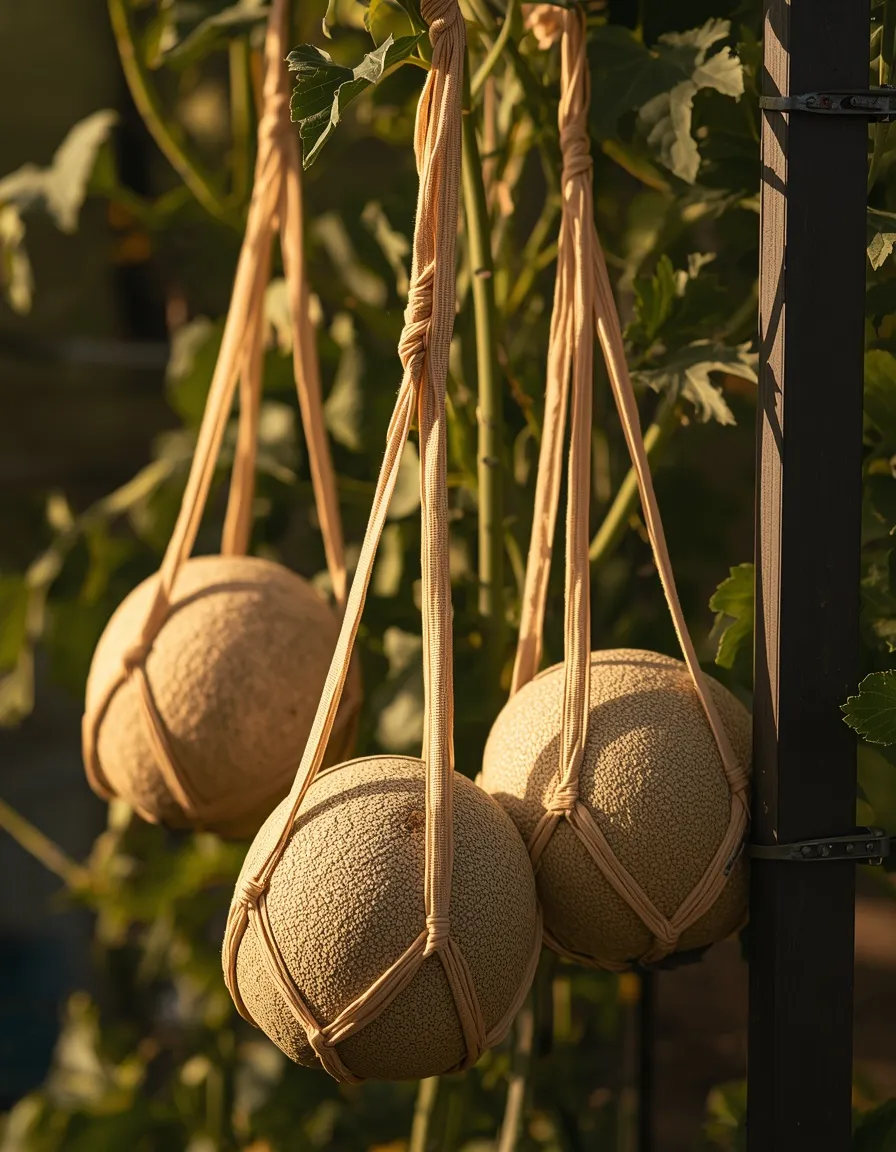
7. Melons Trained Vertically with Slings
A trellis strung with individual fabric slings cradling developing cantaloupe or small watermelon turns a notoriously space-hungry crop into a genuinely vertical, space-saving option for a summer vegetable garden.
Train the vine up a sturdy trellis or cattle panel from an early stage, and as fruit begins to develop, support each melon in its own sling made from mesh produce bags, old pantyhose, or purpose-made fabric netting tied securely to the trellis structure, since the vine alone can’t support the weight of a maturing melon without the fruit tearing free and dropping. Choose smaller-fruited varieties, like most cantaloupe types or compact watermelon cultivars, for trellising, since larger watermelon varieties become genuinely difficult to support safely overhead even with slings. This technique works particularly well for anyone with limited ground space who still wants melons in the mix.
- Turns a space-hungry crop into a genuinely vertical, space-saving option
- Individual fruit slings are necessary to prevent heavy fruit from tearing off the vine
- Smaller-fruited varieties are considerably safer and more practical to trellis than large watermelons
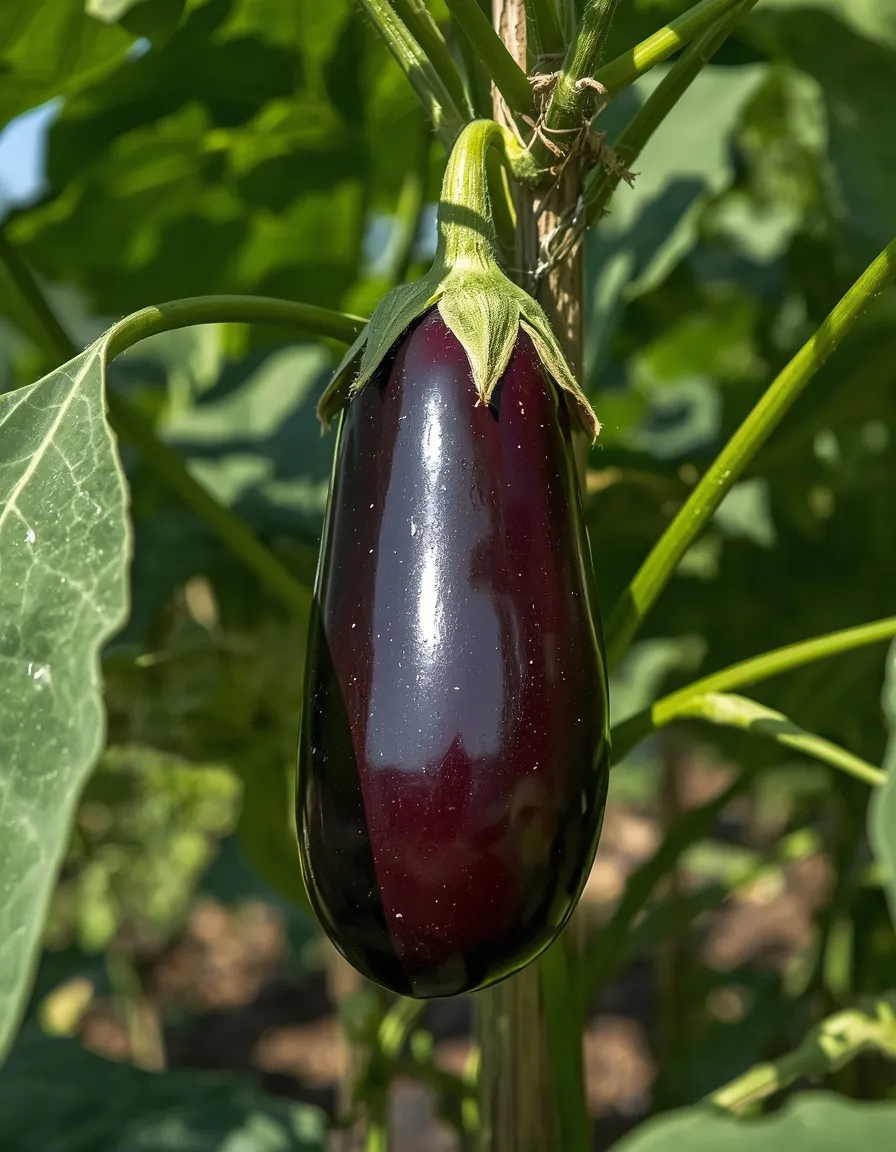
8. Eggplant for Warm-Season Structure
Eggplant’s glossy purple fruit hanging among broad leaves brings genuine structural presence to a summer vegetable garden bed, standing taller and bushier than most other fruiting summer crops.
Space plants 18 to 24 inches (45 to 60 cm) apart in the warmest, sunniest spot available, since eggplant is genuinely more heat-loving than tomatoes or peppers and struggles in anything less than consistent warmth. Stake plants once they’re loaded with fruit, since the combination of a woody stem and heavy fruit makes eggplant prone to snapping in summer storms without support. Harvest fruit while the skin is still glossy and taut, testing readiness with a light thumb press, dull or wrinkled skin signals the fruit has gone past its prime and developed a bitter, seedy interior.
- Genuinely more heat-loving than tomatoes or peppers, rewarding the warmest bed position
- Staking prevents the stem snapping that heavily loaded plants are prone to in storms
- A glossy, taut skin is the clearest harvest-readiness signal, more reliable than size alone
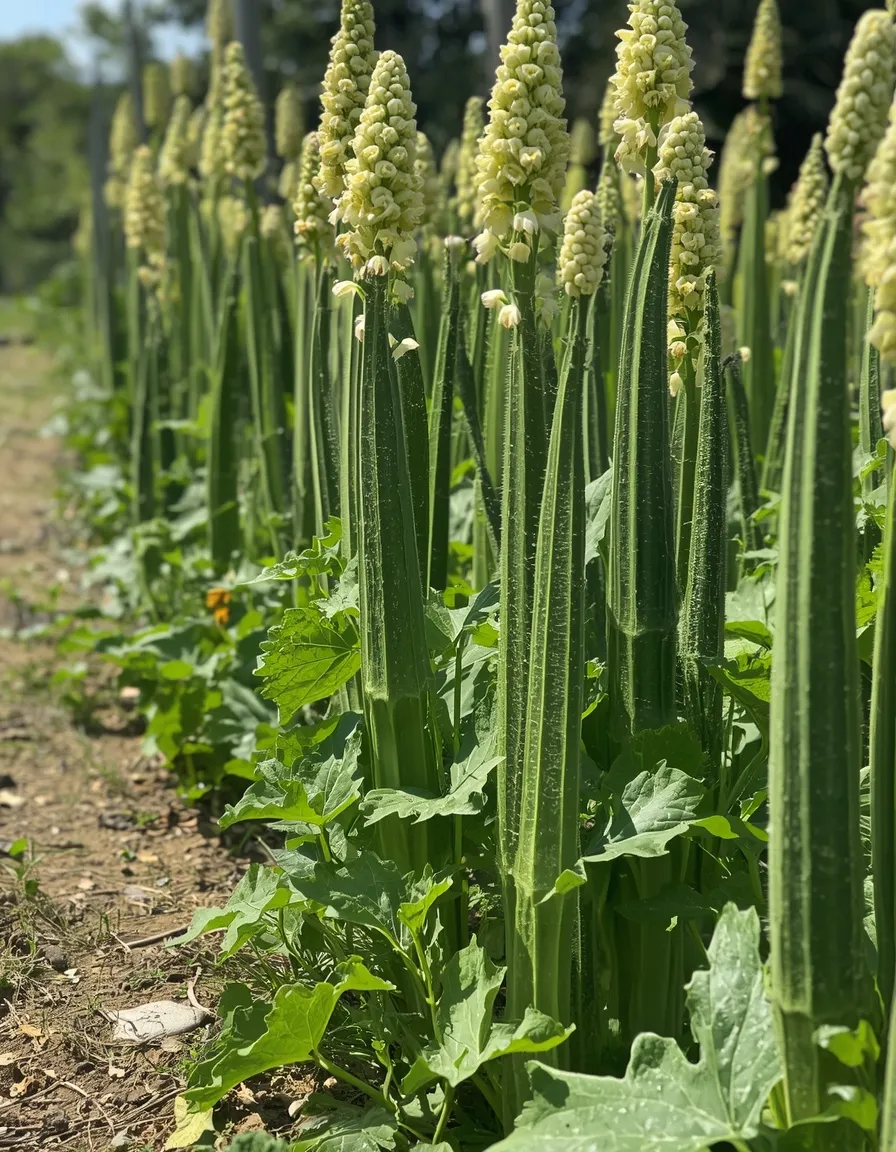
9. Okra for Extreme Heat Tolerance
Okra pods forming along a tall, upright stalk in the hottest weeks of summer make it one of the few genuinely reliable choices for climates where other summer vegetables start to struggle or stall.
Okra tolerates heat that stops tomatoes and peppers from setting fruit, making it a smart addition specifically for the hottest stretch of a long summer growing season. Harvest pods small, at 2 to 4 inches (5 to 10 cm), checking plants every day or two once production starts, since pods left even slightly too long turn woody and fibrous almost overnight in peak heat. Wear long sleeves when harvesting, since okra’s stems and leaves have fine spines that irritate skin on contact for many people, a small but genuinely useful practical tip most guides skip.
- One of the most heat-tolerant summer vegetables, thriving when others stall
- Needs near-daily harvesting at a small size to avoid woody, fibrous pods
- Fine spines on stems and leaves can irritate skin, so long sleeves are worth wearing
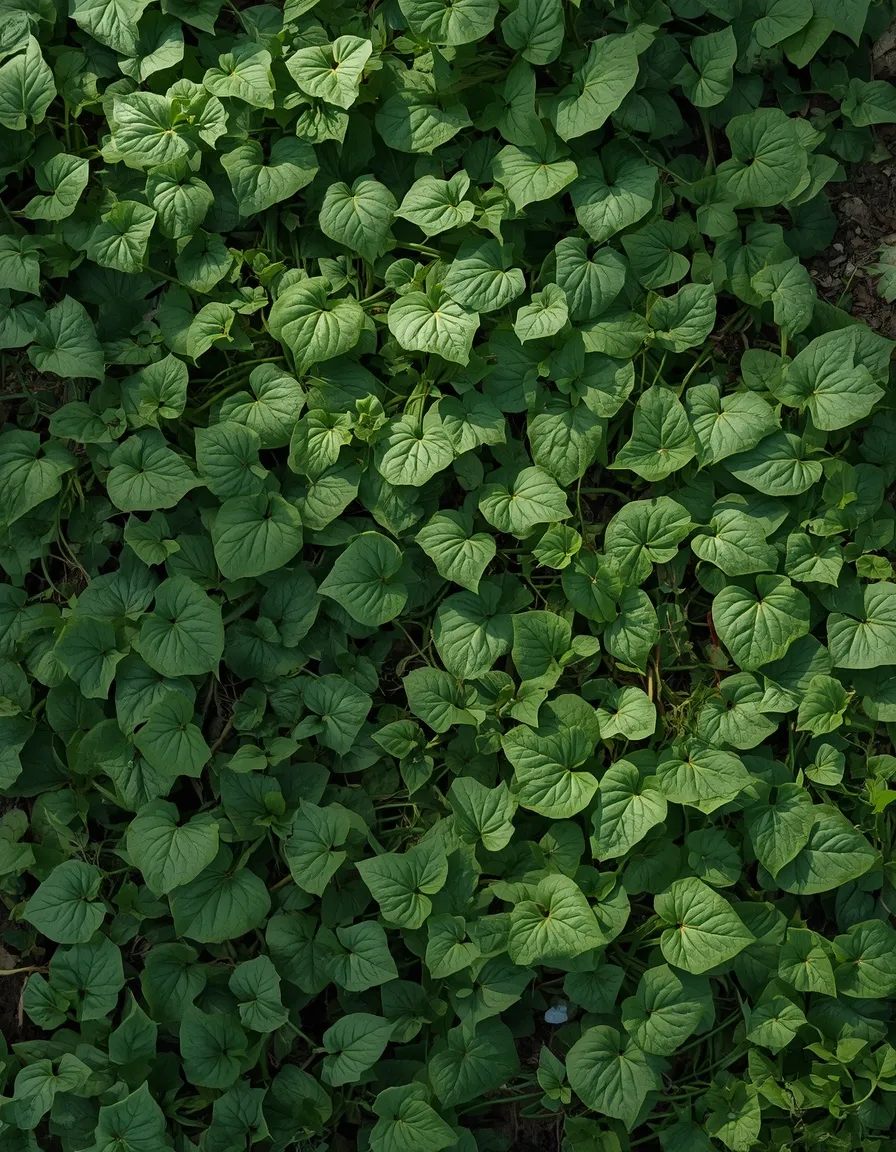
10. Sweet Potatoes as Living Groundcover
Sweet potato vines spreading thickly across open soil do double duty in a summer vegetable garden, producing a genuine harvest underground while functioning as living mulch that shades out weeds above.
Plant rooted slips rather than seed, spacing them 12 to 18 inches (30 to 45 cm) apart in loose, well-draining soil, since compacted or heavy clay soil produces misshapen, stunted tubers. Give the sprawling vines room to spread, roughly 3 feet (90 cm) in every direction, or let them trail over the edge of a raised bed if space is genuinely tight. This is a long-season crop, typically needing 90 to 120 frost-free days, so it suits climates with a long, hot summer better than short-season regions, and harvest should wait until the vines begin yellowing in early fall as a signal the tubers have finished bulking up.
- Functions as living mulch, suppressing weeds while producing an underground harvest
- Needs a genuinely long, warm growing season of 90 to 120 frost-free days
- Loose, well-draining soil is essential for well-formed, unstunted tubers
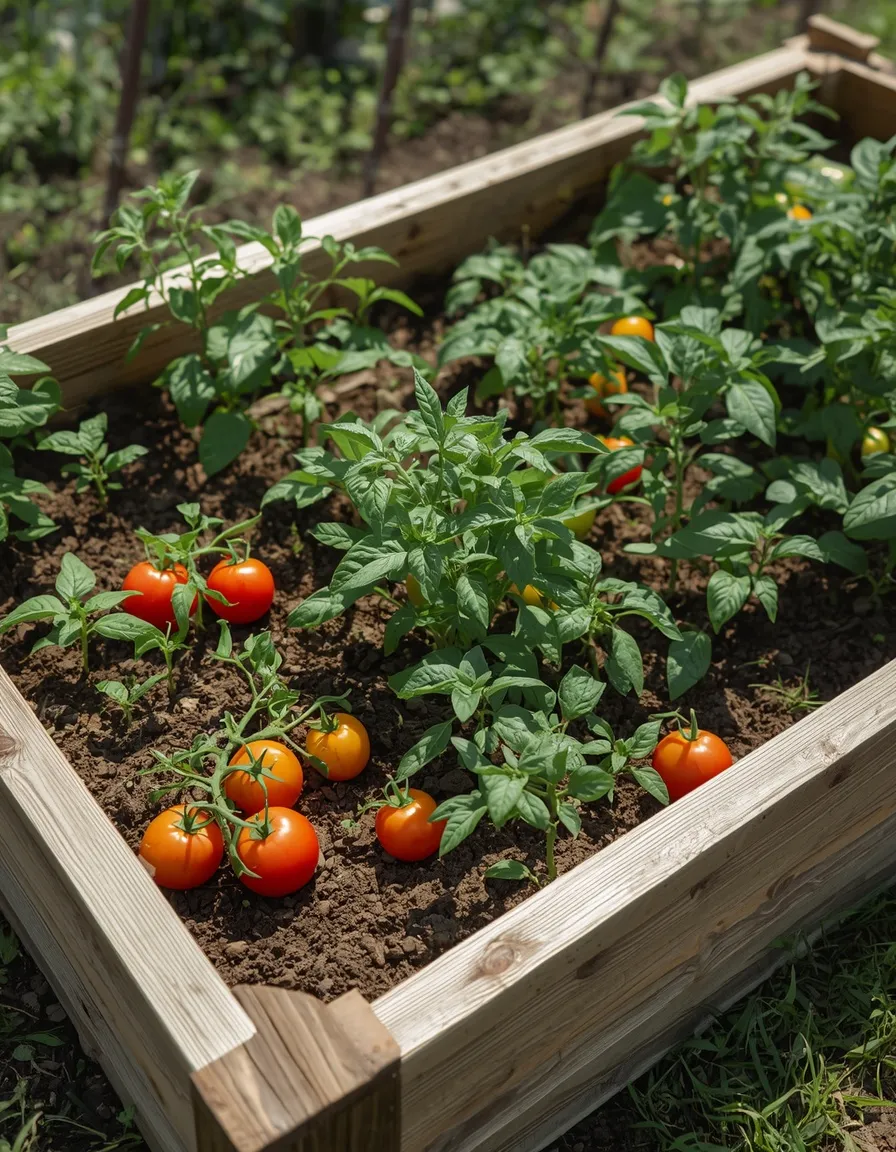
11. Raised Bed Layout for Summer Crops
A raised bed filled with fresh, well-draining soil warms up faster in spring and drains better during heavy summer rain than in-ground rows, giving heat-loving summer crops a genuine head start.
Build beds no wider than 4 feet (1.2 m) so every plant can be reached from the side without stepping into the growing area and compacting the soil, and orient rows within the bed north to south where possible, so taller crops like staked tomatoes or a corn block don’t shade shorter companions for most of the day. Fill with a mix of quality topsoil and compost rather than straight garden soil, since raised beds drain faster and benefit from the added organic matter and water retention compost provides. A useful layout variation is placing the tallest crops, corn, staked tomatoes, trellised cucumbers, along the bed’s north edge specifically to avoid shading everything planted south of them.
- Warms up faster in spring and drains better during heavy summer rain than ground-level rows
- A 4 foot (1.2 m) maximum width keeps every plant reachable without compacting soil
- Positioning tall crops on the north edge prevents them from shading shorter companions
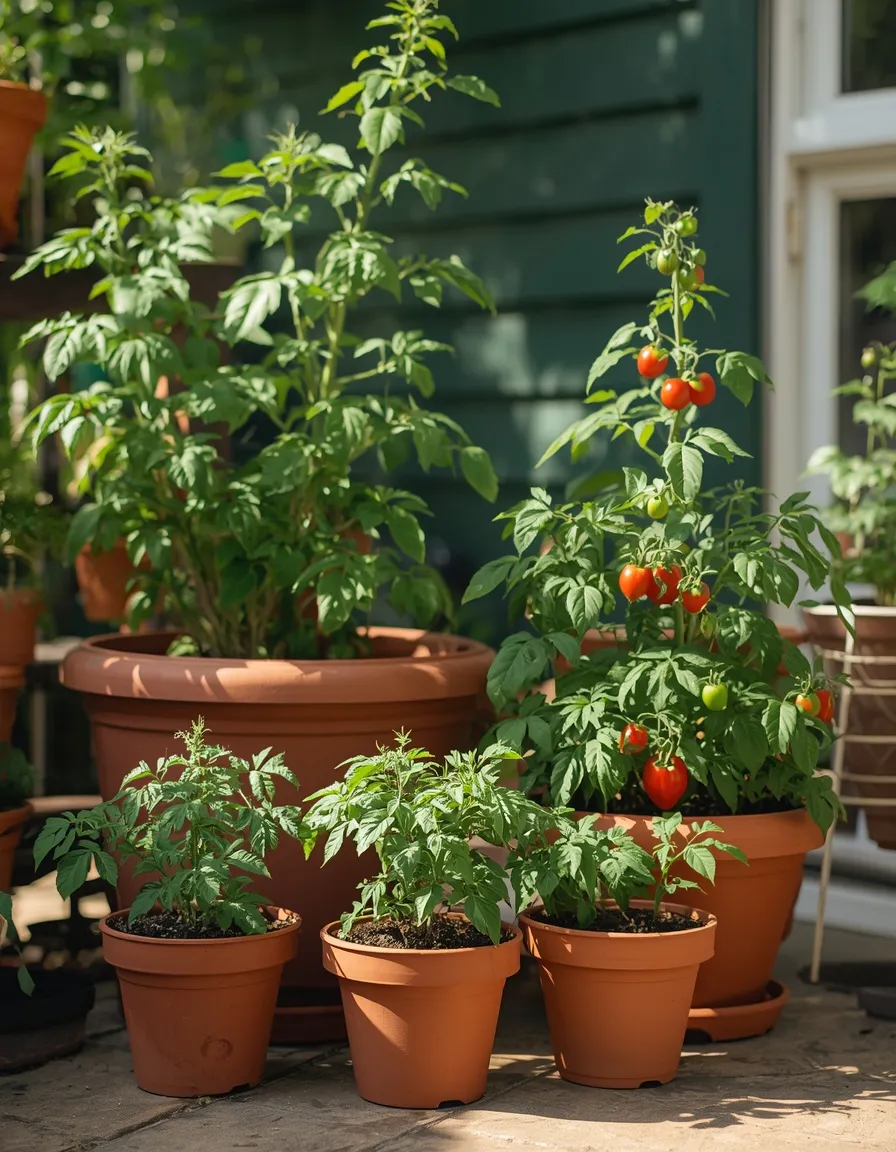
12. Container and Patio Vegetable Setup
A cluster of large containers on a sunny patio brings real summer vegetable production to renters, apartment dwellers, and anyone without in-ground garden space at all.
Match container size genuinely to the crop: compact bush varieties of tomatoes and peppers do well in 5-gallon (19 L) containers, while vining crops like cucumbers or pole beans need at least a half whiskey barrel-sized container, roughly 15 gallons (57 L), to support a full root system through summer heat. Containers dry out considerably faster than in-ground soil, often needing daily watering in peak summer heat rather than the twice-weekly schedule in-ground beds might tolerate, so a self-watering container or a simple drip line on a timer removes a lot of the guesswork. Choose lighter-colored containers over dark ones where possible, since dark containers absorb heat and can cook plant roots on the hottest patio days.
- Makes real summer vegetable production possible without any in-ground garden space
- Needs considerably more frequent watering than in-ground beds due to faster drying
- Lighter-colored containers avoid the root-cooking heat buildup dark containers absorb
13. Vertical Trellising to Save Ground Space
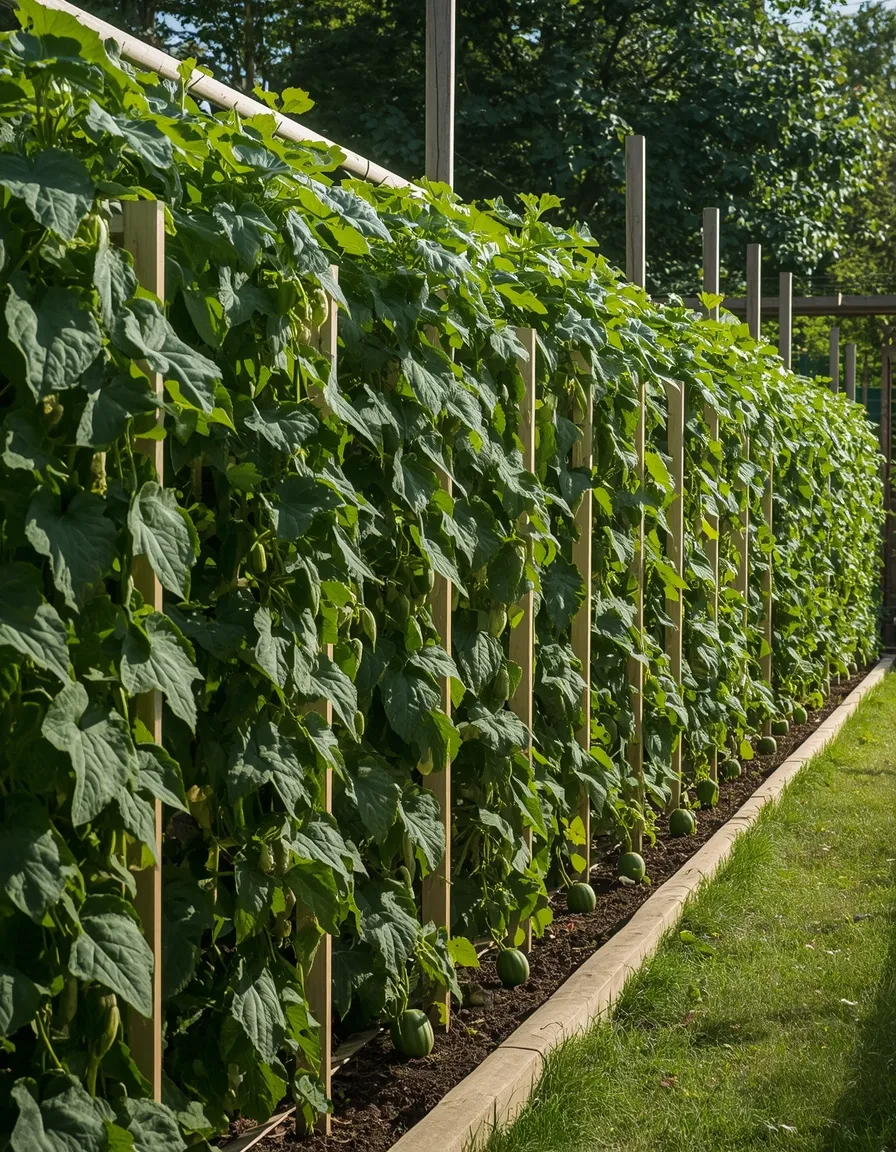
A wall of trellised vines, cucumbers, beans, and small melons all climbing rather than sprawling, can roughly double the productive growing area of a modest summer vegetable garden without adding an inch of footprint.
Position trellises along the north or east edge of a bed so their shadow falls outside the growing area for most of the day rather than across shorter companion plants. Cattle panels bent into an arch make a sturdy, reusable trellis structure that handles heavier vines like melons and squash better than lightweight netting, which sags or tears under real fruit weight by midsummer. Reassess trellis placement each season rather than assuming last year’s layout still makes sense, since a garden’s sun pattern shifts subtly as nearby trees, structures, or the bed’s own crop choices change year to year.
- Can roughly double productive growing area without expanding the garden’s footprint
- Sturdy structures like cattle panel arches handle real fruit weight better than lightweight netting
- North or east placement prevents trellised crops from shading shorter companions
14. Succession Planting Quick Summer Greens
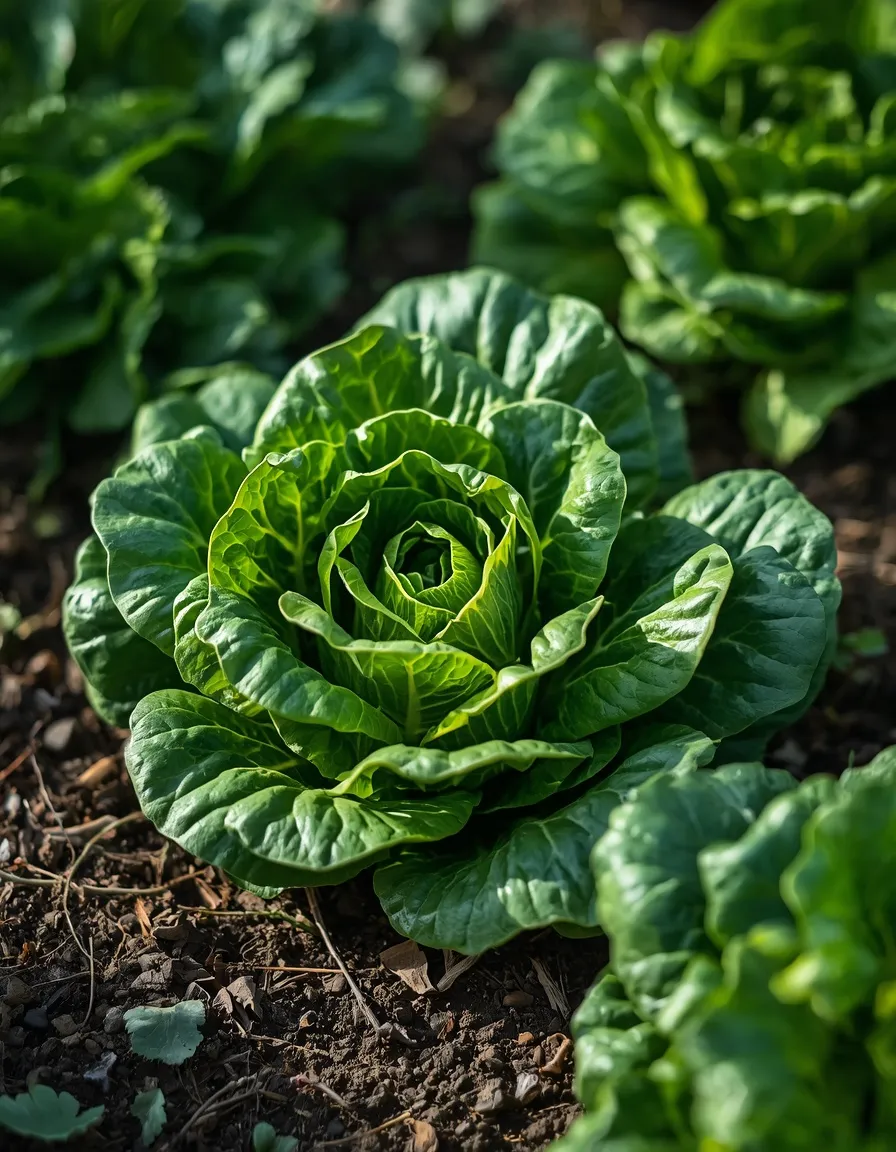
A small block of fast-maturing greens, resown every two to three weeks through summer, keeps fresh harvest coming even in the months when heat-loving fruiting crops are still weeks from their first picking.
Choose genuinely heat-tolerant greens for summer succession sowing, like heat-resistant lettuce varieties, Swiss chard, or Malabar spinach, rather than cool-season greens that bolt to seed almost immediately in summer heat. Sow a new small patch, just what will realistically be eaten in a couple of weeks, every 2 to 3 weeks rather than one large planting, so mature harvest-ready plants are always staggered rather than all bolting or being harvested at once. Provide light afternoon shade for summer greens where possible, since even heat-tolerant varieties benefit from relief during the most intense midday sun, which slows bolting considerably.
- Keeps fresh harvest available continuously rather than in one large, short-lived flush
- Heat-tolerant varieties specifically resist the bolting that ends cool-season greens quickly
- Light afternoon shade meaningfully slows bolting even in genuinely heat-tolerant varieties
15. Companion Planting for Pest Control and Pollinators
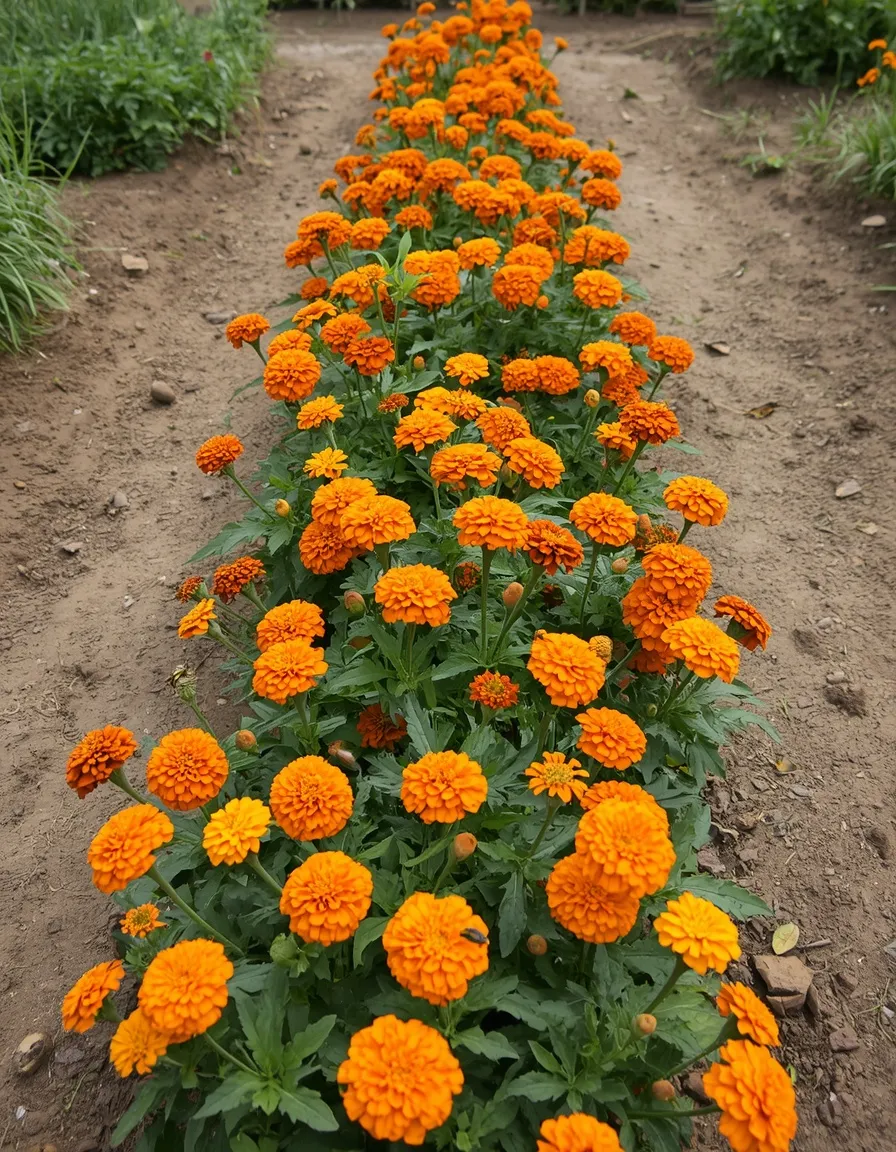
Marigolds, nasturtiums, and borage tucked between vegetable rows do real functional work in a summer vegetable garden, deterring specific pests and drawing in the pollinators fruiting crops depend on.
Marigolds planted around tomatoes and squash are widely used to help deter nematodes in the soil and some above-ground pests, though the effect is more modest than folklore sometimes suggests, plant them as one layer of protection rather than the only one. Nasturtiums work well as a genuine trap crop for aphids, drawing them away from more valuable vegetables, and can simply be removed and composted once heavily infested rather than treated. Borage and other bee-attracting flowers planted near squash, melons, and cucumbers meaningfully improve pollination rates for these insect-pollinated crops, which directly affects total fruit yield.
- Marigolds and nasturtiums offer modest, genuine pest deterrence as one layer of protection
- Nasturtiums function as an effective aphid trap crop that can be removed once infested
- Pollinator-attracting flowers directly improve fruit set on insect-pollinated summer crops
16. Deep Mulching to Retain Summer Moisture
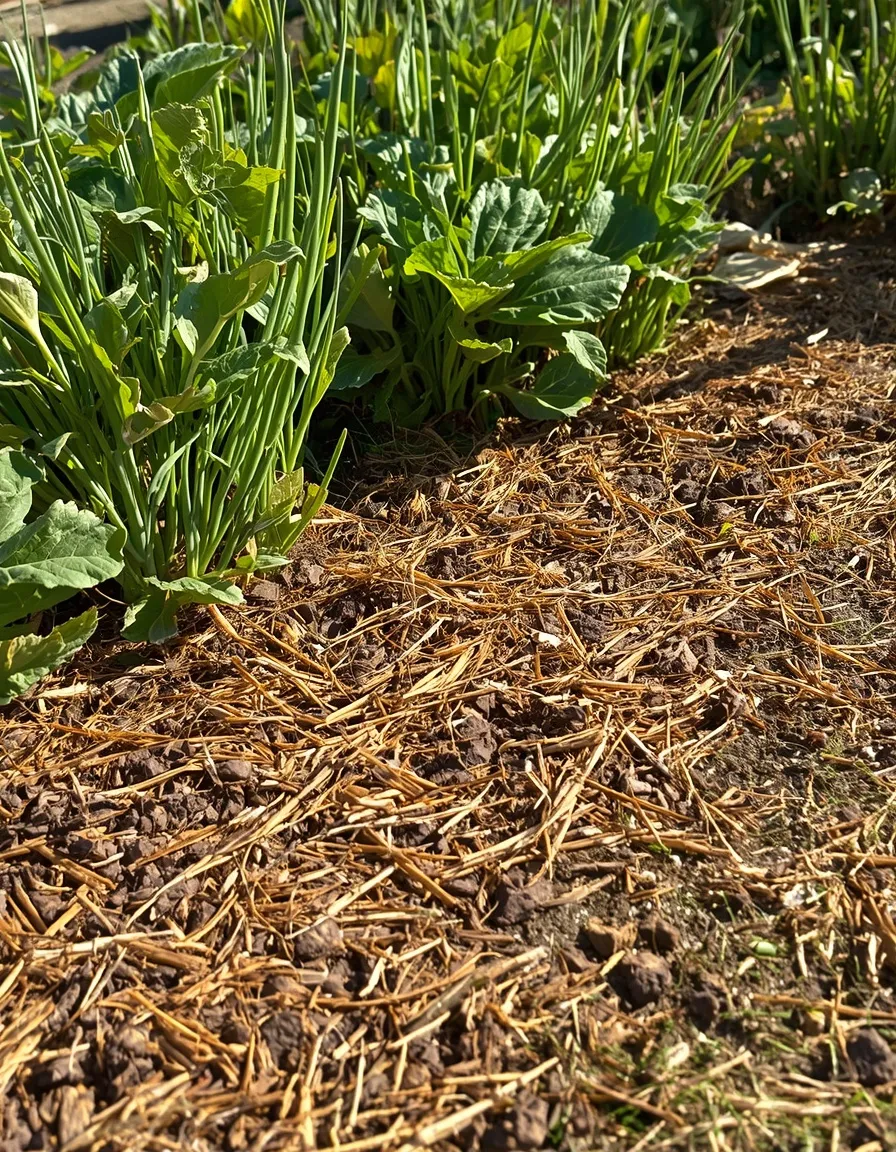
A thick layer of straw or shredded leaf mulch spread across bare soil between plants does more to keep a summer vegetable garden alive through a heat wave than almost any other single practice.
Apply mulch 2 to 3 inches (5 to 7.5 cm) deep once soil has warmed in late spring, keeping it pulled back a few inches from plant stems to avoid trapping moisture against them and inviting rot. Straw, shredded leaves, and untreated grass clippings all work well and break down into the soil by the following season, while mulch this deep can reduce water evaporation from soil enough to meaningfully cut watering frequency during peak summer heat. This same moisture-retention logic runs through Sunday Abode’s low maintenance landscaping ideas, where mulching plays a similarly central role in reducing ongoing upkeep.
- Meaningfully reduces watering frequency by cutting soil moisture evaporation
- Keeping mulch pulled back from stems prevents the rot damp mulch against a stem can cause
- Breaks down into the soil over a season, improving structure for the following year
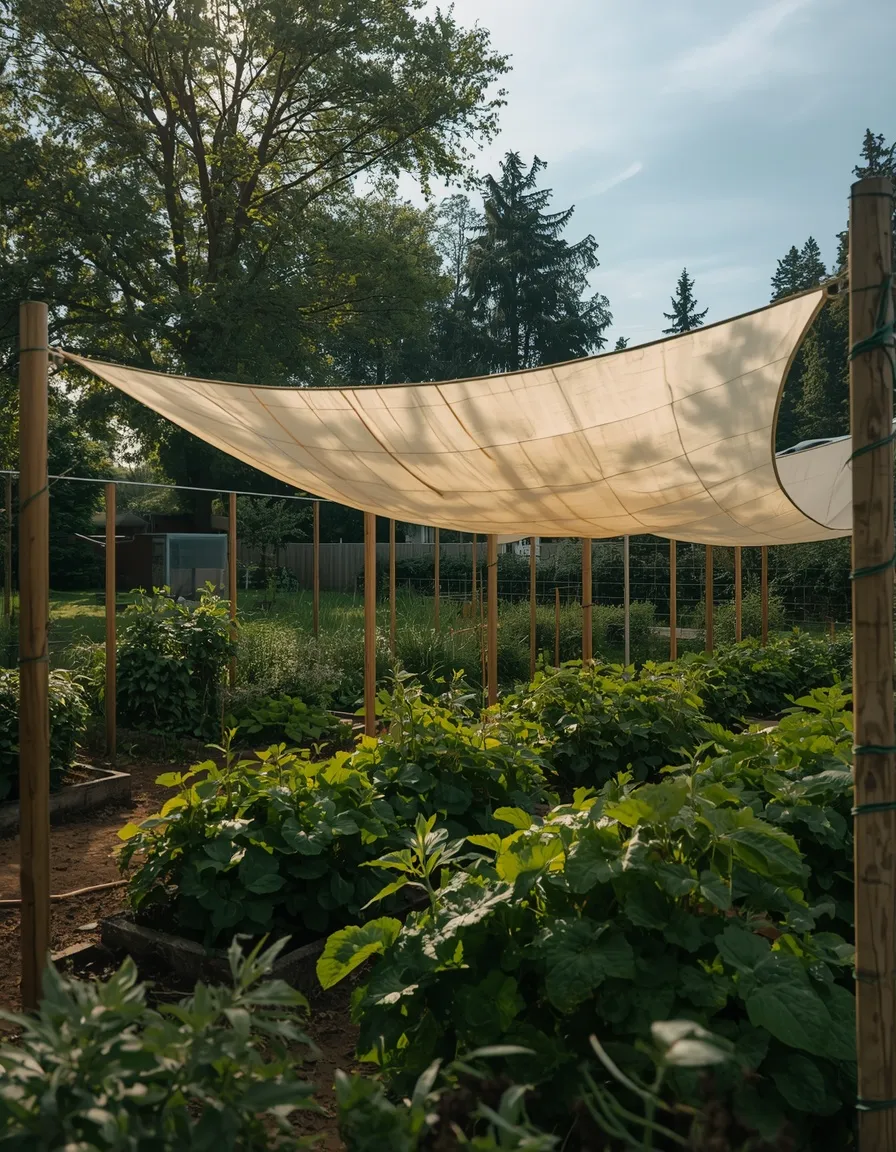
17. Shade Cloth for Extreme Heat Protection
A length of shade cloth strung over a frame above the most heat-sensitive summer crops prevents the blossom drop and sunscald that turn an otherwise thriving plant unproductive during an extreme heat wave.
Sustained temperatures above roughly 90°F (32°C) cause many tomatoes and peppers to drop their blossoms before fruit can even set, a genuinely common cause of a mid-summer production slump that has nothing to do with watering or fertilizing. A 30 to 40 percent shade cloth, which blocks that percentage of direct sunlight while still allowing enough light through for normal growth, is the right density for most vegetable crops during heat waves, denser cloth genuinely reduces yield by cutting too much light. Install it removably, on hoops or a simple frame that can go up during a forecast heat wave and come down once temperatures moderate, rather than leaving it in place all season, since most summer vegetables still want full sun the rest of the time.
- Prevents the blossom drop that causes production slumps during extreme heat waves
- 30 to 40 percent shade cloth density suits most vegetables without cutting needed light
- Best used removably during specific heat waves rather than left up for the full season
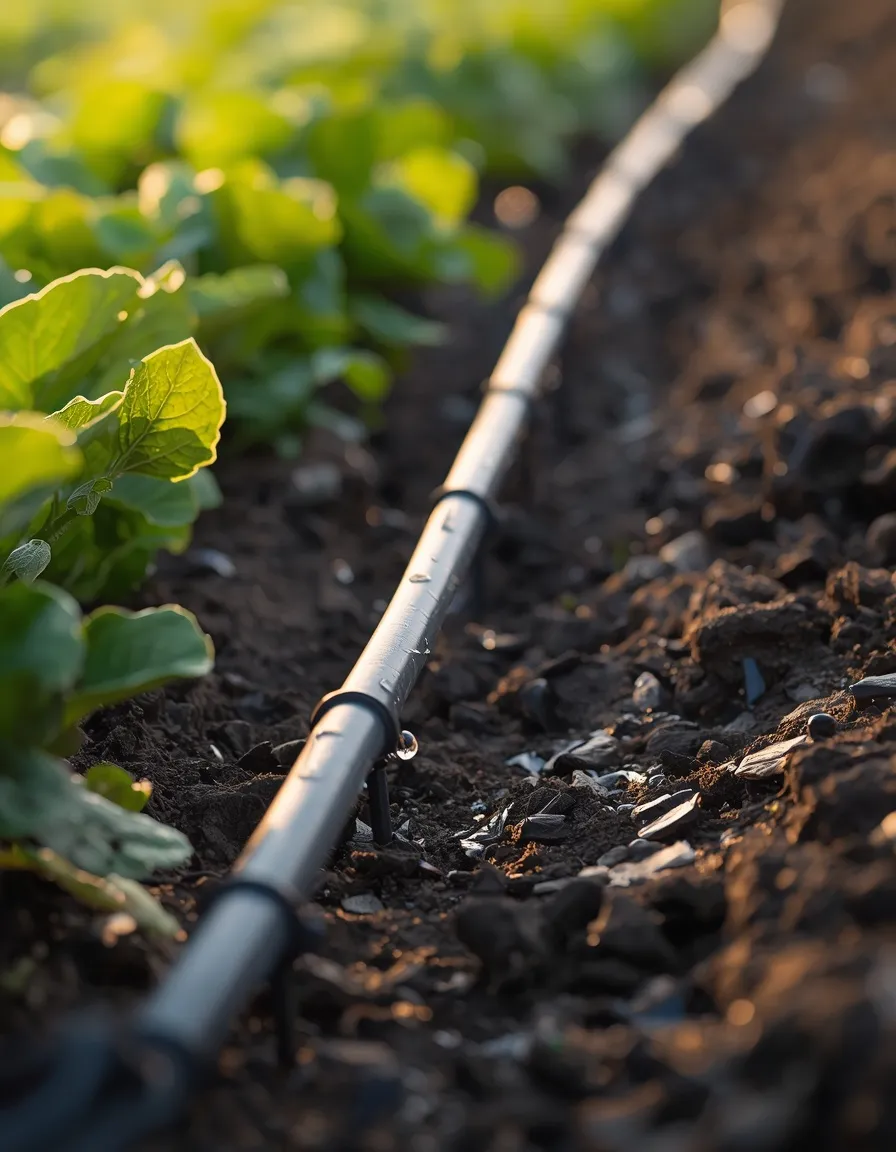
18. Drip Irrigation for Consistent Watering
A simple drip irrigation line snaking along the base of each plant delivers the steady, consistent moisture summer vegetables need at the root zone, without wetting the foliage the way overhead sprinklers do.
Inconsistent watering, not just insufficient watering, is directly responsible for problems like blossom end rot in tomatoes and bitter cucumbers, both caused by the plant experiencing alternating drought and flood conditions rather than steady moisture. A basic drip line connected to an inexpensive mechanical timer removes the human error factor entirely, watering on a consistent schedule even during a busy week or a short trip away from home. Keeping foliage dry also meaningfully reduces the fungal diseases, like powdery mildew and various blights, that thrive on wet leaves during humid summer nights.
- Delivers the steady, consistent moisture that prevents blossom end rot and bitter fruit
- A timer removes human error from watering consistency during busy weeks
- Keeping foliage dry meaningfully reduces fungal disease pressure in humid summer conditions
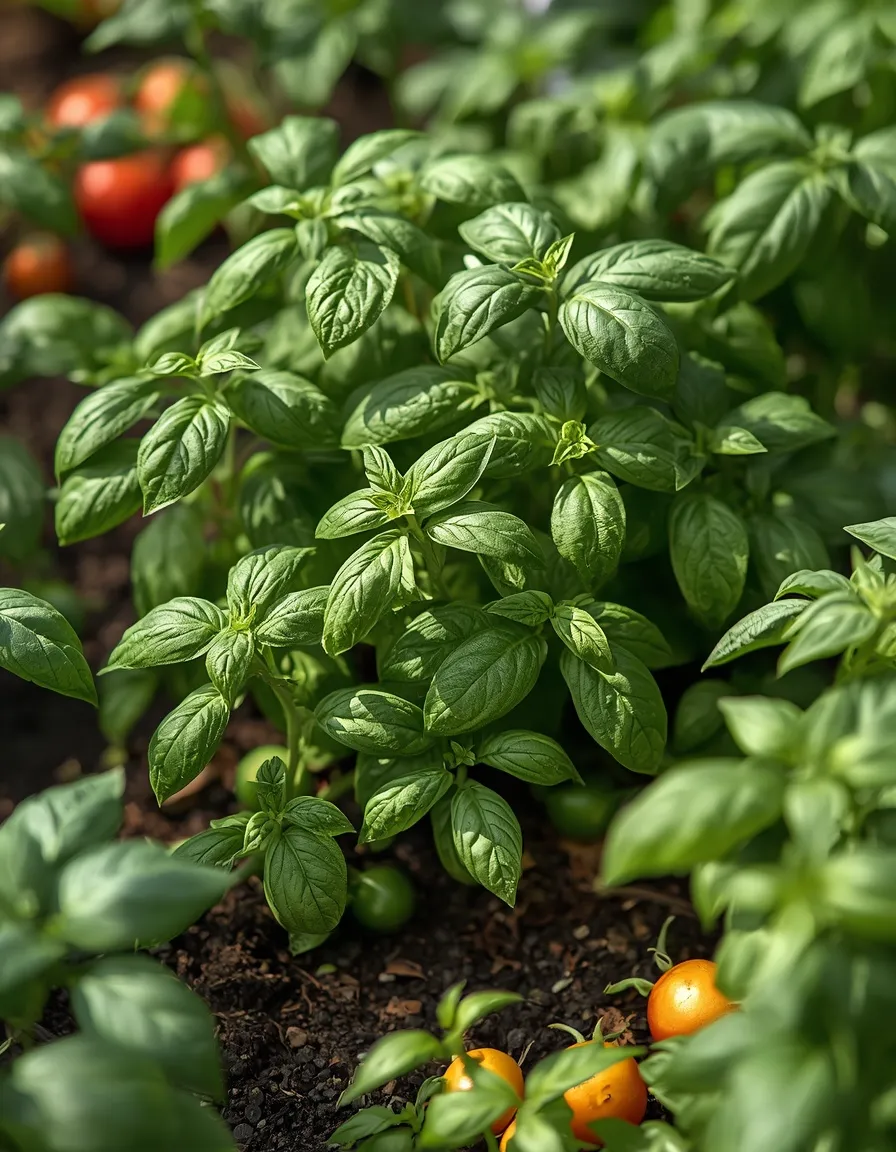
19. Herb Interplanting Around Vegetable Beds
Basil tucked between tomato plants, dill near cucumbers, and low-growing thyme edging a bed’s border put otherwise wasted space to work while genuinely complementing the vegetables growing alongside them.
Basil and tomatoes are a particularly well-matched pairing, both thriving in the same full-sun, consistent-moisture conditions, and basil’s strong scent is commonly used to help confuse pests looking for tomato plants by smell. Dill attracts beneficial predatory insects, like parasitic wasps, that help control caterpillar pests on brassicas and other crops nearby, though it should be kept somewhat separate from fennel, since the two can cross-pollinate and affect seed saving. Low, spreading herbs like thyme or oregano work well tucked along a bed’s border edge, filling ground space that would otherwise just need weeding without competing meaningfully with taller vegetables for light or root space.
- Puts otherwise wasted border and gap space to productive, complementary use
- Basil paired with tomatoes is one of the most well-matched, mutually beneficial pairings
- Dill draws beneficial predatory insects that help control caterpillar pests nearby
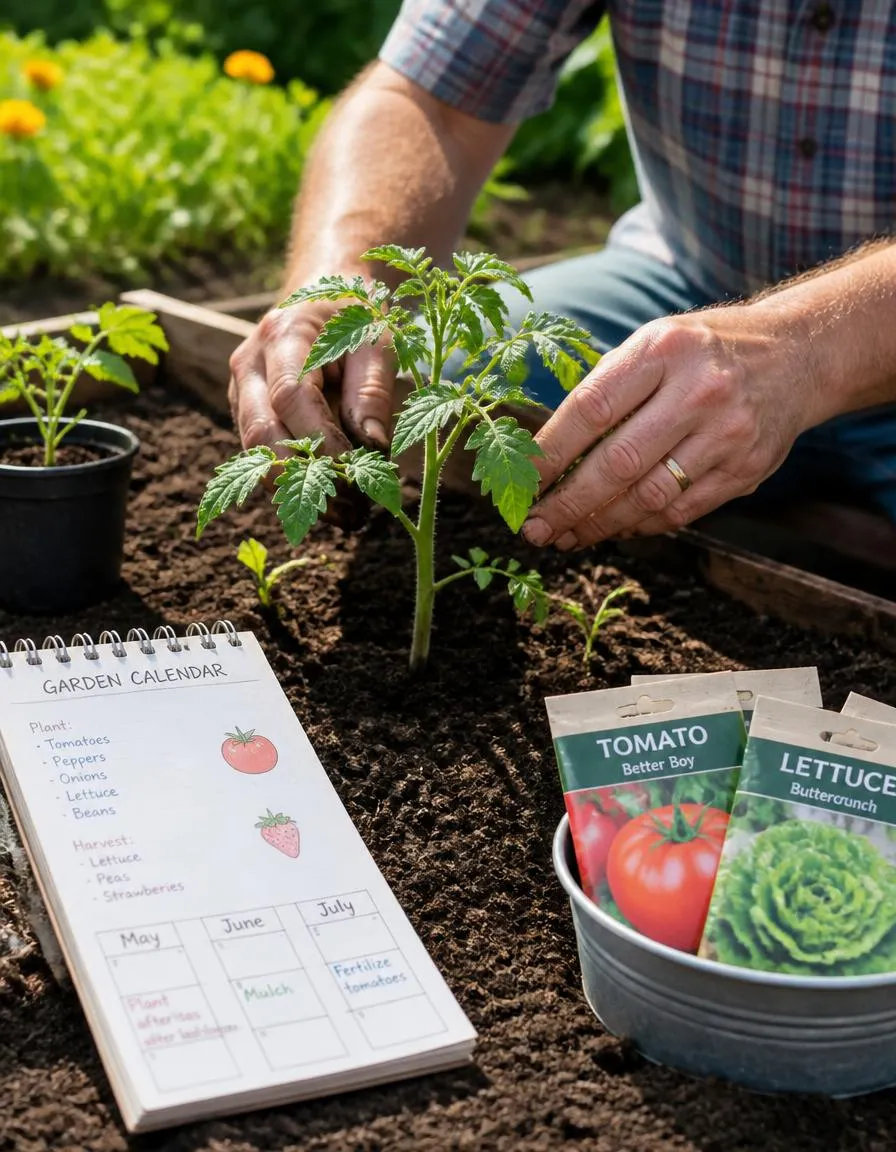
20. Timing Your Summer Garden by Zone
Getting the timing right, not just the crop selection, is what separates a genuinely productive summer vegetable garden from one that struggles through a season working against its own climate.
Identify the local average last frost date first, since it anchors every other summer planting decision; in a zone 7 climate, for example, that typically falls in mid to late April, meaning heat-loving crops like tomatoes, peppers, and squash generally shouldn’t go into the ground until a week or two after that date, once nighttime soil temperatures reliably stay above 60°F (15°C). Colder zones need to rely more heavily on nursery transplants rather than direct-sown seed to compress a shorter effective summer into a productive season, while warmer zones with longer summers have more flexibility to direct-sow and even fit in a second succession planting of quick crops like beans or squash later in the season. Checking a regional frost date calendar specific to the actual growing area, rather than assuming a date from a different climate, prevents the single most common summer vegetable garden timing mistake.
- Local last frost date, not the calendar month alone, should anchor every planting decision
- Colder zones benefit more from nursery transplants to compress a shorter effective summer
- Checking a regional frost date calendar prevents the most common timing mistake
21. Southern Hemisphere Summer Timing
A summer vegetable garden in Australia, South Africa, or southern South America runs on an entirely different calendar than the Northern Hemisphere guides most gardening content defaults to, and applying the wrong seasonal timing is a genuinely common and avoidable mistake.
Southern Hemisphere summer runs roughly December through February, meaning the planting window for heat-loving crops like tomatoes, corn, and squash generally falls in October and November, several months offset from the April and May planting typical in the Northern Hemisphere. All the crop selection, spacing, and care guidance covered throughout this guide applies identically regardless of hemisphere, only the calendar months shift, so a Melbourne or Cape Town gardener should mentally translate any Northern Hemisphere planting date roughly six months forward rather than assuming the specific months mentioned apply directly. Local extension services and gardening organizations specific to the actual region remain the most reliable source for precise local frost dates and timing, since even within the Southern Hemisphere, climate varies enormously between, for example, tropical northern Australia and temperate Tasmania.
- Southern Hemisphere summer runs roughly December through February, not June through August
- All crop and care guidance applies identically, only the calendar months shift by about six months
- Local, region-specific resources remain more reliable than translating Northern Hemisphere dates directly
Conclusion
A productive summer vegetable garden comes down to a handful of decisions made early: the right crops for the actual climate, a layout that uses vertical space instead of just ground space, and a watering and mulching routine that holds up through the hottest stretch of the season. Start with two or three of the ideas here that genuinely fit the available space and skill level rather than attempting all twenty-one at once, a well-tended trellis of cucumbers and a single productive tomato plant beats an overcrowded bed of neglected seedlings every time.
For more layout and design inspiration, Sunday Abode’s garden design ideas cover plenty of complementary approaches. Plant for the actual season ahead, water consistently, and let the harvest build through summer.
FAQs
What vegetables grow best in a summer vegetable garden?
Heat-loving fruiting crops like tomatoes, peppers, zucchini, cucumbers, and eggplant form the core of most summer vegetable gardens, along with beans, corn, and melons for anyone with more space. Okra and sweet potatoes are worth adding specifically for climates with genuinely extreme, sustained summer heat, since both tolerate conditions that stall other crops.
How do I lay out a summer vegetable garden for the most space?
Vertical trellising for cucumbers, beans, and even smaller melons can roughly double productive growing area without expanding a garden’s actual footprint. Positioning taller trellised or staked crops on the north or east edge of a bed, and using raised beds no wider than 4 feet (1.2 m), keeps every plant accessible and prevents tall crops from shading shorter companions.
When should I plant a summer vegetable garden?
Timing should be based on the local average last frost date rather than a fixed calendar month, since heat-loving crops generally shouldn’t go into the ground until a week or two after that date, once nighttime soil temperatures reliably stay above 60°F (15°C). Colder zones benefit from starting with nursery transplants rather than direct-sown seed to make the most of a shorter effective summer.
Is summer vegetable garden timing different in Australia and the Southern Hemisphere?
Yes, significantly: Southern Hemisphere summer runs roughly December through February, so the planting window for heat-loving crops generally falls in October and November rather than the April and May timing typical in the Northern Hemisphere. All the same crop selection and care guidance applies, only the calendar months shift by about six months.
How often should I water a summer vegetable garden?
Most summer vegetables need roughly 1 to 1.5 inches (2.5 to 4 cm) of water weekly, delivered consistently rather than in occasional heavy soakings, since inconsistent watering directly causes problems like blossom end rot in tomatoes and bitter cucumbers. A drip irrigation line on a timer removes much of the guesswork and also keeps foliage dry, reducing fungal disease pressure.
Can I grow a summer vegetable garden in containers or pots?
Yes, compact bush varieties of tomatoes and peppers do well in 5-gallon (19 L) containers, while vining crops like cucumbers need at least a 15-gallon (57 L) container to support a full root system. Containers dry out considerably faster than in-ground soil, so daily watering during peak summer heat is often necessary rather than optional.
Why are my tomatoes or peppers dropping their blossoms in summer heat?
Sustained temperatures above roughly 90°F (32°C) commonly cause tomatoes and peppers to drop their blossoms before fruit can set, a heat-stress response rather than a watering or fertilizing problem. Installing removable shade cloth at around 30 to 40 percent density during the hottest stretches can meaningfully reduce this blossom drop while still allowing enough light through for normal growth.