
Introduction
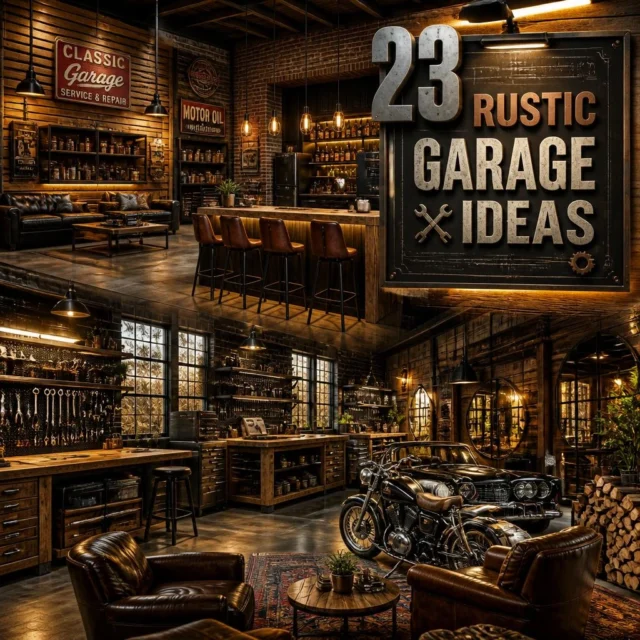
A bare, echoing garage of grey breeze block and strip lighting is a wasted opportunity, and rustic garage ideas are the warmest way to change that. Cladding a wall in reclaimed timber, hanging a barn-style door, or fitting a weathered-wood bar instantly turns a cold, purely functional space into somewhere you actually want to spend time, whether that’s a workshop, a home gym, or a proper man cave. This guide gathers 23 genuinely characterful, doable ideas spanning walls, doors, ceilings, floors, lighting, and full conversions, across every budget and skill level. You’ll get concrete styling logic, material choices, and the garage-specific safety notes, ventilation, electrics, door weight, that most inspiration roundups skip. Think of it as a complete blueprint for giving one of the most overlooked corners of your abode real rustic soul.
1. Reclaimed Wood Slat Wall
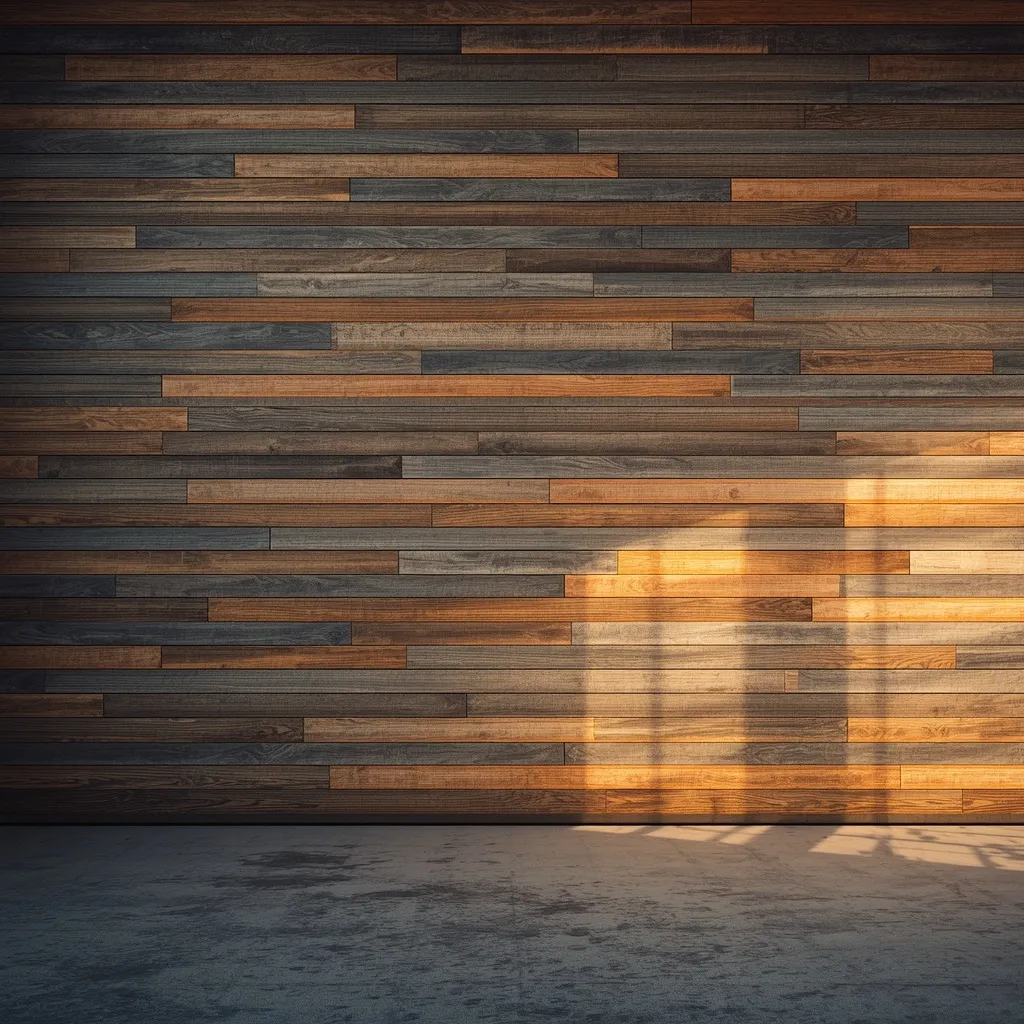
Nothing warms a garage faster than a full wall of reclaimed timber slats. Rows of weathered boards in mixed browns and greys instantly soften the hard concrete shell, creating a rich, tactile backdrop that anchors the whole rustic scheme, the single most transformative move you can make.
Run slats horizontally to widen a narrow garage or vertically to lift a low ceiling, leaving a small, even gap between boards for a crisp, modern-rustic slat effect. Safety note: always check reclaimed wood for old lead paint, woodworm, and hidden nails before mounting, and seal it; sand and treat boards, fixing into the studs or with masonry anchors on block walls. Mixing plank widths adds authentic character, while a single stain unifies mismatched salvage. This slat-wall design works as a feature behind a bar, workbench, or lounge, and it’s the foundation most rustic garage interiors are built on.
- Why it works: Adds instant warmth, texture, and a cohesive rustic backdrop.
- When to use it: As the main feature wall behind a bar, gym, or lounge.
- Solves: Cold, bare concrete or block walls with no character.
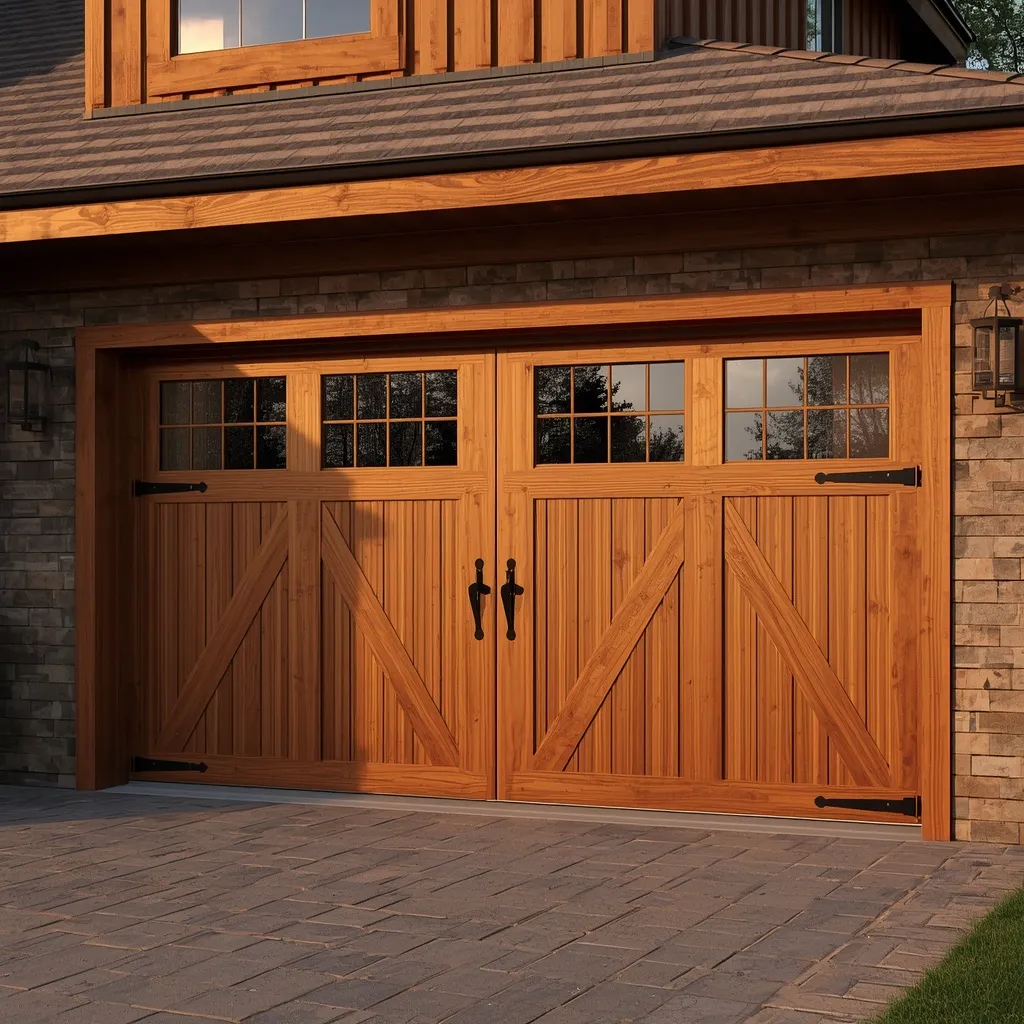
2. Rustic Wooden Garage Door
The garage door is the largest surface on your home’s façade, so a rustic wooden design makes an outsized first impression. Carriage-house doors in stained cedar or oak, complete with black strap hinges and handles, bring instant farmhouse-meets-craftsman charm to the exterior.
For authenticity without the weight and maintenance of solid timber, faux-wood doors, steel or composite with a realistic grain finish, resist warping and weathering far better in wet climates. Important safety point: if you clad an existing operational door with real timber, the added weight changes the door’s balance, and garage-door springs are under extreme tension; have a professional re-balance the springs and check the opener, as mismatched spring tension is genuinely dangerous. Black hardware against warm wood tones is the signature rustic garage door look. It lifts curb appeal and ties the garage to a country or barn-style home.
- Why it works: Transforms curb appeal with the home’s largest single surface.
- When to use it: Farmhouse, craftsman, and barn-style exteriors.
- Solves: A flat, characterless standard garage door.
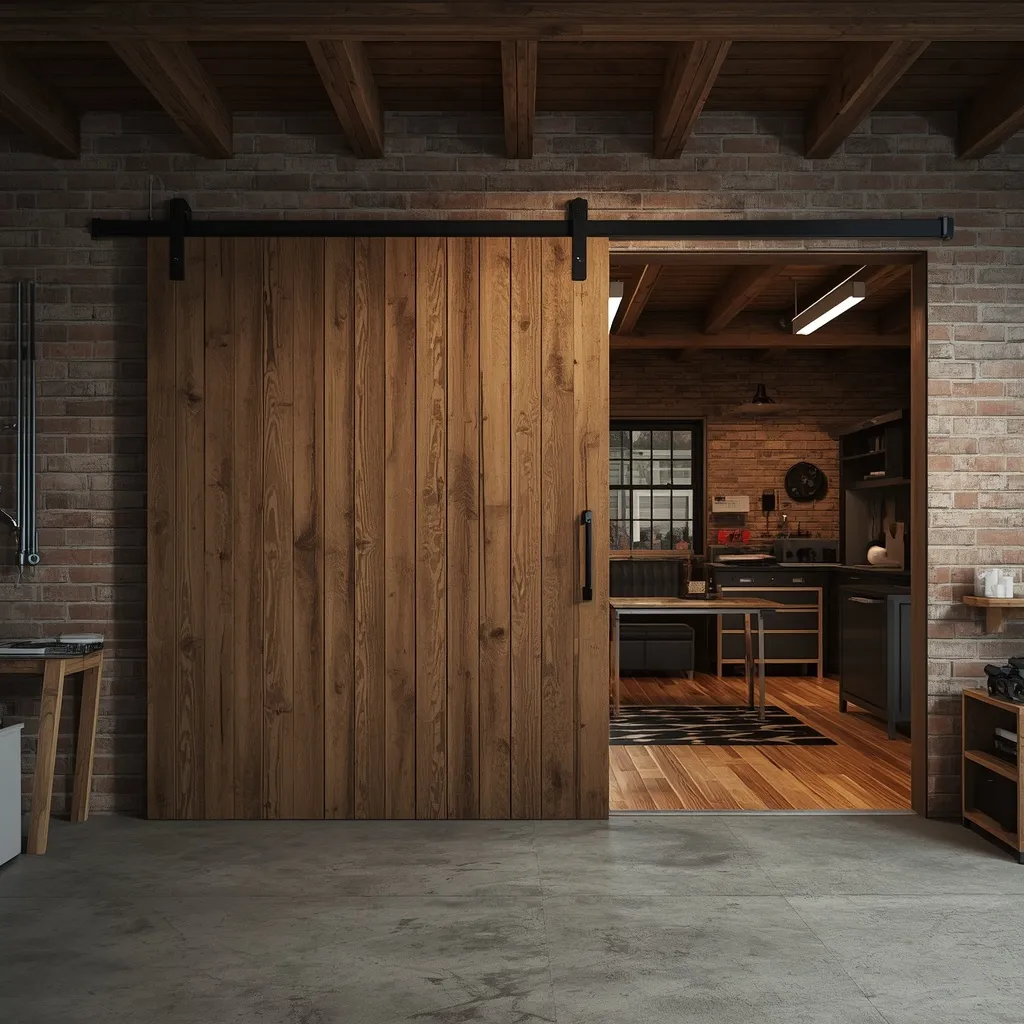
3. Barn-Style Sliding Partition
A sliding barn door on a black steel track is the definitive rustic-industrial detail, and inside a garage it earns its keep. Use one to close off a workshop from a lounge zone, hide storage, or screen a home gym, all while gliding on a fraction of the space a swing door needs.
Choose door hardware rated well above the door’s weight, and fix the track securely into solid framing or masonry so a heavy timber door can’t pull loose, a real safety consideration overhead. A plank-style door with a Z-brace and matte-black handle nails the look. Sliding doors suit garages precisely because floor space is tight and every square metre counts. Pair the same black track hardware with your lighting and shelving brackets for a pulled-together industrial-rustic scheme.
- Why it works: Divides zones and hides clutter without a door swing.
- When to use it: Zoning a multi-use garage or screening storage.
- Solves: Tight floor space and the need to separate messy and clean areas.
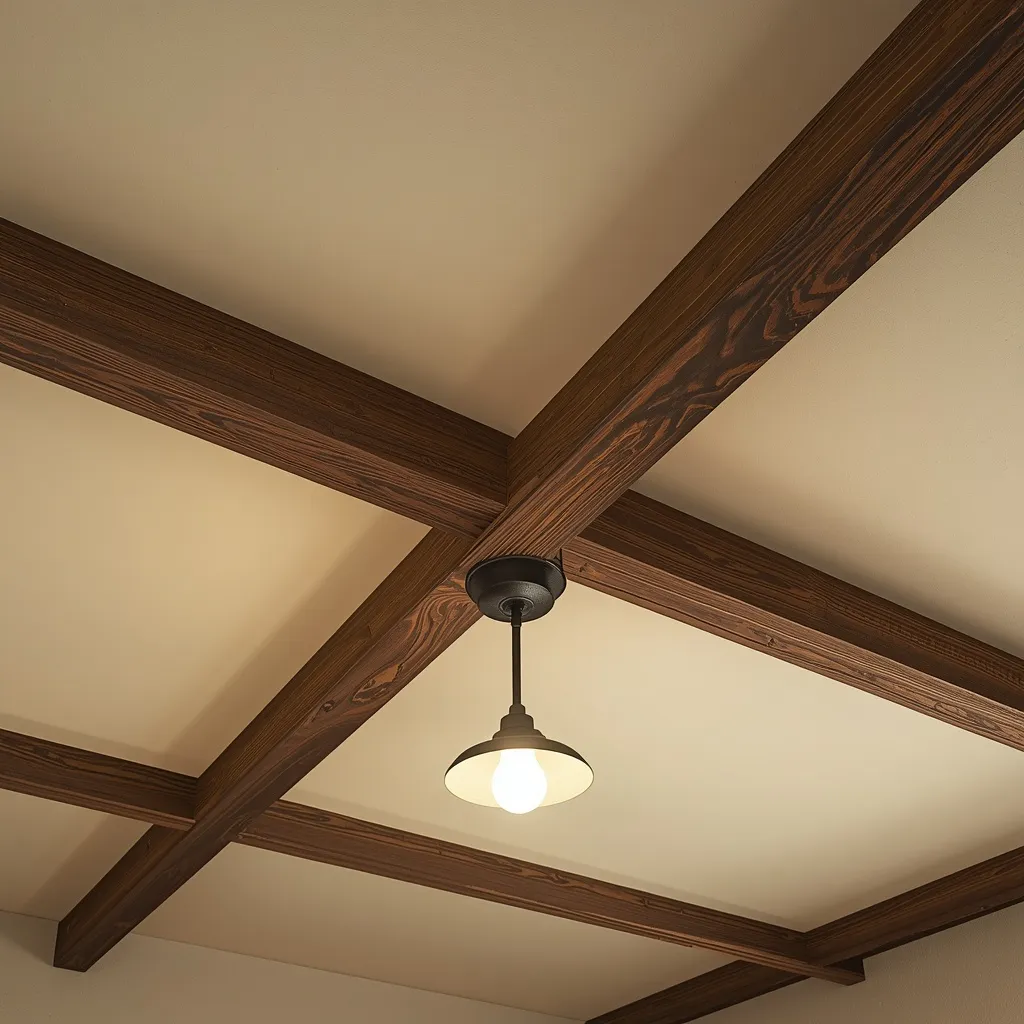
4. Exposed Beam Ceiling
Drawing the eye upward, exposed or faux wood beams give a garage ceiling instant rustic architecture. Dark-stained timber beams crossing a pale ceiling add depth and a sense of craftsmanship that plain plasterboard or bare joists never achieve.
Lightweight faux beams, hollow polyurethane or box beams built from stained boards, install far more easily than structural timber and won’t overload the ceiling, making them ideal for a retrofit. Space them evenly for rhythm, and match the stain to other wood elements like the slat wall or workbench. In a garage with an open joist ceiling, simply cleaning up, staining, and lighting the existing timbers can achieve the look for very little. This rustic ceiling design pairs beautifully with pendant or Edison lighting slung between the beams, adding warmth overhead in a bar or man-cave zone.
- Why it works: Adds overhead rustic architecture and a sense of craftsmanship.
- When to use it: Garages with plain or open-joist ceilings.
- Solves: A flat, uninspiring ceiling with no visual interest.
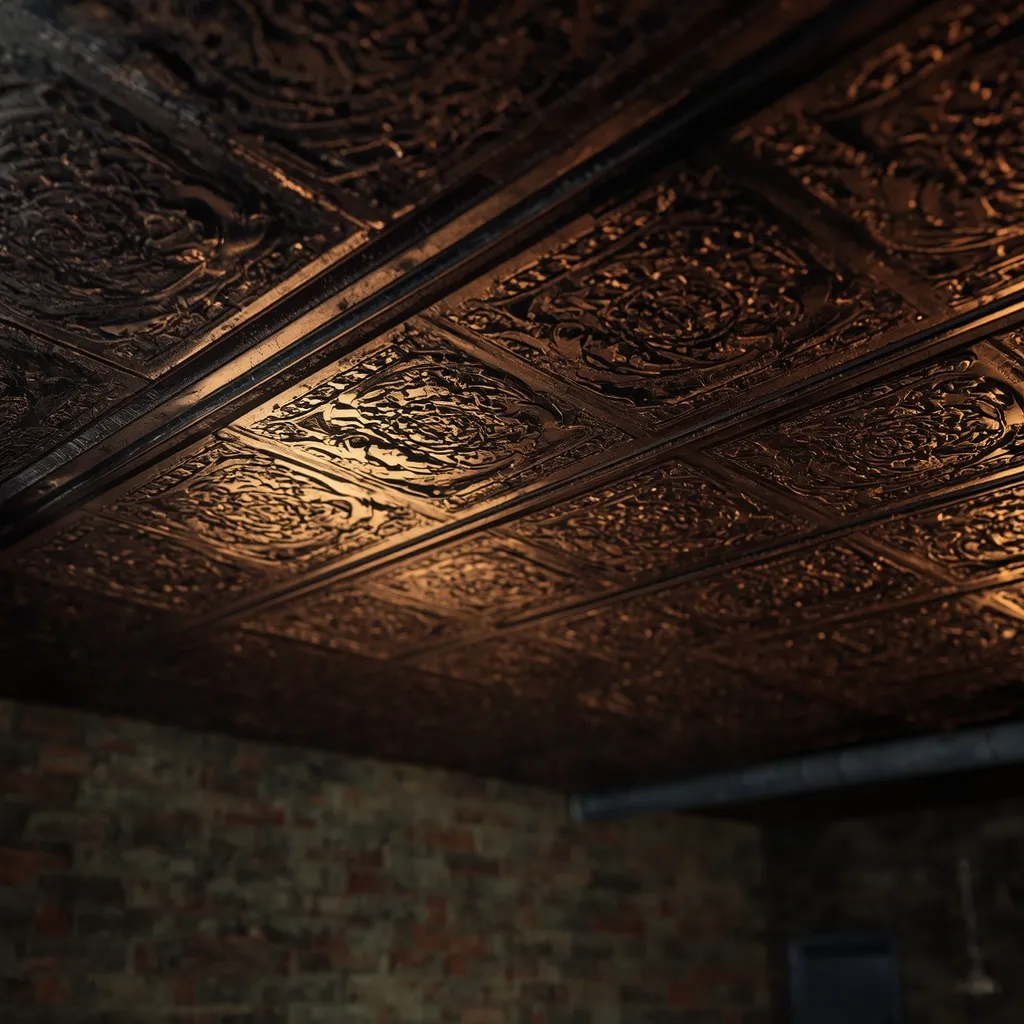
5. Tin Ceiling Tiles
Pressed tin ceiling tiles bring a vintage, industrial-rustic sparkle overhead that feels both old-world and characterful. Their embossed patterns catch the light beautifully above a garage bar or lounge, adding a layer of texture most garages never consider.
Faux-tin panels in lightweight PVC or aluminium are inexpensive, easy to cut, and can be glued or fixed to a ceiling grid, mimicking antique pressed metal without the cost or weight. Aged bronze, copper, and weathered-silver finishes suit rustic schemes better than bright chrome. Use tin tiles to define a specific zone, above the bar, for instance, rather than the whole ceiling, so they read as a deliberate feature. This tin-ceiling idea works especially well in a rustic garage bar, where the reflective texture amplifies warm evening lighting and adds a speakeasy atmosphere.
- Why it works: Adds vintage texture and reflects warm light overhead.
- When to use it: Above a garage bar or lounge zone as a feature.
- Solves: A plain ceiling lacking character in an entertaining space.
6. Edison Bulb Lighting
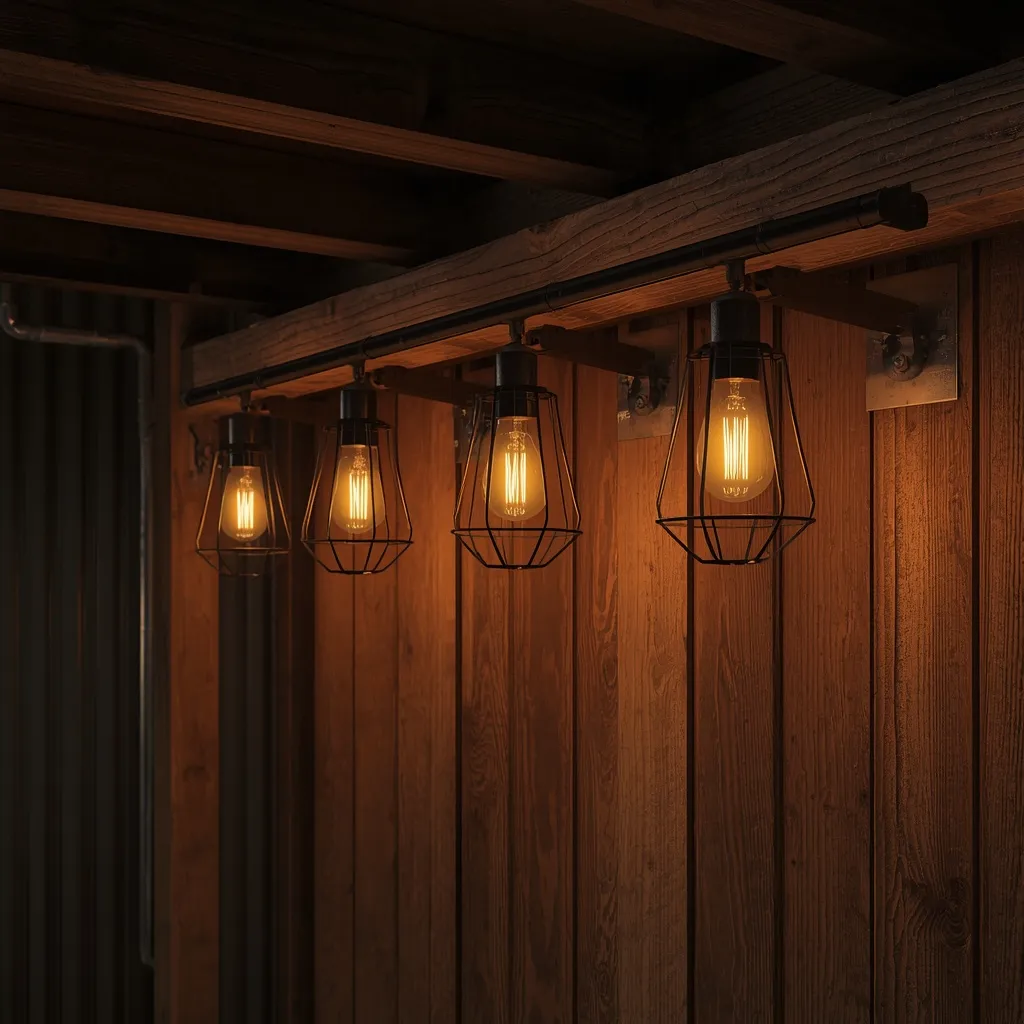
Swapping cold fluorescent strips for warm Edison-bulb fixtures is the fastest way to change a garage’s entire mood. Exposed-filament bulbs in black cage fittings or on a wood-mounted rail cast a golden, inviting glow that flatters rustic timber and metal alike.
Layer the lighting: warm ambient Edison fixtures for atmosphere, plus brighter task lighting over a workbench or gym where you genuinely need to see clearly, rustic charm shouldn’t compromise safe working light. Safety note: garages are classed as damp locations, so have an electrician install fixtures and GFCI-protected outlets to code, and don’t overload circuits with heaters or gym equipment. Filament LED bulbs give the vintage look with far less heat and energy use. This lighting idea suits every rustic garage zone, from a moody bar to a cozy lounge, instantly banishing the clinical strip-light feel.
- Why it works: Replaces clinical light with a warm, atmospheric glow.
- When to use it: Across bars, lounges, and man-cave zones.
- Solves: Cold, unflattering fluorescent garage lighting.
7. Rustic Garage Bar
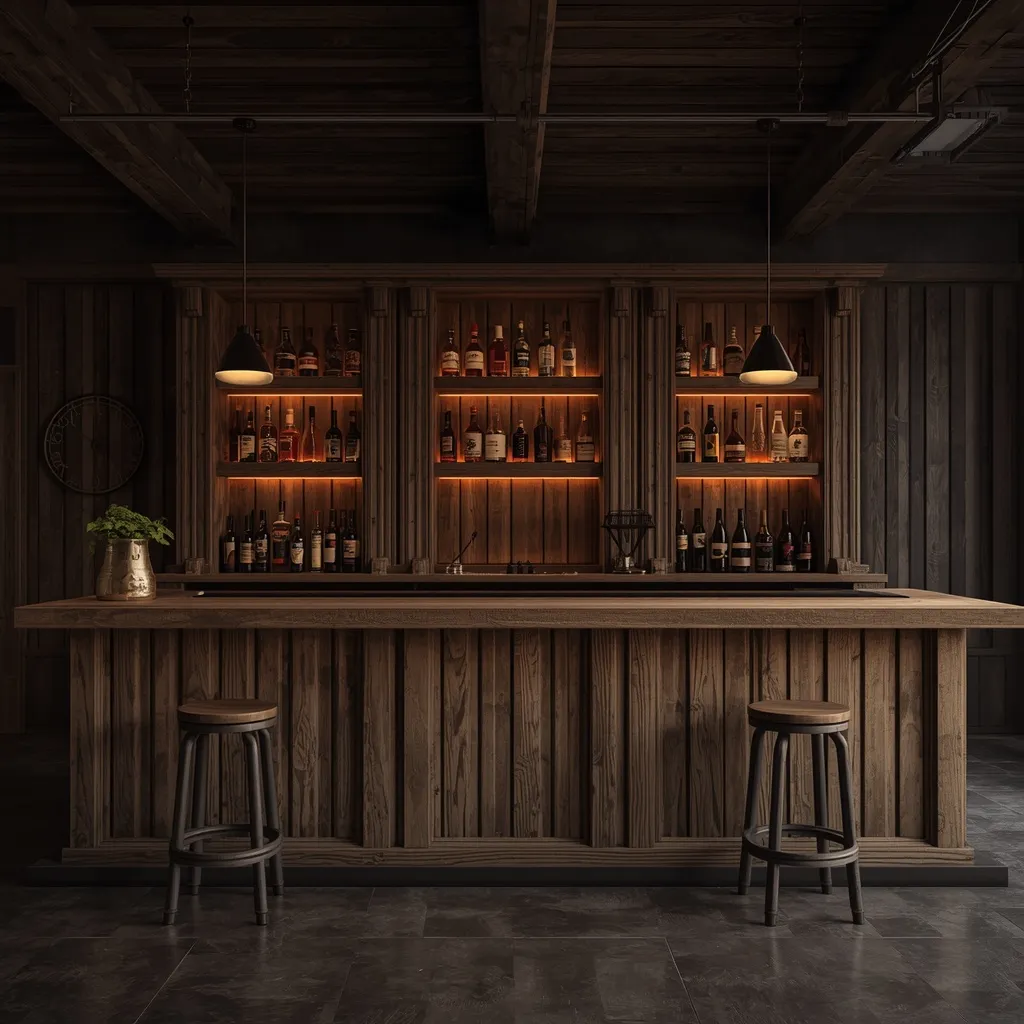
A rustic garage bar is the centrepiece of countless man-cave dreams, a weathered-timber counter, a reclaimed-wood back wall lined with bottles, and a couple of stools under warm pendant lights. It turns a corner of the garage into a welcoming spot to unwind and host.
Build the bar front from reclaimed planks or clad a simple frame in pallet wood, topping it with a sealed hardwood or live-edge counter for durability. Add a slat-wood or corrugated-metal back panel, floating shelves for glassware, and a small fridge, wired safely to a GFCI outlet by an electrician. Keep spirits stored securely out of children’s reach if the garage is family-accessible. Warm under-shelf lighting makes bottles glow at night. This rustic garage bar idea pairs naturally with barrel seating and vintage signage for a complete, characterful entertaining zone.
- Why it works: Creates a characterful entertaining hub with real focal impact.
- When to use it: Man caves and social garages built for hosting.
- Solves: No relaxed spot to unwind or entertain at home.
8. Whiskey Barrel Accents
An oak whiskey barrel is rustic shorthand for warmth and craft, and a few dotted around a garage do heavy design lifting. Used as a bar table, side table, or bin surround, their aged staves and iron hoops bring instant authenticity.
Halve a barrel for a wall-mounted shelf or cabinet, stand one on end as a cocktail table, or top one with a round timber disc for a bistro surface beside the bar. Genuine reclaimed barrels carry a beautiful patina, but check them for splinters and loose hoops, sanding and sealing where needed. Pair barrel tables with leather or timber stools for a cohesive look. These whiskey-barrel accents work especially well clustered around a rustic garage bar, reinforcing the distillery-inspired theme without the cost of custom joinery.
- Why it works: Delivers instant authentic patina and doubles as furniture.
- When to use it: Around a bar or lounge as tables and accents.
- Solves: A flat scheme needing characterful, low-cost focal pieces.

9. Live-Edge Workbench
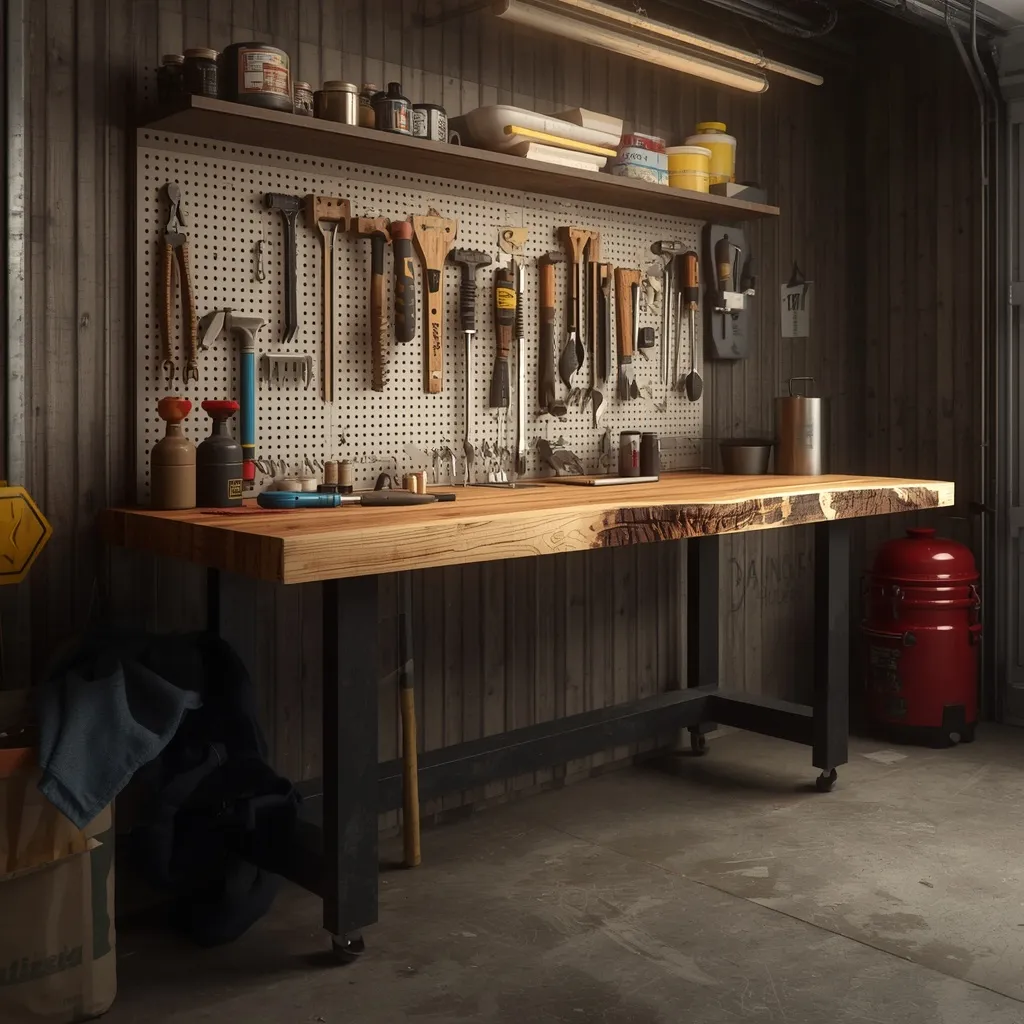
A live-edge slab workbench proves function and rustic beauty can coexist. The natural, undulating edge of a thick timber top, mounted on black steel legs or a reclaimed base, turns an everyday work surface into a statement piece.
Seal the slab with a hard-wearing oil or matte polyurethane so it resists oil, solvents, and knocks while keeping its natural grain visible. Mount it at a comfortable working height, around 90 cm (36 in), and add a pegboard or slat panel above for tools. In practice this works best when the bench doubles as a bar-height counter or hobby station rather than a heavy mechanical workbench, keeping the beautiful surface protected. A live-edge top ties the industrial-rustic theme together and gives the hardworking heart of the garage genuine character.
- Why it works: Merges a practical work surface with a natural statement top.
- When to use it: Hobby stations, potting benches, and light workbenches.
- Solves: A purely utilitarian bench with zero design value.
10. Pipe-and-Wood Shelving
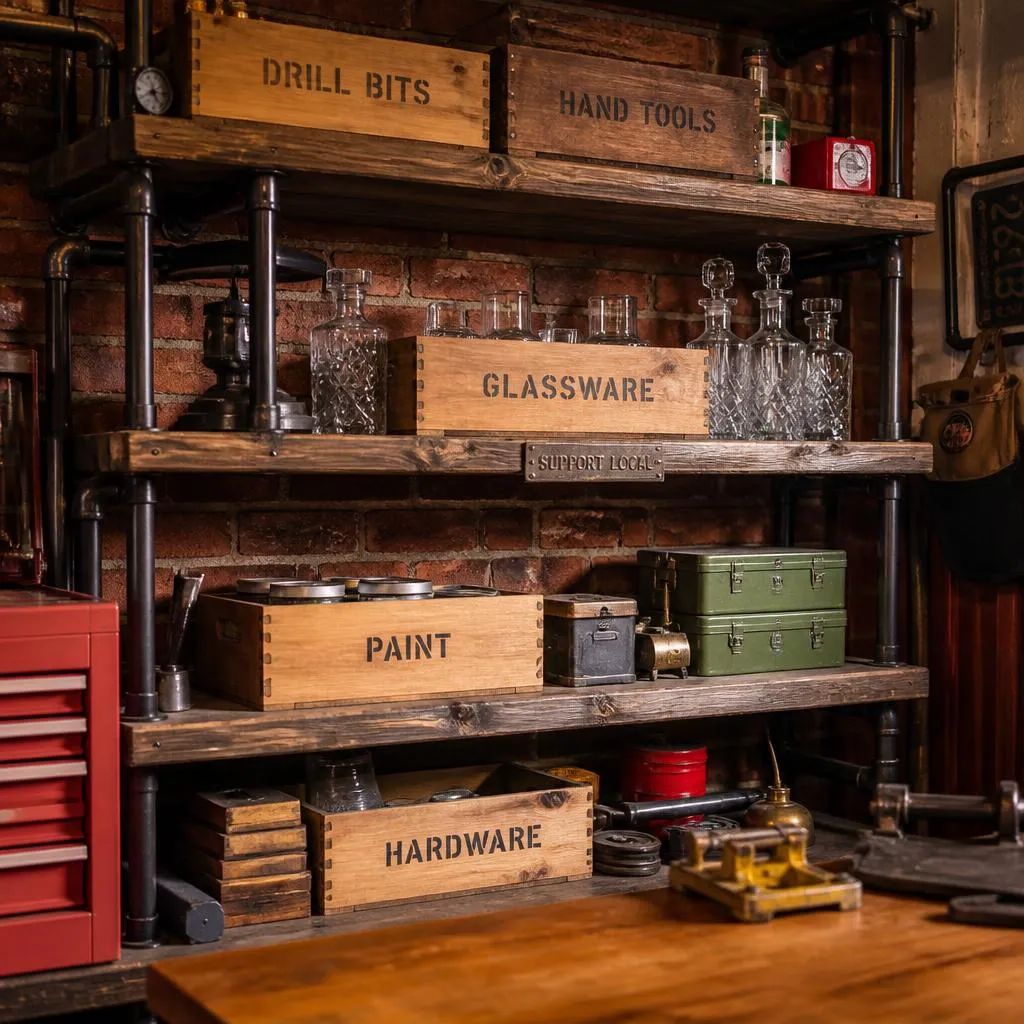
Open shelving built from black iron pipe fittings and reclaimed timber planks is the workhorse of rustic-industrial garages. Sturdy, adjustable, and endlessly characterful, it holds everything from tools and paint tins to bar glassware and décor.
Assemble the frame from threaded pipe and flanges, bolting it firmly into wall studs or masonry so heavy loads stay secure, never rely on plasterboard alone for weighted shelving. Thick, sealed planks make the shelves; vary their length for a relaxed, unfitted look. Good organization keeps the rustic style from tipping into clutter, and the same tidy-storage logic that works elsewhere in the home, like these bathroom cabinet organizing ideas, applies just as well on garage shelves. Group items in labelled crates or baskets. This shelving idea suits every rustic garage, marrying real storage capacity with the raw pipe-and-timber aesthetic.
- Why it works: Combines heavy-duty storage with signature industrial-rustic looks.
- When to use it: Anywhere you need robust, characterful open storage.
- Solves: Flimsy or clinical shelving that clashes with the rustic theme.
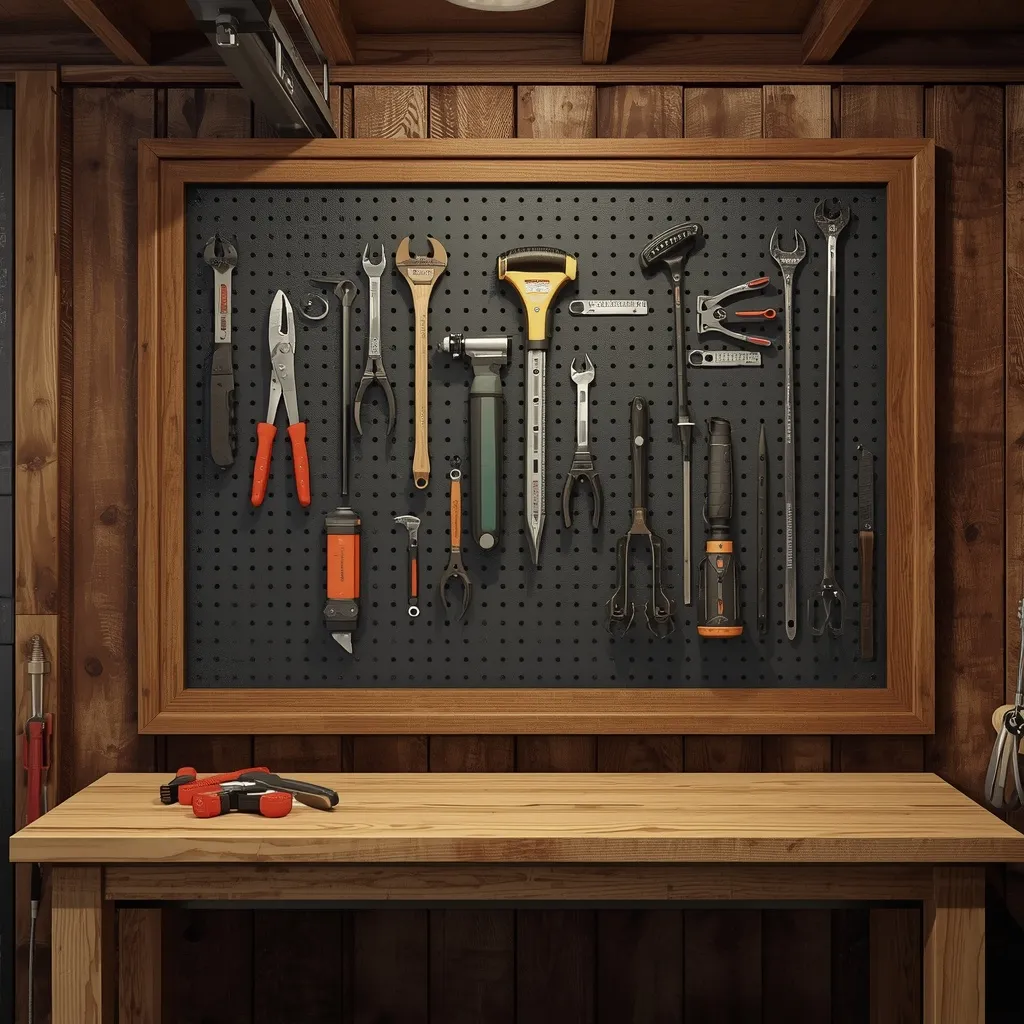
11. Framed Pegboard Tool Wall
A pegboard framed in reclaimed timber turns tool storage into a design feature. The classic peg grid keeps everything visible and to hand, while a rustic wood surround and a dark-stained or painted board lift it far above the utilitarian standard.
Mount the board on spacers so hooks seat properly, and outline each tool with a marker so you always know what belongs where and can spot what’s missing, a workshop trick that keeps the wall looking curated. A charcoal or forest-green painted pegboard framed in weathered oak reads as intentional décor, not just storage. Site it above the workbench where tools are used most. This framed pegboard idea proves the rustic garage wall can be practical and handsome at once, organising clutter while contributing to the overall character rather than undermining it.
- Why it works: Makes tool storage visible, tidy, and part of the décor.
- When to use it: Above a workbench or hobby station.
- Solves: Scattered tools and a cluttered, disorganised work wall.
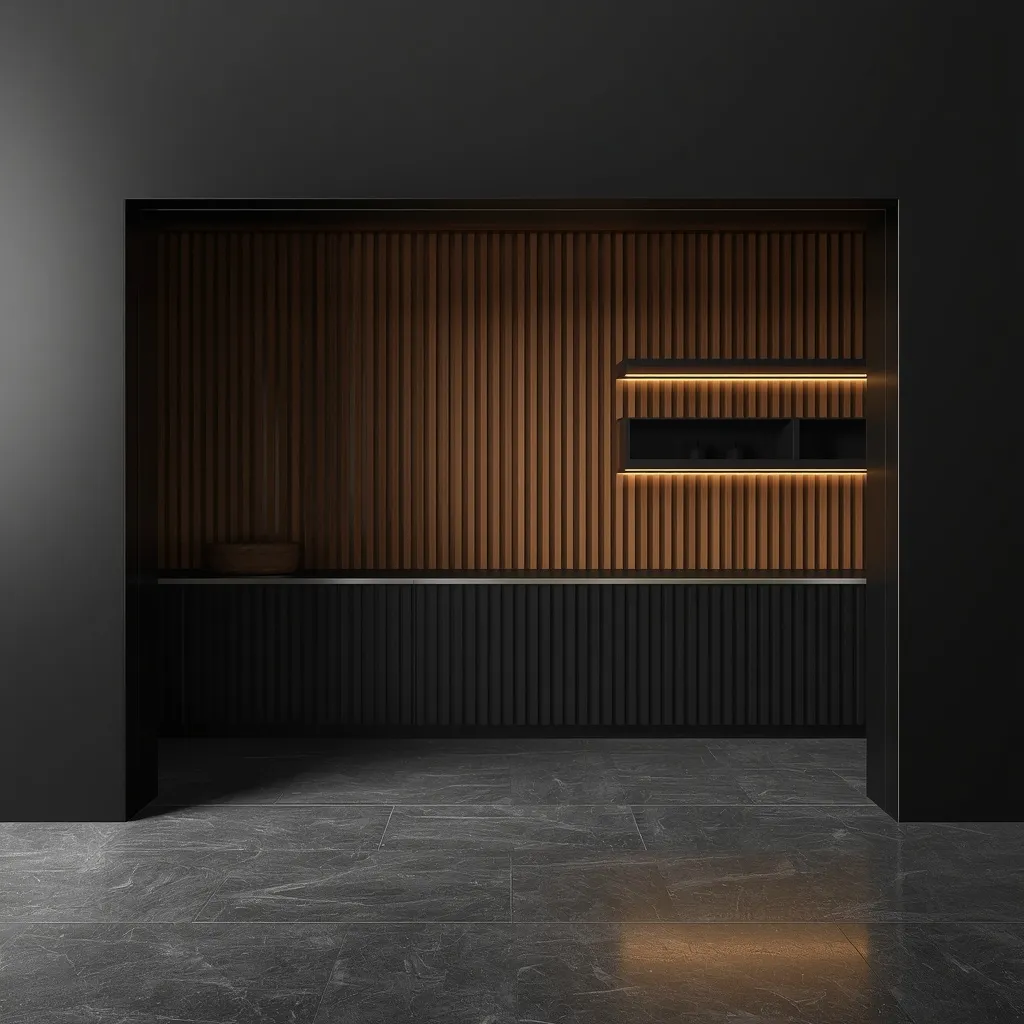
12. Moody Black Walls
Painting garage walls a deep matte black or charcoal creates a dramatic, modern-rustic backdrop that makes warm wood and brass details pop. The “black garage” look feels sophisticated and gallery-like, a striking contrast to the usual bare block.
Use a durable matte masonry or exterior-grade paint that handles a garage’s temperature swings and occasional damp, and prime bare block first for even coverage. Dark walls recede visually, so pair them with plenty of warm lighting and timber to avoid a cave-like gloom, the contrast is what makes the scheme sing. Black works especially well behind a slat wall, bar, or gym rack, framing them like exhibits. This moody wall-paint idea is a low-cost, high-impact way to modernise the rustic garage while keeping it warm and characterful.
- Why it works: Creates a dramatic backdrop that makes wood and metal pop.
- When to use it: Modern-rustic garages wanting a bold, gallery-like feel.
- Solves: Flat, pale walls that read as clinical rather than designed.
13. Vintage Sign Collection
A wall of vintage signage, enamel advertising plates, old license plates, workshop and route markers, layers instant nostalgia and personality onto a rustic garage. Grouped as a gallery, they tell a story and fill bare wall space with character.
Arrange signs like a gallery wall: anchor with one large piece and cluster smaller plates around it, mixing shapes and eras for an authentic collected-over-time feel rather than a matched set. Weathered, genuinely aged pieces beat shiny reproductions, though a few repro classics can fill gaps affordably. Fix metal signs with appropriate anchors and file down any sharp edges for safety. This vintage-sign décor idea works brilliantly above a bar, workbench, or lounge, turning a rustic garage wall into a personal museum of automotive and Americana-inspired charm.
- Why it works: Adds personality and nostalgia to fill bare wall space.
- When to use it: Above bars, benches, and lounge seating.
- Solves: Empty walls that make the garage feel unfinished.

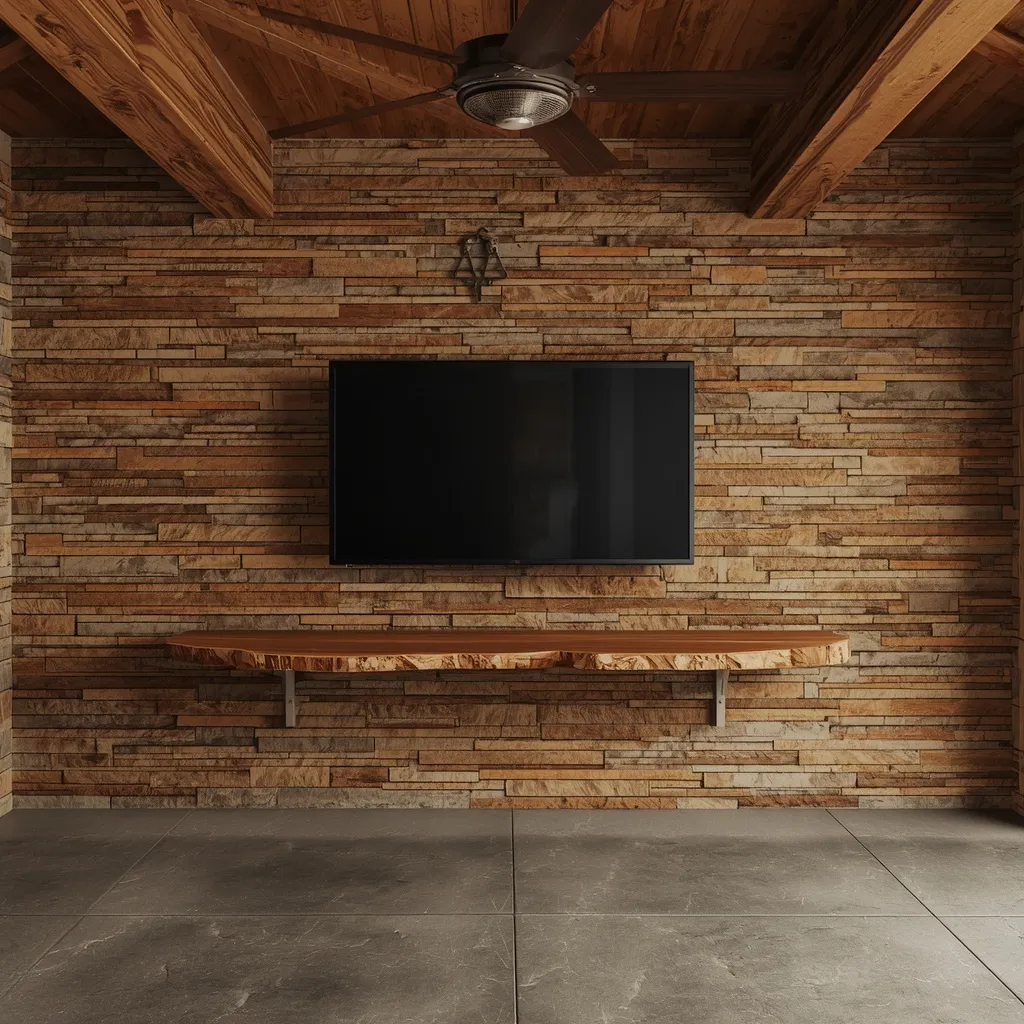
14. Stone Accent Wall
A stone or stone-veneer accent wall brings rugged, natural texture that grounds a rustic garage in solid, timeless material. Behind a bar or wood-burning stove, a wall of stacked ledgestone reads as a mountain-lodge feature.
Lightweight manufactured stone veneer or brick-slip panels install over existing block far more easily than full masonry, keeping weight and cost down while looking convincingly real. Choose warm, earthy tones, sandstone, slate, or weathered grey, to complement timber elements. A stone wall pairs powerfully with a live-edge shelf or a mounted TV in a man-cave zone. If you incorporate any heat source nearby, follow the appliance’s clearance guidance and local regulations. This accent-wall idea adds a premium, lodge-like layer of texture that makes the rustic garage feel genuinely designed rather than merely decorated.
- Why it works: Adds rugged, natural texture and a premium lodge-like feel.
- When to use it: Behind a bar, TV, or stove as a focal feature.
- Solves: A flat scheme lacking natural, tactile material contrast.
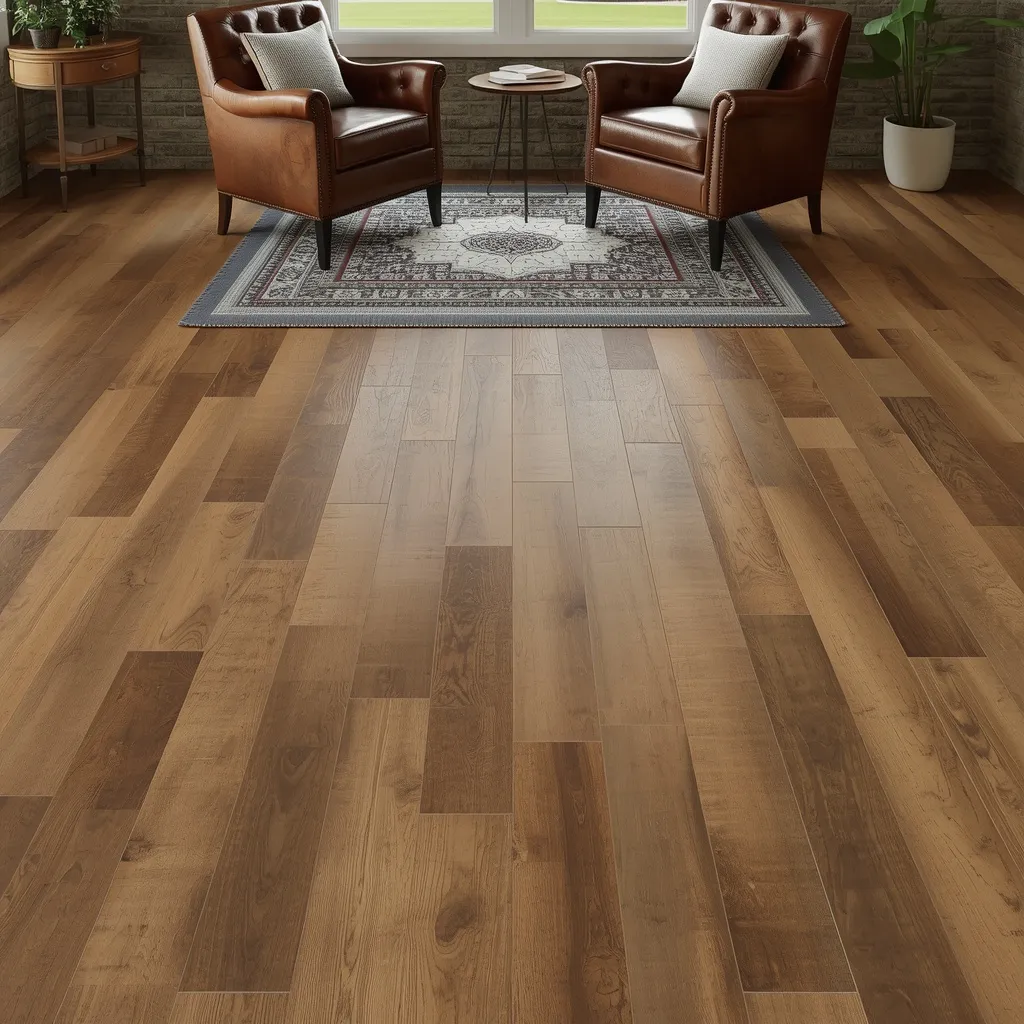
15. Wood-Look Flooring
The floor sets the tone underfoot, and a wood-look finish warms the whole garage instantly. Durable porcelain plank tiles or heavy-duty wood-effect vinyl deliver the cozy appearance of timber while withstanding oil, moisture, and the weight of everyday use.
Genuine hardwood rarely suits a garage’s damp, temperature-swinging environment, so wood-look porcelain or commercial-grade LVT is the practical choice, both resist stains and are easy to mop. For a garage still used for a vehicle, a wood-look interlocking floor tile rated for car traffic works; for a converted lounge or gym, vinyl plank is warmer underfoot. Add rubber matting in the gym zone for grip and joint protection. This flooring idea grounds every other rustic element, replacing cold, stained concrete with a surface that feels warm, finished, and inviting.
- Why it works: Warms the space underfoot while surviving garage conditions.
- When to use it: Converted lounges, bars, gyms, and home offices.
- Solves: Cold, stained bare concrete that undercuts the cozy look.
16. Leather Lounge Corner
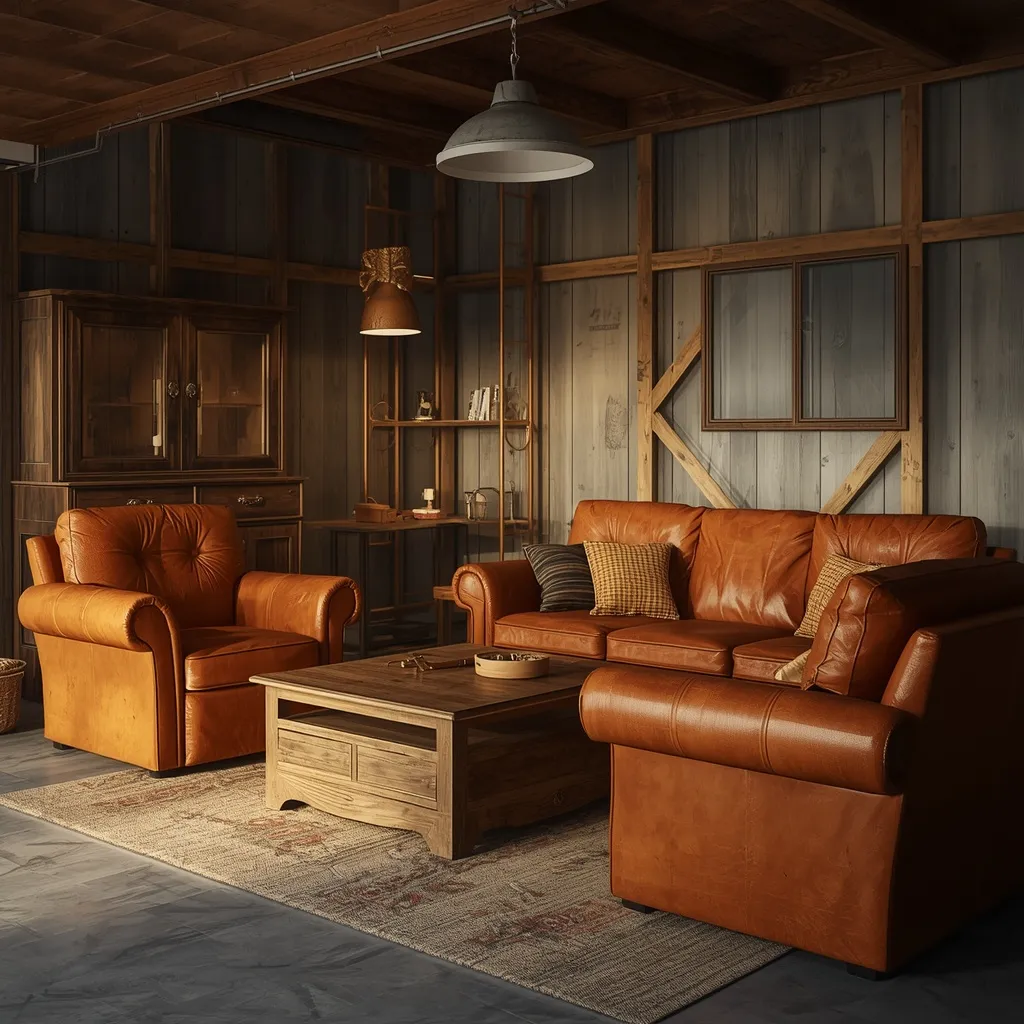
A worn-leather sofa or a pair of club chairs turns a garage corner into an inviting lounge. Rich tan or oxblood leather ages beautifully alongside timber and metal, creating a masculine, characterful spot to relax that defines the man-cave feel.
Anchor the seating on a textured rug to define the zone and soften the hard floor, and add a whiskey-barrel or reclaimed-wood coffee table between the chairs. Distressed or vintage leather suits the rustic theme far better than sleek modern upholstery, and it wears in rather than out. Keep the lounge away from any workshop dust or fumes if the garage is multi-use, good ventilation matters wherever people relax in a garage. This leather-lounge idea gives the rustic garage a genuine social heart, pairing perfectly with a nearby bar and warm lighting.
- Why it works: Creates a warm, characterful social zone that ages gracefully.
- When to use it: Man caves and multi-use garages built for relaxing.
- Solves: Nowhere comfortable to sit and unwind in the garage.
17. Rustic Home Gym Zone
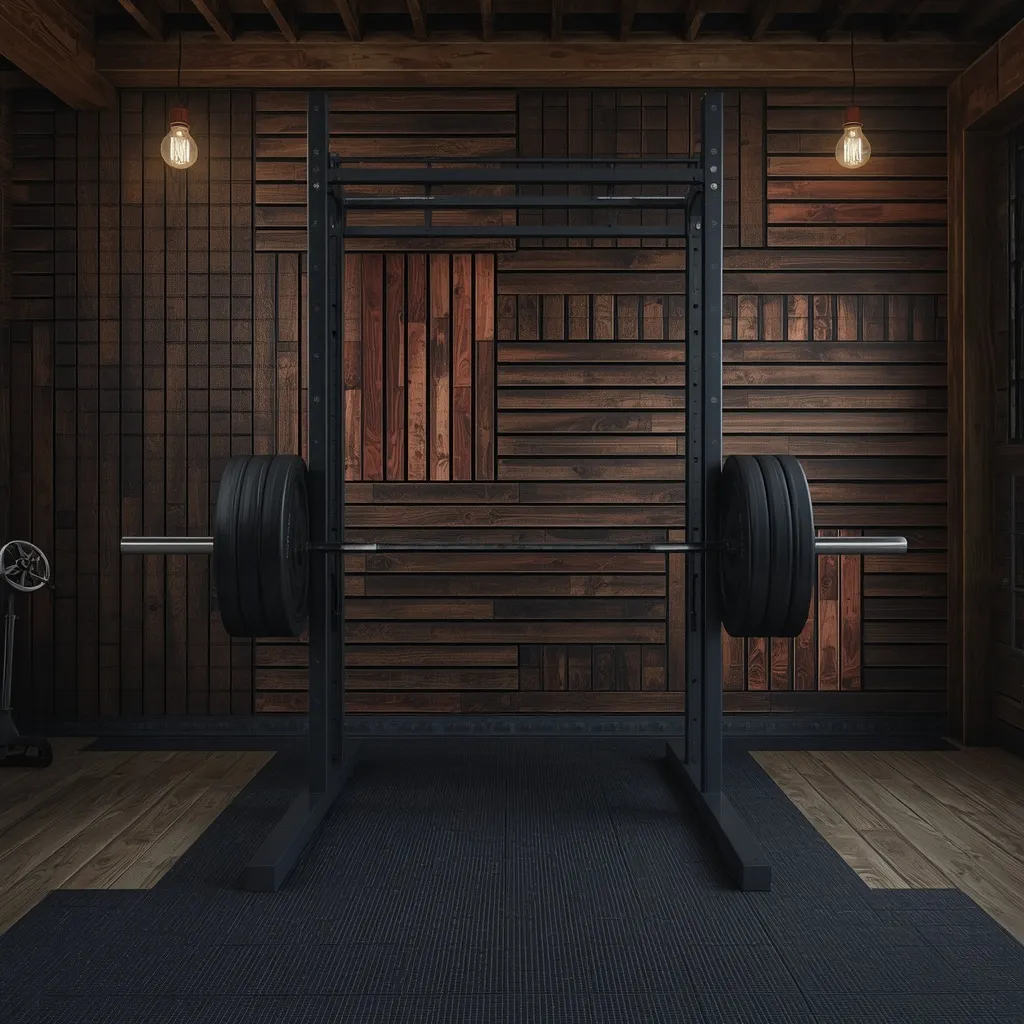
A rustic home gym proves function and warmth can share a space. Set a steel rack and bumper plates against a reclaimed-wood slat wall, lay rubber matting over wood-look flooring, and the garage gym feels like a boutique studio rather than a cold, clinical box.
Bolt racks and heavy equipment securely to the floor or wall per the manufacturer’s instructions, and use dense rubber flooring to protect both the slab and your joints. Safety essentials: fit a carbon monoxide detector and ensure good ventilation if the space adjoins where a vehicle runs, and keep the area free of fuel and fumes while training. Warm Edison lighting and a timber accent wall soften the industrial gear. This rustic garage gym idea makes working out at home genuinely appealing, blending serious training kit with the inviting character of natural materials.
- Why it works: Blends serious training kit with warm, boutique-studio character.
- When to use it: Garages doubling as a dedicated home workout space.
- Solves: Cold, uninspiring gym setups you never want to use.
18. Tucked-In Garage Office
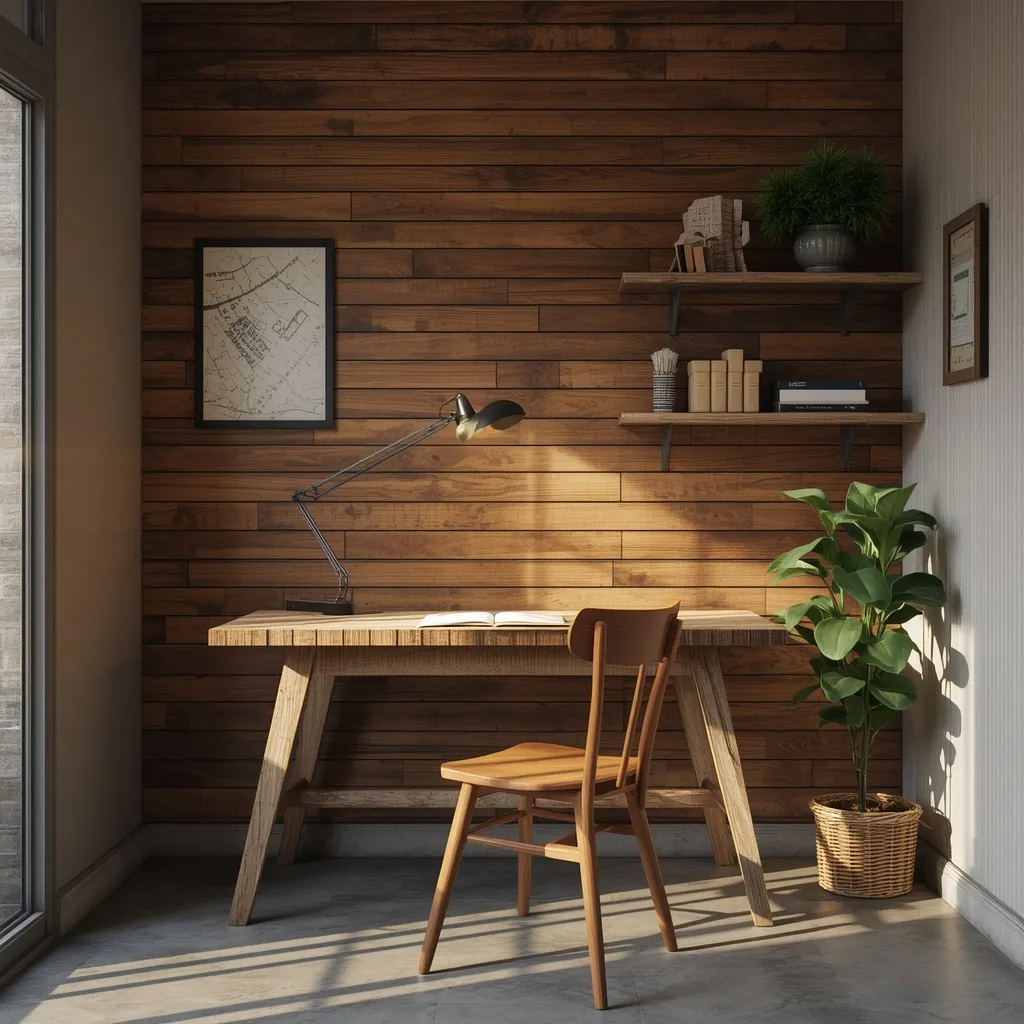
Carving a rustic office nook into the garage creates a quiet, separate workspace away from the household bustle. A reclaimed-wood desk, a slat-wall backdrop, and warm task lighting make a garage office feel intentional and calm rather than makeshift.
Position the desk against a finished feature wall, and screen the office from any workshop or storage zone with a barn-style sliding door for focus and cleaner air. Insulation and a heater or good ventilation matter here, a garage office needs a comfortable, well-aired climate and safe, code-compliant electrics for computers and lighting, ideally installed by an electrician. Add floating shelves and a plant to soften the space. This rustic garage office layout suits remote workers and hobbyists needing a dedicated, character-filled spot to concentrate without commandeering a spare bedroom.
- Why it works: Adds a calm, separate workspace with genuine rustic character.
- When to use it: Remote workers and hobbyists needing a quiet zone.
- Solves: No dedicated home workspace away from household noise.
19. Antler-Style Chandelier
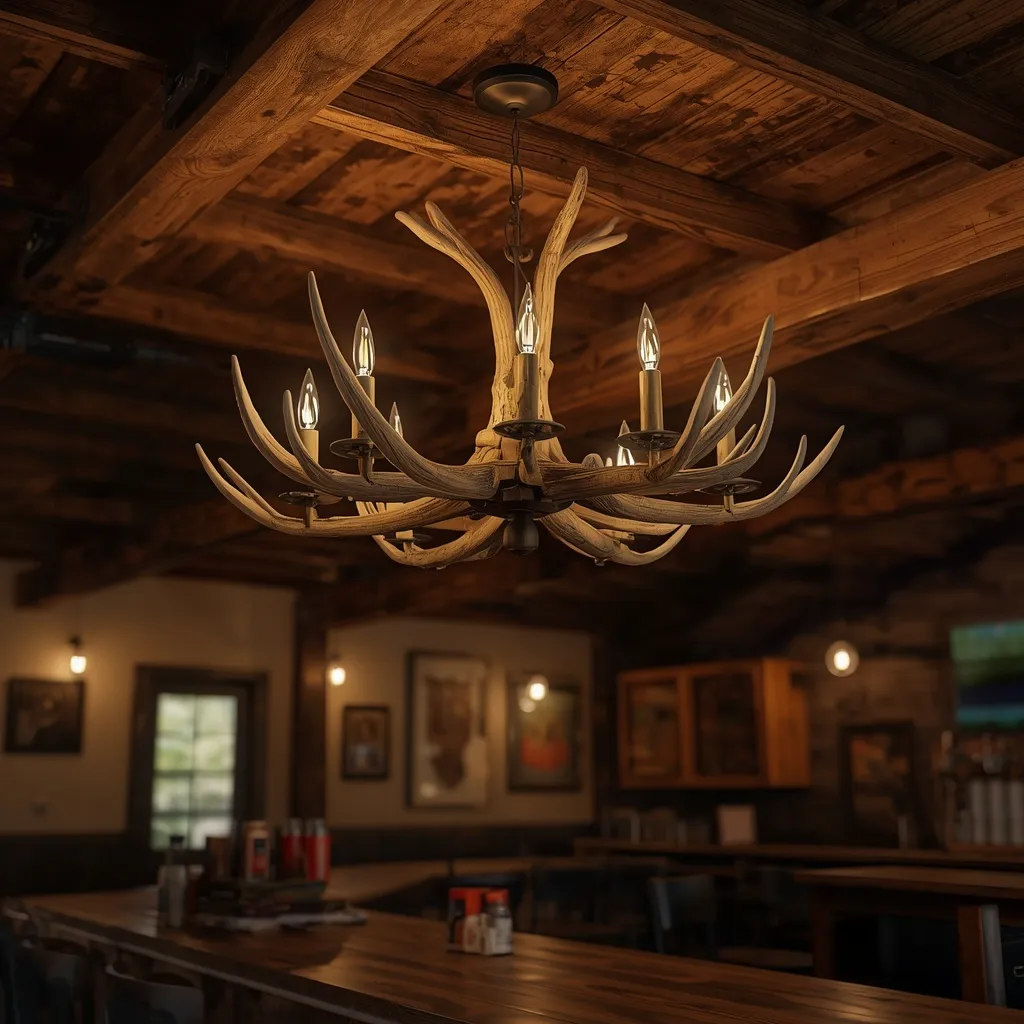
A statement chandelier, antler-style, wagon-wheel, or a cluster of caged Edison bulbs on a timber frame, crowns a rustic garage with lodge-worthy drama. Hung over a bar or lounge, it becomes an instant focal point overhead.
Faux-antler and reclaimed-wood fixtures give the rustic-lodge look without ethical or weight concerns, and they suit a garage’s higher ceilings where a large fixture has room to breathe. Hang it at a height that lights the surface below without obstructing sightlines or head height, and have an electrician secure heavy fixtures to a proper ceiling box. Choose warm-toned bulbs to keep the glow inviting. This statement-lighting idea anchors the rustic garage’s entertaining zone, drawing the eye up to the beam or tin ceiling above and completing the cozy, characterful atmosphere.
- Why it works: Adds a lodge-style focal point and warm overhead drama.
- When to use it: Over a bar or lounge with adequate ceiling height.
- Solves: A flat, unlit central zone lacking a visual anchor.
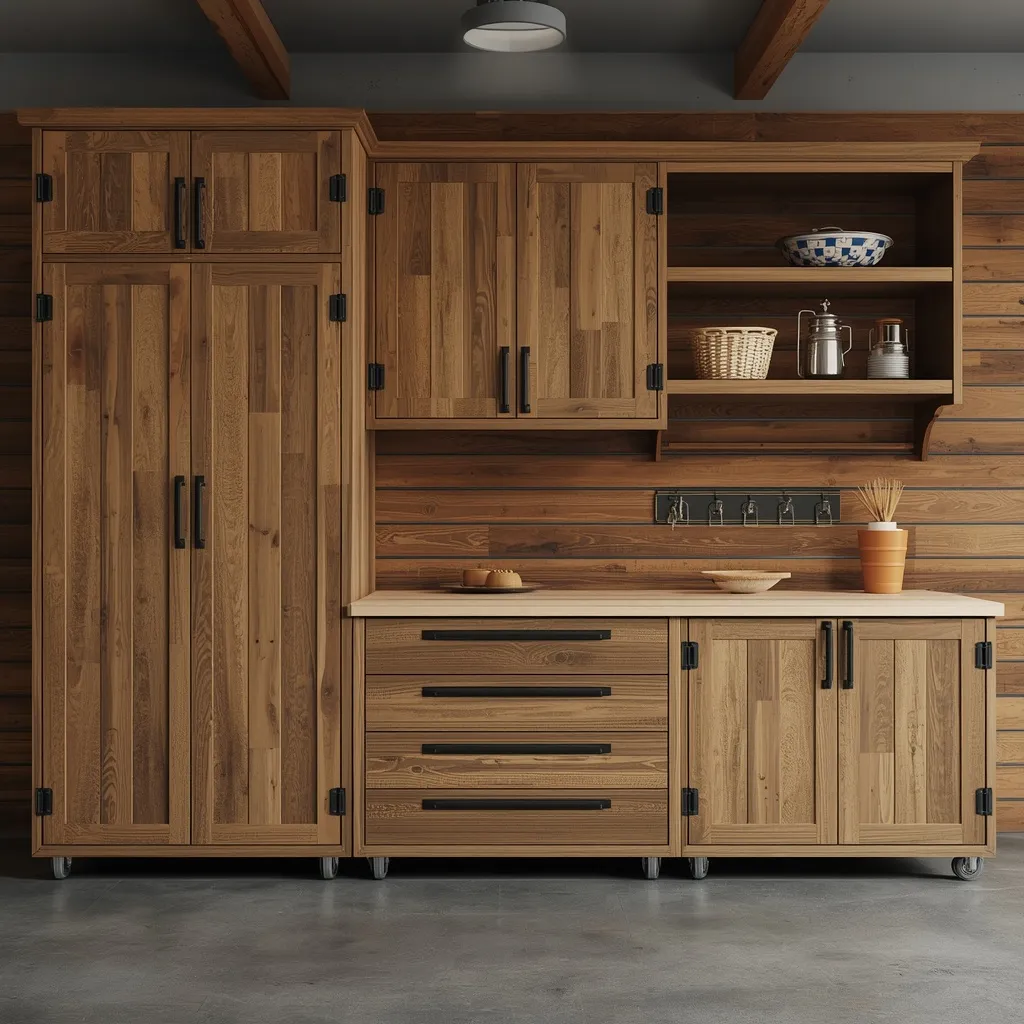
20. Reclaimed Wood Cabinets
Swapping slick metal lockers for reclaimed-wood or barn-board cabinetry warms the storage walls of a garage while hiding clutter behind characterful doors. Weathered timber fronts with black hardware keep tools and supplies tidy and on-theme.
Reface existing cabinet carcasses with reclaimed planks for an affordable upgrade, or build simple boxes and clad the doors in barn board. Seal the wood so it wipes clean of garage grime, and fit soft-close hinges for a quality feel. Combine closed cabinets for messy or hazardous items, keeping chemicals and sharp tools safely out of children’s reach, with open shelving for display. This reclaimed-wood cabinetry idea brings the cohesive, fitted look of a designed rustic garage, concealing the practical chaos while reinforcing the natural-material theme throughout the space.
- Why it works: Hides clutter behind warm, on-theme timber storage.
- When to use it: Storage walls needing a cohesive, fitted rustic look.
- Solves: Cold metal lockers and visible clutter clashing with the theme.
21. Corrugated Metal Accents
Weathered corrugated metal panels bring an authentic barn-and-workshop edge to a rustic garage. Used as a bar front, wainscot, or accent behind shelving, the rippled galvanised or rusted-look sheeting adds industrial texture that plays beautifully against warm wood.
Cut panels carefully and file or fold every edge, as corrugated metal is sharp, a genuine safety point during installation. Fix panels over a timber batten frame for a clean finish, and pair silvery galvanised sheeting with light wood or rusted-patina panels with darker timber. A little metal goes a long way; use it as an accent rather than covering whole walls, so it punctuates the wood rather than competing with it. This corrugated-metal idea reinforces the rustic-industrial theme, echoing barn cladding and giving the garage genuine agricultural authenticity.
- Why it works: Adds authentic barn-industrial texture against warm wood.
- When to use it: As a bar front, wainscot, or shelving backdrop accent.
- Solves: An all-wood scheme lacking industrial contrast and edge.
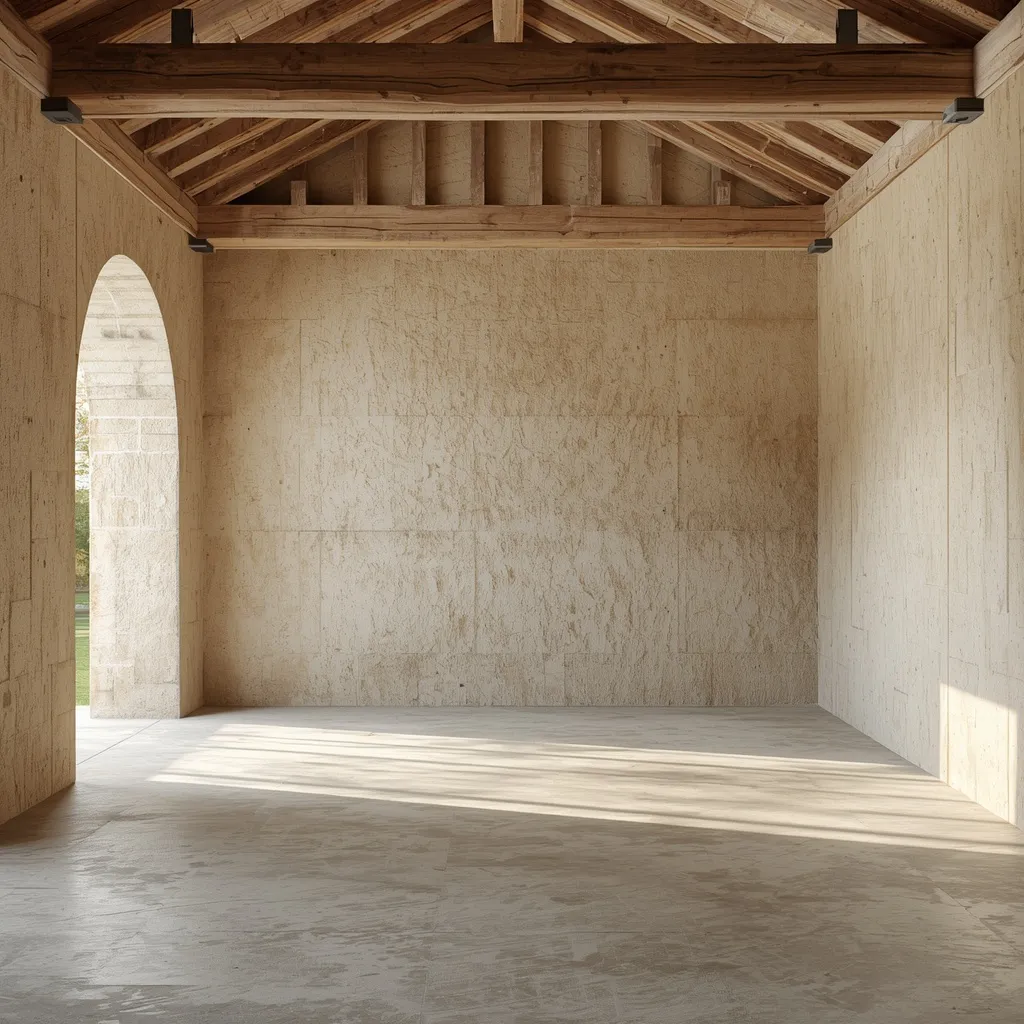
22. Limewash Wall Finish
For a softer, European farmhouse take on the rustic garage, a limewash finish gives walls a chalky, cloudy depth that flat paint can’t match. The mineral finish sits beautifully on block and brick, adding age and texture in muted greys, warm whites, or soft taupe.
Limewash is breathable and suits masonry particularly well, developing a naturally mottled, weathered patina as it cures, apply it in loose, crisscross strokes for that characteristic movement. It’s a forgiving, beginner-friendly finish because unevenness is part of the charm, not a flaw. Use it as a calm, textured backdrop that lets timber and metal accents stand out. This limewash idea offers a lighter, airier alternative to a moody black scheme, giving the rustic garage a relaxed, lived-in softness that feels both aged and fresh.
- Why it works: Adds chalky, aged texture and a soft farmhouse backdrop.
- When to use it: Lighter, European-farmhouse rustic schemes on masonry.
- Solves: Flat, lifeless wall paint lacking depth and character.
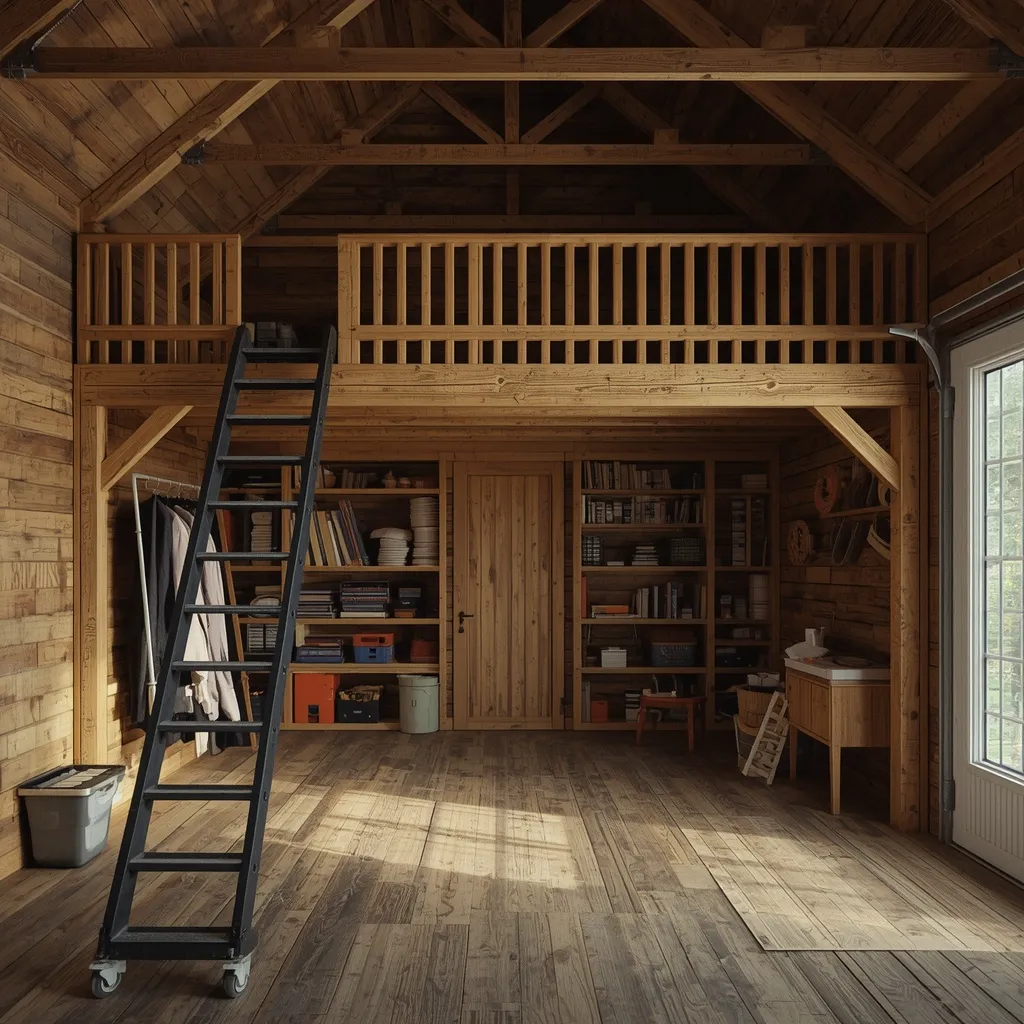
23. Loft and Ladder Storage
Building a rustic timber loft platform above head height, reached by a sliding library-style ladder, reclaims a garage’s often-wasted vertical volume for storage while adding striking character. Seasonal gear and bulky items live up top; the ladder itself becomes a design feature.
Any overhead loft must be properly engineered and securely fixed, this is a job for a professional if there’s any doubt about load, as a poorly built platform overhead is a serious hazard. Rate it for the intended weight, keep heavy items evenly distributed, and ensure the ladder locks or rests securely on its rail. A rolling ladder on a black steel track echoes the barn-door hardware elsewhere for a cohesive look. This loft-and-ladder idea frees up floor space below for a bar, gym, or lounge, letting the rustic garage work hard on every level.
- Why it works: Reclaims vertical space and adds a characterful ladder feature.
- When to use it: Garages with the ceiling height to spare overhead.
- Solves: Wasted overhead volume and floor space lost to bulky storage.
Pulling Your Rustic Garage Together
The most successful rustic garages don’t use every idea at once, they choose a clear direction and layer a few materials well. Start with one anchor, usually a reclaimed-wood wall or the garage door, then build outward with lighting, flooring, and a single conversion zone like a bar or gym. Keep safety central throughout: code-compliant electrics, proper ventilation and a carbon monoxide detector in any converted space, and securely fixed shelving and lofts. For more design and layout inspiration across the home, browse the wider Sunday Abode collection and our furniture and layout ideas to help every space feel intentional.
Conclusion
A garage doesn’t have to be the coldest, most neglected room in the house. The right rustic garage ideas, a reclaimed-wood slat wall, warm Edison lighting, a weathered bar, or a barn-style door, turn bare block and concrete into a space with real soul, whether you’re building a workshop, a gym, or a place to gather. Choose one anchor idea, layer materials thoughtfully, and never cut corners on ventilation, electrics, or secure fixings along the way. Even a single weekend project here can shift the whole feel of the space. For more ways to warm and shape your home, explore our Furniture and Layout collection and start sketching the rustic garage you’ll actually want to spend time in.
FAQs
How do I make a garage feel warm and rustic on a budget?
Start with high-impact, low-cost moves: clad one wall in reclaimed or pallet wood, swap fluorescent strips for warm Edison-style bulbs, and add a few characterful pieces like a whiskey-barrel table or vintage signs. These three changes shift the whole mood before you spend on flooring or built-ins, and salvaged materials keep costs down.
Can I put wood on garage walls safely?
Yes, as long as you prepare it properly. Check reclaimed timber for old lead paint, woodworm, and hidden nails, then sand and seal it before fixing into studs or with masonry anchors. Keep timber cladding away from heat sources and any area where fuel or fumes collect, and don’t obstruct electrical panels or vents.
Is it safe to convert a garage into a bar, gym, or man cave?
It can be, with the right precautions. Fit a carbon monoxide detector and ensure good ventilation, especially where a vehicle still runs, keep fuel and flammable materials well away, and have all electrics installed to code with GFCI-protected outlets by a qualified electrician. Insulation and heating make a converted garage genuinely comfortable year-round.
What flooring works best for a rustic garage?
Wood-look porcelain plank tiles or heavy-duty wood-effect vinyl give the cozy timber appearance while resisting oil, moisture, and heavy use far better than real hardwood. For a garage still parking a car, choose interlocking tiles rated for vehicle traffic; for a converted lounge or gym, warmer vinyl plank with rubber matting in the workout zone works well.
Will cladding my garage door in wood cause any problems?
It can, if you don’t account for the extra weight. Real timber adds significant load that changes the door’s balance, and garage-door springs are under high tension, so have a professional re-balance the springs and check the opener afterward. Faux-wood steel or composite doors avoid this issue while still delivering the rustic look.
How do I light a rustic garage without it feeling clinical?
Layer your lighting: warm Edison or filament fixtures for ambience, plus brighter task lighting over any workbench or gym area where you need clear visibility. A statement fixture like an antler-style or wagon-wheel chandelier anchors a bar or lounge. Choose warm-toned bulbs throughout, and have damp-rated fixtures installed to code.
What’s the difference between rustic and rustic-industrial garage style?
Rustic leans on natural, weathered materials, reclaimed wood, stone, leather, and warm tones, for a cozy, lodge-like feel. Rustic-industrial adds hard elements like black iron pipe, corrugated metal, and exposed hardware for more edge. Most garages blend the two, pairing timber warmth with metal structure, which suits the space’s utilitarian bones.